

What Makes Pinot Noir So Expensive Compared To Other Wines
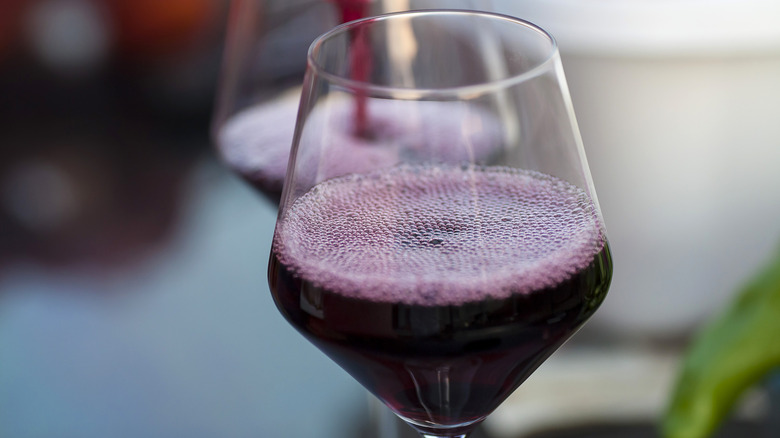
If you are browsing bottles at the supermarket and begin to wonder why bottles of Pinot Noir are clocking higher at checkout, there is an explanation for the elevated price tag. David Kravitz, beverage director for The Group Hospitality, spoke with Tasting Table to explain why these reds can pull premium rates.
According to Kravitz, "Pinot will always be more expensive than other varieties because of its thin skin." Pinot Noir's grapes make for a "fickle vine," as Kravitz puts it, because they are more sensitive to environmental changes than thicker-skinned varieties like Cabernet Sauvignon. Such sensitivity means that these crops require special attention, which according to Kravitz, translates to more time spent by workers in the field. Compared to hardier Merlot or Cabernet Sauvignon, Pinot Noir's delicate grapes require a more watchful eye, and that extra care isn't necessarily cheap. Sun and temperature fluctuations can impact an entire crop, and the fragile fruit is best tended to by hand.
Finding bottles for every day
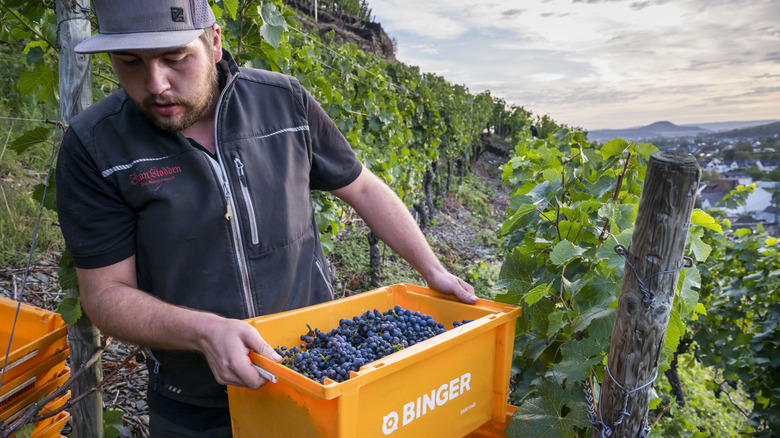
Instead of using machines, growers have to manually take care of vines and hand select ripe fruit to harvest. This labor starts tallying costs even before grapes are fermented. In fact, Kravitz says lower-priced bottles of Pinot Noir should raise some suspicion. "Because of the amount of work that is required to grow and produce this grape well, I'm skeptical of a Pinot that retails for less than $20," he said.
While this doesn't mean that every pricey bottle is worth the cost, it does explain why some bottles can climb into triple digits. Price and taste don't have to correlate, but understanding that Pinot is a labor-intensive wine can guide buying choices. One wine drinker on Reddit joked that shoppers often end up paying for a few disappointing bottles before finding the one they actually like, describing the variety as "maddening and inconsistent at all price points." Familiarizing yourself with the characteristics of a Pinot Noir is a solid step in identifying quality pours from sub-par sips.