

The 10 Best Cabernet Sauvignons For Beginners
As the most widely grown grape in the world, cabernet sauvignon can be found in countries spanning the globe. The name is recognizable whether you know much about wine or not, highlighting its popularity far and wide. Originally from Bordeaux, France, it requires a long growing season to ripen well, resulting in a full-bodied wine with a complex character. Cabernet is commonly sold both as a single-varietal wine or blended with other grapes. Additionally, in several countries, wine can be labeled as cabernet sauvignon while still containing minor percentages of other grape varieties. With so many places growing it and types of wines made, it can be overwhelming to choose a bottle if your wine knowledge is limited.
Through my studies as a Certified Specialist of Wine and WSET Level 3 holder, as well as my travels to various wine regions around the world, my understanding of cabernet sauvignon can serve as a guidance. I've compiled a selection of the best cabernet sauvignons for beginners by choosing bottles that offer a range of examples of the variety. This includes wines from numerous regions, as well as different winemaking styles and growing conditions, in order to provide a broad view of the grape's potential.
Beginners don't need to buy the priciest cabernets on the market to get a grasp on the grape, but they should try several bottles. Read on for the best cabernet sauvignons to try if you're looking for a place to start.
1. Los Vascos Chagual Organic Cabernet Sauvignon
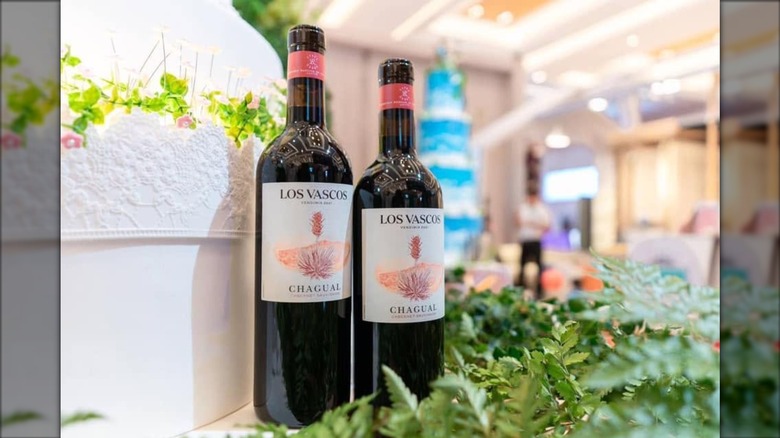
Although carmenère (another Bordeaux variety) is often associated with Chilean wine, cabernet sauvignon is actually the leading grape produced in the South American country. Here, it benefits from the warm climate to ripen fully throughout the season, yielding full-bodied wines that are richly aromatic. Viña Los Vascos has sat under the Domaines Barons de Rothschild (Lafite) umbrella, an important player in the Bordeaux wine landscape, since the late 1980s. The union of its Chilean terroir and French tradition results in high-quality wines that showcase the viticultural prowess of both countries.
The winery is located in Chile's Central Valley, a region that receives countless hours of sunlight that are balanced by cooling breezes from the Pacific Ocean on one side and the elevation of the Andes on the other. This results in a wide diurnal range — or, the difference between daytime and nighttime temperature — a feature that helps cabernet sauvignon ripen slowly. A diverse ecosystem is an important facet of the winery's philosophy, ensuring a holistic view of the environment.
Los Vascos Chagual's Organic Cabernet Sauvignon is made with fruit grown in sand and clay vineyards. The wine is aged in cement vats for freshness, allowing the grape's character to shine. It boasts notes of ripe raspberry, strawberry, cherry, blackcurrant, and herbs. Notable tannins add structure to the palate of this rich wine. Serve it with steak, burgers, sharp cheeses, or a mushroom risotto or pasta dish.
2. Penfolds Max's Cabernet Sauvignon
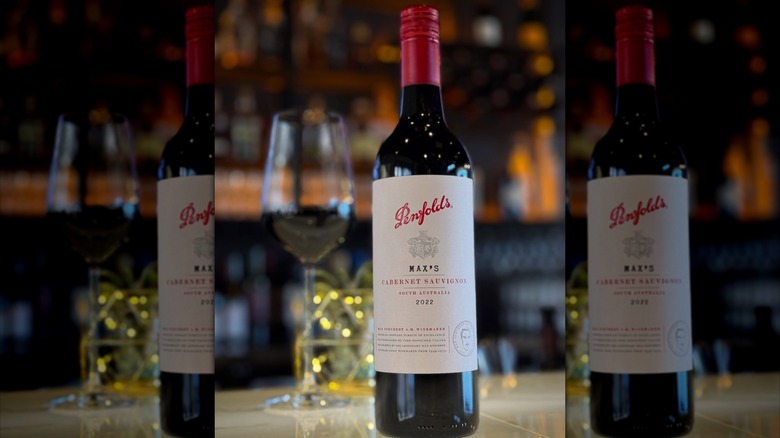
As Australia's second-most grown red grape, cabernet sauvignon comes in a range of styles Down Under. Penfolds is one of the country's most prestigious wineries, dating back to the mid-1800s. Since its beginnings, the brand has continued to evolve and innovate, keeping it at the forefront of the Australian wine industry. Thanks to fruit sourced from top-quality vineyards around the country, as well as blends made with grapes from multiple vineyards, the wines display a multifaceted character that infuses them with complexity.
Penfolds' Max's Cabernet Sauvignon is a nod to Max Schubert, who was the lead winemaker at the winery for close to three decades. The wine reflects his stylistic philosophy, and it's produced with fruit harvested from across the South Australia wine region, including the Barossa Valley and Coonawarra. In the glass, this cabernet sauvignon reveals aromas of redcurrant, cranberry, blackcurrant, and black cherry. The fruity elements are complemented by an oak influence, with notes of vanilla, cedar, and baking spice coming through. Chocolatey aromas mingle with hints of eucalyptus and mint, bringing depth to this full-bodied red. At the dinner table, this wine will stand up next to hearty stews, grilled game meat, and earthy flavors.
3. Wente Wetmore Vineyard Cabernet Sauvignon
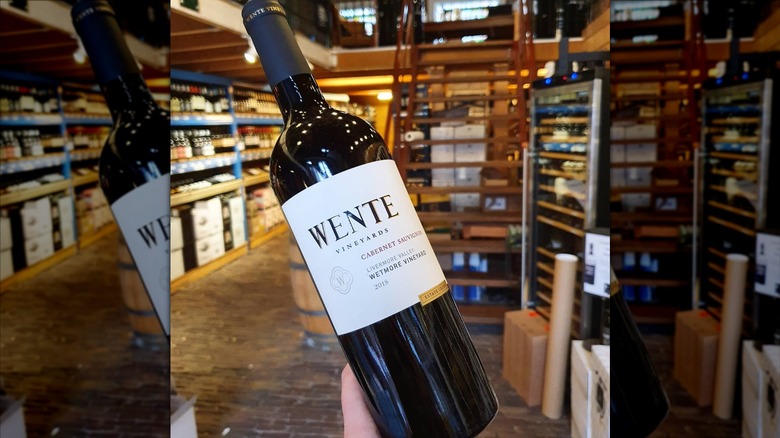
It's no secret that California is home to some excellent cabernet sauvignon wines, but there's plenty beyond Napa Valley. Wente Vineyards is the longest continuously family-owned and operated winery in the country, and it has been around since the late 1800s. Located in the Livermore Valley, it rose to fame for its chardonnay clone, but the cabernet sauvignon is nothing to scoff at. The valley's location results in foggy mornings, warm daytime temperatures, cool nights, and moderating breezes from the nearby San Francisco Bay. Cabernet vineyards are found on the hillsides, where temperatures are a bit warmer, helping it to ripen slowly throughout the growing season.
The Wetmore Vineyard Cabernet Sauvignon is made with vines that were grown from cuttings originally brought from Bordeaux, France. The wine is fermented in stainless-steel tanks, then matured in a combination of new and used French oak barrels, infusing a balanced character from the oak influence. Notes of dark fruit like blackcurrant, black cherry, plum, and cassis are prominent on the palate, along with oak and cocoa aromas. The tannins are rich and firm, giving this wine a bold presence in the glass. It's an excellent pairing for grilled meat dishes, pungent cheeses, and even a dark chocolate dessert.
4. Oberon Cabernet Sauvignon Napa County
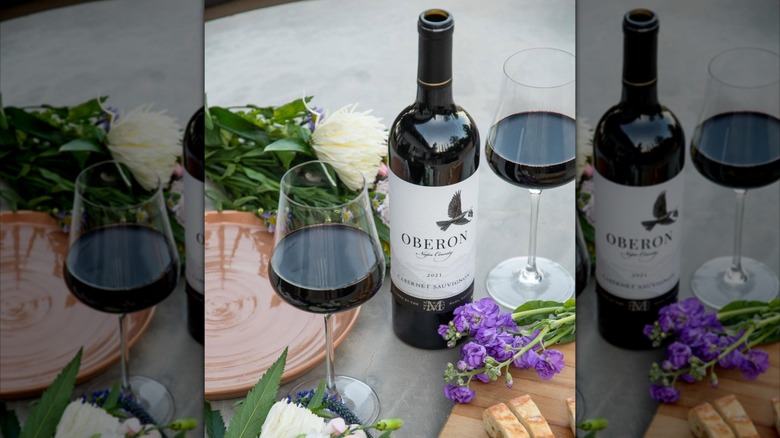
Of course, it's hard to talk about California cabernet sauvignon without touching on Napa Valley. For beginners delving into the variety, it's an important benchmark to understand New World cabernet. Oberon Wines has been producing wine in Napa Valley since 2005, with one of the region's veteran winemakers at the helm in the cellar. Tony Coltrin works with growers around Napa Valley to produce the wines, resulting in bottles that span the region and showcase its diversity thanks to a range of microclimates.
Case in point, the Oberon Cabernet Sauvignon is made with fruit grown in several regions, including Oakville, Oak Knoll, and Yountville. This leads to complexity in the wine thanks to various soil types, microclimates, and expositions. The wine is fermented in stainless-steel tanks, then matured in both new and old French oak barrels to integrate the tannin structure. Notes of black cherry, blackberry, coffee, dark chocolate, and baking spice come together in each sip. It's a hit when paired with robust grilled meat dishes, savory mushroom recipes, or a bold cheese.
5. Seven Hills Winery Walla Walla Valley Cabernet Sauvignon
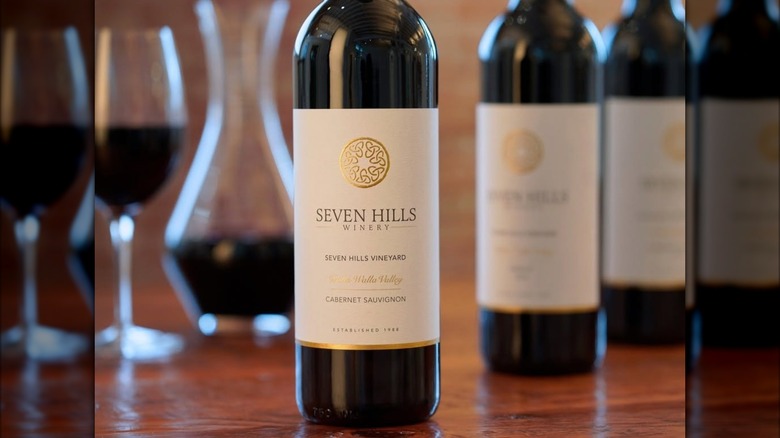
Washington state's vineyards prominently showcase high-quality cabernet sauvignon, as evidenced by Seven Hills Winery's Walla Walla Valley bottle. The winery started with a few vineyard plots planted at the start of the 1980s, eventually evolving into the business it is today. It's maintained a collaborative approach with the community, highlighting a holistic approach that promotes sustainable agriculture practices. The traditional winemaking techniques emphasize the character of the grape varieties, ensuring they are enhanced rather than obscured.
The Walla Walla Valley Cabernet Sauvignon showcases the unique Washington terroir with its favorable ripening conditions and diverse soils. The fruit is fermented in open top tanks, then matured in a combination of new French and American oak barrels. Rich aromas of black cherry, raspberry, and cassis mingle with notes of black pepper, tobacco, dark chocolate, and vanilla. Hints of cedar and baking spice from the oak influence add complexity to this bold wine. Try it with a grilled steak or a veggie burger with root vegetable fries.
6. Crios de Susana Balbo Cabernet Sauvignon
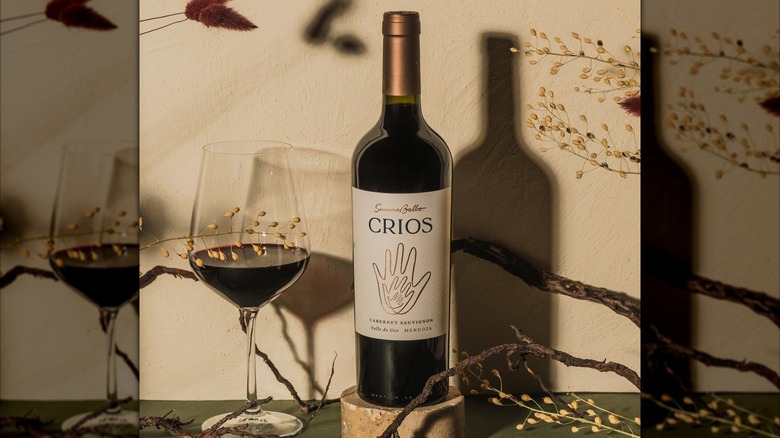
Argentina is most notably known for its malbec, but the country still produces a solid amount of cabernet sauvignon worth discovering. Not to mention, it boasts an excellent value for its quality, making it even more interesting when comparing it with pricey cabernet growing regions around the world. Susana Balbo is a family-run winery originally founded by its namesake at the end of the 20th century in the province of Mendoza. Since then, production has expanded while maintaining the core philosophy that led to the winery's success, along with sustainable practices to cement its future.
Susana Balbo's Crios line consists of high-value, fruit-driven wines that are approachable for everyday drinking. The cabernet sauvignon is made with fruit grown in high elevation vineyards in the Valle de Uco subregion of Mendoza. The wine is matured in used French oak barrels, imparting minimal aromatic influence but allowing for oxygenation. Notes of plum, currant, and mocha are complemented by hints of oak, vanilla, and baking spice. The acidity is vibrant, and the tannins are firm, bringing complexity to this fruit-forward bottle. This cabernet sauvignon makes a great match for grilled meats, chili, and burgers.
7. Ken Forrester Petit Cabernet Sauvignon Western Cape
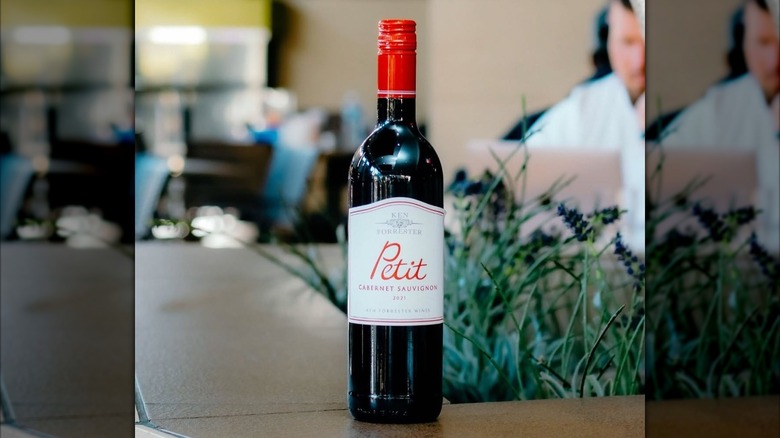
Cabernet sauvignon does well in the warm South African vineyards, many of which boast a Mediterranean climate moderated by cooling ocean breezes. The grape can ripen slowly throughout the season, developing complexity and balance. The land where Ken Forrester is now found has been home to vines since the late 1600s, highlighting the terroir as ideal for viticulture. Over the centuries, it has transformed to the estate it is today, where sustainable farming and environmentally friendly practices are championed.
The winery's Petit range focuses on high-value wines that maintain the same quality as the other lines, while being easy and approachable bottles for any occasion. The Petit Cabernet Sauvignon is made with fruit grown in the Western Cape region. It's fermented and matured in stainless-steel tanks, maintaining the fruit's pure expression and keeping it fresh on the palate. Notes of dark fruit like plum, blackcurrant, and black cherry mingle with baking spices. The smooth tannins make it a pleasant match with roast poultry, pork, and burgers.
8. Château La Freynelle Cabernet Sauvignon
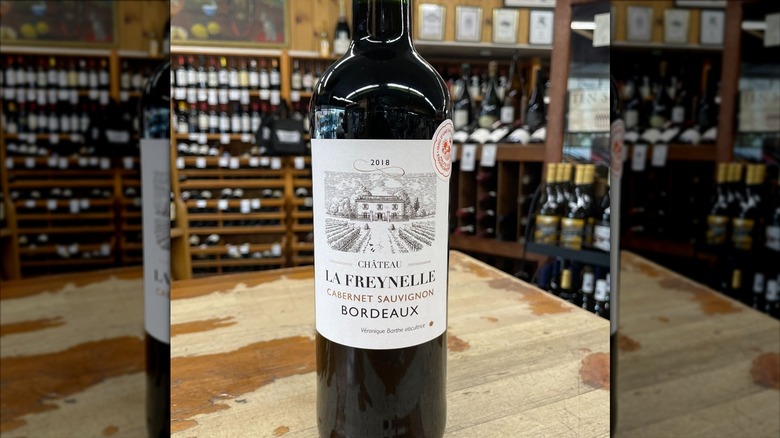
As previously mentioned, cabernet sauvignon originated in Bordeaux; so naturally, its local presence is strong. It remains dominant in the region's Left Bank, but it's regularly added to blends all over. While it classically serves as a component in a blend, a few producers make single-varietal cabernet sauvignon to showcase the grape in its full essence. Château La Freynelle is run by Véronique Barthe, who took over after several generations of the Barthe family. She continues to follow her family's traditional philosophy while incorporating innovations. The vineyards are located in the central Bordeaux area of Entre-Deux-Mers, where conditions are suitable for growing red and white varieties.
A rarity in the region, this wine is 100% cabernet sauvignon, emphasizing the grape's role as the King of Bordeaux varieties. The grapes are farmed sustainably and fermented in stainless-steel tanks, before being aged in oak for one year. During this time, certain procedures are carried out so the oak integrates well with the tannins and fruit character of the wine.
This cabernet boasts notes of red and black fruit on the palate, along with hints of cedar, baking spices, and vanilla from the oak influence. Whether served with a cheeseboard, steak, or grilled chicken, you can't go wrong with this dazzling wine.
9. Gérard Bertrand Naturae Cabernet Sauvignon
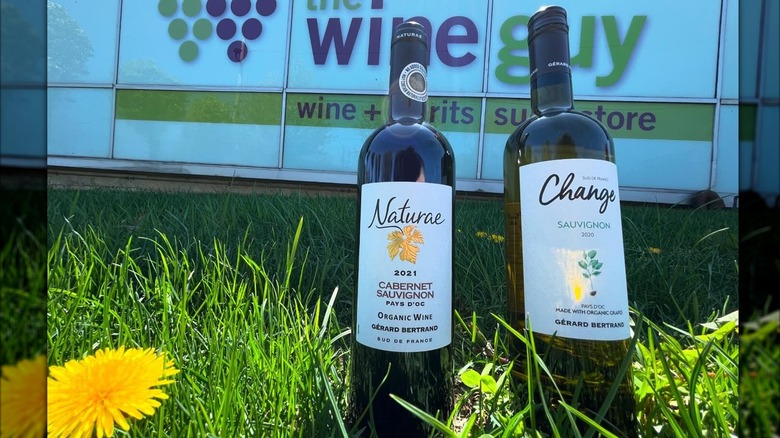
Elsewhere in France, cabernet sauvignon is commonly incorporated into wines in the southern areas beyond Bordeaux. Notably, regions with Mediterranean climates are especially fitting for the grape's long growing season. Gérard Bertrand is a key winery in Southern France, producing a wide range of wines, which stem from multiple generations of winemakers. Although the focus is on highlighting the terroir, the winery also prioritizes innovative techniques and sustainable agriculture in order to create a balanced ecosystem and promote biodiversity.
The Naturae line consists of wines made with fruit grown organically and treated following natural practices. The cabernet sauvignon is made according to traditional winemaking methods for the most part, although there are no added sulfites or additives in order to retain the purity of the fruit. Bold notes of stewed fruits like blueberry and blackcurrant are present, along with hints of toast and spice. Serve it with roast poultry, red meat, or a hearty eggplant or root vegetable stew.
10. Fattoria La Lecciaia Cabernet Sauvignon
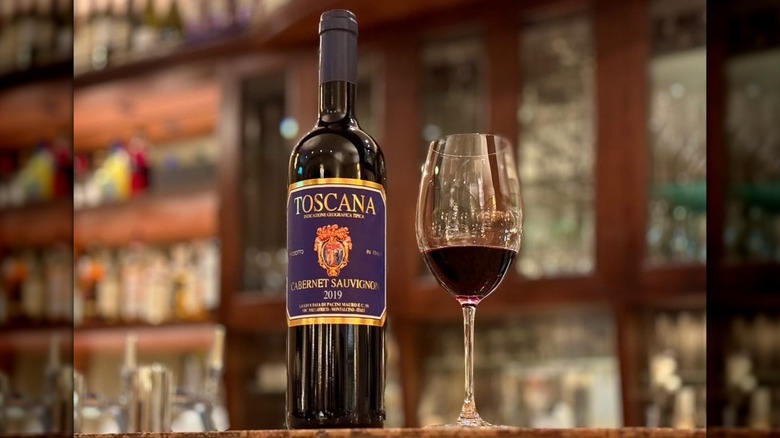
Tuscany might be particularly known for the sangiovese grape, but since Super Tuscan wines became popular in the 1970s, cabernet sauvignon has found a steady place in the local viticulture. Although Super Tuscans typically consist of a blend of sangiovese and cabernet sauvignon, among other varieties, some producers also make single-varietal cabernet. Case in point: Fattoria La Lecciaia balances local tradition with new, innovative approaches to produce wines that fully express the terroir.
Fattoria La Lecciaia's Cabernet Sauvignon is made with fruit grown near Tuscany's Montalcino subregion. The grapes are fermented in temperature-controlled tanks, before being matured in Slavonian oak casks and barriques. This cabernet sauvignon has an earthy character, complemented by notes of wild berries, blackcurrants, cherry, and dried herbs. Hints of licorice and baking spice add complexity to the medium-bodied palate, which boasts firm tannins and a lengthy finish. This wine is an excellent pairing for hearty stewed meats, game (like the local wild boar), and — of course — steak.
Methodology
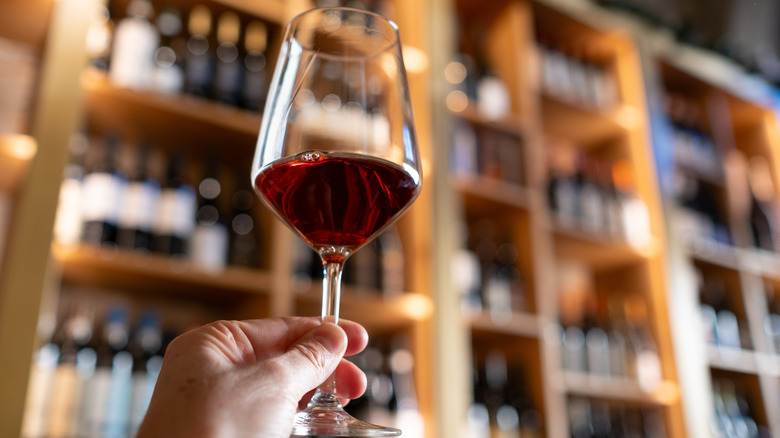
To select these wines, I considered the most important cabernet sauvignon growing regions in the world to offer a solid foundation for beginners. Although the grape is often blended with other varieties, I stuck to single-varietal bottles to fully showcase its characteristics (although they may contain minor quantities of other varieties). These wines come from an assortment of reputable producers that prioritize expressing the local terroir. I have tried the majority of these wines or others from these producers, and I feel confident that they represent cabernet sauvignon at its prime, allowing beginners to form a well-rounded view of the grape variety.