

What Makes Cabernet Sauvignon So Popular
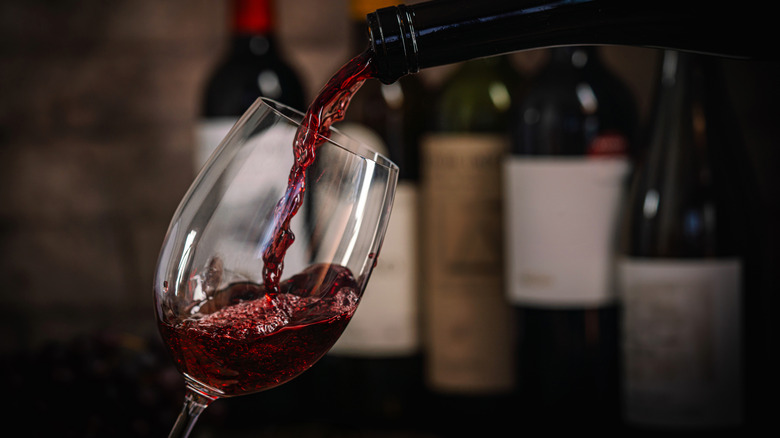
Cabernet sauvignon is the most ubiquitous type of red wine in the viticultural sphere. From Napa Valley to Bordeaux, almost all types of red wine come from the cabernet sauvignon grape species. It's the most widely-planted grape variety in the world, and there's a reason for its passionate global fanbase. It's all about the wine's ease of production and wide range of complementary food pairings.
Cabernet sauvignon is a versatile grape variety suitable for growing in major wine-producing regions all around the globe. The crop flourishes in the unique micro-climates of Argentina, Italy, Australia, Chile, Washington, and California alike. Cabernet sauvignon grapes can be grown both on the coast and inland. In a glass, they can perform on their own as a single-variety wine or blended with other grape species to create a different tasting profile. PDO French Bordeaux is such a blend, bearing protected status for its distinctive terroir. Where cool-climated Bordeaux is earthy, subdued, and tannic, the cabernet sauvignons from California's volcanic soil, Mediterranean climate, and skin-ripening sunshine tend bolder and berry-forward.
Thanks to cabernet sauvignon's naturally loose cluster structure and thick skin, this hearty, resilient crop is highly resistant to fungus and disease, withstanding the dreaded mildew and bunch rot that often befall other grapes. Its relatively compact subterranean root system also makes the crop suitable for smaller plots or dry soil. Adaptable and affordable, cabernet grapes can tolerate periods of moderate drought, intense heat, and other weather-related stressors — which makes it the darling of growers worldwide, and keeps the price tag low for buyers.
Cabernet sauvignon complements myriad food pairings
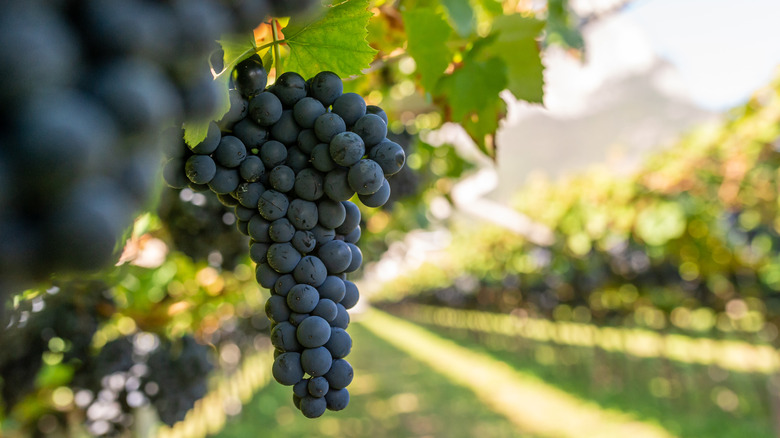
While exact profiles vary due to growing conditions and production methods, cabernet sauvignon typically features tasting notes of blackcurrant, cherry, and dark berries, followed by secondary tones of cedar, dried herbs, baking spice, and flinty minerality. This rich, complex wine offers impressive aging potential to produce sought-after vintages. Matured cabernet sauvignons develop pronounced, intense tones of vanilla, spice, and dried fruit. To serve, its expressive oak aging and firm tannic structure often benefit from some aeration via a decanter. Introducing a touch of oxygenation opens up the body, helping the palate better register all those nuanced subtones.
Arguably the quintessential red, cabernet sauvignon is a classic wine even beginners are familiar with. Cabernet sauvignon is perhaps most often enjoyed alongside a meal — and those big flavors demand more big flavors. The wine's firm tannic structure enables it to hold up alongside boldly savory dishes, while its vibrant acidity cuts through that same richness. For this reason, it's the customary pairing for red meat entrees like steak, roasted duck confit, seared lamb chops, and braised short ribs. Vegetarian? Any roasted mushroom dish will deliver impressive umami counterbalance. For a more scaled-down cocktail hour snack, cabernet sauvignon makes a fabulous pairing to dark chocolate and hard cow's milk cheeses. Nutty Parmigiano Reggiano, sweet French gruyere, or even funky Asiago would each emphasize and showcase the complex tasting notes in this timelessly elegant wine.