

The 2-Step Method For Better Frozen Vegetables
We may receive a commission on purchases made from links.
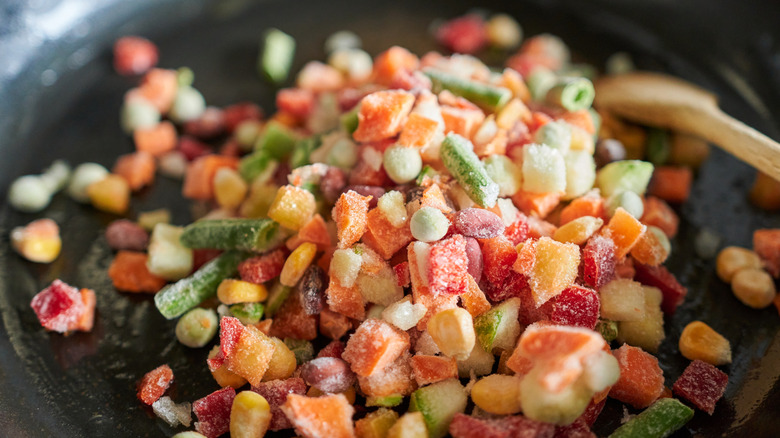
Convenient, accessibly priced, and filled with as many (if not more) nutrients as their fresh counterparts, frozen vegetables are a simple way to make the most of your meals. With a variety of different ways to prepare these ingredients, one of the most reliable is a simple two-step method. First, dry-sear the still-frozen veggies in a hot pan to let out the moisture. Second, add your choice of fats and seasonings to finish off your dish.
This simple and effective process manages to avoid the many mistakes everyone makes with frozen veggies. This includes defrosting the vegetables, overcooking them, and not seasoning them. So long as you use a large (and hot) enough pan that doesn't overcrowd, your vegetables will warm up quickly, keeping crisp on the outside and tender on the inside. Using oil, butter, or your favorite fats will accentuate the naturally great tastes of your frozen vegetables — as long as you wait to do so.
Waiting to add oil to your pan until the end will allow for the crispiest frozen vegetables. Keeping this two-step cooking method in mind will give your frozen veggies a crave-worthy consistency and flavor. Once cooked, they'll be ideal side dishes for well-rounded meals.
Tips for incorporating frozen vegetables in your meals
There are many clever ways to use frozen vegetables in your cooking. This two-step method is practical for avoiding mushy veggies and can be used with just about any style you like. For example, try using it to prepare this 365 Frozen Sweet White Corn, adding butter, oil, or even rendered bacon fat for more flavor. For an elote-inspired side dish, you could season your corn with chili powder, a splash of lime juice, and a sprinkle of queso fresco.
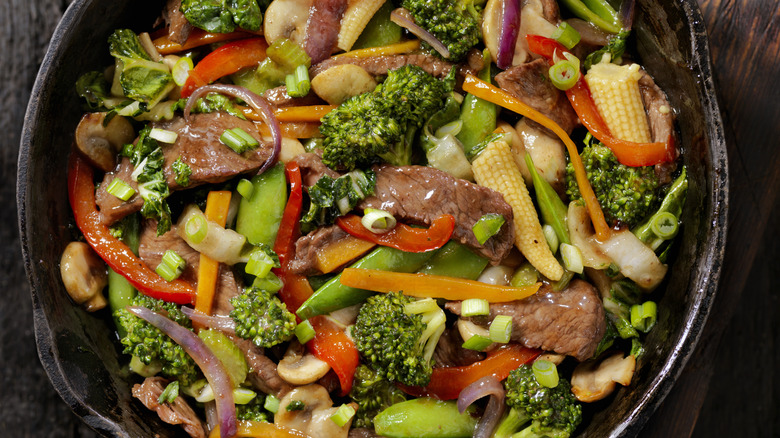
You can also cook your preferred brand of mixed vegetables for a scrumptious stir-fry. Start by using the two-step method to prepare your frozen veggies before adding a mixture of olive and sesame oil, soy sauce, and furikake seasoning. Next, toss in your cooked proteins like beef, chicken, pork, or even tofu if you want a plant-based meal.
While frozen vegetables can be seen as bland and basic, the one-two punch of dry-searing and finishing with flavorful fats takes them to the next level. This simple but effective technique gives your veggies the best texture possible, opening up a myriad of options for saucing, seasoning, and serving.