

15 Clever Ways To Use Frozen Vegetables In Your Cooking
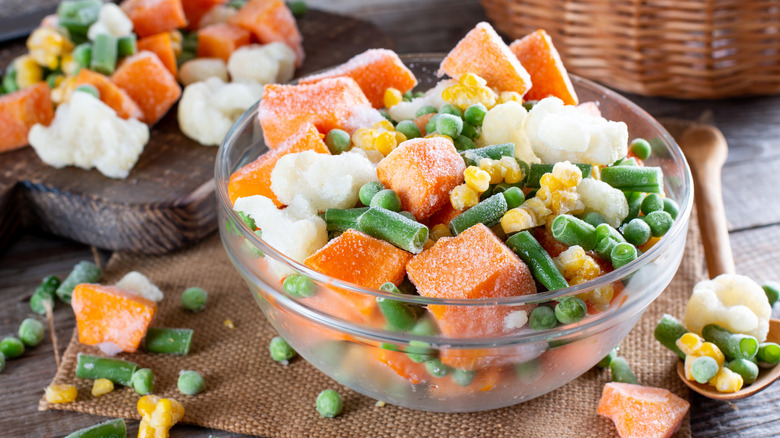
Few food products blend convenience and nutrition as well as frozen vegetables. When you're in a pinch, they offer a quick and hassle-free way to add goodness to your plate, requiring just a brief boil or steam before they're ready to enjoy. There's no need for peeling or chopping, and these veggies have generally been flash-frozen promptly after picking, which ensures their nutrient content has been preserved.
An array of vegetables are available to purchase frozen, including peas, carrots, cauliflower, butternut squash, and green beans. And, while these veggies can absolutely be cooked up as a standalone side for pairing with proteins and carbs, they also fit seamlessly into a wide variety of recipes. Whether you're whipping up a hearty stew, a quick breakfast, or even blitzing up a smoothie, frozen vegetables can inject heaps of color and flavor, all while making your meal that bit more wholesome. So, let's explore some clever ways to put these trusty freezer staples to good use.
1. Toss them into fried rice
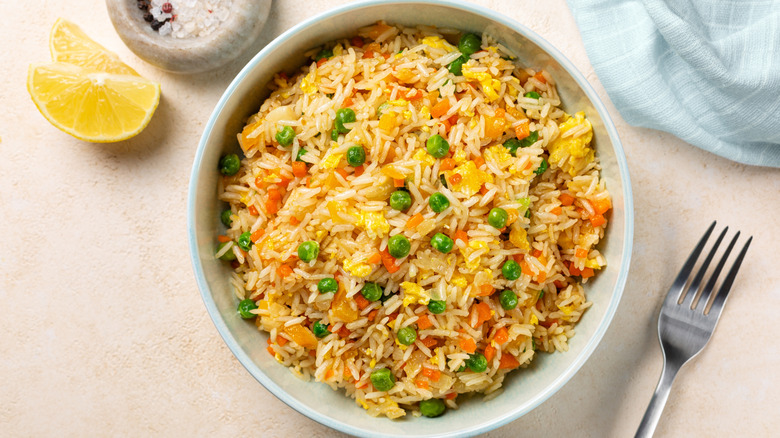
The ultimate fuss-free weeknight dinner, fried rice is an ideal dish for making the most of frozen veggies, as well as using up leftover cooked rice. In just 20 minutes, you can craft a nutritious, satisfying meal that's bursting with umami flavor.
Go for whichever vegetables take your fancy here. Peas, carrots, corn, and green beans are all popular add-ins, but broccoli, cauliflower, and sugar snap peas would all work brilliantly, too. The best approach is to first sauté the veggies with some aromatics, such as minced garlic and ginger. This will allow them to defrost whilst retaining plenty of bite, and helping to bring out their natural sweetness. Then, you can add your cooked rice and a good glug of soy sauce. Eggs will also pair beautifully with the vibrant veggies, and these can be scrambled directly in the pan while you push the other ingredients aside. And, feel free to throw in some addition proteins such as chicken, pork, or tofu.
2. Add some color to a curry
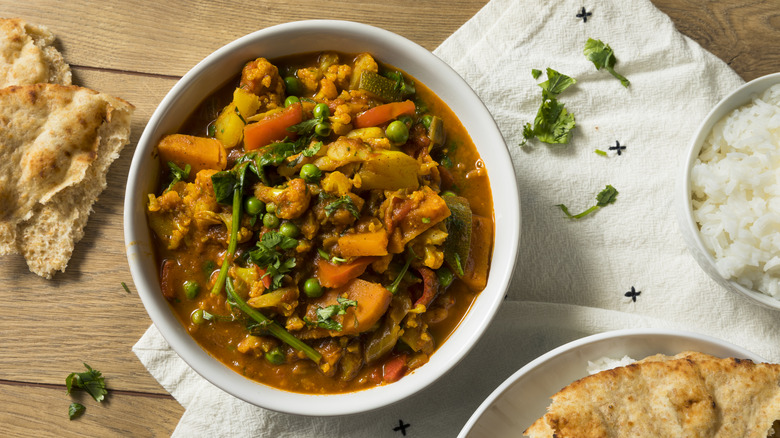
Tender, earthy-sweet veggies make a fitting accompaniment to the bold, spicy flavors of a curry. Making a veggie-based recipe from scratch doesn't have to involve endless peeling and chopping. Instead, reach for handy frozen vegetables, which can be added to the pot straight from the bag.
Using mixed frozen vegetables in your curry is always a great way to build a well-rounded flavor profile while packing in a medley of different nutrients. Or, simply mix and match individual varieties such as cauliflower, zucchini, and squash. Many curries begin with a base of sautéed onions, and you can absolutely reach for the pre-diced, frozen variety here, too. The other veggies can then be added alongside the warming spices such as cumin, turmeric, and ground coriander, plus the liquid ingredients like coconut milk and canned tomatoes. Leave everything to simmer, and after five minutes or so, the veg will have softened up beautifully, and soaked up heaps of flavor from the rich, aromatic sauce.
While they can hold their own as the star ingredient, frozen veg can also be paired with meat, fish, or other protein sources in a homemade curry. We highly recommend serving up your spicy creation with some fluffy basmati rice and warm naan bread.
3. Stir them into soups and stews
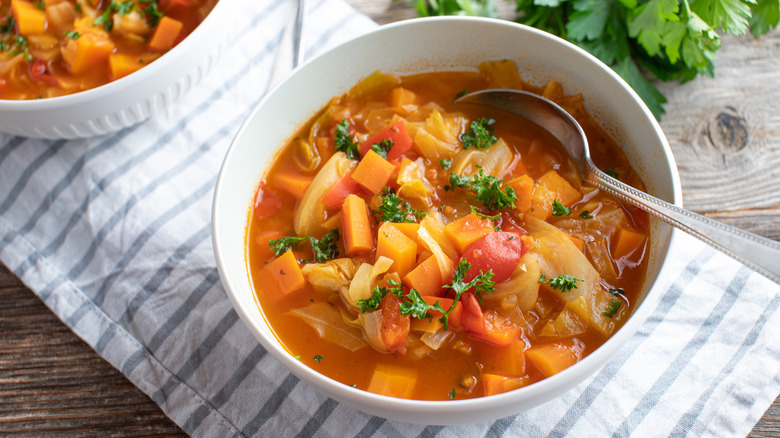
Frozen veggies will truly shine in a comforting homemade soup, being a delicious, cost-effective and nutrient-rich option that also significantly simplifies the prep process. They also become especially useful when their fresh counterparts are out of season. Since frozen vegetable are typically picked at peak ripeness before freezing, they'll likely be more flavorful than fresh alternatives that have been harvested outside of their peak, or left to sit for extended periods during transport. So, reaching for the frozen variety is a great way to ensure your vegetable soup is packed with sweet and earthy flavors.
To craft a simple, wholesome soup that embraces convenience of frozen veg, start by sautéing minced garlic until fragrant, then tossing in your veggie selection. A classic blend with carrots, corn, and peas is ideal. You could also combine this with an Italian-style medley with zucchini, bell peppers, and lima beans for a little more variety. Top up the pot with broth and add any herbs and spices of your choice, then let everything simmer until the vegetables are tender — around 25 minutes.
4. Whip up a nutritious casserole
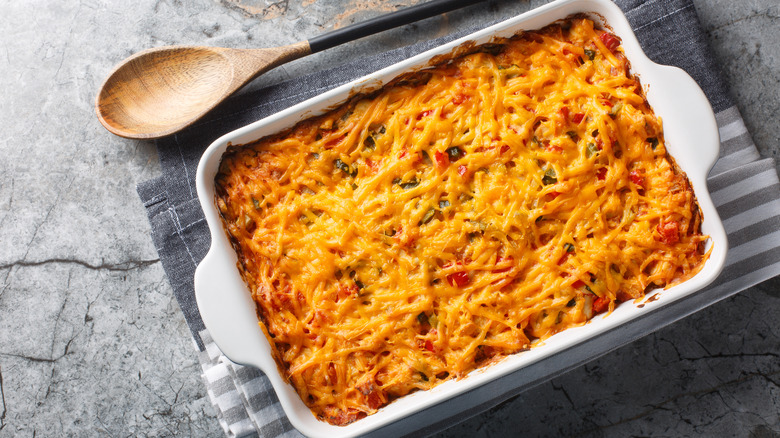
To transform frozen veggies into an ultra-comforting, family-friendly meal, try incorporating them into a casserole. Paired with creamy, cheesy ingredients, the natural sweetness of the vegetables shines, and cooking them in this way is sure to have even the pickiest of eaters asking for seconds.
One undeniably delicious approach is to mix frozen veggies (such as broccoli, cauliflower, corn, and carrots) with cream of mushroom soup, sour cream, and seasonings, then top everything with shredded cheese in a casserole dish. Once baked, the vegetables will be loaded with rich, savory flavor, with the cheesy topping becoming delightfully gooey and golden. If desired, you could also enhance your veggie casserole with a crispy topping, in the form of buttery panko breadcrumbs or crushed Ritz crackers.
Additionally, when making a classic green bean casserole, frozen beans can actually be a more effective option than canned beans. When canned, the beans have already undergone a significant amount of cooking, so tend to be mushier, while the briefly blanched frozen beans hold their shape far better and give your creamy casserole more bite.
5. Blend them into pasta sauce
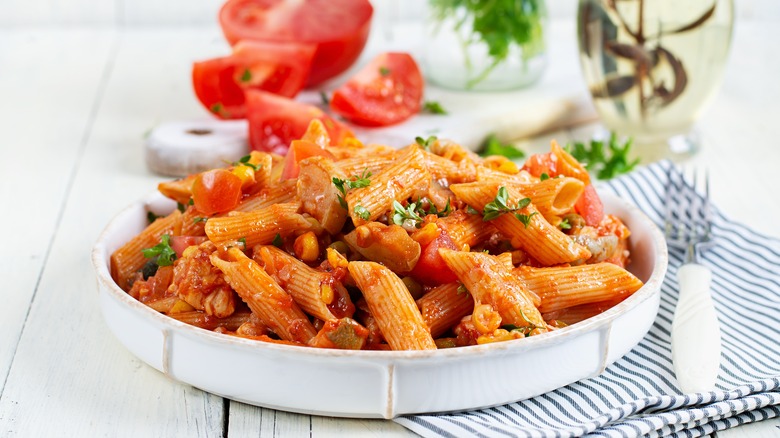
Sure, there are plenty of premade pasta sauces at the store, but making one from scratch offers far more opportunity for customization. And, frozen vegetables make a fitting base for a homemade sauce. This method keeps things hassle-free, resulting in a healthy, flavorful sauce that's free of unwanted additives.
A brilliant way to maximize the flavor of frozen veggies is roasting them in the oven. Choose your selection, and spread the veg out on a baking sheet. Bell peppers and carrots bring plenty of color and natural sweetness, while celery adds an earthy boost, and onions amp up the aromatic goodness. Toss the veg with some olive oil, salt, and pepper, then bake everything until tender and starting to brown. To turn them into a sauce, simply blitz the vegetables up in a blender with some canned tomatoes and complementary seasonings. Basil, oregano, and garlic powder would all work wonderfully, and a splash of balsamic vinegar is great for adding a hint of tang.
6. Jazz up an omelet

An omelet makes for an easy, protein-packed lunch, and when it comes to choosing your savory add-ins, there's plenty of room for creativity. Fresh, diced veggies such as onions, bell peppers, and mushrooms are popular choices for jazzing up the fluffy egg base, but that bag of veggies sitting at the back of your freezer can help you create something just as tasty.
It's best to choose vegetables that come diced into fairly small pieces to ensure even distribution throughout the omelet. Countless varieties will complement the egg brilliantly, including broccoli, asparagus, carrots, zucchini, and cauliflower. And, you can totally combine these with ham, bacon, or shredded chicken. Step one is sautéing your chosen veggies in oil or butter, then setting them aside while you cook the beaten eggs. Once the omelet base is almost cooked through, scatter the cooked vegetables plus any extra add-ins onto one side of it. A sprinkling of cheddar cheese is always a great idea, too. Then, fold the omelet in half, slide it onto a plate, and it's ready to enjoy.
7. Mix them into mashed potatoes
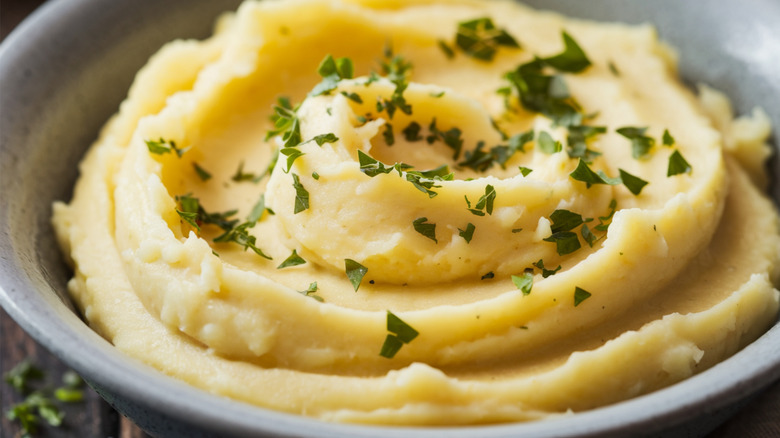
What could be better than a bowlful of creamy mashed potatoes? One that features extra veggies, of course. Okay, this might be a slightly divisive approach, but hear us out, because mixing vegetables into mash is an amazing way to add color, texture, and extra goodness to this beloved side dish. Plus, opt for frozen veg, and there's no extra chopping required.
Veggie-packed mashed potatoes are actually a popular side dish in Eastern Africa. To whip up a traditional "Irio", white or sweet potatoes are mashed with butter, spices, and a medley of nutritious extras like peas, corn, carrots, and spinach. Making this with frozen veg is a breeze. Just set the vegetables out to thaw a little while you boil the potatoes. Then, after you've drained them, dump the potatoes right on top of the veg, which will finish thawing as you mash everything up. The Irio can be left chunky or mashed more thoroughly for a smoother finish. It's incredible served alongside hearty stews or grilled meats and fish.
8. Add them to a pot pie filling
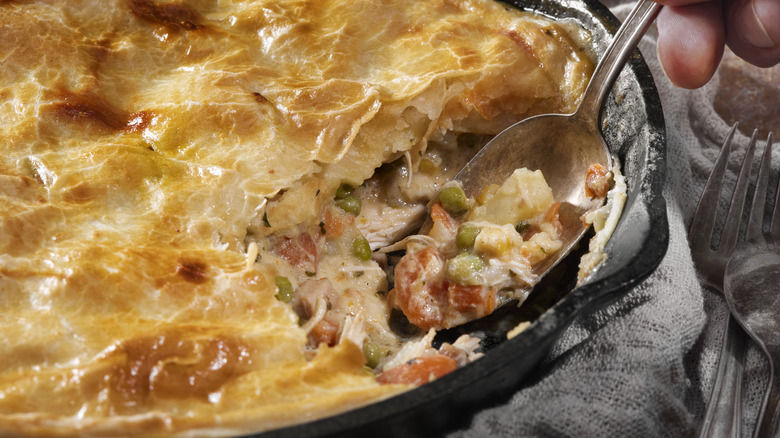
Cozy and crowd-pleasing pot pies are much-loved for their rich, savory fillings and crisp, flaky tops. Whether made with beef, chicken, seafood, or vegetables, it's a dish that's sure to bring the comforting vibes, and there's a way to make the prep delightfully simple. When choosing veggies for your pie, don't hesitate to reach for the frozen variety. This will save you time without sacrificing on flavor or texture, so this approach is really a no-brainer.
Onions will fit seamlessly into just about any savory pie, while mushrooms and carrots are fantastic with chicken or beef, and peas, corn, and asparagus complement fish especially well. To build your filling mixture, start by sautéing the vegetables in a pan until thawed, ensuring any excess water has evaporated. If you're adding another protein source, sauté this separately before combining it with the veg. Now you can create that creamy sauce, by sprinkling over some flour, and stirring in broth, cream, and herbs. A splash of wine can also add a touch of sophistication, and melting in a handful of shredded cheese is the perfect way to boost the sauce's richness. Then, all that's left to do is spoon everything into your prepared pie dish, top it with more pastry, and bake your veggie-packed creation until flaky and golden.
9. Craft a veggie-packed grain bowl
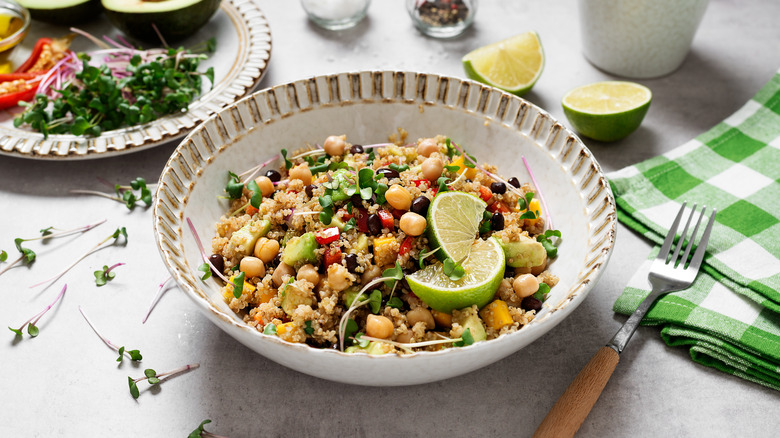
When it comes to consuming a healthy diet, diversity is key, and tucking into a hearty grain bowl is a delicious way to nourish yourself with a variety of nutrients. There are endless ingredient combinations to consider here, but something we don't see enough in grain bowl recipes is the use of frozen veggies. However, with their nutrient-rich, flavorful, and pre-prepared nature, there's every reason to throw these trusty freezer staples into the mix.
Products like frozen butternut squash and sweet potato make for a satisfying addition to fluffy grains like brown rice, quinoa, and barley. Mixed Mediterranean veggies such as eggplant, zucchini, tomatoes, and bell peppers will add tons of natural sweetness, too. Focus of incorporating an array of colors, for maximum visual appeal and a well-rounded flavor profile. To prep the vegetables, just toss them with oil, salt, and pepper on a baking sheet, and roast them until just starting to char. Layer the tender veg atop the warm grains, and continue customizing your bowl with extra proteins dressings or sauces as desired.
10. Blitz them into smoothies
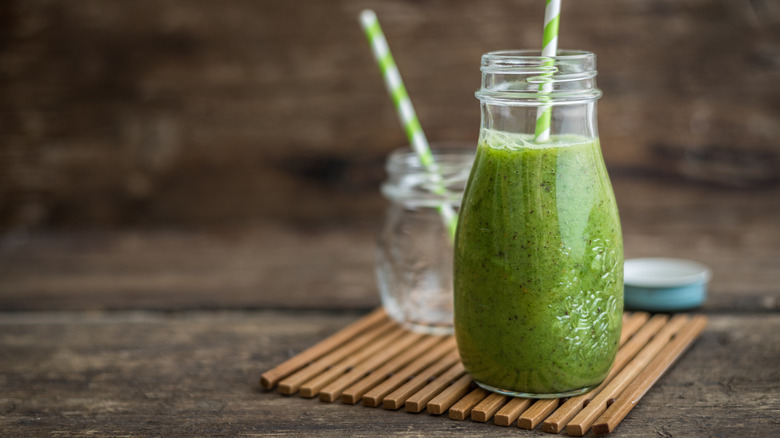
Soups and sauces aren't the only dishes you can blend vegetables into. Many veg varieties are also ideal smoothie additions, and using frozen versions helps to keep your smoothie perfectly chilled whilst thickening things up, too.
Not all vegetables are suitable for blending, since some will yield an unwanted pulpy consistency, and others will simply leave your drink tasting downright strange. Avoid particularly pungent varieties like onions and cabbage, and reach for vegetables with milder, sweeter flavor profiles and naturally tender textures. Frozen leafy greens such as kale and spinach make excellent, vitamin-rich smoothie additions. Try blitzing these up with fresh or frozen pineapple, banana, and coconut milk, to create a refreshing, tropical-inspired drink with a gorgeous green hue.
Being packed with natural sweetness, frozen peas are also a top-pick. These will shine when added to a fruity base with some refreshing mint leaves and a good glug of your favorite milk. You can even blend frozen cauliflower into smoothies, to add thickness and nutrients without dramatically altering the taste of the drink. This veggie works particularly well with almond milk, cherries, bananas, and a dash of cocoa powder.
11. Add them to a quiche mixture
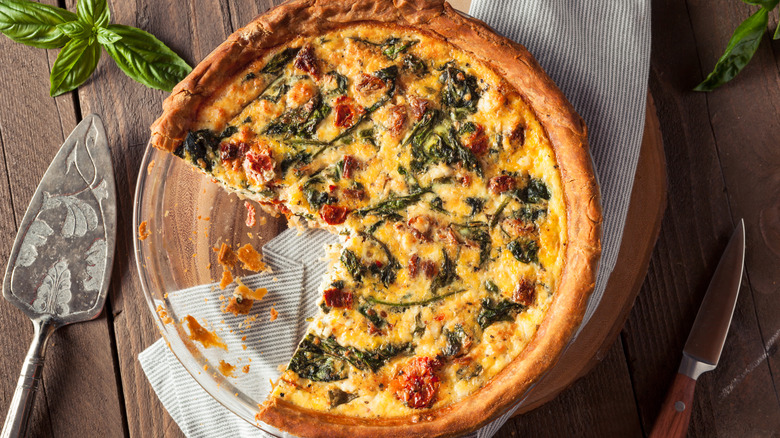
Giving a homemade quiche the frozen veggie treatment is wonderfully easy and effective. With multiple elements to prepare, every minute of prep time saved is a win here, and using frozen veg will allow you to go all out with a diverse medley of healthy add-ins, without the fuss.
First up, you'll partially bake the quiche crust while boiling or sautéing the frozen veggies. Go for whatever takes your fancy or complements other proteins you might be adding. Mushrooms, tomatoes, spinach, and bell peppers are all delicious options. Next comes the rich filling, typically made by whisking eggs with cream or milk. Sprinkle a layer of shredded cheddar cheese into the crust, arrange the veg on top, then pour over the egg mixture. Finish with a final scattering of cheese and bake everything until set.
To create a lighter, gluten-free quiche, feel free to keep things crustless. Just stir the cooked frozen veg and cheese into the egg mixture and bake everything directly in your pie dish instead.
12. Bake them into savory muffins

As well as being super easy to bake, savory muffins can serve as a satisfying, portable breakfast or snack on busy days. This is another recipe that's very much open to interpretation, but packing in some vibrant frozen veggies is highly recommended.
A savory muffin batter isn't all that dissimilar from that of a traditional sweet version, featuring flour, baking powder, milk, eggs, and oil. But, rather than adding sugar and fruit, you'll enhance the mixture with some punchy seasonings and rich cheese, such as shredded cheddar or crumbled feta. Herbs like parsley, basil, chives, or dill will enhance the flavor no end, as will a good sprinkling of garlic powder or onion powder. Now you can fold through those all-important frozen vegetables. Go for carrots, peas, corn, bell peppers, spinach, or whatever you have on hand in your freezer. You can always pair these with ham or bacon, too. Bake the prepared batter in muffin cases until risen and golden, and you'll soon have a batch of gloriously cheesy, veggie-studded muffins that are bursting with goodness in every bite.
13. Use them to top homemade pizzas

There's something ultra-satisfying about assembling a pizza from scratch. A classic crusty cheese and tomato base provides the perfect canvas for adorning with all of your favorite toppings, and if veggies are your go-to, you should absolutely consider opting for something frozen.
Pre-diced frozen veggies are often just the right size for adding to a pizza, being easy to distribute evenly across the cheesy surface. This is a great opportunity to experiment with different combinations, such a spinach and artichoke, mushroom and pepper, or red onion and sweet potato. Just make sure to give the veg a quick sauté or bake in the oven before adding it to your pizza, otherwise it may release too much moisture during cooking and leave your crust soggy.
Various proteins will taste great alongside the vegetable medley, too. Try adding some ground beef, sausage, ham, or shredded chicken to your veg-topped pizza before popping everything into the oven until the crust is puffy and golden.
14. Give mac and cheese a healthier twist
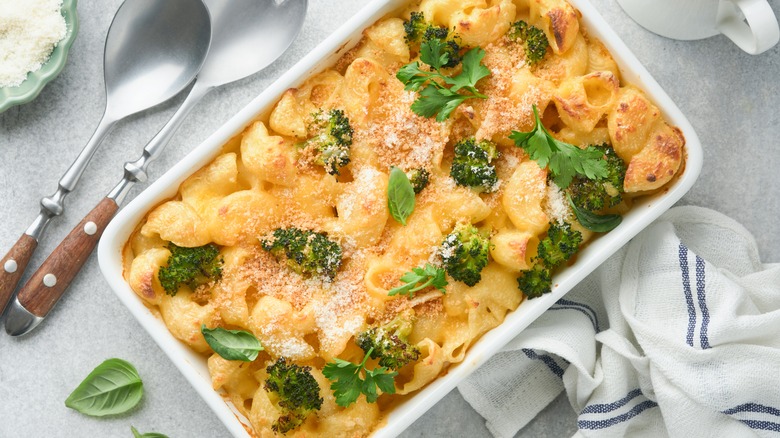
Frozen vegetables can also help you to upgrade a classic mac and cheese. Here, they'll add a welcomed dose of vitamins and minerals, turning this comforting dish into more of a complete meal.
You could keep things simple with a single variety, such as broccoli, spinach, or peas, or go all out with a colorful array of frozen goodies. Cauliflower, bell peppers, and butternut squash are also up there as some of our top picks, but you can be as creative as you'd like. Most veggies will need steaming or boiling as per the instructions on the packaging before you add them to the mac. Or, for quick-cooking varieties like peas and corn, just toss them into the sauce from frozen.
With your pasta cooked to al dente perfection and the creamy cheese sauce ready to go, it's a simple case of combining these elements with the veg. There's also the option to oven-bake the mixture with a breadcrumb topping if you're after a crispier finish.
15. Stir them into risotto
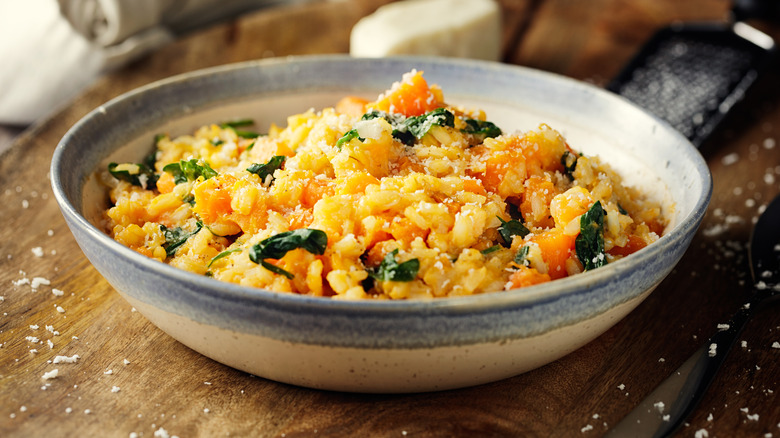
An elegant, creamy risotto is pretty irresistible as it is, but this dish becomes even more appealing when enhanced with some vibrant vegetables. These can be cooked directly in the broth, so adding them won't complicate things at all, and these nutritious morsels will level up both the visual appeal and taste of your risotto.
When crafting a risotto, onions are always a good place to start, and you can totally use pre-diced frozen ones to save time. Once these have softened up nicely, you'll add the risotto rice, perhaps following with a splash of white wine, before gradually adding broth while stirring constantly. The frozen vegetables can be added along with the last portion of broth, with everything stirred until the rice and veg are tender. We love incorporating a selection of greens such as peas, zucchini, spinach, and asparagus, but sweet, earthy vegetables like butternut squash and carrots are also ideal.
No risotto is complete without a generous scattering of cheese, which will complement the veg beautifully. So, before you serve it up, try stirring some grated Parmesan into the hot risotto, along with a pat of butter and some fresh herbs.