

10 Foods Pioneers Cooked And Ate On The Oregon Trail
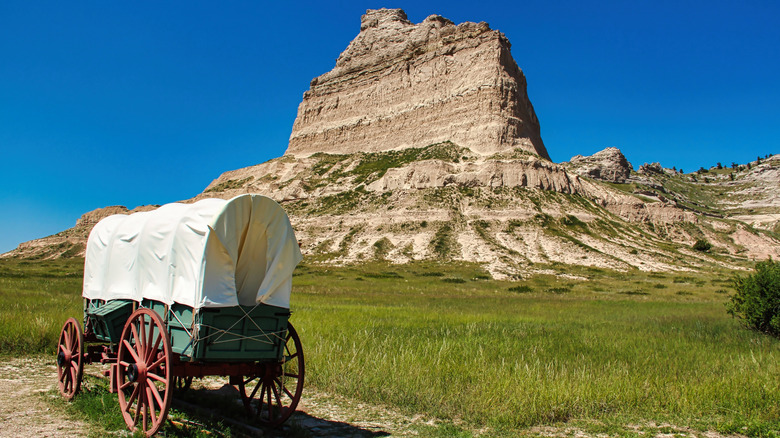
If you want to travel across the country, you have options — you can just hop into the car, head to the train station, or take the bus. Easy. But back in the mid-19th century, when none of these choices were available, you had to load up a wagon, and walk ... for months. Not so easy. Still, many people attempted the journey, in the name of westward expansion.
From the 1840s to tehe late 1860s, around 400,000 people walked the Oregon Trail, which began in Independence, Missouri and ended in Oregon City, Oregon, from the 1840s to the late 1860s, in search of a new life in the West. Getting to the end of the trail was treacherous and grueling, and packing the right things, including plenty of food, was essential.
Here, we take a closer look at some of the types of foods pioneers cooked and ate for survival on the Oregon Trail. With the help of experts at the Oregon Trail Center, as well as online research and some vintage guides for emigrants, we take a look at everything from sourdough starters to buffalo stew to pork, bacon — and more bacon.
Bread
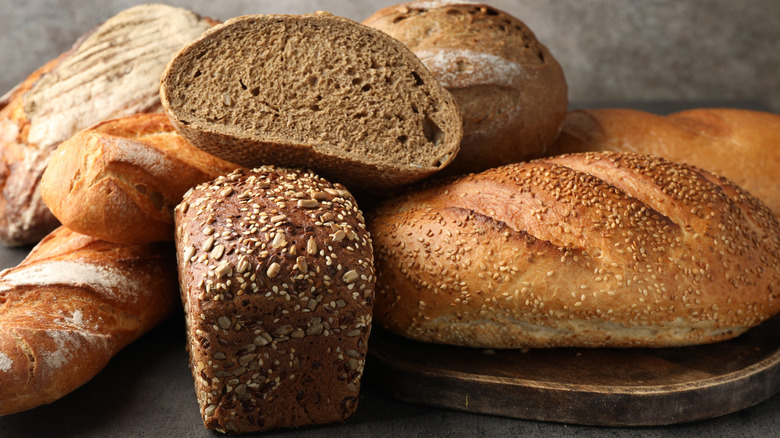
Bread has sustained people all over the world for a seriously long time. In fact, one of the oldest known recipes dates back to a Natufian settlement in the Levant more than 14,000 years ago. It makes sense that humans have always relied on this simple food source; it consists of basic ingredients (flour, water, salt, and yeast), it's easy to make, and it's filling. For many people heading West on the Oregon Trail, bread was a no-brainer.
As anyone who has ever spotted suspicious spots of green on week-old bread knows, this food has many attributes, but a long-life is not one of them. So, the experts of the Oregon Trail Center explained to us that people on the Oregon Trail had to make bread as they traveled. They packed ingredients like flour and cornmeal, and at each stop, they would bake bread in cast-iron Dutch ovens, buried in hot coals.
Some travelers carried treasured sourdough starters with them on the trail, and at least one of them is still going. Yes, seriously: the 1847 Oregon Trail Sourdough Starter is even TikTok-famous now. The late Carl Griffiths, who died in 2000, inherited the starter as a family heirloom, and he believed that his great grandmother was responsible for the original recipe, made with wild yeast in Burns, Missouri. Since Griffiths' death, sourdough fans have purchased more than 100,000 portions of the historic starter, which doesn't seem to have declined in quality yet. "This starter is amazing. Like magic," wrote one redditor.
Pinto beans
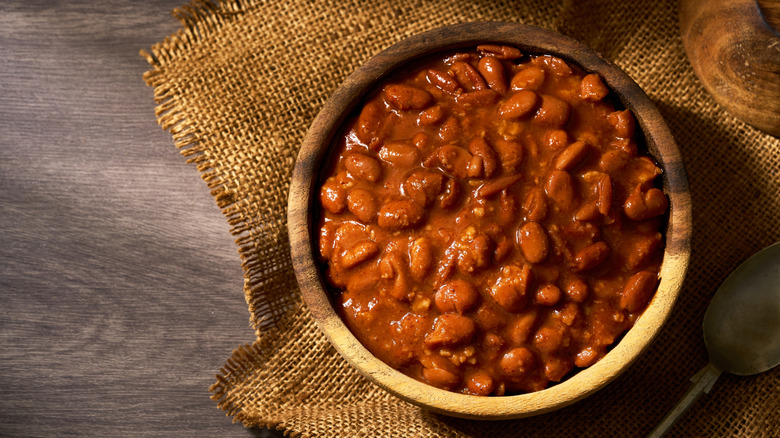
To survive to the end of the Oregon Trail, good sustenance was essential. So, when pioneers did make it to the end of each exhausting day, they would sit around a campfire (made with brush, wood, or even dried buffalo poop, per the Oregon Trail Center) and cook meals like simmered pinto beans with bacon and salt pork, or simply, beans and rice.
Dried pinto beans were, arguably, the perfect pioneer food. They were long-lasting, easy to cook, and easy to transport (Dutch ovens often doubled as bean containers while people traveled along the trail). As they are today, pinto beans were also a good source of nutrition; their impressive fiber and protein content would have been vital for weary travelers.
Similar to the sourdough, the legacy of some of those Oregon Trail pinto beans lives on. In fact, the Seed Savers Exchange, an Iowa organization dedicated to preserving heirloom plants in the U.S., houses the descendants of Pioneer Pinto bean, which arrived in Oregon in the 1880s after a long journey on the trail with the Borresen family.
Salt pork
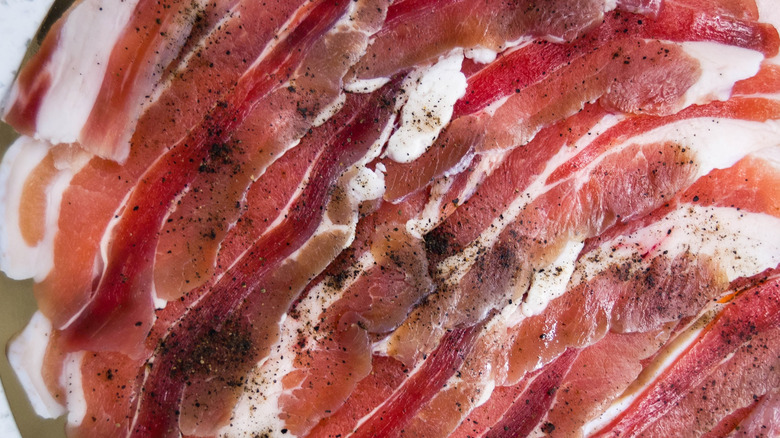
Pioneers would set off from Independence with a wagon full of only the most useful supplies. Water and flour, of course, but also gunpowder, sugar, ground corn, and 25-pound bags of salt pork.
Similar to bacon, salt pork is basically pork belly that has been cured in a salt brine. The fat from the belly is essential, because it helps to soak in the salt, and in turn, that salt helps the pork to last for months on end. Considering the average journey on the Oregon Trail would last around four to five months, it makes sense that salt pork was considered a necessity.
Some would combine salt pork with fried sour apples, but as we mentioned earlier, experts from the Oregon Trail Center told us that many pioneers would often combine salt pork with pinto beans. Everything would be simmered together in a pot for hours until soft and creamy, before being mixed with other ingredients like molasses or bacon.
Bacon
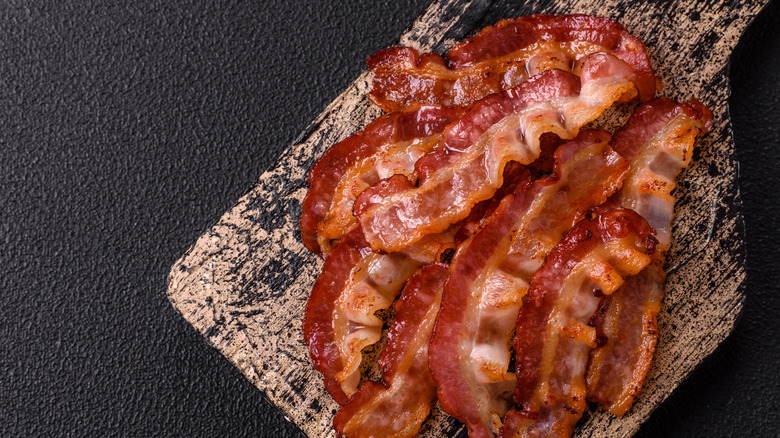
Meals on the trail were pretty pork-heavy. Like salt pork, bacon (which was also liberally salted and smoked, according to the Oregon Trail Center) could last for months, so it was also seen as a necessary staple to pack up the wagon with. In fact, some packing lists indicate that pioneers would take up to 75 pounds of bacon for each person in their group, while others took 100 pounds per person for the journey.
The high quantities make sense when you consider that bacon was an incredibly versatile ingredient. You could pair it with pinto beans, and then use the remaining grease in the pan to replace the butter in biscuits or fry up cornmeal mush. It's also high in protein, providing necessary fuel for the hours on end pioneers spent hauling themselves further up the trail.
And remember: Most of the early pioneers who ventured out on the Oregon Trail were farmers. Many also brought their own pigs, so they could top up valuable bacon supplies when they ran low, and chickens, so they could have classic, campfire-cooked eggs and bacon for breakfast.
Game meat
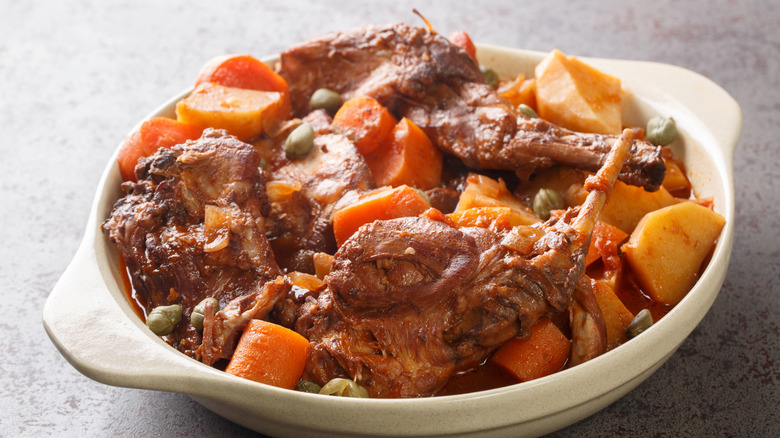
Pioneers packed long-lasting stable ingredients, but many would also try to consume fresh food when they could, too, to try and add a little bit more variety into their diets. One way they did this was by hunting game along the way.
Experts from the Oregon Trail Center told us that, when the opportunity presented itself, men would hunt animals like buffalo, antelope, rabbits, and prairie hens. Indeed, in a surviving journal entry, a 19-year-old pioneer named Ahio Scott Watt, who migrated with his parents to Oregon in 1848, recalls eating buffalo stew cooked by the women of his camp. He admits there wasn't much in the way of vegetables in the stew, but there was a decent amount of buffalo hump chunks and foraged wild onions.
As well as wild onions, pioneers would also forage for berries and other wild fruits like plums and pawpaw on the trail. And some would even hunt animals like snakes, wild cats, boars, and badgers for their meat. Basically, nothing was off limits. Unfortunately, eating meat on the trail wasn't always safe, though. Some fell victim to "the summer complaint," which, at the time, was thought to be linked to heat and digestion. In reality, it was probably food poisoning from consuming meat that had spoiled in the heat.
Cornmeal mush
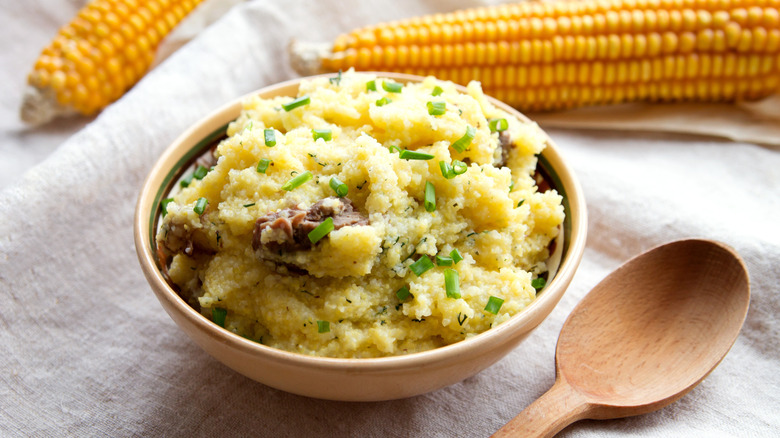
Many pioneers would combine their simple breakfast of bacon and eggs with campfire staple cornmeal mush, which is exactly what it sounds like: mushy cornmeal. Okay, to be more descriptive, it's actually water, cornmeal, and salt mixed together to make a porridge-like dish. The name isn't all that appetizing, but cornmeal mush apparently tastes better than it sounds. In fact, many people still enjoy cornmeal mush today. In North Carolina, it's still often combined with pig's liver to make livermush.
On the Oregon trail, cornmeal mush would have been eaten frequently because cornmeal was cheap and easy to store. In fact, some packing lists indicate that pioneers would have taken around half a bushel of cornmeal in the wagon for every person in their group. While some people would have stuck to classic, plain cornmeal mush or combined it with bacon and eggs, others might have gotten a little experimental, combining it with native fruits and berries that they had foraged on the trail.
Johnnycakes
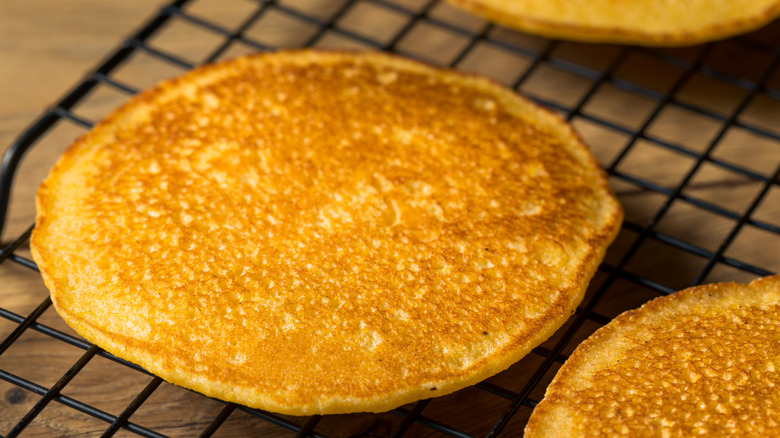
Those who didn't fancy cornmeal mush in the morning could opt for Johnnycakes, or, as they were often called by pioneers back then, Indian corn cakes. Per a recipe published in Josiah T Marshall's "The Farmers and Emigrants Complete Guide" in 1847, a book designed to be the ultimate guide for pioneers heading West, these cakes were often eaten in place of bread. They were made with a simple mix of cornmeal, molasses, salt, shortening, and water, which would be mixed together and fried over the campfire in a greased pan. According to the Oregon Trail Center, the grease in question would most likely come from all of that bacon they had on hand.
Those who were fortunate enough to have a few, fancier ingredients with them could also add in cinnamon or ginger and sour milk for some extra flavor. However, for the most part, Johnnycakes would be plain, and accompanied by simple ingredients like bacon or beans. And, sorry, but if you're wondering why, exactly, they're called Johnnycakes, we don't have a straight answer for you, as there are a few different theories floating around. That said, most seem to believe "Johnny" comes from a simple mispronunciation of "journey."
Biscuits

Before setting off on the long, arduous journey along the Oregon Trail, pioneers ensured they had plenty of flour to keep them going. In fact, some packing lists reveal that families would take one 200 pound sack of flour per person. Making sure there was plenty of flour was essential, not just because it could be used to make bread, but also because it was versatile, and could be used to make various baked goods, including biscuits.
According to the Oregon Trail Center, freshly baked biscuits were a common dinner choice on the trail. They would usually be made with lard or bacon grease over butter, although the latter was available to some. In fact, some women used to leave buckets of cream for butter in the wagon, which would actually churn itself while bumping and bouncing around over the course of the day.
In "The Farmers and Emigrants Complete Guide," Marshall advises pioneer families that biscuits are a good choice for breakfast or supper, as the dough can be easily stretched even with minimal amounts of lard or butter. He also offers a recipe for a campfire-baked "quick" biscuit, made with sour cream, with salt, flour, and saleratus. The latter, another wagon staple, was a leavening agent, kind of like an early edition of baking soda.
Dried fruit and vegetables
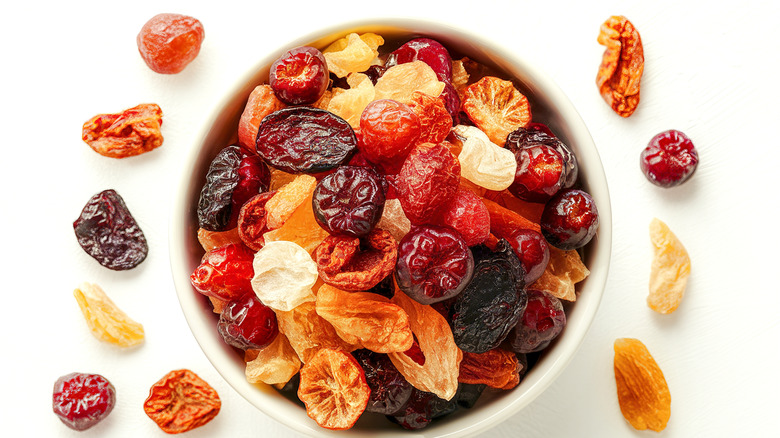
Pioneers didn't have much time during the day on the Oregon Trail. They needed to cover as much ground as possible during daylight, and so, per the Oregon Trail Center, many wouldn't stop to eat lunch and refuel. Instead, they would rely on snacks to keep them going, like dried fruit. In fact, some packing lists suggest that wagons were loaded with up to two bushels of dried fruit per person. Dried apples were particularly common, but people would also take dried apricots and prunes, too. As well as eating them as snacks, some would add dried fruit to their breakfast for a little more flavor.
Often, pioneers would dry their own fruit before heading out West, and some dried their own vegetables, too. In his 1859 book "The Prairie Traveler," army officer and explorer Randolph B Marcy offers advice to people heading West to Oregon or California, and one of his top tips is staying stocked up with dried vegetables. In fact, he even states, "I regard these compressed vegetables as the best preparation for prairie traveling that has yet been discovered."
Coffee
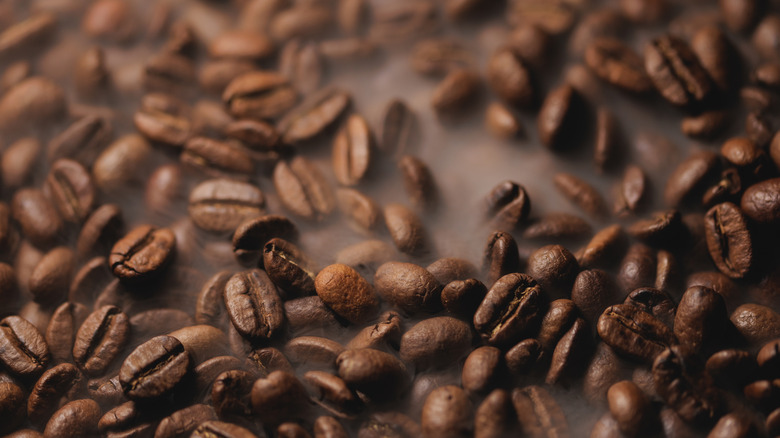
Just like it is to millions of Americans today, coffee was important to pioneers. Not only did it offer an energizing caffeine boost, but it was also probably comforting and familiar, too. Some loaded up wagons with around 10 pounds of coffee beans per person, while others (namely those who didn't want to risk facing a hard day on the trail without any coffee) packed up to 15 pounds for each traveler.
Preparing the coffee was usually a job for the women, who would roast green coffee beans in a skillet, before grinding them down and then brewing them over the campfire. This simple ritual wasn't just a comfort, but it might have helped people actually survive to the end of the trail. By boiling the water for the coffee, the women were actually helping to kill off any bacteria that might have been lurking in it. Cold water was often unsafe on the trail, even when it was taken from fresh-looking springs or rivers, and many people died from cholera after drinking it.