

The Campfire Meals That Built The American West
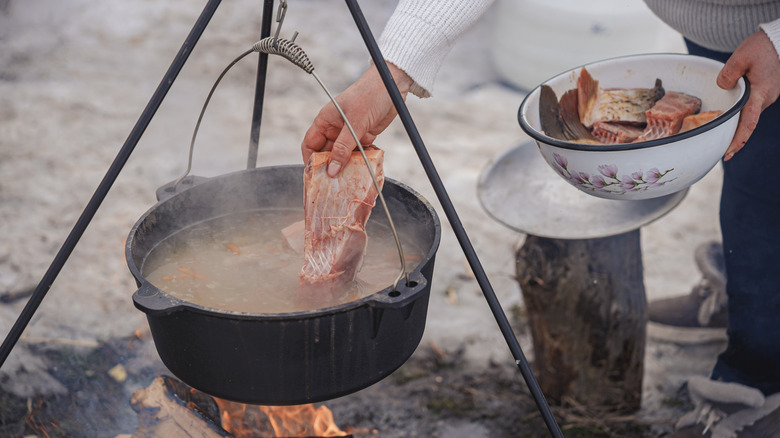
Cooking on the frontier was no easy task. Cattle drives often took three months, with longer drives being double that length. Even those who were not cowboys, like homesteaders, travelers, and explorers, often went long stretches without a place to restock supplies. Resources were stretched thin and everyone had to be industrious.
On a cattle drive, the cook got paid more than any of the cowboys, and was considered the most important member of the group. Without a good cook, everyone suffered. Cooks had to be skilled and resourceful, turning limited ingredients into food that, if not delicious, was at least palatable while providing enough energy to keep everyone working. Since the cowboys typically had 108-hour work weeks, they needed a lot of energy. In an age before refrigeration, this was not easy.
Flour, water, and cornmeal were cornerstones of the chuckwagon pantry. Preserved meats like bacon could last a while, and a sourdough starter was one of the most valuable items a cook owned. Fresh meat and vegetables were rare but eaten when available. Heartier vegetables that could handle a longer journey, like onions and potatoes, were far more common than any leafy greens, tomatoes, or even corn. Eggs were uncommon, but they could make up some huevos rancheros when available. One of the mainstays of the trail diet was coffee. By one account, it had to be so thick that if you threw a horseshoe in, it wouldn't sink. So, what did people eat on the trail in the American West? Let's find out.
Cornmeal mush with coffee and bacon
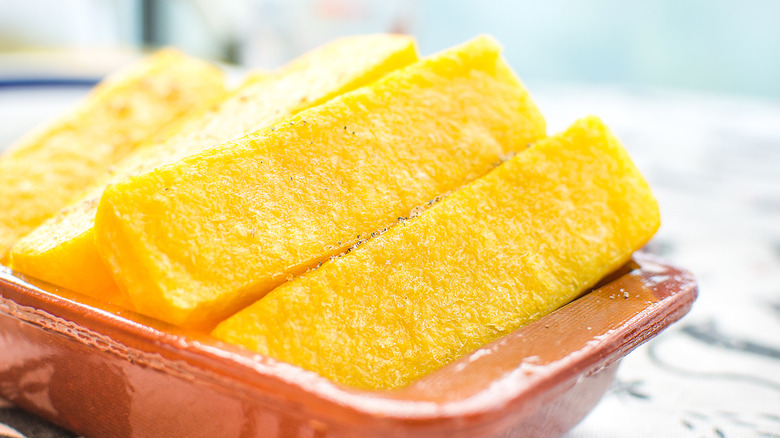
Cornmeal was a great resource on the trail because it was plentiful and only required water to make it edible. It doesn't sound like cornmeal mush was anyone's favorite food, but mixing cornmeal with water, allowing it to solidify, and then slicing it into pieces to fry in leftover bacon fat made a filling meal. Served with bacon and a cup of coffee, it would have made for a quick and easy breakfast packed with calories.
Son of a gun stew
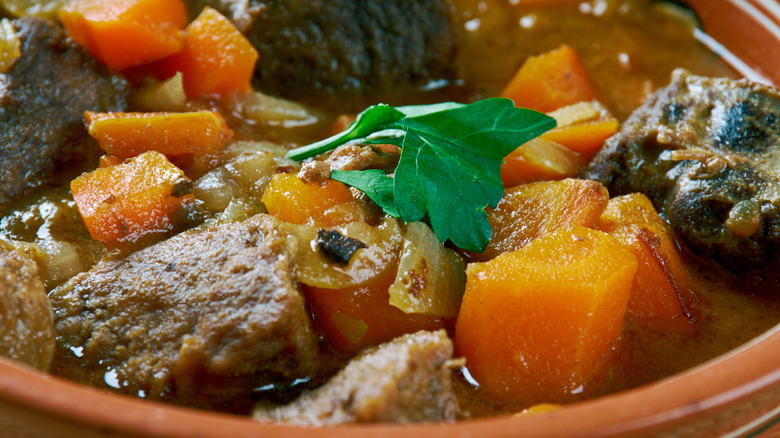
Also called a more vulgar name, "son of a gun" stew made use of all the meat that most never want to eat on its own. Tongue, brain, liver, sweetbreads, and tallow were some of the ingredients. Marrow gut, which was the tube that connected parts of an unweaned calf's stomachs, was also added, along with salt, pepper, and onion. According to one mythical recipe, this concoction needed to be cooked for a staggering 304 hours, stirring regularly — though most consider half a day to be enough.
Sourdough biscuits with sowbelly and red-eye gravy
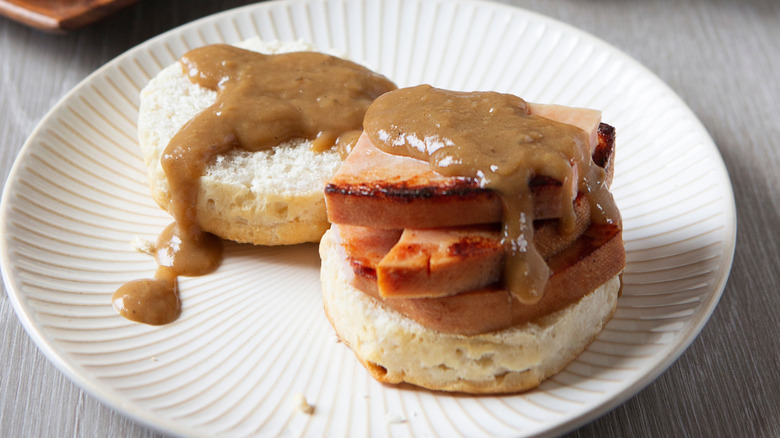
Because sourdough didn't require any milk, buttermilk, or other ingredients, a good starter was prized. Cowboys ate sourdough biscuits frequently on the trail, and bacon (called sowbelly) was one of the most common meats. Sowbelly was pig fat cured in salt, which had a long shelf life, making it ideal for cattle drives. After the bacon finished cooking, red-eye gravy was made in the same skillet using the leftover grease and fond. Coffee was used to deglaze the pan, and a spoonful of molasses could help thicken it and add flavor.
Spotted pup
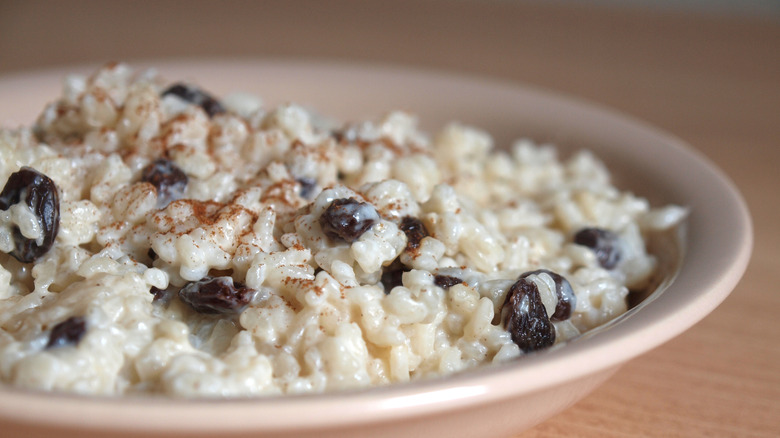
Desserts were less common on the trail than the main meals, but they still existed on the frontier. Spotted pup was a kind of rice pudding that got most of its flavor from raisins and cinnamon. All three ingredients traveled well, making this an easy recipe to pull off. The only other things needed were water, sugar, and maybe some vanilla. More modern recipes include dairy, but the bare bones cowboy method just relied on the rice absorbing water to get the right consistency.
Hellfire stew made from hardtack
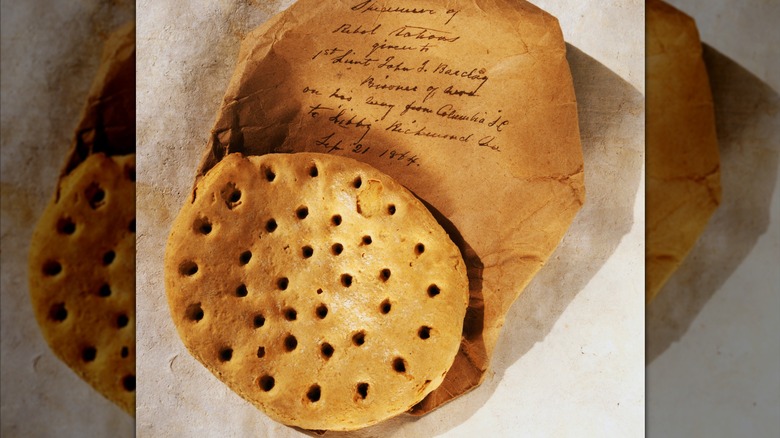
The name hellfire stew sounds amazing, doesn't it? Even without knowing anything else about it, you get a sense of adventure. Get ready to be let down. Hellfire stew consists of three ingredients: water, bacon fat, and hardtack. Hardtack are just incredibly hard biscuits made from flour, water, and sometimes salt, ideal for long voyages. Crushed then soaked in water until soft and fried in fat, the hardtack in the stew takes on a texture likened to chorizo.
Cowboy beans and cornbread
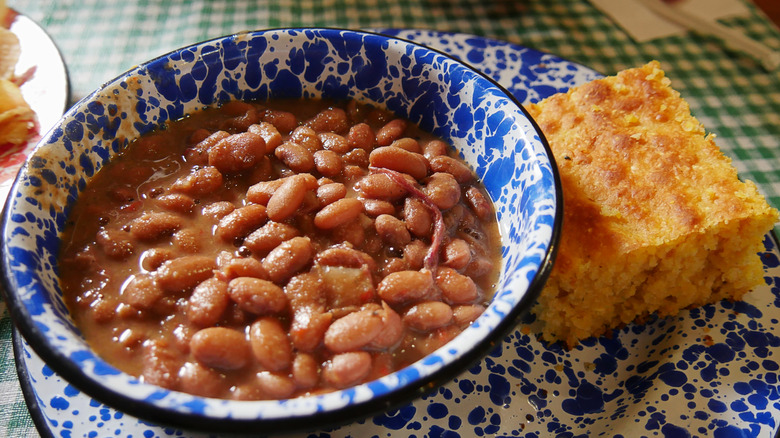
Beans were a major part of an Old West diet, and cowboys ate them almost daily. Navy beans and pinto beans traveled well and provided much needed protein and energy, plus they could be cooked with nothing but water. Bacon, onions, and dried spices could also be added to make them flavorful. You can make simple cowboy beans today with just beans, bacon, and beef. Beans were served alongside hot water cornbread. Cornmeal wasn't just a daily staple; it would've been a part of nearly every meal.
Green sweet corn and beef steak
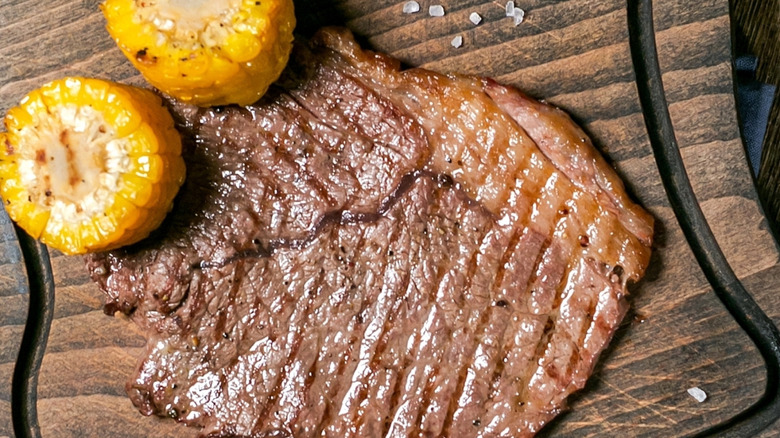
Corn on the cob would have been a summer treat for cowboys. It was typically roasted in the ashes of a fire or on a stick over coals. Fried steak was a common preparation for beef, though fresh beef could be a rare treat. Cowboys would not slaughter a cow unless there were enough people to consume the whole animal, as the meat would spoil. What fresh meat they did have would not last long.
Pot roast with vegetables
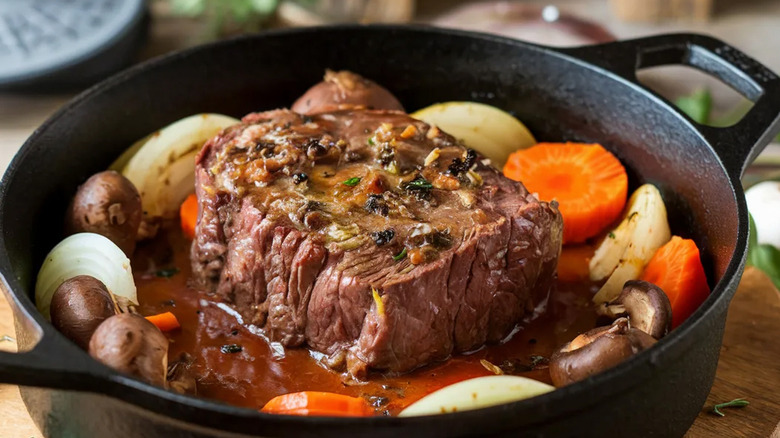
Beef wasn't always dried meat or steak. Pot roast was an option that might extend over more than one meal. Like a modern pot roast, this could be cooked alongside onions and potatoes while the crew still had vegetables on the chuckwagon. For settlers or those in camps, it would be easier to add carrots or other vegetables and spices to make a heartier meal.
Peach cobbler
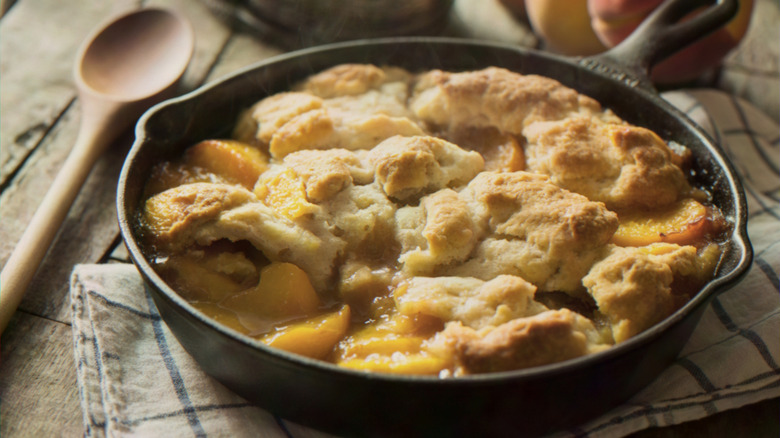
When you have access to a proper oven, you can make a pie fairly easily. If you're cooking in cast iron over an open flame, it's a little more difficult. That's why cobbler was a common campfire dessert. With fruit on the bottom and a basic biscuit dough crust on top, it was a much easier dessert to make. A cobbler could be made in a Dutch oven with fruit and the dough already had on hand for biscuits. Things like sugar, vanilla, or cinnamon could also be added.
Ash cakes
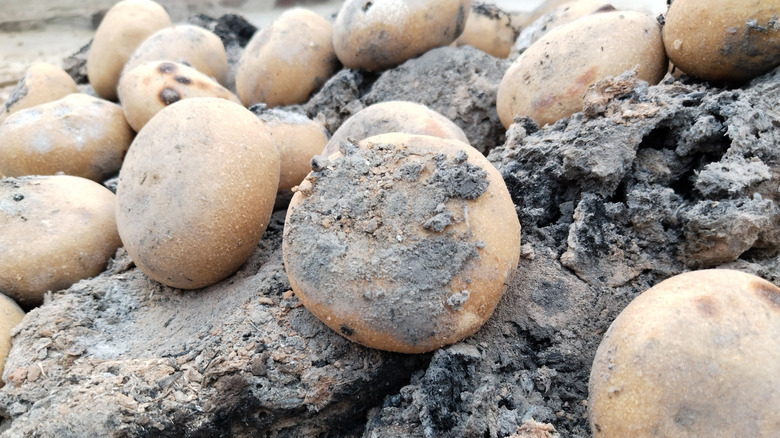
You can find recipes for ash cakes dating back to the early 1800s. They were also eaten on the frontier, not because they were delicious, but because it was this or sometimes nothing. Ash cakes were made from water, flour or cornmeal, and some salt. The mixture was kneaded into a dough and formed into small, round loaves that were cooked directly in the coals of a fire. The ashes gave it a smoky flavor that made it more appealing than plain bread, provided you dusted the cakes clean.
Typical cowboy breakfast
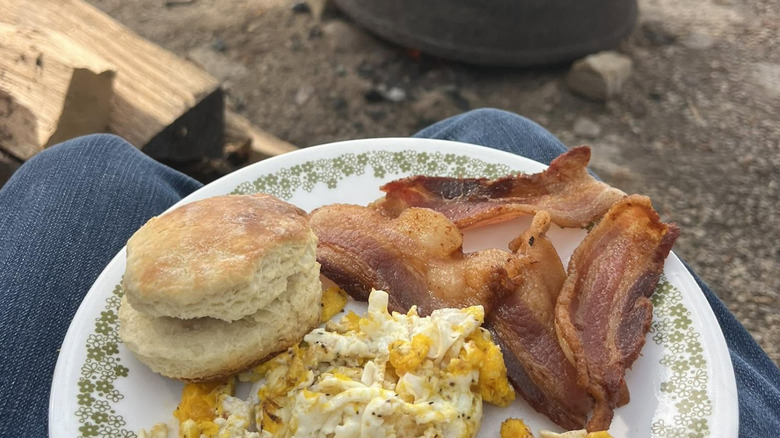
Cowboy breakfast could be a diverse meal. Bacon, biscuits, and beans were almost assuredly present, as was strong coffee. Dried or canned fruit was also welcome at breakfast, along with beef and sometimes eggs if they were available and still fresh. Potatoes, which also traveled well, could be included. It was up to the cook to decide what each breakfast would be.
Cowboy lunch
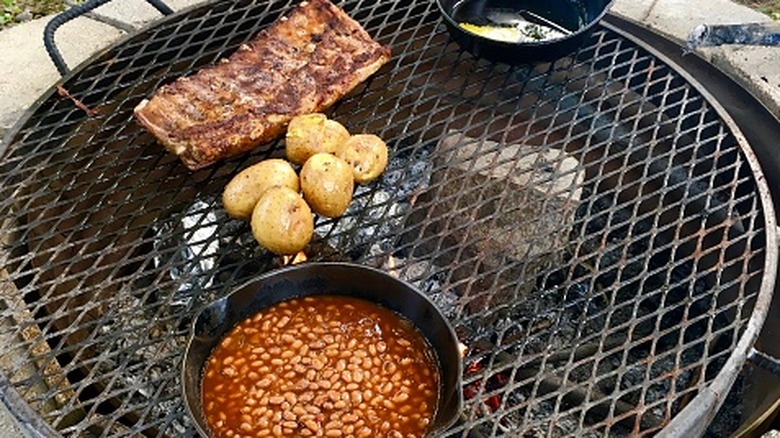
Lunch — which was actually called dinner back then — would have been consumed on horseback. Aside from biscuits or cornbread and coffee, the meal often included some dried fruit or dried meat. When fresher food was still available, the noon meal could include roast beef and potatoes, gravy, and beans. Fresh food was far more likely in a camp than on the trail, though.
Trail dinner
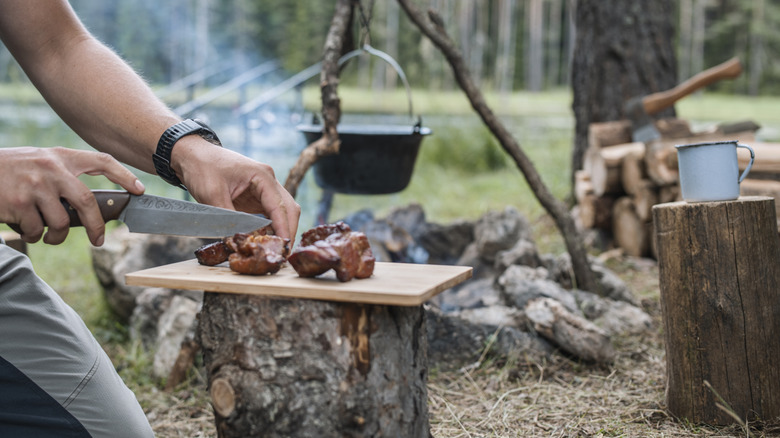
Supper on the trail might have included more fried steak if beef was available. Pot roast cooked in a Dutch oven with another possibility. The pan drippings could be mixed with flour and water to make brown gravy. Cooks would sometimes trade with other ranchers for beef, eggs, or vegetables. Buffalo, venison, and even fish would be options depending on availability. Wild onions or prickly pears could potentially be foraged to flesh out a menu. If nothing else, supper would consist of beans and cornbread or biscuits again.