

12 Signs You've Found A Truly Great Butcher Shop
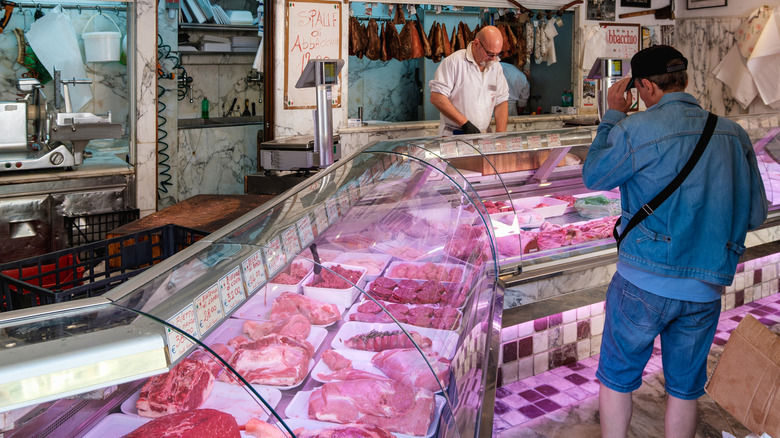
Looking for a great butcher shop isn't quite the same as seeking out a top-notch supermarket. There are plenty of similarities, but your local butcher is more like a small business than a commercial producer. Still, there are signs to look for so you know you've found a truly great place to source your meat. Trust your first impression, even when you pull into the parking lot. Take a second when you walk through the door and let your senses tell you the initial vibe. If it feels like a good place, it probably is.
From the immediate smells that hit your nose to the view your eyes take in, and how staff greet you upon entering, these details can tell you a bit about how the shop operates overall. Don't be afraid to chat it up with the butcher, ask questions, and take your time perusing the products throughout the store. You're not duty-bound to buy anything on your first visit, but we've put together a list of things to look for so you can tell whether you've found a truly great butcher shop.
Enticing aromas waft through the door
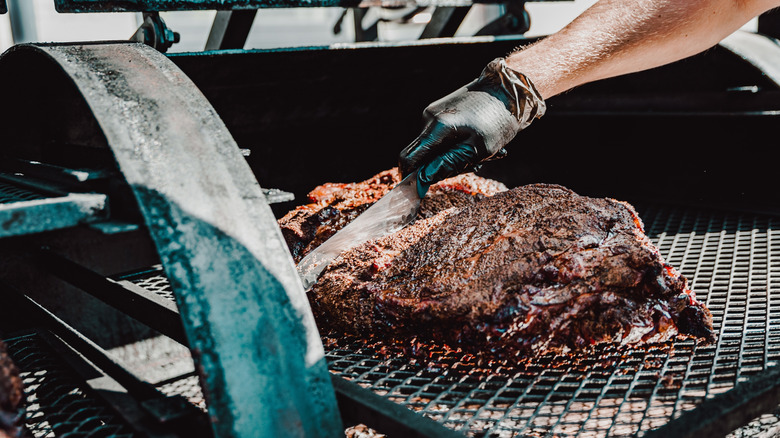
Though not all butcher shops have ready-to-eat food, such as fresh BBQ or deli sandwiches, on the premises, the best ones typically do. And there's no better way to determine a shop's quality than trying some on-site eats. Some butcher shops may even have samples for you to taste, whether it's freshly made pulled pork barbecue or spicy smoked sausages. If the intoxicating aromas brought you through the door, then offering you a bite of what's been cooking is a solid move to encourage you to keep coming back.
But it's not just the heavenly scents of barbecue ribs or homemade apple pie hitting your nose when you enter the butcher shop, but also the overall smell of its raw meat offerings. High-quality fresh meat should have little to no smell, but smell is one of the factors that influence your perception of your food and, likewise, of the shop.
The shop is clean and tidy
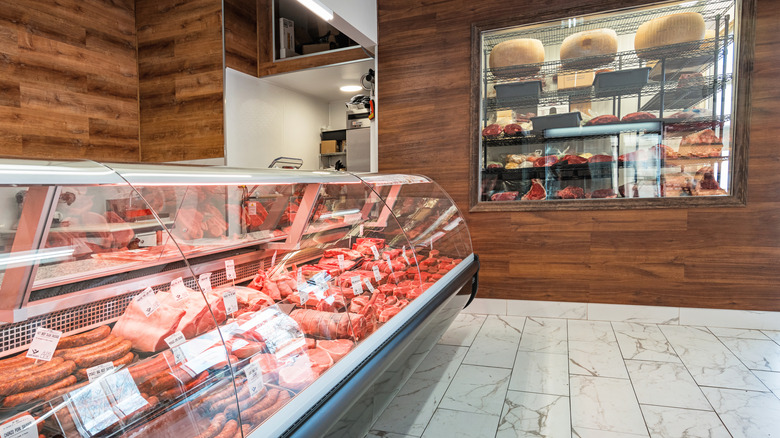
Perhaps it goes without saying, but you want to walk into a clean butcher shop. Along with using your nose to determine the quality of the store, take a good look around. Are the floors swept? Is the counter or glass case clean? A butcher shop doesn't have to be spotless, but your eyes are a good gauge of whether it's being maintained.
This goes for the staff's appearance as well — from butchers to cooks to floor staff. Each will have its own set of rules to follow; for instance, butchers must comply with safety standards since they're dealing with fresh meat and sharp objects. You'll typically see them decked out in a butcher's apron, coat, or even chainmail. Don't be alarmed by what's on the apron — they are dealing with fresh meat after all. And anyone handling your food should be wearing gloves.
Tidiness isn't quite as important as cleanliness, as I've been in some butcher shops that were spotlessly clean but not necessarily neat. This didn't make them bad places to buy meat; they just weren't organized. But a tidy shop makes it much easier to shop around, find the products you were looking for, or discover items you might not have seen otherwise.
The butcher is friendly, personable, and happy to answer questions
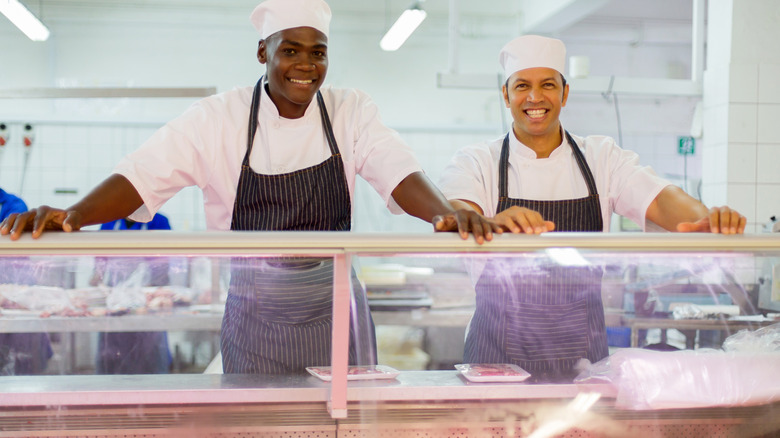
Great butchers absolutely love to talk shop and guide you on buying just the right cut. Being a butcher is a lifestyle, and it creates knowledgeable people who are passionate about what they do. Though there are certain questions to ask your butcher, they've heard it all before, so don't be afraid to ask whatever you need to. Not sure how to cook a particular cut? Ask. Want to know what the best cuts of meat are for grilling? Ask. Your butcher can either be someone who simply passes you your meat or someone who helps you plan the best dinner you've ever had.
Good customer service means the butcher is experienced, helpful, and pleasant to speak with. Likewise for other staff who may be in the shop, like cashiers, cooks, and even delivery people. A great butcher shop values its customers and happily offers expertise in butchery. Communicating your needs and wants so they can recommend the best option for you is essential to leaving as a satisfied customer. And a happy customer is a repeat customer.
The butcher asks you questions
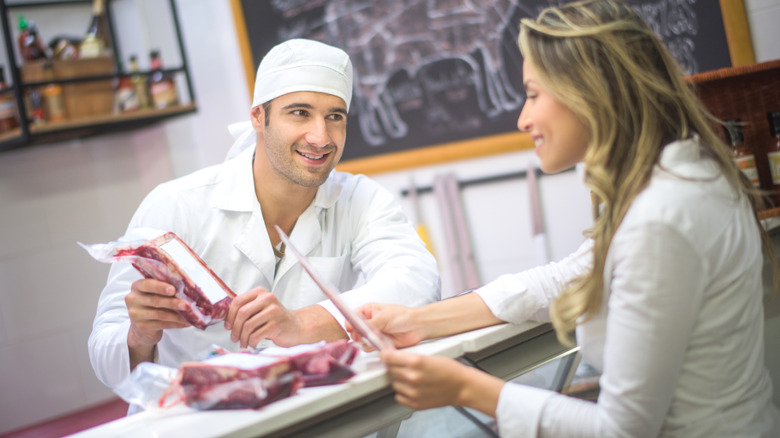
As much as a great butcher will love your curiosity and answer whatever they can, they will also ask you questions in order to give you the best recommendations. Essentially, they want to get to the heart of what you want so you're a happy customer. And a good butcher will do this by asking pointed questions, such as what type of recipe you're working with, your favorite cut of meat, and your preferred cooking method. Even if you can't quite relay what you are looking for, answer as best as you can so they can help you purchase the right cut of meat.
Be open-minded about what you end up getting, too. Maybe when you walked into the butcher shop, you thought you'd walk away with the perfect cut of steak, but instead, after a quick question-and-answer session, the butcher recommended pork loin. A good butcher isn't looking to steer you in the wrong direction; they've listened to your preferred recipe, cooking method, and seasonings, and may have determined you're better off with a completely different cut than you intended. Of course, you don't have to take their suggestion, but keep it in mind.
The meat on display looks fresh and high quality
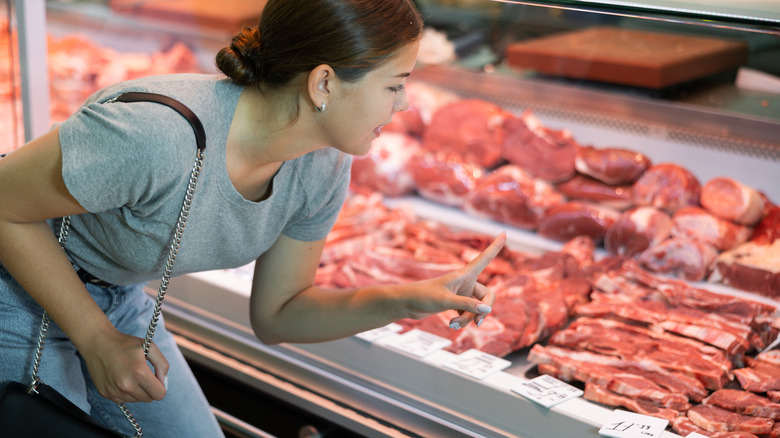
After using your nose for first impressions, use your eyes to check over the meat displayed behind the counter. Though your nose is wired to detect food freshness, so are your eyes. High-quality fresh beef is bright, almost shiny, with a pink-to-red color that is inviting and sometimes vibrant. Fresh pork is a light pink, and both proteins are fairly firm in texture, although you are unlikely to have the opportunity to test that with your hands. While some discoloration naturally occurs due to oxidation, fresh meat shouldn't be overly gray or have white or black spots.
Check out the butcher's beef selection and the marbling for each cut. Not only do you want the meat to look fresh and not sad, but you also want your beef cuts to have the marked marbling they're supposed to. For instance, ribeye should feature more marbling than sirloin, and a proper picanha should have a thick fat cap. Understanding different cuts of steak can help you determine whether the butcher shop is carrying top-quality cuts.
Transparency regarding source
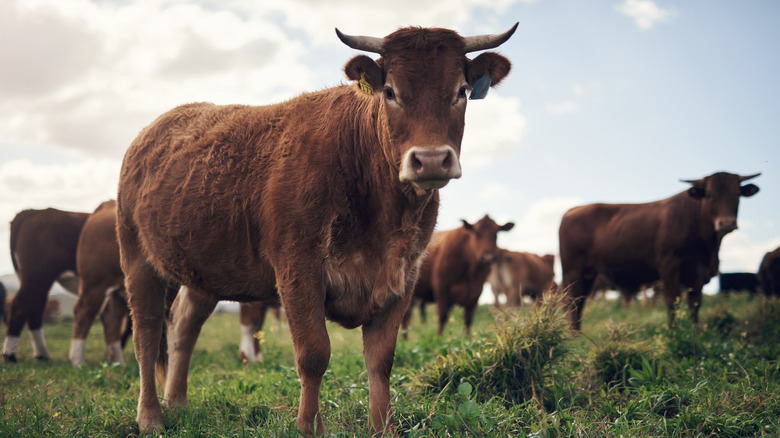
A truly great butcher shop is transparent about where it sources its meat and products. But not only that, a quality butcher will usually actively promote the farms they source from. Often, in addition to ingredient transparency, the shop carries house-made goods and is equally open about its ingredient sources. Knowing the ins and outs of the farm or ranch can give you clues about your food — the ethical practices, how animals are raised, and what this way of life means to the producers. The more care that goes into sourcing your food, the higher the quality.
More often than not, a butcher gets their meat from local farms in the area, so your cuts are as fresh as possible. This isn't always the case with every shop, though, so it's best to ask during your first trip to the butcher. But even if the source is not right down the street, a great butcher shop still sources from within the U.S. Some butcher shops have pamphlets for you to take home to learn about the farms they source from.
It's whole animal butchery, including offal
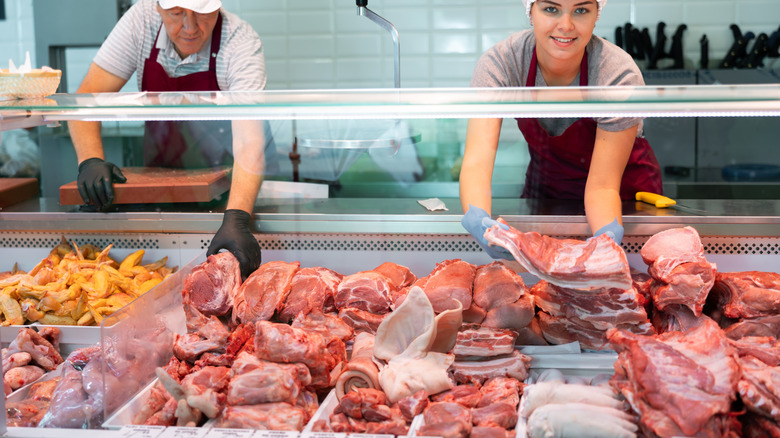
Butcher shops can offer everything from a handful of cuts to just about any protein you can possibly think of. Great shops tend to stock multiple types of protein, like cow, pig, lamb, poultry, and game, and participate in whole-animal butchery, meaning you can source the entire animal, including organs and offcuts, such as the head, feet, skin, or bones. The best type of butchery uses the whole animal, even the scraps. You may or may not be able to quite literally order the whole animal, but at the very least, you'll find you have a wide range of options from standard steaks to duck liver to chicken feet.
With whole animal butchery, you're more apt to find what you want, plus there's a better chance of buying meat in bulk and purchasing a whole or half cow. (Yes, buying beef in bulk is worth it.) You might even find a whole rabbit, Cornish hens, and a goose.
It's busy with lots of customers
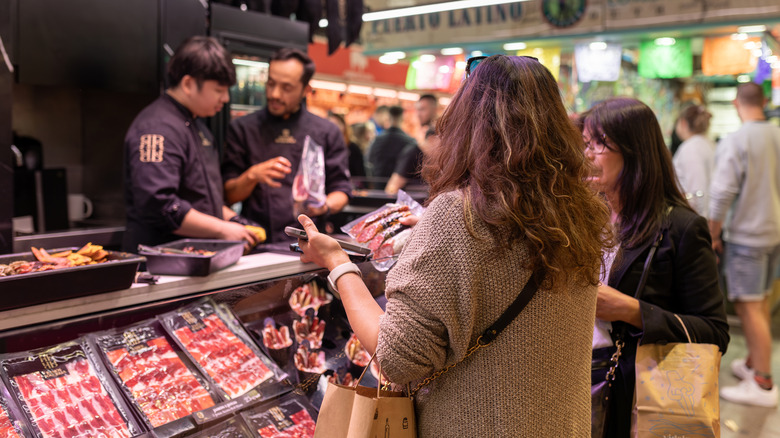
A good sign of any great butcher shop is its foot traffic — if it tends to be busy, you know there are repeat customers in the store. A quality shop usually has regulars lining up, locals chatting around the counter (or milling about outside), and a constant turnover of cuts leaving the case. Knowing a shop draws consistent crowds can give you clues about its meat and other products — rapid sales mean fresher meat, skilled staff keep things moving, and all this activity can indicate how much the community trusts the product.
The busier the shop, the more patience you might need as you navigate the store and wait for your order. But the beauty is that the more sustainable a shop is, the higher the quality. Good inventory turnover means you won't receive meat that's been sitting around for long. A packed butcher shop can signal better-than-average product and reliability, though you may want to keep any questions for another time when the butcher isn't so swamped.
Award-winning meat
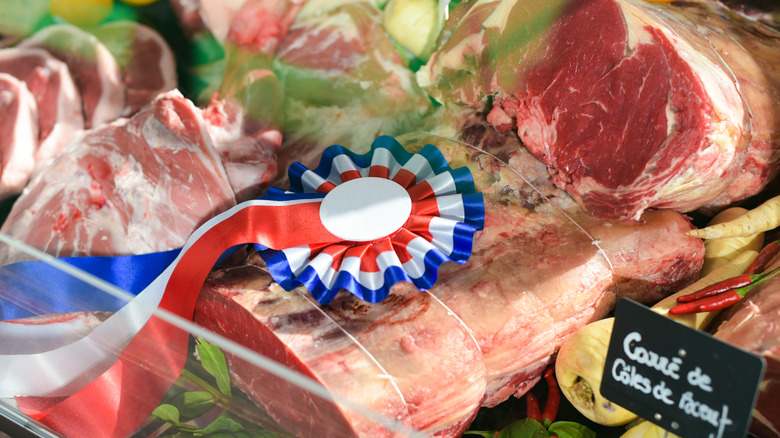
Many great butcher shops have won awards for either their overall meat offerings or specific products like cured ham and sausages. Most of the best butcher shops in the U.S. have won local, regional, national, or international awards and competitions, reaching the top spot in their state, such as The Meatery Butchery & Eatery in California, Esposito Meat Market in New York, and Deep Cuts in Texas.
Awards can range from best in the state or nation to ranking in the top 1% of businesses. Many butcher shops will proudly display their awards on the walls, behind the counter, or throughout the shop. Those with an online presence typically mention it on their website or socials. A quick search before you head out will likely yield simple results, so you have some idea. This can even give you a heads-up for a particular product you might want to try first, such as house-made sausages or a shop's famous beef jerky.
There's a great community vibe in the shop
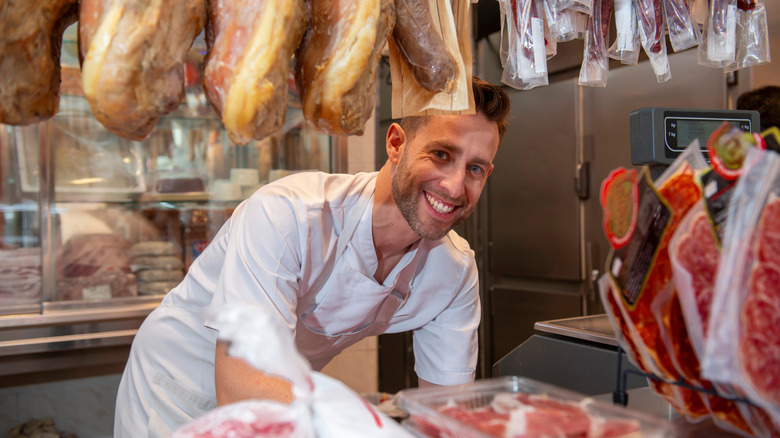
First impressions happen immediately, and when you walk through the door of a butcher shop, you get an immediate vibe of the place. While a quality shop is bustling with people, it's also more like you walked into a place "where everybody knows your name" and they are indeed "always glad you came" — and that's the vibe, friendly and familiar. Butcher shops focus on local and being personable with the community, fostering trust and loyalty, creating a solid customer base. It's very welcoming.
Often, it's the butcher setting the tone, and if you've found a shop that has a friendly butcher happy to answer questions, you'll find customers tend to be more talkative, even with each other. Maybe there's something to hanging around the meat counter, chatting with the person beside you. At the very least, it makes the entire process less boring or tedious.
The butcher can get you anything you want
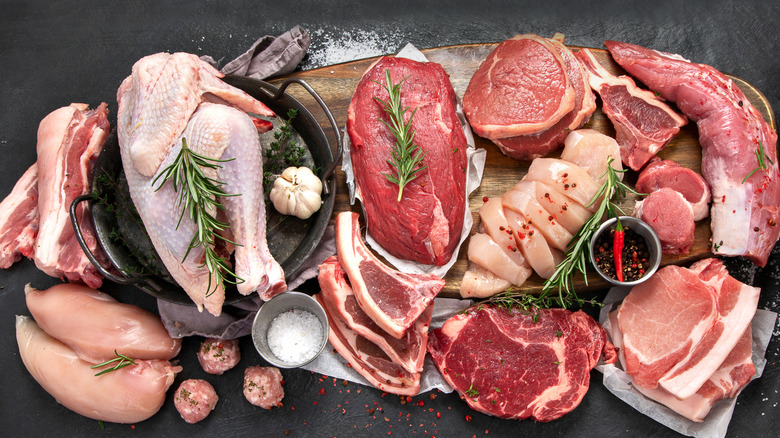
A great butcher shop can source a wide range of proteins in various cuts, as well as other typical butcher products like seasonings and condiments, even if they're not stocked on-site. Usually, they know a guy. Or will attempt to find the thing you're looking for by calling around to neighboring farms. Sometimes it's a matter of the shop not being large enough to hold all the products they offer, so some have to be custom-ordered. Other times, that particular shop doesn't sell it at all, but can find it for you elsewhere.
Beyond individual cuts, a great butcher shop often shines with custom orders and butcher boxes that may contain cuts not showcased in its display. You may be able to put together a tailored selection, such as a package with game meat, offcuts, or other rare protein. Though the butcher might not have it on hand, they can often find whatever you need. And if you're purchasing harder-to-find cuts, you might as well stock up your freezer. Some shops may even run regular butcher boxes on a subscription or as ready-to-grab bundles, drawing from the same network of farms and suppliers they use for one-off requests.
It comes highly recommended by locals
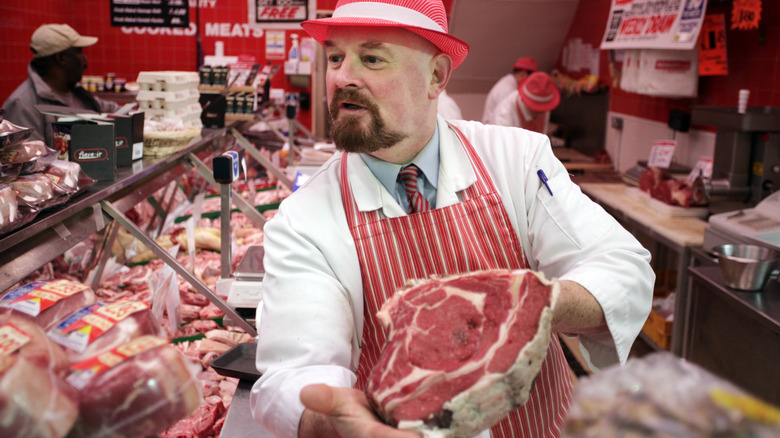
A truly great butcher shop rarely needs flashy ads to stay busy; locals simply talk about it. Word of mouth is a strong vessel for both good and bad news, and organic recommendations can signal that the butcher shop is the real deal. When someone who shares your values — another home cook, fellow meat lover, or neighbor who hunts deer — vouches for a shop, that endorsement carries more weight and personal relevance in people's minds. So if the shop has been highly recommended by friends, family, or neighbors, then you can be pretty certain you've found a great spot.
Research has found that nearly 70% of consumers discover new brands through word of mouth alone, and that most people trust recommendations from friends and family more than any other form of advertising, according to Nielsen (via AEO Growth). And when your butcher is deeply invested in their craft and community, sources top-quality meat, and knows the local farms and ranchers by name, their passion shows in every custom cut and conversation over the counter. People notice, so the places the community keeps recommending are usually the ones worth seeking out.