

15 Delicious Types Of BBQ From Around The World
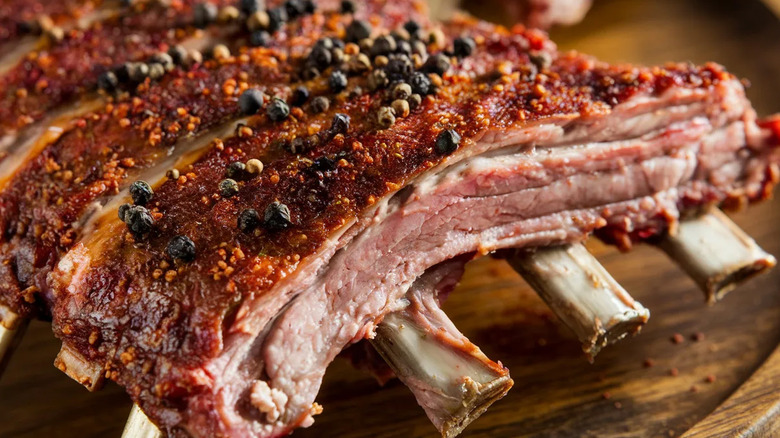
Barbecuing is arguably one of the most ubiquitous forms of cooking ever invented. There's something about cooking meat over an open flame that feels universal, regardless of what country or culture you come from. In America alone, you could spend a fortune on plane tickets trying to experience every regional barbecue style, and that's before you even begin exploring the incredible variety of barbecue traditions found around the world.
But when we dig deeper into those traditions, it becomes clear that barbecue is about more than just great food. It reflects centuries of ingenuity, adaptation, and local culture, from slow-smoking techniques developed out of necessity to communal cooking rituals that bring people together. Barbecue has long been a way to gather around a fire, share stories, and pass down knowledge from one generation to the next. It's less about having the best ingredients or using refined cooking techniques than it is about human connection. Of course, it helps when the food tastes great, too. With that in mind, here are 15 mouthwatering types of barbecue from around the world.
South Carolina
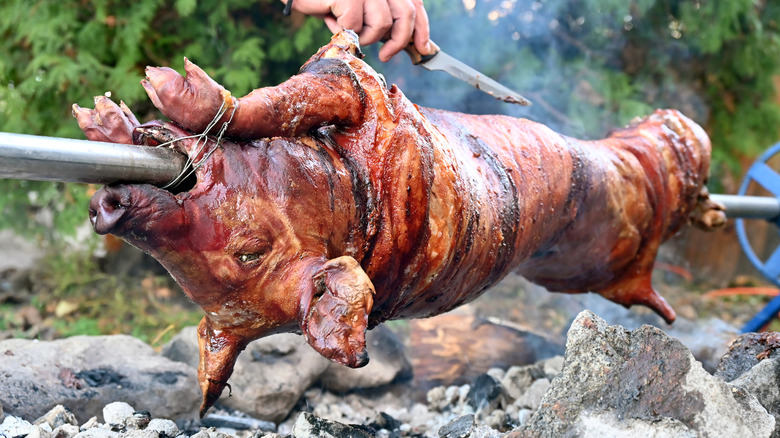
The Palmetto State's approach to barbecue involves cooking meat low and slow over hardwood coals. Pork is the meat of choice, and it's usually what locals are referring to when they say "barbecue." Other meats are specified by name — "barbecue chicken," for example (not "chicken barbecue," unless you want to out yourself as a non-local).
No part of the hog is off limits in South Carolina, and across the state you'll encounter two main styles: Pee Dee and Midlands. The former specializes in barbecuing the whole hog, while the latter focuses more on pork shoulders and hams, which are then chopped or pulled. The Midlands is also where the state's signature barbecue sauce, Carolina Gold, originates – made with yellow mustard, apple cider vinegar, honey, brown sugar, tomato paste or ketchup, seasoning, and Worcestershire sauce. However, while Carolina Gold may be the best-known, there are actually four key barbecue sauces in South Carolina, including two tomato-based varieties and a vinegar-and-pepper one.
Korean
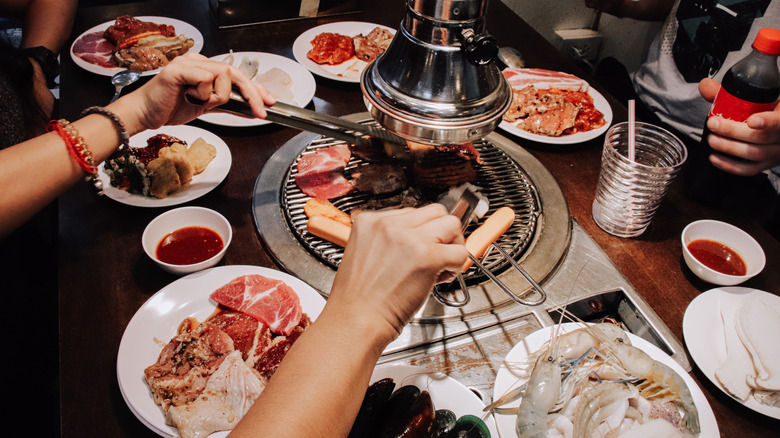
Over the past few decades, Korean barbecue has soared in popularity across the world. It's arguably one of the most famous styles of barbecue to come from Asia, as beloved as Mongolian barbecue, Indian tandoori, and Japanese yakitori. In Korea, barbecue is referred to as gogi-gui, and it involves cooking meat on a tabletop grill. It's unique in that the diner is the one responsible for grilling the food, although some restaurants have the servers cook the meat instead.
Unlike the humble beginnings of many other barbecue styles, Korean barbecue has royal origins, and it's traditionally served feast-style with numerous side dishes called banchan. The meal can include a variety of meats such as bulgogi (marinated beef tenderloin) and galbi (beef short ribs). It also features a range of savory, sweet, and sour accompaniments, such as kimchi, seaweed, jeon (filled pancakes), danmuji (pickled radish), and gamja jorim (sweet and sticky braised potatoes). As such, Korean barbecue is typically enjoyed communally.
Mongolian
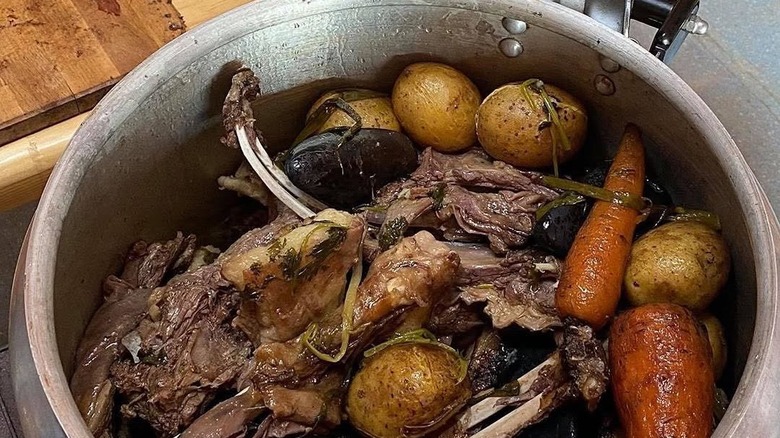
Believe it or not, the popular cuisine known as "Mongolian barbecue" has nothing to do with Mongolia or Mongolian cooking — it's actually more like Chinese-Japanese fusion. Authentic Mongolian barbecue does exist, but it's called khorkhog.
A slow-cooked goat or mutton dish, khorkhog is cooked using hot stones which are layered between cuts of meat inside a pot. This method gives the meat a "half-steamed, half-burned" consistency. The meat is cooked with a variety of root vegetables, starches, and leafy greens, along with a simple seasoning blend and a little water. The seasoning is kept simple so the meaty flavor can shine.
Khorkhog is traditionally cooked outdoors over an open fire pit, using a large metal water jug as a makeshift pressure cooker. To recreate the conditions of a pressure cooker, someone stands on the lid while the food cooks. And because charcoal is rare, the fire is often fueled with wood chips and tree branches. As you've probably guessed, it's not exactly a safe way to prepare food, and the Mongolian diaspora in Americas tend to use actual pressure cookers instead.
Texas
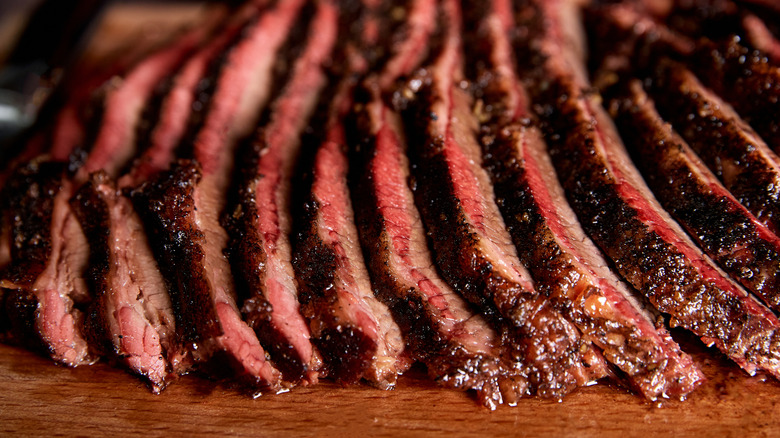
Given its size, it's unsurprising that Texas offers a variety of barbecue styles. In East Texas, slow-cooked, hickory-smoked beef, pork, and sausage are enveloped in a sweet and tangy tomato-based sauce. West Texans have their "cowboy-style" barbecue, where you'll primarily find chicken, ribs, and sausage grilled to perfection over an open fire fueled by mesquite wood. Due to the shorter cook time of West Texas barbecue, it's generally less smoky than the other Texan styles.
Central Texas goes the low-and-slow route, with the likes of brisket, sausage, and pork ribs being cooked over indirect heat with post oak or pecan wood. Tex-Mex takes center stage in South Texas, where a traditional barbecue style known as barbacoa is the method of choice. The meat is usually prepared in a stone- or brick-lined pit, fueled by mesquite wood. The coals are covered with agave leaves, and the meat is placed on top before the pit is covered – the result is a tender, fall-off-the-bone consistency. Barbecued brisket fills tacos, enchiladas, fajitas, and quesadillas, while tamales come stuffed with pulled pork. The Mexican influence is apparent in the spices used, such as cumin and chili powder, while sides usually consist of rice, beans, and tortillas.
Indian Tandoori
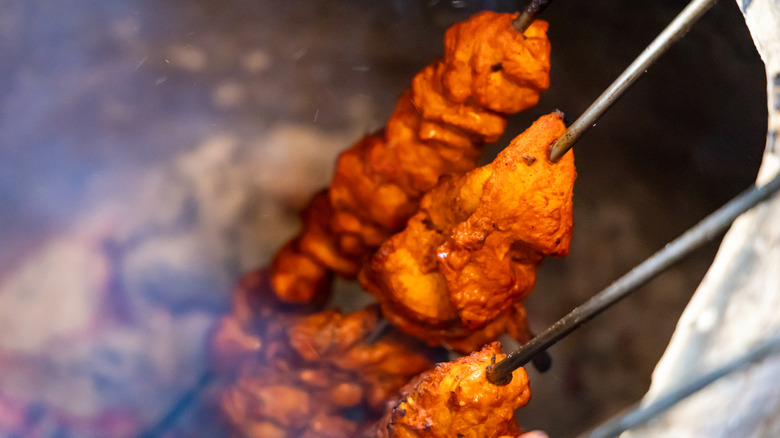
Indian tandoori is one of the most well-known barbecue styles from Asia. A tandoor is a bowl-shaped clay oven that's been around for thousands of years. Traditionally fired with wood or charcoal, you'll now find many different types of tandoor all across India, including gas and electric ones. Tandoors can reach temperatures upwards of 500 degrees Fahrenheit fairly quickly. The intense heat also allows the inner walls to be used for baking naan bread, which can be prepared quickly by slapping slabs of dough against the red-hot surface.
Skewered tandoori chicken is the local favorite for tandoor cooks, consisting of roasted chicken marinated in yogurt with a vast range of spices. These often include cardamom, ginger, garlic, cinnamon, clove, Kashmiri chili powder, black pepper, coriander, cumin, turmeric, and fennel, though the exact blend varies. The trademark of tandoori chicken, however, is its signature red color.
Jamaican Jerk
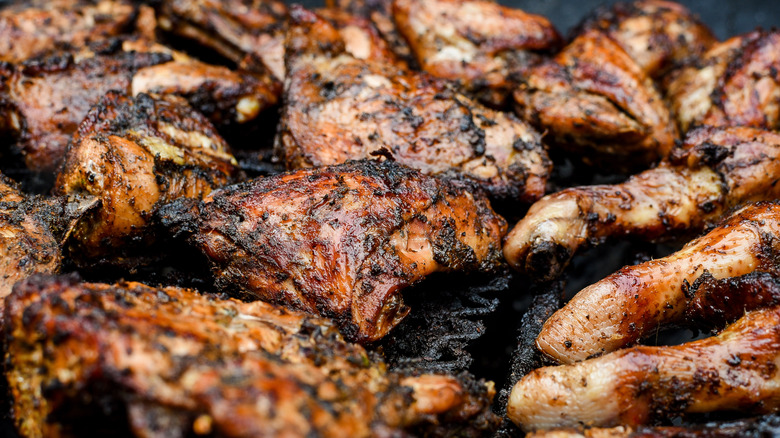
Tongue-stinging Jamaican jerk is style of barbecue born from the fused cuisines of the country's enslaved African population and the indigenous Taíno culture. Jerk refers to a method of seasoning and grilling meat and vegetables, as well as a specific seasoning blend of bird peppers, allspice, Scotch bonnet peppers, scallions, ginger, thyme, and cinnamon. That said, the exact blend varies considerably across the island, and over the years, jerk has also evolved into a sauce, wet paste, and dry rub.
The signature smoky, peppery, and slightly sweet flavor of jerk barbecue is achieved by slow-roasting meat over pimento wood, then adding a wet paste or dry rub to enhance the flavor. Pitmasters traditionally use pimento wood, which comes from the same tree as allspice berries, because its aromatic smokiness helps balance out the jerk flavors. Chicken, sausage, and pork are the most popular choices of meat, though seafood, tofu, and even pasta are pretty common.
Kansas City
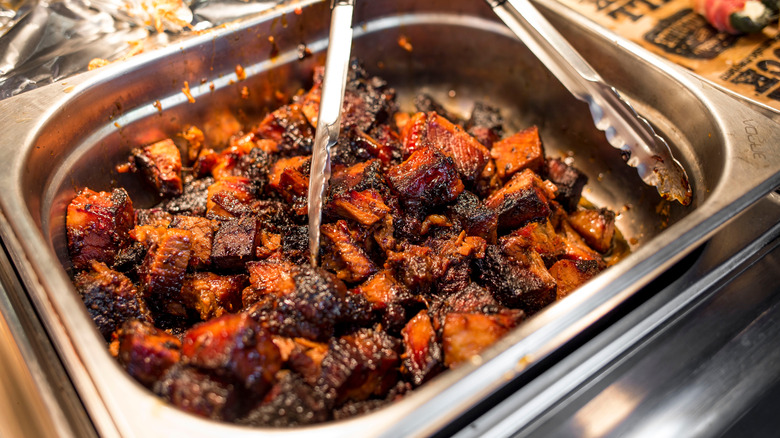
In Kansas City, barbecue is an institution — it's claimed the city boasts the largest concentration of barbecue restaurants in the United States. Ironically, the person credited with inventing Kansas City barbecue by developing the style's foundational slow-smoking technique actually came from Memphis, Tennessee. Pitmasters typically give their meat the dry rub treatment, followed by a slathering of the signature ketchup-based barbecue sauce — thick, smoky, and sweet.
Brisket and ribs coated in Kansas City barbecue sauce are hallmarks of the style, though if those aren't your cup of tea, you'll find no shortage of alternative options, including pulled pork, smoked chicken, and sausage. Kansas City is also the birthplace of burnt ends — chopped-up brisket from the point cut, prized for its deeply caramelized edges, that can be eaten with a fork or on a bun.
Mexican Barbacoa
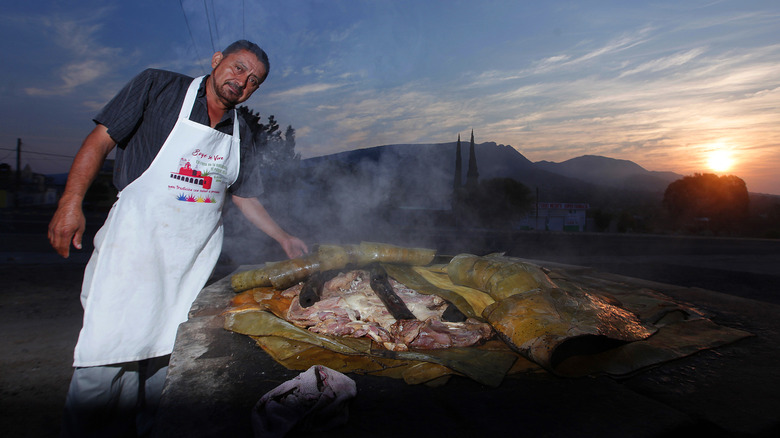
Barbacoa is the Spanish word for "barbecue." However, both the term and the cooking method can be attributed to the Caribbean's indigenous Taíno people. Mexican barbacoa effectively uses a traditional cooking technique similar to that found in South Texas barbecue — slow-cooking meat in an underground pit lined with agave leaves. Agave leaves are also used to seal the pit, locking in moisture and allowing the smoke to infuse the meat.
This method typically takes anywhere from 8 to 12 hours, though traditionally it can last up to three days, producing incredibly tender results. Today, cooking the meat pot-roast style is more common than the pit approach and reduces the cooking time considerably. However, the traditional method is still widely used. The type of meat can vary from region to region, but for the most part, you'll encounter large cuts of chuck roast, brisket, beef cheeks, lamb, mutton, and goat.
Brazilian Churrasco
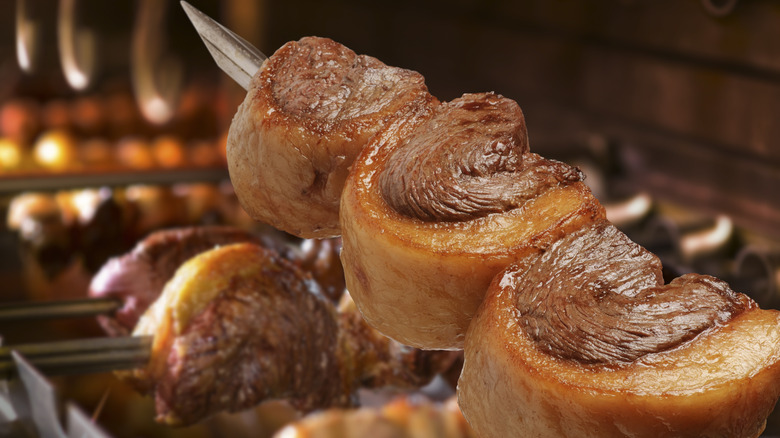
Churrasco is the Portuguese and Spanish term for "Brazilian barbecue," and it's typically served at a churrascaria — a Brazilian-style steakhouse. Churrasco mostly refers to skewered meat grilled over an open flame, but it also holds a much broader meaning within the culture as a culinary tradition and communal, social ritual.
Churrascarias are built for group outings, and the food is often served buffet-style, featuring a wide variety of traditional Brazilian dishes. The service is unusual, too. In many parts of South America, a gaucho is a cowboy, romanticized in folklore much like its North American equivalent. But in a churrascaria, it refers to the servers who bring around a selection of cooked cuts of meat for you to choose from. This rotational style of service is called rodízio. You can expect deliciously charred meats such as picanha, a triangular cut of beef sliced from the top sirloin cap that's skewered in a C-shape with the fat strip facing outward; fraldinha, a flap steak cut from the bottom sirloin; and cordeiro, meaning lamb chops.
Turkish Kebabs
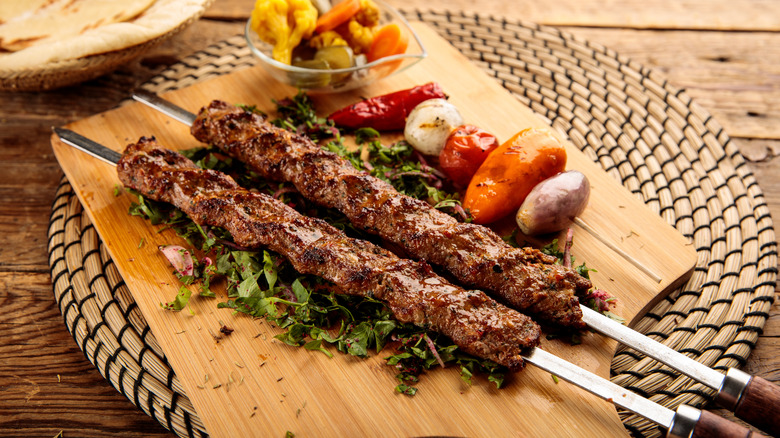
In Turkey, barbecue typically means speedy grilling instead of slow cooking. Kebabs are the signature dish, and there are endless variations that use a range of lean meats, cheeses, and vegetables. The Turkish approach is distinctive because it uses hot metal skewers which aid the cooking process. The skewers are placed over high-heat grills where they're rotated frequently to prevent burning.
Kebabs are traditionally made with lamb, though beef and chicken are also very popular. Shish kebab consists of cubed meat pieces and is perhaps the most well-known variety; Adana kebab uses ground lamb blended with spices; and döner kebab features a cone of stacked meat cooked on a vertical spit. Kebab meat is flavored with spices such as cumin, paprika, lemon, salt, pepper, parsley, garlic, fresh dill, and mint, though the precise combination depends on the recipe. It's served with a variety of condiments, including haydari, a mint-yogurt sauce, and ezme, a spicy tomato and pepper sauce akin to salsa.
Filipino Inihaw
In the Philippines, barbecue is a marriage of sweet, savory, and spicy flavors, and it's referred to as inihaw. Chicken and pork are the meats of choice, though in Filipino cuisine, no parts of the animal are wasted, so offcuts and offal are common. Some popular varieties include isaw (intestines) and Betamax (coagulated pig's blood cut into a rectangular shape similar to a 1980s Betamax videotape). There's also Adidas (chicken feet named after the popular footwear company), helmet (chicken head), and walkman (pig's ears).
Traditionally, the meat is marinated in salt, pepper, vinegar, soy sauce, sugar, tangy calamansi fruit juice, banana ketchup, and lemon-lime soda, and then grilled over an open flame using bamboo skewers. Sides and dipping sauces accompany the meats, with sawsawan (a soy sauce- and vinegar-based condiment) being one of the most beloved. Common sides include achara (pickled green papaya), ensalada (a tomato and garlic salad with cilantro and fish sauce), along with pancit, lumpia rolls, and white rice.
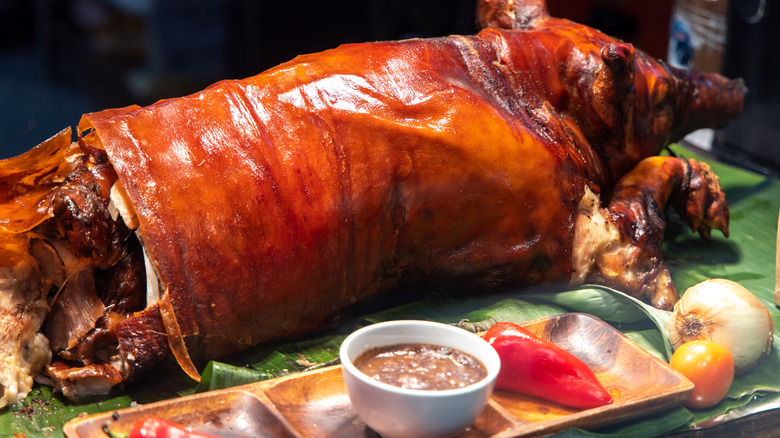
Another popular style of Filipino barbecue is lechon – a whole-roasted pig. It's one of the country's national dishes and is often served on special occasions. To prepare it, pitmasters slowly rotate the pig over an open charcoal grill until the skin becomes crispy and the meat becomes extremely tender.
South African Braai
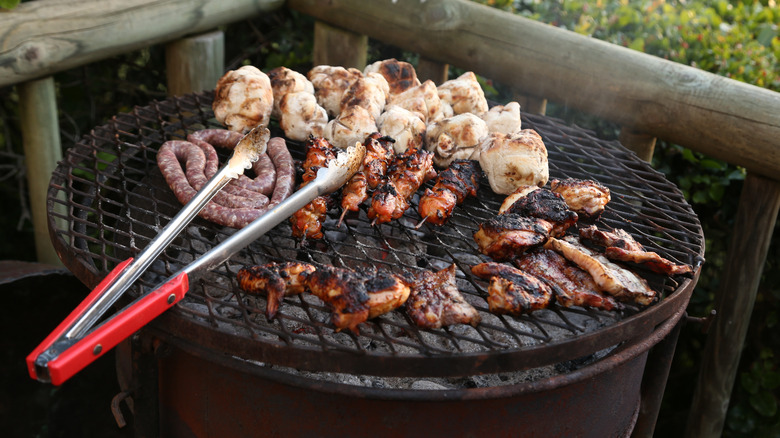
Braai is the South African term for "barbecue," and it's a communal experience enjoyed by everyone, regardless of ethnic background. Considering South Africa's history of racial segregation, it's worth pointing out braai's universal appeal and its ability to bring people together.
At a traditional braai, meats are cooked on a metal grate over a hardwood-fueled open grill or flat fire pit. Two of the most common wood varieties include apple wood and kameeldoring wood (known as Camel Thorn). The latter has a unique musky aroma that infuses meats, and it can burn for an impressively long period of time.
A typical spread features a wide variety of local dishes paired with international flavors, including lamb chops, a large selection of beef steak cuts, chicken kebabs, seafood, and an aromatic sausage called boerewors. It's not uncommon to encounter native game meats either, like springbok, kudu, crocodile, or even an ostrich burger, all of which can be enjoyed with Indonesian-style chutney (introduced by Dutch colonizers), spicy peri-peri sauce from Portugal, or South American chimichurri.
Australian Barbie
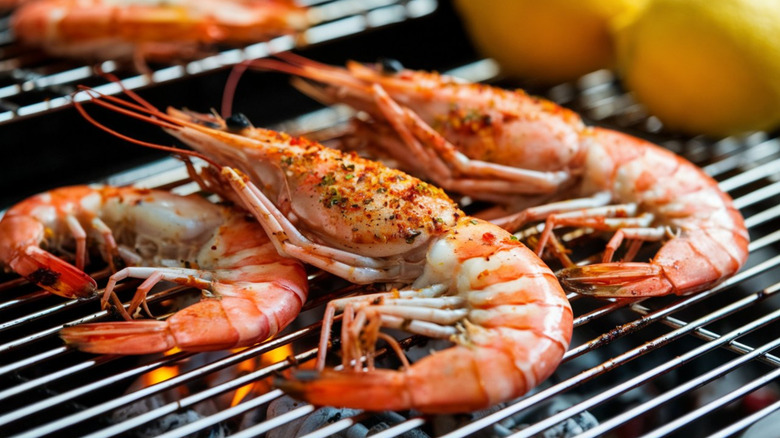
Outdoor cooking is woven into the fabric of Aussie life. A barbecue is colloquially called a barbie, and it's often a potluck-style affair. So while there certainly are staple dishes, no single Australian barbie is exactly like the next. It's worth noting that the term "grilling" actually refers to broiling Down Under, so when Australians talk about outdoor grilling, they use the word "barbecuing." Gas grills are the primary cooking method, and you'll even see them integrated into parks and campsites, but charcoal grilling is still common thanks to the wide variety of native wood options.
A typical barbie spread is sure to include snags (sausages) served on slices of white bread with grilled onions and ketchup or mustard. You may also see fried egg, beetroot, and pineapple-topped hamburgers, along with lamb chops, prawns (never "shrimp"), fish, chicken, and steak. And for something you definitely won't find anywhere else, why not try a Kanga Banga, otherwise known as a kangaroo sausage.
Hawaiian
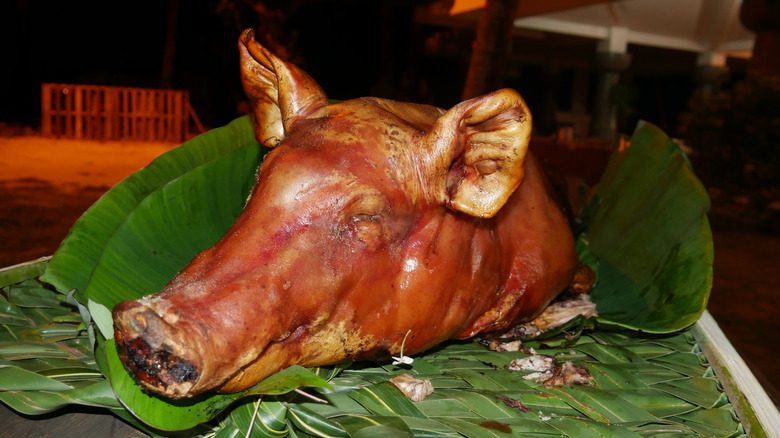
Hawaiian barbecue is an intersection of multiple styles from around the world, combining traditional native techniques with influences from Korea, Japan, the Philippines, China, Portugal, and more. You're just as likely to see Korean-inspired kalbi ribs as you are kalua pig or Japanese chicken katsu. Barbecue is served plate lunch-style, which usually includes a protein, two scoops of rice, and a scoop of sweet and tangy Hawaiian macaroni.
Kalua, which means "to cook in an underground oven," is Hawaii's traditional barbecuing method. The oven is known as an imu and it's how Hawaiians cook kalua pig. The whole hog is slow-cooked in the underground oven over hot volcanic rocks, with a type of mesquite wood called kiawe. Once the rocks are hot enough, the oven is layered with banana stalks and leaves before the meat and vegetables are added and sealed inside. This method is typically only used on special occasions because it can take up to 10 hours. Today, pitmasters use conventional grills to cook staples such as lau lau (pork and salted fish wrapped in lu'au leaves), huli huli chicken, teriyaki beef or chicken, mochiko katsu, and loco moco.
West African
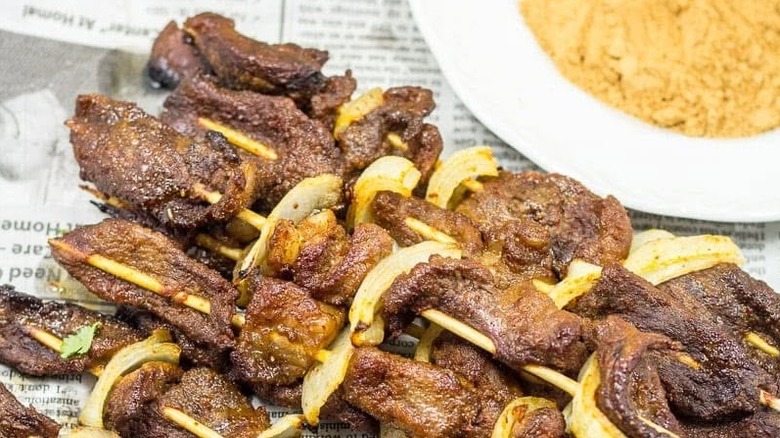
West African barbecue blends traditional flavors with French cooking techniques. The fourneau, a small cast-iron stove designed for baking, is one of the most widely used cooking tools among home cooks and street vendors in the region. It is filled with wood charcoal and used to cook a wide range of meats, from lamb and chicken to guinea hens and white grouper.
The two most well-known types of barbecue foods are suya and dibi. Suya is made by rubbing thinly sliced lamb or beef with a spiced peanut powder called kankankan. The meat is placed on platters to marinate at room temperature before being grilled on a large rack over charcoal, then brushed with kankankan-flavored vegetable oil. Suya is served on skewers, on plates, or sandwiched in a French baguette.
Dibi is a distinct style of barbecue served at dibiteries, which are late-night barbecue joints. Instead of fourneaus, dibiteries use earthen ovens fueled by burning logs, and they typically offer a wider selection of meats, including beef, chicken, lamb head, and sheep. Unlike suya, the cuts of meat are thick and typically prepared in kraft paper with salt, black pepper, garlic, mustard, thyme, and thick onion slices. Dibi can take up to an hour to cook, and it's served to patrons inside the kraft paper.