

Quote Of The Day By Musician Michelle Zauner: 'The Concept Of Prepping Meals For The Week Was A Ludicrous Affront...'
We may receive a commission on purchases made from links.
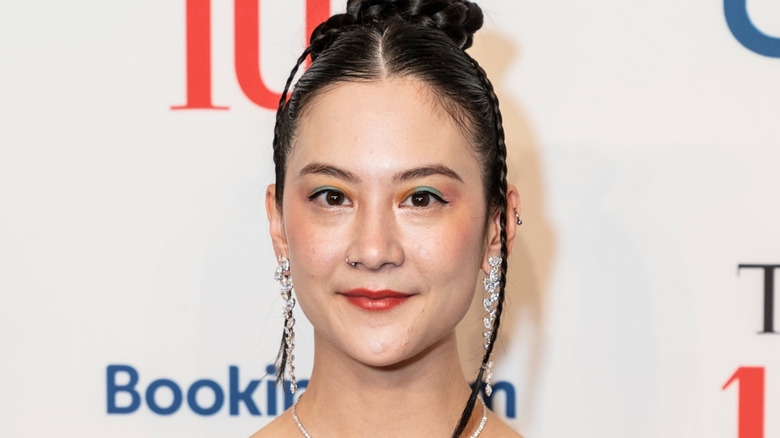
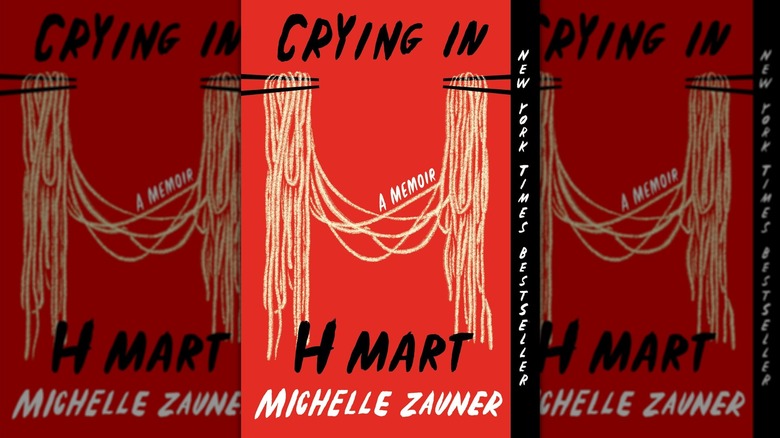
Until a few years ago, fans knew Michelle Zauner as the frontwoman of indie rock band Japanese Breakfast. The Grammy-nominated singer, songwriter, and guitarist is still hitting the stage with the affecting, evocative lyrics for which the group is known. But these days Zauner is equally revered as an author. In 2022, she was named one of Time's 100 Most Influential People following her runaway hit memoir, "Crying in H Mart," which spent more than 100 weeks on the New York Times bestseller list.
Japanese Breakfast formed in Philadelphia in 2013. The band gained critical acclaim with their debut album "Psychopomp," which was released in 2016. With Zauner as the band's primary songwriter, both "Psychopomp" and the band's 2017 sophomore album "Soft Sounds from Another Planet" deal largely with themes of grief. Indeed, grief also serves as the orbital center of her memoir. The book unflinchingly explores family, love, the complexities of mother-daughter relationships, coming-of-age, Zauner's relationship to her Korean-American heritage, and above all else, how food tells these stories.
For millions of Asian Americans, that food comes from H Mart. With more than 100 locations across the U.S., it's the largest Asian grocery chain in America today. Zauner's book celebrates the role of H Mart as a summit point for folks with shared palates, stewarding the familiarity of flavors that are hard to find at other U.S. grocery stores. For Zauner, mastering and showcasing these flavors is sacred, every meal identity-shaping art — and a Tupperware of cold, muted leftovers is hardly a substitute.
Quote of the Day by Michelle Zauner
"The concept of prepping meals for the week was a ludicrous affront to our lifestyle. We chased our cravings daily. If we wanted the kimchi stew for three weeks straight, we relished it until a new craving emerged. We ate in accordance with the seasons and holidays."
This quote comes early in Zauner's 2021 memoir, "Crying in H Mart." The No. 1 New York Times bestseller follows a young Zauner growing up Asian-American in Eugene, Oregon, experiencing feelings of isolation from her peers. These feelings would inspire her devotion to an inner creative life, the impetus behind the artistic career she has today. Throughout these times, food was a constant and powerful connection point. Born to a Korean mom and an American dad, Zauner grew up entrenched in two very different cultures. Her home dinner table typically had two dishes: An American meal for her dad and a Korean meal for her mom. No matter what specific dish was on the table, food was a symbol of craft and heritage in Zauner's house — a dogma beneath which the un-romance of large batch meal-prepping is absolutely out of the question.
In her memoir, she fondly recounts visiting her maternal grandmother in Seoul, where she was introduced to the flavors that would later color her bond with her own mother before her passing in 2014. Zauner paints scenes of sitting cross-legged on the marble floor of an apartment kitchen, dining with the women of her family late into the night, a deeply formative experience forged one bite at a time.
The deeper meaning of Zauner's quote — reverence for food and flavors
We get it — the modern home cook is often wildly busy. Amid the struggle to do it all, the appeal of having pre-made meals in the fridge is real. Large batch meal-prepping is utilitarian. It's efficient. What it isn't is romantic. Ask any foodie who's on day four of the same now potentially soggy slop bowl concoction: Has the pleasure factor diminished as the days wear on? As Zauner points out, food tells stories, but its significance also dwells in the realm of genuine enjoyment. Taking the time to craft a fresh meal invites folks to deliberately slow down at the end of the long day, reclaiming their conviction for what it means to be a human being with a past, present, and future all fueled by the foods they eat.
For Zauner, reconnecting with the dishes she grew up enjoying meant reconnecting with her identity in the wake of loss. After moving to the East Coast and embarking on the unglamorous beginnings of being a hardworking musician (Japanese Breakfast's critical breakthrough wouldn't occur until after Zauner's mother's passing), the artist moved back home when her mother received a terminal cancer diagnosis. Embracing these flavors accompanied a sudden and complicated return to her roots at age 25. Now in her thirties, the musician and author is a talented home cook in her own right. She makes a knockout kimchi jjigae, the staple Korean stew to which she alludes in the Quote of the Day. In an interview with CBS Sunday Morning, Zauner lauds the dish as a personal comfort food favorite from her upbringing — worth making fresh every time.
More quotes from Michelle Zauner

"We don't talk about it. There's never so much as a knowing look. We sit here in silence, eating our lunch. But I know we are all here for the same reason. We're all searching for a piece of home, or a piece of ourselves. We look for a taste of it in the food we order and the ingredients we buy." — from "Crying in H Mart" via Goodreads
"H Mart is where parachute kids flock to find the brand of instant noodles that reminds them of home. It's where Korean families buy rice cakes to make tteokguk, the beef and rice cake soup that brings in the New Year. It's the only place where you can find a giant vat of peeled garlic, because it's the only place that truly understands how much garlic you'll need for the kind of food your people eat." — from "Crying in H Mart" via Goodreads
"[T]hat was how my mother loved you, not through white lies and constant verbal affirmation, but in subtle observations of what brought you joy, pocketed away to make you feel comforted and cared for without even realizing it. She remembered if you liked your stews with extra broth, if you were sensitive to spice, if you hated tomatoes, if you didn't eat seafood, if you had a large appetite. She remembered which banchan side dish you emptied first so the next time you were over it'd be set with a heaping double portion, served alongside the various other preferences that made you, you." — from "Crying in H Mart" via Goodreads