

The Easiest Way To Estimate A Bottle Of Liquor's Sweetness Before You Buy It
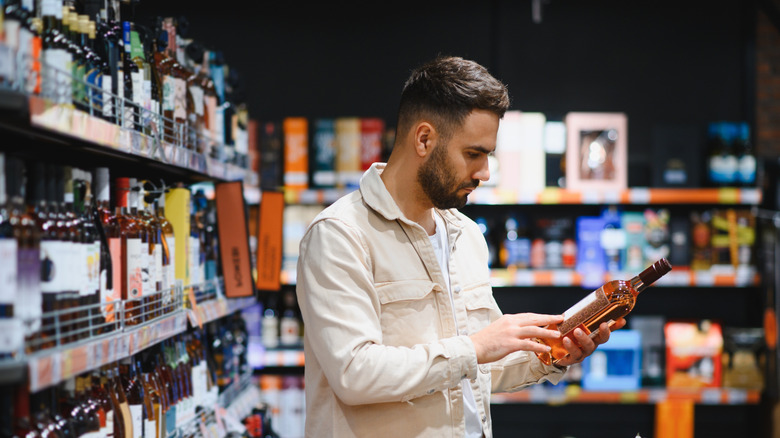
Buying a new spirit is always a bit of a gamble and, unfortunately, sweetness is not always obvious from the bottle's label. There are, however, several clues that can help you estimate the sugar factor of any spirit before you pay. To learn more, Tasting Table spoke with Molly Horn, chief mixologist and spirits educator at Total Wine & More.
Horn's first tip was also the easiest: "If recommended recipes also call for simple syrup or other sweeteners, then there's a decent chance it's less sweet." She also noted that some spirits are sweeter than others. "Flavored base spirits are usually sweeter than their counterparts, triple secs and limoncellos are usually on the mid-sweet side, and cream and other dessert liqueurs are almost always quite sweet," she explained.
"It's hardest in the world of Amari and aperitifs, as every single recipe is so different, but again looking at how they're used in a recipe can help give insight," Horn acknowledged. Indeed, the many types of amari can vary tremendously. "It's different on the wine side," Horn explained. The ABV (alcohol by volume) is a rough clue, but not always a reliable measure of sweetness. You'll also need to consider the grape variety, winemaking style, and even the climate it was grown in.
Marketing language can provide some sweet clues
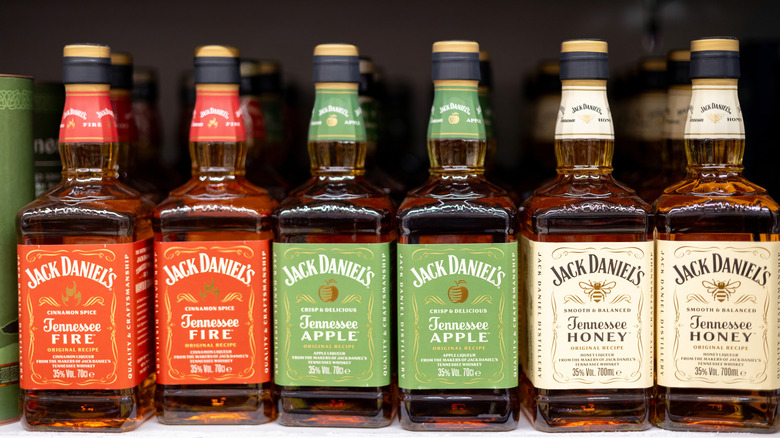
Molly Horn shared some other tricks for estimating sweetness, especially when it comes to the alcohol content. "If we're looking at base spirits like vodka or whiskey, and we compare flavored to traditional, it's pretty common that the flavored ones will be lower in ABV and will also be sweeter," she explained. There are exceptions, but this tracks for brands like Svedka's flavored vodkas or Ketel One's Botanical line, whose bottles tend to be 30 to 35% ABV instead of the standard 40%.
This isn't the case with all liqueurs, though. Horn added, "You can have a full-proof liqueur such as Cointreau or Royale Orange that come in at 40% ABV, but have far more residual sweetness than a 40% bourbon or vodka." Though cordials may get a bad rap for their sugariness, liqueurs are actually some of the best pairings for classic desserts. Marketing language can reveal a lot about sweetness too, so look for clues in the description.
Words like "dessert," "cream," or "honey" often indicate a richer, sweeter profile. Likewise, terms such as "herbal," "botanical," or "earthy" are likely to be less sweet. That said, there's a big difference between added sweetness and natural flavors. Barrel finishes are a good example. For aged spirits, the finish can also influence your perceived sense of sweetness. A bourbon finished in a port barrel, for instance, can naturally develop richer flavors such as dried fruits or caramel.
Climate, grape variety, and winemaking styles affect sweetness
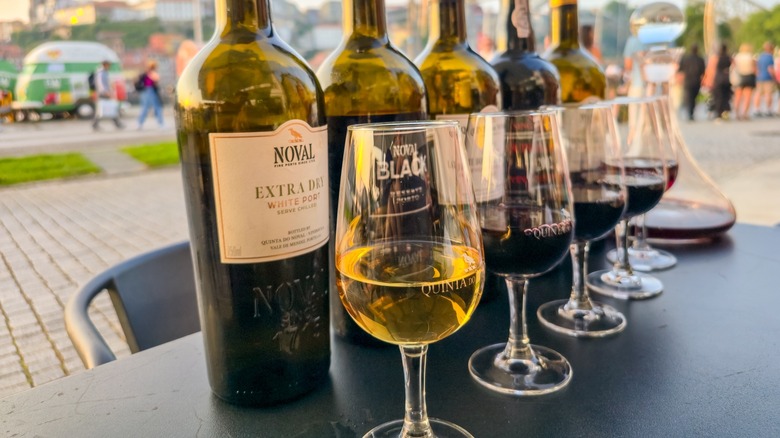
Now, when it comes to wine, it's a bit trickier to determine sweetness. While it's not a foolproof indicator, many drier wines tend to have a higher ABV. As Molly Horn explained, "A lower ABV is almost always a direct result of the vintner stopping vinification before all of the sugar is consumed by the yeast, which automatically means the wine will have a higher quantity of residual sugar. That being said, there are plenty of high ABV wines that can seem sweet and fruity."
ABV alone doesn't tell the whole story when it comes to wine; climate, grape variety, and winemaking styles all influence alcohol levels. For instance, a ripe California zinfandel may exceed 15% ABV while remaining dry, whereas a fortified dessert wine like port can have both high alcohol and high sweetness. The best approach is to consider ABV alongside descriptors like "brut," "off-dry," "doux," or "sec," rather than relying on alcohol content alone.
Generally, grapes used for sweet wines include muscat, riesling, gewürztraminer, and chenin blanc. These aromatic varieties often retain some residual sugar. Grapes more commonly made into dry wine include cabernet sauvignon, merlot, pinot noir, and malbec. These grapes are usually fermented until nearly all of their sugar has been converted into alcohol. Although no method is entirely foolproof, remember you can always ask your local liquor store staff for suggestions.