

The One Picnic Grilling Mistake That Could Put Everyone At Risk
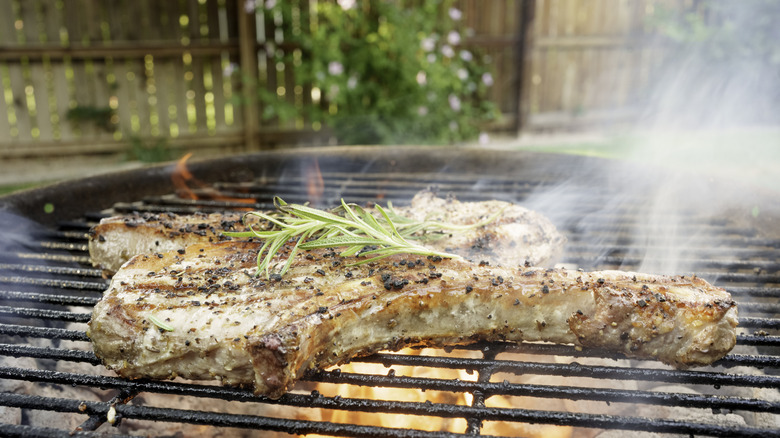
Grilling is one of the ultimate summer pastimes. But as much as we enjoy our summer picnics, they can come with a risk. Foodborne illnesses peak in summertime, and our love for picnicking outdoors is largely to blame for this uptick. One of the most serious mistakes to avoid is par-cooking, a cooking technique in which food is partially cooked before being finished using another cooking method. At a summer barbecue, that often means partially cooking chicken or other meats on the stove before finishing them on the grill.
When you par-cook meat such as poultry, you make it warm enough to activate potential bacteria like salmonella. Then, after you load that par-cooked meat into your car and drive to your picnic site, that bacteria essentially does the cha-cha slide all over your dinner. Although that transportation time might seem like no big deal, it could put you and your loved ones at risk.
According to the USDA, bacteria can grow quickly when food is between 40 and 140 degrees Fahrenheit. In fact, under the right conditions bacteria can double in number within 20 minutes. That's why food safety authorities caution that you should never par-cook chicken unless you are immediately finishing the cooking process on your grill or stove. The same rule applies to other meats and seafood.
What to do instead of parcooking
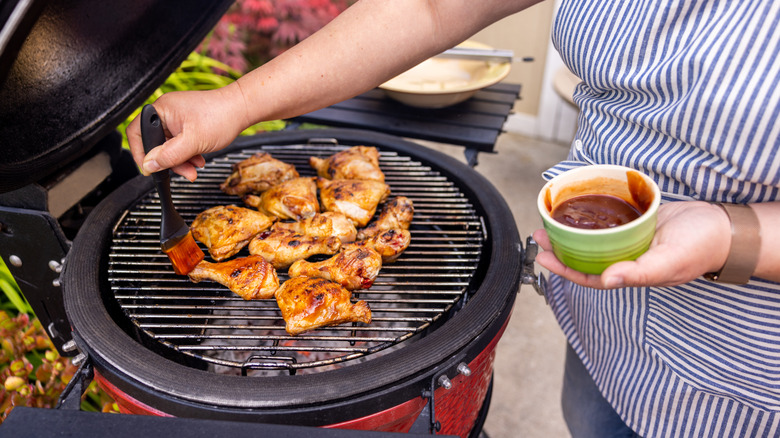
The good news is you don't have to retire your "King of the Grill" apron and return to eating indoors. With a few simple precautions, you can safely avoid the grilling mistakes that can lead to food poisoning. Star by making sure to keep your cold foods in an insulated cooler and packing the raw and cooked foods separately. If your meat is frozen, plan ahead by defrosting it ahead of time in the refrigerator. Do not defrost frozen food by letting it sit out on the counter or on a picnic table.
You'll also want to make sure that you don't leave your perishable food sitting out at your picnic for hours at a time. Once food has been cooked and removed from a warming appliance, you have just two hours before you need to refrigerate it. When temperatures climb above 90 degrees Fahrenheit, that window shrinks to just one hour before harmful bacteria can start to grow.
Finally, invest in a quality meat thermometer so that you can check the temperature of your food. Poultry should be cooked to at least 165 degrees Fahrenheit, while red meat should be reach at least 145 degrees Fahrenheit. If you follow basic food safety guidelines, you can ensure that your summer grilling is safe and delicious.