

10 Culver's Facts Everybody Should Know
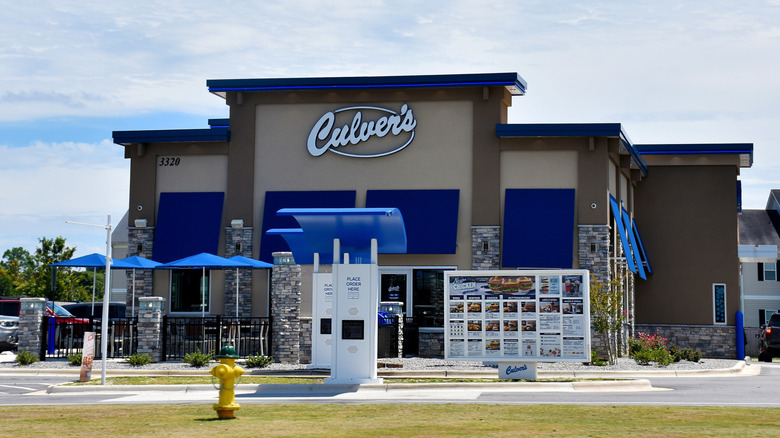
Culver's may not have the extensive, international presence of McDonald's, nor the fanatical, cult-favorite appeal of In-N-Out, but for many folks — especially Midwesterners — the burger chain reigns supreme in every way. Culver's came to fruition in 1984 thanks to the husband-and-wife duo Craig and Lea Culver in Sauk City, Wisconsin. Craig's parents had operated restaurants throughout his childhood, and though Craig earned a biology degree, kismet dictated his return to the restaurant world when an A&W property that the Culver family had owned in the 1960s went up for sale in 1984. Craig and Lea purchased the property and, with Craig's parents' help, turned it into the world's first Culver's restaurant, a humble dive specializing in "ButterBurgers" and frozen custard. The rest is history.
Culver's headquarters remain in Wisconsin today, despite opening its 1,000th location in 2025 and being ranked as the 24th-largest restaurant chain in the United States in 2026. It's a quiet testament to the chain's longstanding commitment to its family values and small-town roots. Culver's also emphasizes freshness in its prep and ingredients. Beef is always fresh, never frozen; white meat chicken is sourced from American family farms; and fish filets are hand-battered and fried to order every time.
There's a story behind the ButterBurger name
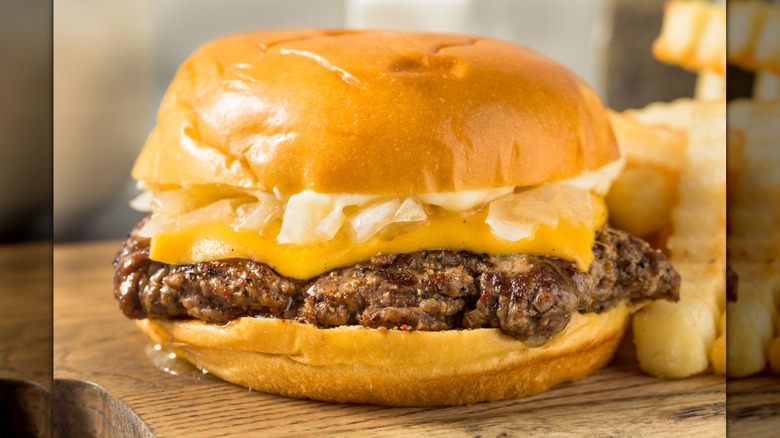
ButterBurgers have been a Culver's standard since day one. While the name might conjure up rather frightening images of a burger deep-fried in butter, the reason Culver's burgers are called ButterBurgers is actually quite simple (and easier on the arteries). Craig Culver knew he wanted to include frozen custard on the Culver's menu as an homage to his family's favorite dessert, but given Wisconsin's sub-zero winters, the menu needed more variety. Burgers became the very first official menu item, but how would they set Culver's burgers apart from the McDonald's and Burger Kings of the world?
The idea was sparked years before Culver's opened when Craig was reminiscing about old drive-ins with a friend from Milwaukee. The friend recalled a long-defunct spot called the Milky Way that served a "butter burger." Something about the name clicked. It stuck with Craig until he and his wife, Lea, opened the first Culver's in 1984. ButterBurgers were always the plan, but as Craig told the Milwaukee Journal Sentinel, "When we opened Culver's, I didn't have a clue how the butter was going to be involved in the burger — whether it was going to be on the grill or put a slab of butter on the bun." Ultimately, Craig recalled how his mother used to butter the top bun of a burger and slap it on the grill until lightly toasted for elevated flavor and extra crispiness. Craig and his team adopted this practice for the restaurant's burgers, and that's how it's been done ever since.
October 15 is Culver's National Cheese Curd Day
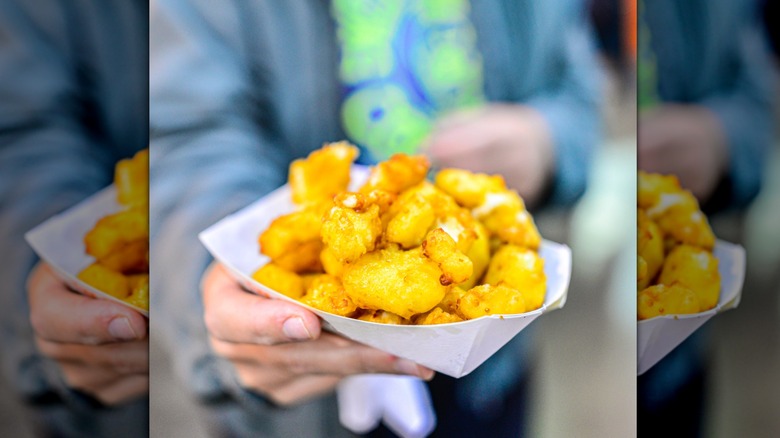
Wisconsin Cheese Curds are synonymous with the Culver's experience, but perhaps surprisingly, the deep-fried nuggets weren't officially added to the menu until 1997. In the nearly 30 years since, Culver's cheese curds, sourced from family-run company La Grander Hillside Dairy in Wisconsin, have become one of the best-loved items on the Culver's menu. To celebrate all things cheesy, Culver's partnered with National Day Calendar to declare October 15 National Cheese Curd Day in 2015. The inaugural event was promoted with a "Golden Cheese Curd Sweepstakes" promotion that ran from October 5 to November 1, 2015. Throughout the sweepstakes, every order of Culver's cheese curds included a golden ticket with a code that could be entered online to win rewards, with the grand prize consisting of $1,000 in Culver's gift cards and free cheese curds for an entire year.
The "holiday" is celebrated annually, ballooning with each passing year. Culver's frequently releases limited-edition offerings around this time, bringing the heat with Jalapeño Cheese Curds and embracing sweet-and-spicy flavors with Hot Honey Cheese Curds in recent years. To commemorate National Cheese Curd Day's 10th anniversary, 2025 marked the first annual Curdtoberfest, a new tradition in which Culver's takes the entire month of October to exalt in the glory of its golden-fried, perfectly crispy, melt-in-your-mouth curds. With millions of orders of cheese curds sold each year, there's no question that Culver's Wisconsin Cheese Curds have earned a place on the calendar of wacky food holidays.
Franchise owners are required to work in the restaurants
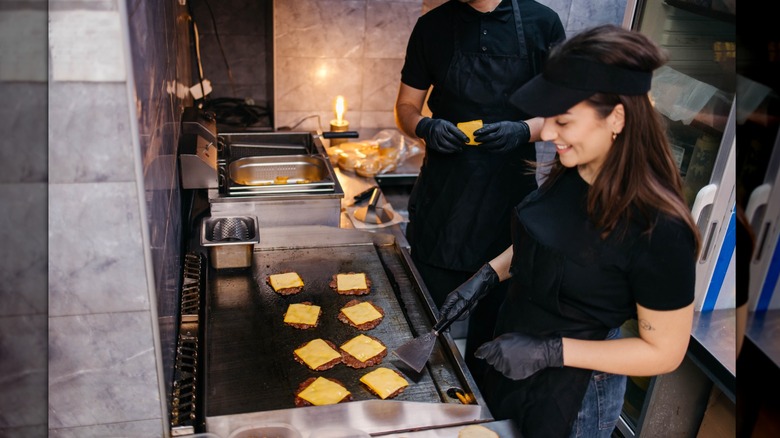
Unfortunately, it's common to see a sharp disconnect between owners or senior leadership teams and junior staff members in business. The restaurant industry is no different. How can a restaurant or franchise owner understand the challenges of a restaurant's operations and see what's working and what isn't if they're viewing it all from an ivory tower? Culver's understands the implications of this potential misalignment, and to bridge the gap, the company requires its franchise owners to be deeply involved with day-to-day operations and actually work in the stores they operate.
The practice trickled down from the top — Founder Craig Culver himself loved working in the trenches alongside the cashiers and burger flippers, and would hop behind the counter at one of the stores when he was having a bad day. The owner-operator franchise model means Culver's is highly discerning when selecting franchise partners. Before prospects are granted franchise ownership, they're required to complete an initial discovery week consisting of six 10-hour shifts in a Culver's restaurant to fully immerse themselves in the experience. This is followed by a 16-week intensive training program at ButterBurger University in Prairie du Sac, Wisconsin.
As Culver's then-CEO, Phil Keiser, told QSR in 2015, "We're good at teaching people how to cook the burgers and clean the restaurants, but we want people with the right life skills and core values, partners who view people, product, and the community in a way that aligns with us." The immersive onboarding and the ongoing requirement for in-the-field experience have proven to be a boon to Culver's operations and are critical to the business's continued success.
Culver's Foundation provides scholarships to eligible employees

Culver's doesn't only invest in its franchise owners and managers. In addition to providing financial assistance to employees facing hard times, the Culver's Foundation has been awarding college scholarships to eligible team members for decades. It all started with a single $500 scholarship in 1993. In the 30+ years since, the Culver's Foundation Scholarship Program has awarded over $8 million to help thousands of team members pursue higher education.
Scholarships up to $10,000 are awarded each year to up to 280 applicants. To apply for and receive a scholarship from the Culver's Foundation, applicants must be employed by Culver's for at least 6 months and have worked at least 400 hours in the past year. Awardees are selected based on a variety of factors, including academic performance, participation in extracurriculars, personal recommendations, and custom essays. Scholarships have been awarded to employees like Tomas Gonzalez, who started working at Culver's at age 15, became one of the chain's youngest-ever managers at 16, and went on to attend Harvard University. A scholarship like this can boost students' confidence during periods of self-doubt — as 2024 awardee Michael Duran explained in a promotional video for the foundation, "Even though I might've been like, 'I don't know if I deserve this scholarship,' obviously the Culver's foundation did see something in me, and that has given me the confidence to continue reaching my dreams and striving for my dreams."
The first ButterBurgers were made with an ice cream scoop
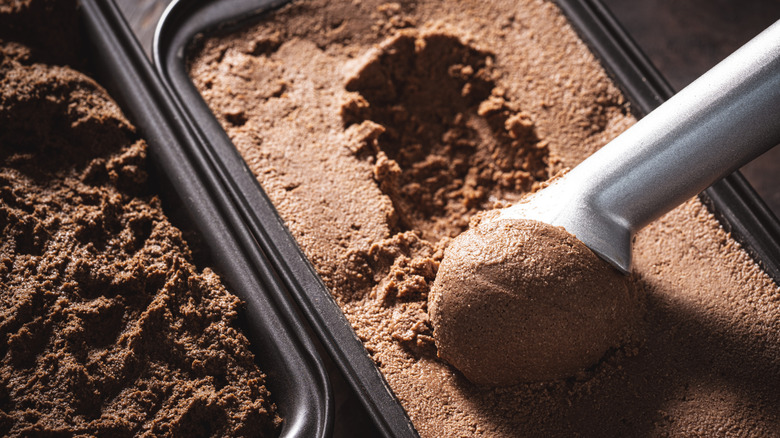
It can be tough to achieve consistency in a restaurant setting, but uniform portions are important, especially for a chain restaurant. It took Craig Culver and his team a couple of weeks to come up with a foolproof method for perfectly sized patties. As legend has it, they first tried using nonstick patty paper to create the burgers and put them on the grill, but it wasn't giving quite the desired results. Then, something clicked — the cooks started digging an ice cream scoop into raw chuck, tossing the ball of meat onto the grill, and using a spatula to flatten it into a patty shape. On top of ensuring consistent sizing, the smashburger technique helped lock moisture inside and gave the burgers a perfect sear every time.
Nowadays, when fresh beef (a blend of chuck, sirloin, and plate) for the ButterBurgers arrives at individual Culver's restaurants, it's already portioned out in small square shapes, which eliminates any guesswork from the equation. It's necessary for the scale at which the chain operates today, but Culver's proudly advertises the story on its website, lending an air of sweet nostalgia to the business. The ice cream scoop trick may be a thing of the past, but you can still use Culver's burger trick at home — it's an excellent way to maintain even sizing while prepping burgers. Don't forget to brush the top buns with butter and throw them on the grill for light toasting.
You can still find Culver's Community Theater ads on YouTube
Culver's has tried out some unusual marketing campaigns and tactics over the years. Curdis the Curd Nerd — one of Culver's adorable mascots, a cheese curd with arms, legs, and blue glasses — has his own blog and an Instagram account with 11.5k followers. In 2022, a Culver's food truck passed through 17 cities across the United States, handing out free cheese curds and frozen custard, à la Oscar Mayer's Wienermobile. The brand launched an Alexa skill that enabled customers to ask Alexa for the Flavor of the Day at their nearest Culver's in 2018. But Culver's Community Theater might be the best campaign the company ever launched.
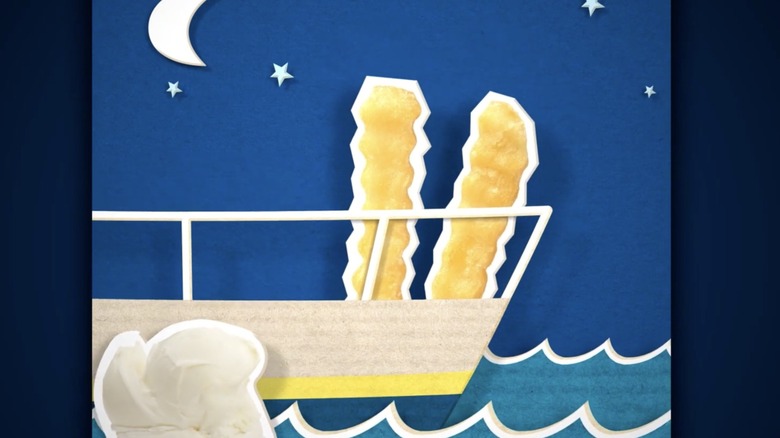
Culver's Community Theater was a series of 15-second clips parodying classic films and TV shows by featuring popular menu items. Targeting a younger market, it was one of Culver's first big forays into Instagram, and the videos made quite a splash when released in late 2014. The animated shorts included titles like "Game of Cones," "Lord of the Onion Rings," and, naturally, "Frytanic," which featured two French fries holding each other on the deck of a ship, with one exclaiming, "I feel like I'm flying!" before a crashing noise is heard and the boat sinks. Unfortunately, Culver's parody era was short-lived, but you can still find Culver's Community Theater ads on YouTube today.
The CurderBurger started as an April Fool's joke
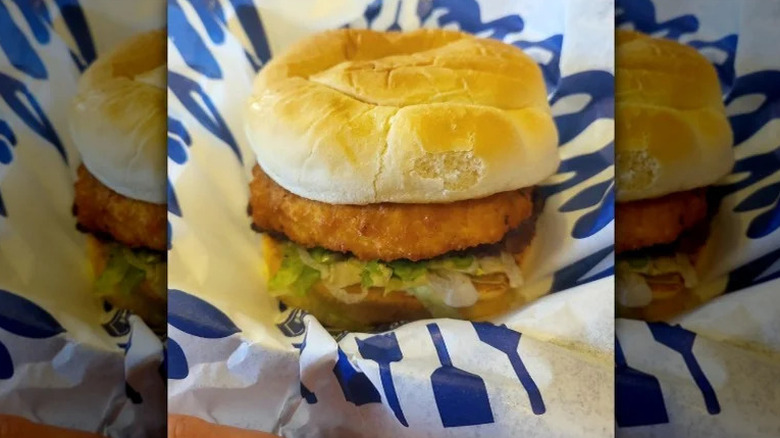
Restaurants love pranking their customers on April Fool's Day. Most gags live and die on social media in 24 hours or less, but in 2021, an epic April Fool's Day caper turned a joke burger into one of Culver's biggest hits: The CurderBurger. On April 1st, 2021, Culver's posted a simple Tweet reading "One big Wisconsin Cheese Curd under a lightly buttered, toasted bun. Isn't it beautiful?" with an accompanying photo. The Tweet quickly went viral. Culver's began to receive phone calls and handwritten letters from hungry fans, and a Change.org petition begging Culver's "to help heal a wounded nation" by making the CurderBurger a reality garnered hundreds of signatures.
There were no immediate plans to bring their customers' cheesy fantasies to life. However, Culver's Director of Menu Development, Quinn Adkins, sensed the sandwich's potential and began covertly experimenting with the idea. Ultimately, Adkins showed a prototype to the senior leadership team, who were overjoyed and requested the CurderBurger be ready to hit restaurants by October 15, National Cheese Curd Day. It was a tight deadline, but the team pulled it off, and unsurprisingly, the product was a smash hit.
The real-life CurderBurger differs from the original advertisement: It's Culver's Deluxe ButterBurger (single or double patty, American cheese, and toppings) topped with a glorious, deep-fried jumbo cheese curd patty made from a blend of yellow and white curds. The CurderBurger has returned to Culver's as a limited-edition item every year since, generally during Curdtoberfest in October. As of now, there are no signs that it will become a permanent menu item, but one can always hope.
It's been primarily family-owned since its founding in 1984
Culver's has had plenty of opportunities to "sell out" over the years. In 2017, a minority stake was sold to private equity firm Roark Capital, which was selected for its reputation for retaining its investments far longer than many other PE firms. As then-CEO Joe Koss told NRN in 2017, "the primary objective we had in finding a partner was one that was aligned with our culture and values [...] We found that in Roark. They're good people." The partnership with Roark has proven a fruitful one, as Culver's has continued to grow steadily over the near-decade since, and most importantly, the Culver family retains primary ownership to this day.
The first Culver's restaurant opened in 1984, but the Culver family's history in the culinary world dates back much further. Founder Craig Culver's parents, George and Ruth Culver, operated Midwestern supper clubs and other restaurants throughout Sauk County, Wisconsin, while Craig and his siblings grew up. George and Ruth co-founded the very first Culver's location with Craig and his wife, Lea, and many Culver's traditions have their roots in Culver family history. Ruth Culver was known as the "Queen of Hospitality" to family and friends, and her welcoming ways serve as the blueprint for the business's customer service model today. Culver's commitment to high-quality dairy was inspired in part by George's one-time job as a dairy inspector and grader. Frozen custard made its way onto the menu as a nod to the Culver family's frequent trips into Milwaukee for the icy treat, often considered the world's unofficial frozen custard capital, during Craig's childhood. Family has been the beating heart of the Culver's business model since day one, and thankfully, there's no sign of that changing anytime soon.
Culver's advocates for sustainability
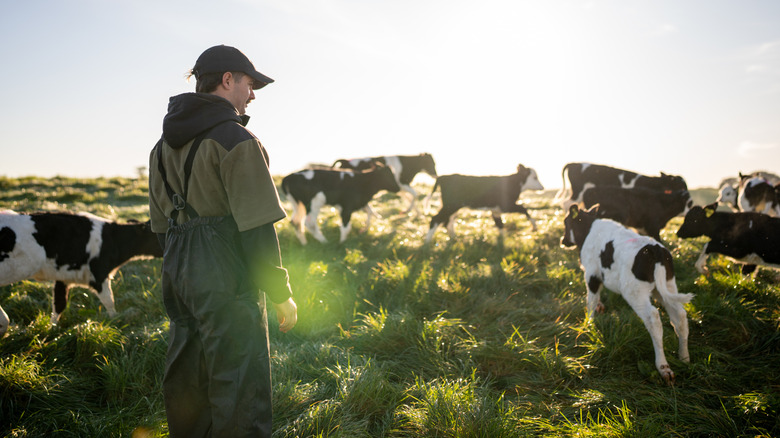
Agriculture is a major industry in the Midwest, and Culver's senior leaders have made a point of supporting green, eco-friendly initiatives for years. The chain's Thank You Farmers project aids in educating the public about agriculture, raises money for hunger relief and food banks, and recently created an FFA (Future Farmers of America) Ambassador Program. Culver's annual "Scoop of Thanks Day," which gives customers a free scoop of frozen custard in exchange for a donation of $1 (or more) to the National FFA Foundation, has raised over a million dollars since its launch in 2016, and Culver's is a proud sponsor of U.S. Farmers and Ranchers in Action's Decade of Ag movement.
Culver's also makes an effort to partner with smaller businesses based in the United States for its products — a win-win, as this more sustainable practice also results in great-tasting menu items. Everything from chicken to dairy to the beef for Culver's ButterBurgers comes from American farms, and its suppliers are committed to safe and humane treatment of animals. Finally, keep an eye out for other promotions and events Culver's runs to double down on its commitment to sustainability, like the "Green and Gold" project — a 2025 initiative in which Culver's donated $1 to organizations like Farmer Angel Network and Farm Family Wellness Alliance for every stream of the movie "Green and Gold" starring Craig T. Nelson.
The famous table tents are remnants from the chain's early days

Culver's falls into the fast-casual dining category, but because its restaurant workers are cooking food to order, it's not quite as speedy as a Wendy's or Taco Bell. Instead of standing around waiting for the cashier to call out their number after placing an order, customers are given numbered table tents and invited to take a seat in the dining area. Food is brought out to individual tables when it's ready, and the table tents make it easy to tell who ordered what. It's a quick and easy-to-understand system that harkens back to a sweet tradition from Culver's early days.
When the very first Culver's opened, Craig Culver and company needed a way to keep customers' orders straight. The team's creative solution was to scribble order numbers on the sides of upside-down Styrofoam cups, which were handed to the customers the same way the table tents are today. It wasn't the most sustainable system, so table tents were implemented to ensure uniformity across locations, cut costs, and prevent waste, but the concept behind the Styrofoam cups system still works well to this day. We absolutely don't condone stealing; however, sadly, some customers do swipe the table tents, particularly those with certain numbers. Culver's table tents with "67" are unfortunately being auctioned on eBay — but please, don't be that person.