

The 10 Best Sauvignon Blancs For Beginners
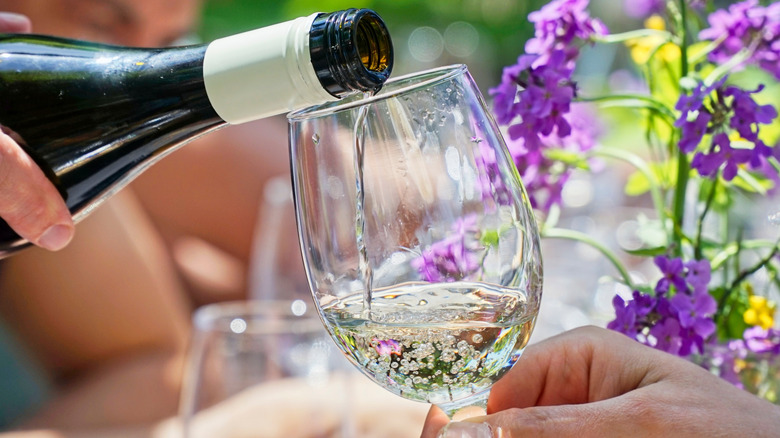
Sauvignon blanc ranks among the world's most popular white wines, so it's a familiar sight in wine shops and on restaurant wine lists. Although the style has certain recognizable characteristics wherever it's grown, the grape can also take on unique aromas and flavors depending on its source. It's typically fresh and vibrant on the palate, making it an excellent option whether you're enjoying a glass on its own or pairing it with food. For beginners, it can be easy to try one sauvignon blanc and assume you've already got a good idea of what the grape has to offer. However, there are plenty of nuances that are well worth discovering, and its distinctive character can also be a useful starting point for exploring other grape varieties.
As a Certified Specialist of Wine and WSET Level 3 holder, my training has given me the opportunity to explore the various styles of sauvignon blanc and its key characteristics. Before that, though, it was my go-to wine while living in New Zealand, where it was the first grape I could easily identify and recognize. It still holds a special place in my heart, and I think the range of styles it offers makes sauvignon blanc a great way for novice wine lovers to learn how terroir can influence wine.
With that in mind, I've put together a selection of entry-level sauvignon blancs that are perfect for beginners. These bottles span the globe, representing key growing areas and styles. Read on to discover the bottles you'll want to pick up if you're keen to learn more about sauvignon blanc.
1. Cloudy Bay Sauvignon Blanc
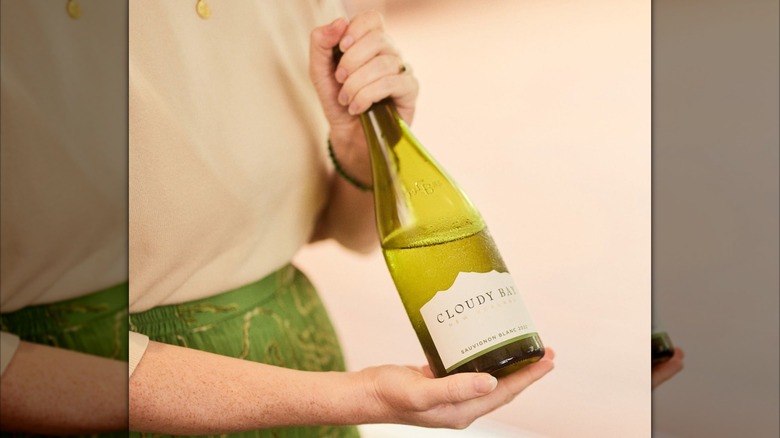
When it comes to sauvignon blanc, few wineries are as iconic as New Zealand's Cloudy Bay. The winery began production in the mid-1980s, helping put the Marlborough region on the map as one of the world's top sources of sauvignon blanc. The winery's focus on quality is demonstrated by its comparatively low grape yields, and it employs sustainable agricultural methods in its vineyards. Any beginner keen to understand sauvignon blanc should sample a bottle from Marlborough, and this producer is an icon.
Cloudy Bay Sauvignon Blanc is a classic expression of New Zealand terroir, made with grapes from several vineyards in the Wairau Valley, which is known for its warm, dry climate. Each batch of fruit is fermented separately before the best lots are blended together. The majority of the fruit is fermented in stainless steel tanks, with just under 2% fermented in large oak vats to add complexity. The result is a wine with classic New Zealand characteristics, including aromas of elderflower, lemon curd, lime, peach, nectarine, and grass. It's an excellent pairing for fresh seafood, salads, and tangy cheeses.
2. Greywacke Wild Sauvignon
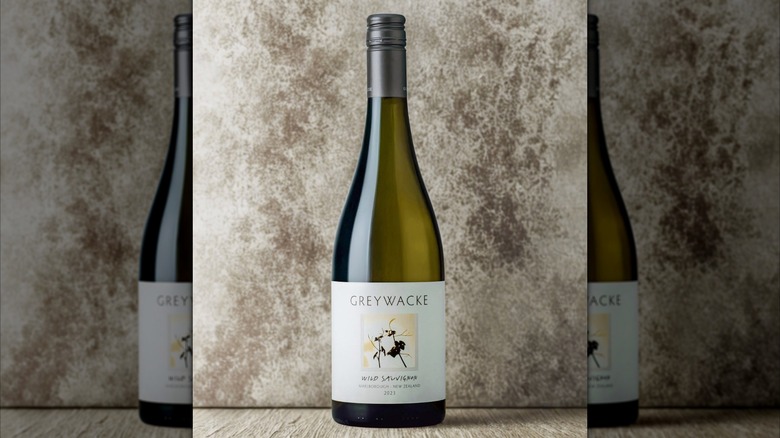
With terroir perfectly suited to sauvignon blanc, Marlborough has become a thriving hub for the varietal over the decades. Founded in 2009, the family-owned Greywacke winery takes its name from the unique bedrock found across the region. Its vineyards focus on sustainable agriculture, with organic farming used where possible to help protect the surrounding ecosystem. Vineyard management also prioritizes slow ripening, allowing the grapes to build layers of flavor over time. The winery uses wild indigenous yeasts for fermentation, helping to express the grape's pure character. This offers another expression of the Marlborough terroir, giving beginners another perspective on a key sauvignon blanc region.
Greywacke Wild Sauvignon is made with grapes sourced from vineyards with diverse soil types, allowing it to showcase the region's varied terroir. Once the grapes are harvested and pressed, they're transferred to oak barrels, including a small proportion of new oak, where they undergo spontaneous fermentation. The wine is then aged on the lees — the dead yeast cells left behind after fermentation — and regularly stirred to give it a creamy mouthfeel. It displays citrusy aromas along with hints of peach, elderflower, dried fruit, and honey. Bright, refreshing acidity balances the wine's tropical fruit notes, giving it additional nuance. Serve this wine with seared scallops, risotto, or roasted chicken.
3. La Légende de Saint Martin Cuvée Prestige Sancerre
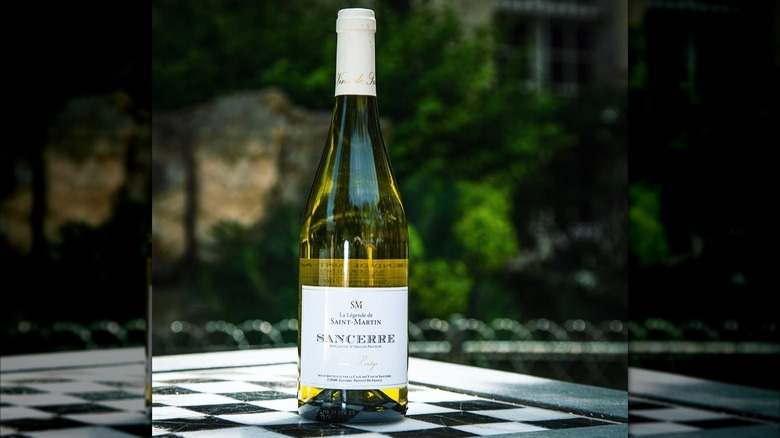
While the allure of New Zealand sauvignon blanc comes from its ripe, tropical fruit aromas, wine from France's Loire Valley expresses itself differently. Sancerre's cool climate and chalky limestone soils result in a high-acid, mineral-forward expression unlike any other. Although these wines lean toward the pricier end of the spectrum, they're still worth sampling as a beginner — many people consider Sancerre the benchmark for traditional sauvignon blanc.
La Légende de Saint Martin is a small family estate currently run by a father-and-son duo. The steep clay and limestone vineyards provide excellent terrain for growing sauvignon blanc grapes, while the centuries-old cellar offers the perfect space for the wines to evolve. The sustainably grown fruit is hand-harvested and fermented in stainless steel tanks to retain its fresh essence, then matured on the lees for a short duration to add texture to the palate. The result is a vibrant, crisp wine with the flinty mineral character typical of Sancerre. Notes of grapefruit, lime, and lemon are present, along with hints of chamomile, herbs, stone fruit, and green apple. Pair it with goat cheese for a classic match, or serve it with oysters or charcuterie.
4. Benziger Paradiso De Maria Sauvignon Blanc
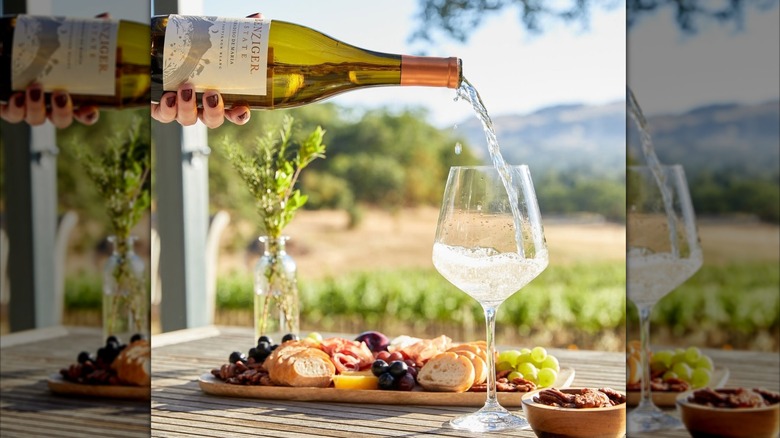
Sauvignon blanc might not be a dominant grape in California, but the local varieties — particularly those from Sonoma — are definitely worth tasting, especially if you always stick to chardonnay and are looking to branch out. Benziger is a third-generation family winery that has practiced biodynamic agriculture since the mid-1990s with the aim of fully expressing the region's terroir and its nuances. Sustainable and organic practices are central to the winery's philosophy, ensuring its vines flourish in tandem with the surrounding environment. Sheep, cattle, insects, and birds all contribute to the biodiversity of the land, which is also home to olive groves.
Benziger's Paradiso De Maria Sauvignon Blanc is made with Sonoma County grapes harvested from 30-year-old vines, originally clones from the Loire Valley. The vines are grown without irrigation, encouraging their roots to dig deeper and leading to more concentrated flavors. Thanks to the region's warm, sunny days and cool nights, the fruit ripens fully while retaining its freshness and acidity. The grapes are hand-harvested and fermented in a combination of stainless steel tanks and French oak barrels, then aged on the lees for a few months. Aromas of citrus, gooseberry, green apple, and kumquat fill the glass, along with mineral notes of crushed stone. Pair it with shellfish pasta or rich, creamy cheese, and it's sure to appeal to sauvignon blanc beginners and experts alike.
5. Montes Limited Selection Sauvignon Blanc
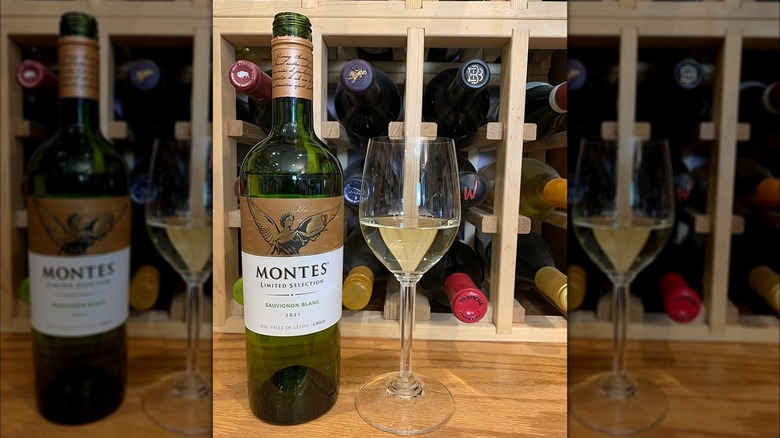
Chile's proximity to the coast makes it an excellent location for sauvignon blanc, so it's no surprise that it's the second most planted grape variety in the country. The fruit ripens with the daytime heat, then retains its acidity as nighttime temperatures drop, ensuring it remains flavorful and fresh. Montes Wines is a top Chilean producer and has been in business since the late '80s. The winery has continued to innovate and expand its vineyard holdings over the years, offering a broad perspective of the country's rich viticultural landscape. Montes also prioritizes a sustainable approach to winemaking – from the vineyard environments to the surrounding community — ensuring there's room for it to scale in the long term.
Montes Limited Selection Sauvignon Blanc is made with fruit grown in the Leyda Valley, one of Chile's key cool-climate vineyard areas. For beginners who want to taste the nuances of how cooler climates affect acidity and freshness, this is an excellent option. After harvest, the grapes are kept cool during fermentation to preserve their freshness and maximize their aromatics. Stainless steel tanks are used to ensure the purity of the fruit remains front and center. Notes of tropical fruit and citrus are prominent on the palate, along with herbal aromas and a mineral finish. You can't go wrong serving this wine with fresh seafood, especially a Chilean-inspired ceviche.
6. Les Vignerons de Tutiac Sauvignon Blanc
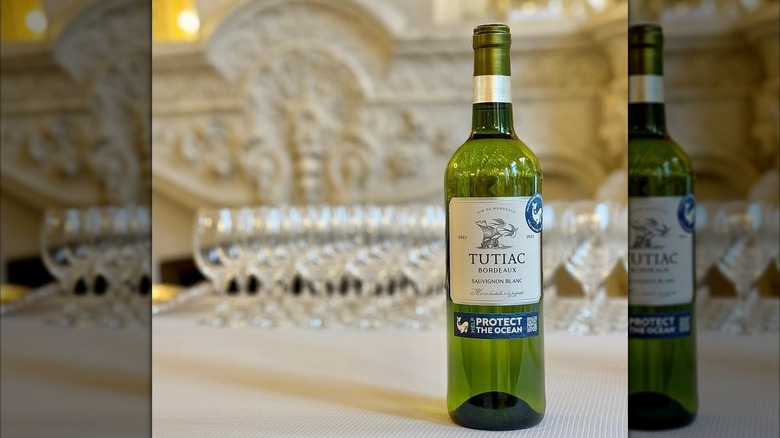
Outside of the Loire Valley, French sauvignon blanc is most notably grown in Bordeaux, where it's often combined with semillon to create blended white wines. However, it can also be used to make single-varietal sauvignon blanc, showcasing one of its historic terroirs — a great way for beginners to learn more about the grape. Tutiac has been around for more than half a century, but the foundations of its vineyards date back far earlier. It produces wines in over a dozen subregions across both the Left and Right Banks of Bordeaux, highlighting the area's diversity in each viticultural expression. With vineyards spread across such a vast and diverse region, Tutiac operates as a wine cooperative, working with hundreds of growers to showcase the character of Bordeaux's varied terroirs.
Tutiac's white Bordeaux is made with organically farmed sauvignon blanc grapes grown in sandy soils, with the terroir helping to draw out their fruity and aromatic character. The wine is fermented in stainless steel tanks with some skin contact to further increase the aromatic potential, then briefly matured on the lees to round out the texture. The result is a fresh, aromatic expression with notes of grapefruit, lime, passionfruit, and lychee, alongside fresh herbs and grassy hints. Serve it with poultry, seafood, or a cheese board.
7. Cape of Good Hope Wines Altima Sauvignon Blanc
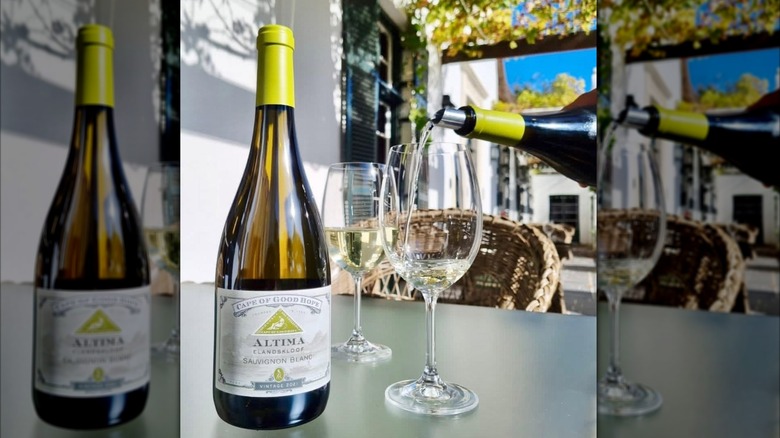
Although perhaps not as well known as some of South Africa's other staple wine styles, sauvignon blanc has been grown locally since the 1600s. With a multitude of microclimates boasting plenty of sunlight, warmth, and cooling ocean breezes, the terroir is well-suited to this white wine grape, making it a perfect opportunity for beginners to sample something distinct. Since it was founded in 2011, the Cape of Good Hope brand has focused on producing wines from some of the oldest vines in the country. Although yields are lower, these wines tend to showcase more highly concentrated flavors and aromatics.
The Altima Sauvignon Blanc is made with fruit grown at high elevations in the Western Cape, where cooler temperatures help mitigate the region's heat. The grapes are hand-harvested, then the juice is left in contact with the skins for a brief period to enhance the aromatic complexity. Fermentation takes place at cool temperatures in stainless steel tanks, after which the wine remains in contact with the dead yeast cells for a few months, building a creamy texture and fuller mouthfeel. The result is a bright, crisp wine with prominent tropical fruit notes of guava and kiwi, complemented by citrusy flavors and a rounded texture. Pair it with a vibrant salad, quiche, or seafood pasta.
8. Attems Cicinis Collio
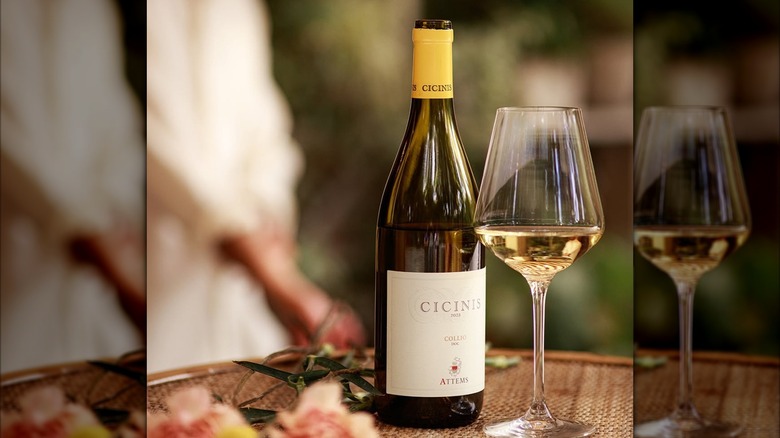
Although Italy is better known for pinot grigio, certain regions produce excellent sauvignon blancs that are well worth seeking out. They're also a great way for beginners to explore a different side of Italian white wine. In Friuli-Venezia Giulia in northeastern Italy, Attems has been making wine for centuries. In 2000, ownership of the estate was transferred to Marchese Vittorio Frescobaldi, an important Tuscan producer. The winery focuses on promoting biodiversity and highlighting the unique characteristics of its vineyards, where varying soil types and microclimates shape the character of the wines.
The current winemaker, Daniele Vuerich, says that sauvignon blanc is his favorite variety to work with, noting that it best exemplifies the characteristics of the terroir. Attems produces two sauvignon blanc bottlings, including Cicinis Collio, which takes its name from the hill where the vines are grown. The fruit is harvested by hand, then fermented in a combination of barriques and concrete vats before remaining on the lees for several months to develop a richer texture. The wine displays mineral and stony notes alongside hints of hay and wildflowers. Citrus flavors add freshness and acidity to the structured palate, which remains savory and balanced. Serve it with a creamy risotto, chicken, or pork.
9. Ferrari-Carano Fumé Blanc
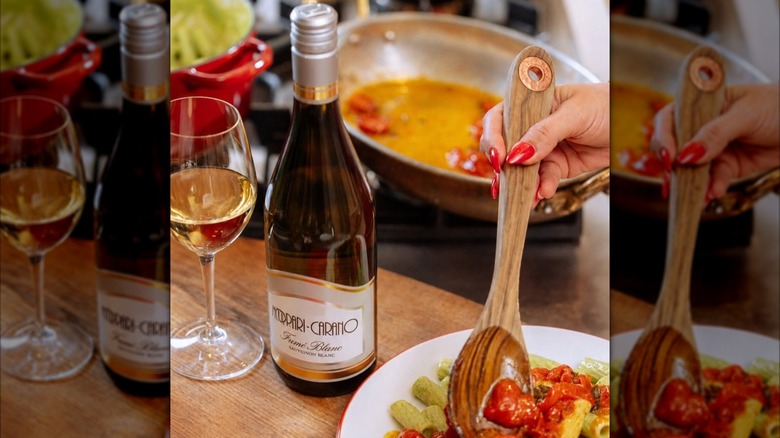
The term Fumé Blanc was coined by Robert Mondavi in the late 1960s to distinguish a style of oak-aged sauvignon blanc, and it's now considered a classic style that belongs in any beginner's repertoire. Although it's now used more loosely, the name remains associated with California and Washington sauvignon blanc, and some wineries continue to use it for wines with oak influence. Ferrari-Carano in Healdsburg, California, takes a more restrained approach, fermenting 30% of its Fumé Blanc in neutral French oak while the rest is carried out in stainless steel.
The barrel-fermented portion of Ferrari-Carano's Fumé Blanc is then aged on the lees for two months, with the wine stirred regularly before being blended and bottled. This adds body and complexity while preserving the wine's bright, crisp character. Tropical fruit flavors are prominent on the palate, with notes of guava, pineapple, and mango alongside peach and lemon. The result is a well-balanced, food-friendly wine with enough oak influence to add complexity without overwhelming the fruit. Serve it with spicy Thai or Mexican cuisine, or keep it simple with a light seafood dish.
10. Bodega Norton Barrel Select Sauvignon Blanc
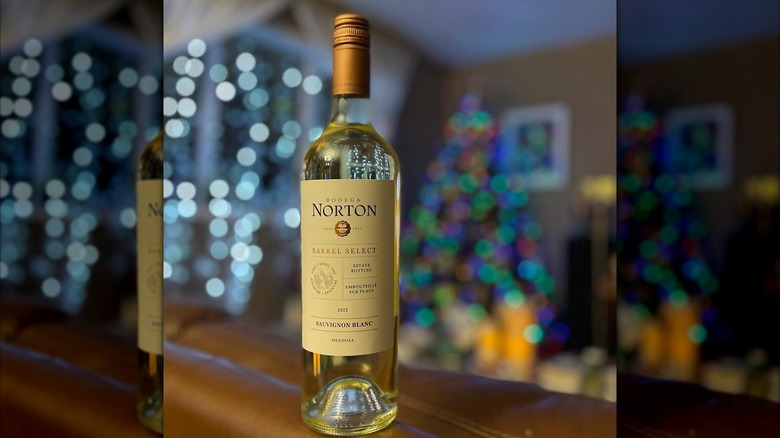
Argentina has been gradually producing more high-quality sauvignon blanc in recent years. The country's combination of warm, sunny conditions and high-altitude vineyards allows the grape to ripen fully while retaining its freshness and acidity. Its diverse vineyard landscapes also allow for a broad range of expressions, which can help beginners understand what styles they most enjoy. Bodega Norton has been producing wine for over 100 years, continuously expanding and innovating while holding true to its core philosophies. These include a focus on supporting the vineyard environment through sustainable practices that benefit the surrounding ecosystem.
Bodega Norton's Barrel Select Sauvignon Blanc is made with fruit grown in the Mendoza province at around 3,000 feet. The wine is fermented in a combination of stainless steel tanks and old French oak barrels, then matured in concrete vats and second-use oak barrels before bottling. The combination of vessels adds depth and complexity while allowing the wine to retain its freshness. The result is a wine with notes of green apple, herbs, and hints of tropical fruit, alongside subtle aromas of vanilla and coconut from the oak influence. Pair it with seafood or a creamy pasta dish for a savory match.
Methodology
When selecting these sauvignon blanc wines for beginners, I considered the grape's key growing regions around the world to provide a taste of its benchmark styles. This included a range of climates and terroirs, highlighting how sauvignon blanc can express itself differently depending on where it grows. I also chose a mix of wines fermented or aged in stainless steel tanks and oak barrels, as these cellar practices can significantly influence the resulting wines. Finally, all of these wines are food-friendly, making them great options for beginners to serve with a meal as they discover the nuances of sauvignon blanc.