

California Vs France Vs New Zealand Sauvignon Blanc: What's The Difference?
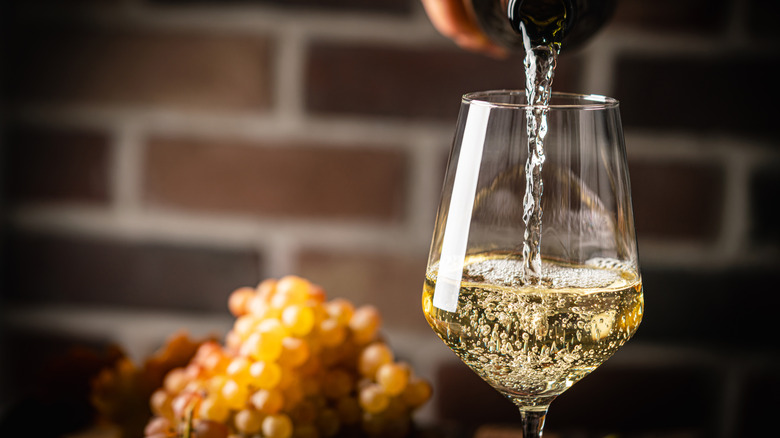
Understanding what makes different wines unique can be difficult for non-experts (so almost everyone), and that's especially true of a grape that is as widely produced as sauvignon blanc. The grape likely originated in the Loire Valley in France, though it is now planted in many wine-producing regions around the world. California and New Zealand, in particular, have become known for their sauvignon blanc. The same grape is used in each region, but French versions are known to differ significantly from their California and New Zealand counterparts.
Sauvignon blanc's crisp, light flavor has made it popular enough that many people might think they understand what it is "supposed" to taste like, but the grape has some of the most regionally driven flavors of any popular wine grape. The biggest divide to start with is between the "old world" styles from France and "new world" wines from anywhere else, although those terms are falling out of favor as outdated and inaccurate. But broadly, sauvignon blancs from France tend to be lighter, lower in alcohol, and more earthy and mineral-forward compared to wines from California and New Zealand. This is the result of local winemaking traditions, and also terroir, an essential term used for wine and some other agricultural products. Terroir is broadly defined as the influence that the geography and climate of a local growing region have on a food or drink's flavor. This can include everything from the average temperatures and rainfall, to the soil composition and the degree of the slope the vines are planted on.
France produces lighter sauvignon blanc with more mineral notes
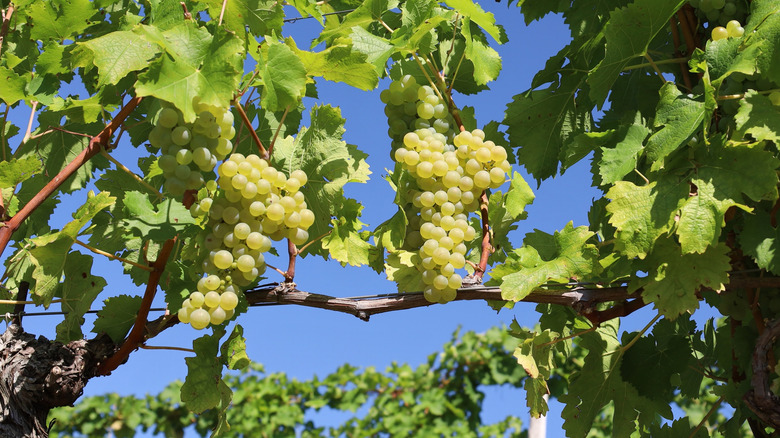
Unlike some modern viticulturalists aiming for broad appeal and consistency, more traditional "old world" winemakers in France often lean into terroir and make wine that reflects the region, which is part of what makes their sauvignon blanc distinct. The Loire Valley has very mineral-rich soils, and sauvignon blanc from the region takes on that flavor. Those chalky, gravelly soils can even give it a smoky flavor. The relatively cool, moderate climate of the region also enhances the fruity flavors and acidity of sauvignon blanc.
Within France, there are also smaller regional differences in how sauvignon blanc is produced. Sancerre, Reuilly, and Pouilly-Fumé are among the primary Sauvignon blanc regions in the Loire Valley. Sancerre is often considered one of the most special, and in addition to those classic minerally notes, winemakers there will age their wines in neutral wood barrels to soften the flavors. Pouilly-Fumé, meanwhile, produces the more smoky options.
Looking at wines from southern France, Bordeaux is another big producer of sauvignon blanc. There it is often blended with other grapes to produce a wine called white Bordeaux. These are either rich and creamy or light and fruity, with more honey notes, along with the grassy and citrus flavors the grape is known for. Bordeaux sauvignon blanc also uses less barrel aging than other areas, and allows less lees contact, which means leaving in the yeast left over from fermentation. This gives the region's sauvignon blanc a richer flavor and texture.
New Zealand and California sauvignon blanc are fruitier
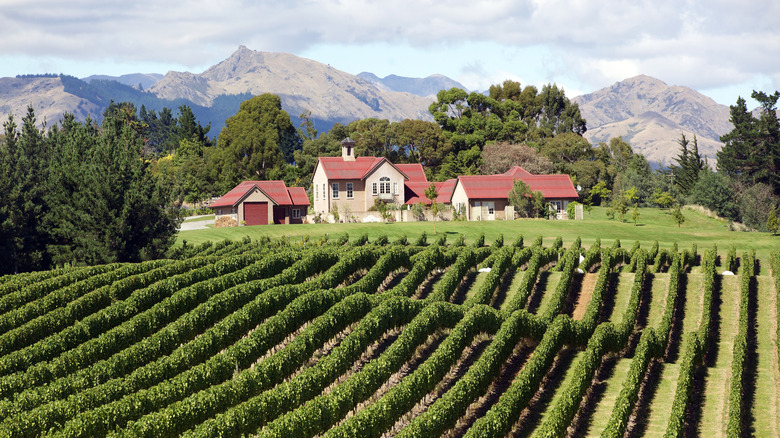
Sauvignon blanc from New Zealand and California tends to be bolder and fruitier, although the cooler climate of New Zealand produces wines that are closer to the acidic French styles. The island nation gets a mix of moderate temperatures, sunshine, and sea air that is considered ideal for sauvignon blanc, producing wine that is still crisp and herby, but has more fruit-forward tasting notes than those from France. The soil in New Zealand's growing region, mostly on the South Island in the region of Marlborough, is clay-rich, sandy, and gravelly, which limits the grape yield on the vine, but produces more concentrated flavors that make the resulting wine extra complex.
Another strong impact on New Zealand sauvignon blanc, which also affects California, is sunlight. New Zealand's wine regions get almost 50% more sunlight than their French counterparts. This gives the wine made there more fruity flavors, but also punchy notes of zest and spiciness.
California sauvignon blanc retains and doubles down on the fruitiness of New Zealand, but sheds some of the acidity. Because it's the warmest overall of the three regions, California's versions of the wines move beyond fruit citrus notes into more tropical fruit and stone fruit flavors, although the citrus can still be present too. The extra sunlight also ripens grapes more. For California sauvignon blanc, this can mean a wine with a smoother mouthfeel than New Zealand or French offerings, and less of the grape's signature acidity. With so much variety to appeal to a wide range of tastes, it's no surprise that sauvignon blanc has become one of the most popular types of white wines in the world.