

This Is What The Average 1950s American Dinner Looked Like For Families On Tight Budgets
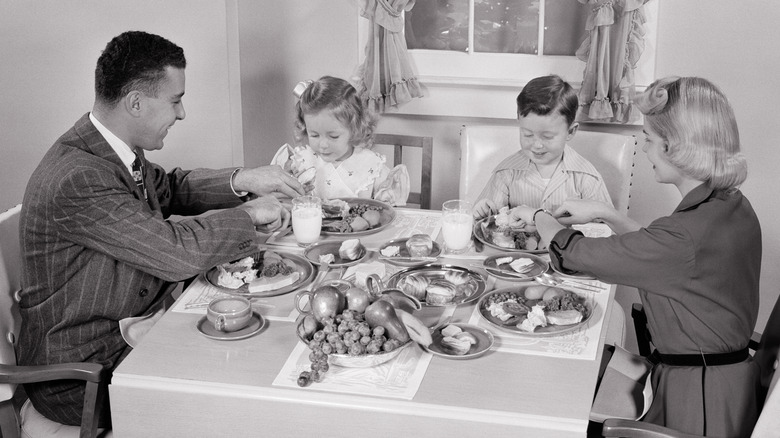
Many American families looking to put hearty, flavorful meals on dining room tables in the 1950s were more concerned about budget than aesthetics. Households typically operated on one income, and home cooks relied on basic ingredients to put recipes together. With a bit of meat and some vegetables, thrifty recipes passed down from family to family could make good use of standard grocery staples.
Many recipes from the era leaned on canned or more affordable cuts of meat rather than fresh, premium cuts. Cheap meat-based recipes like liver and onions were common both on weeknight dinner tables and restaurant menus. Dishes like casseroles and one-pot meals weren't made to be trendy, but to feed many mouths with little waste.
Whether you're operating on a tight budget or looking to put together menus with limited resources, our list of foods and ingredients that made appearances at mealtimes in the '50s may remind you to include an unlikely dish in your weeknight routine. Perhaps you even bring an old favorite into Sunday's meal prep session. Sometimes old is gold, and frugality certainly doesn't have to mean flavorless.
Meatloaf
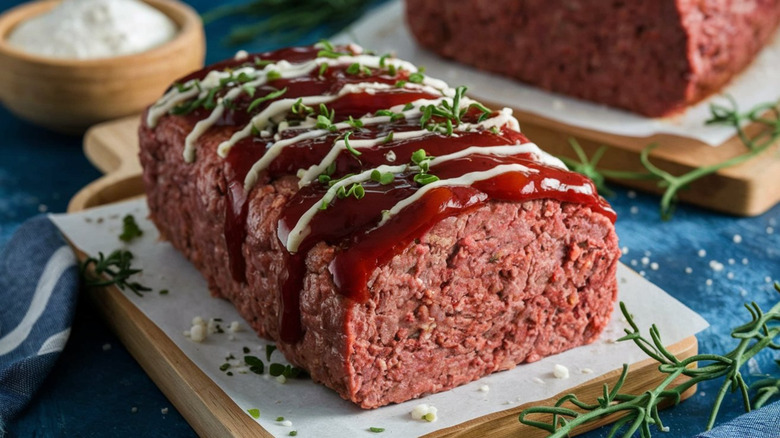
Ground meat can be stretched further when combined with breadcrumbs or oats. The technique dates back to Great Depression (and later World War II) rationing and stuck around into the 1950s. Classic meatloaf recipes can feed an entire family and even offer leftovers for the next day's lunch. Topped with ketchup or barbecue sauce, the easy staple doesn't taste like a budget option and makes for a satisfying dinner that even novice cooks can manage to put together.
Jell-O salads
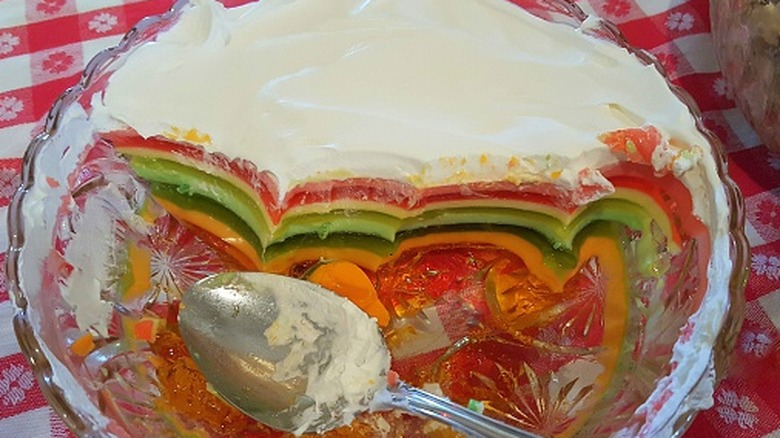
Jell-O salads have an enduring history largely due to their versatility. Instant gelatin was cheap, and its no-fuss prep was appealing to postwar homemakers juggling many responsibilities. Shelf-stable gelatin can be boosted with fruit and veggies to produce a unique-looking meal. When formed into decorative molds, these brightly colored dishes brought liveliness to party spreads in the '50s without a significant price tag attached. Some cooks even used meat in their recipes, proving that options were endless if Jell-O was involved.
Casseroles
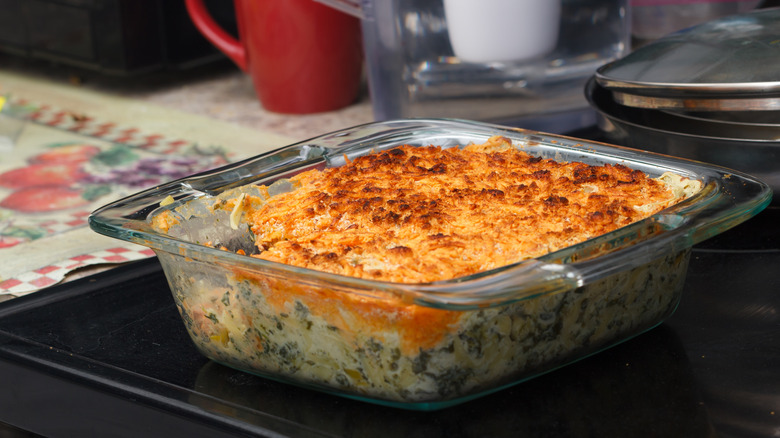
Tuna noodle casserole has persisted for decades and has become something of a poster child for frugal cooking. Made with inexpensive ingredients like canned tuna, canned soup, and boxed egg noodles, this filling meal can be made with items pulled straight from the pantry. The forgiving casserole format also helped 1950s cooks switch up flavors with different proteins and canned vegetables.
Liver and onions
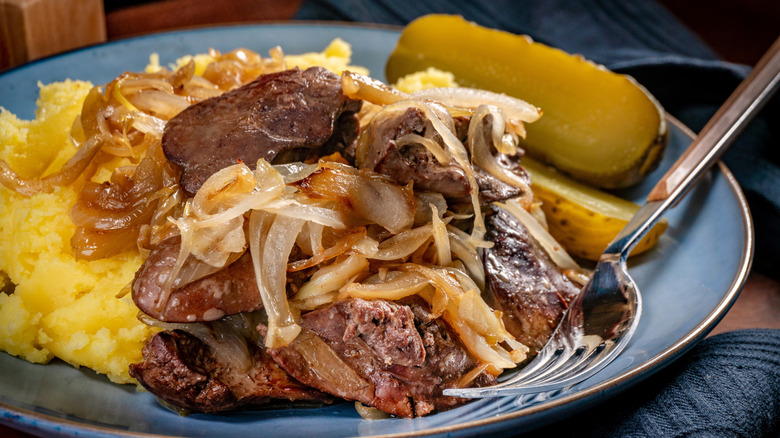
When looking to feed families with limited means, organ meats were appealing due to their much lower price compared to other meats. Sliced thin and pan-fried with onions, classic liver and onions has shown that even inexpensive cuts of protein can yield hearty meals. What this plate lacks in appearance, it makes up for with savory flavor and tons of nutrients.
Chicken and dumplings
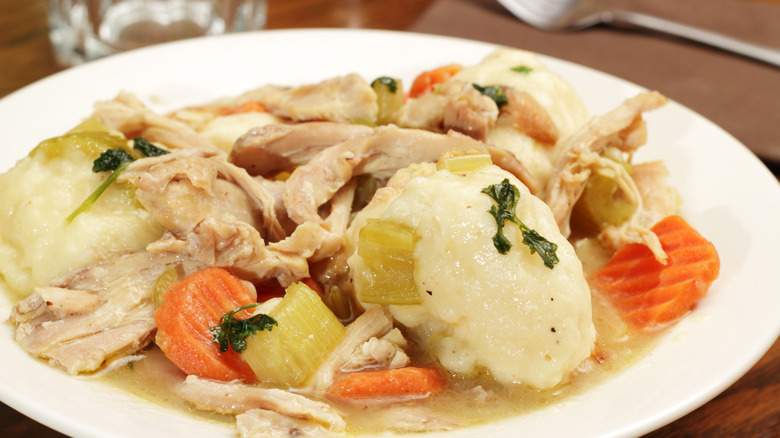
Chicken and dumplings take a single chicken and stretch it by incorporating shredded meat into a flavorful broth and adding basic flour-and-milk dumplings for extra bulk. The resourceful Depression-era recipe turns a modest buy into a filling meal without having to open wallets wide for extra protein. The meal is one of comfort for many and can be easily modified with vegetables and herbs to suit any taste.
Meat-free meals
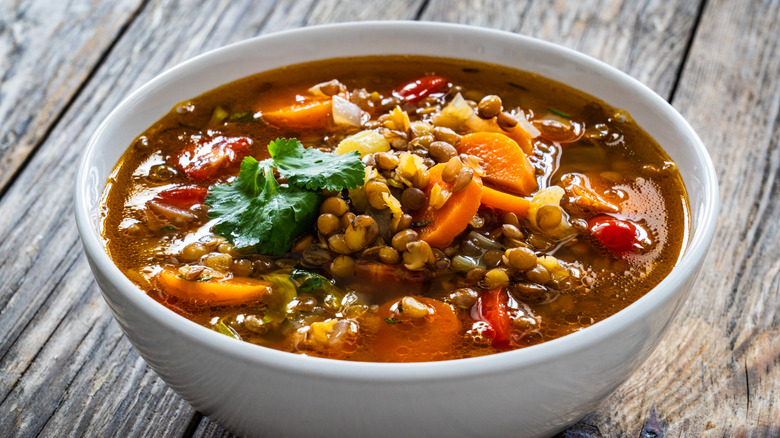
Though meatless Mondays were first pioneered by Herbert Hoover to help with war efforts, meat-free recipes can be cheaper to put together than those that call for protein. Indeed, serving weekly meatless dinners can help families keep grocery spending in check. With ingredients like beans, bread, veggies, and eggs, meat-free meals can be both tasty and filling, instead of feeling like a compromise for cheap grocery shopping.
Canned vegetables
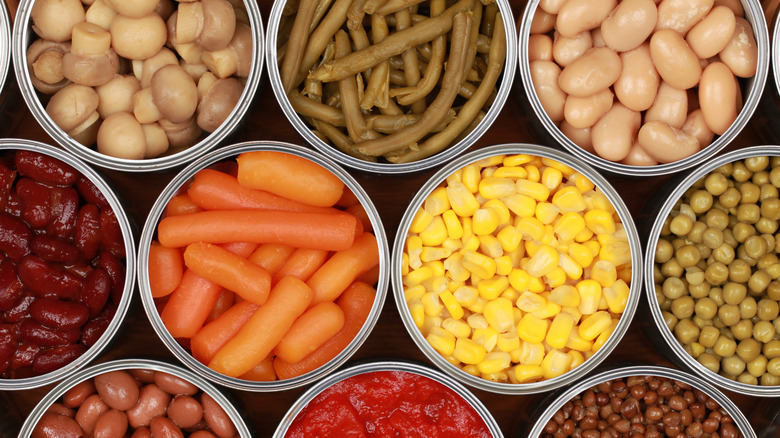
For those looking to add produce to meals, canned veggies provide a more affordable option than fresh ingredients. Canned vegetables worth stocking in your pantry have rightfully earned their place. All '50s cooks needed to do was open a can to have a tasty side dish with dinner. Available year-round, shelf-stable green beans and canned corn can also be easily folded into recipes for added nutrition.
Pot pies
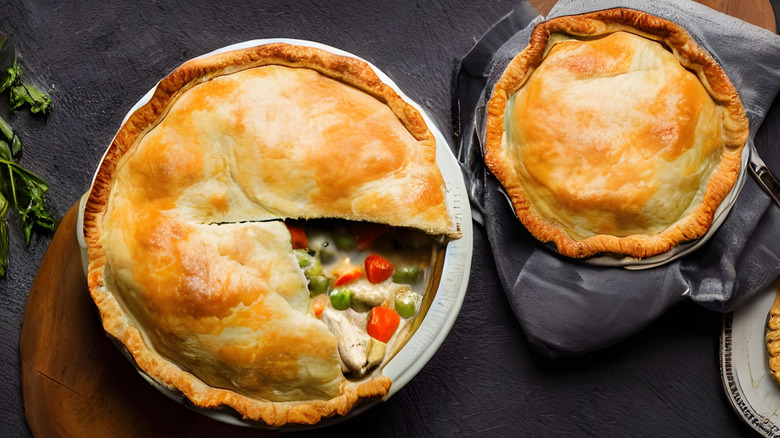
Packed into a simple pastry crust, leftover chicken and veggies can be transformed into a comforting chicken pot pie. This meal is an affordable way to give leftovers a second life while reducing food waste. Even pantry staples like canned vegetables and beans can create a hearty, satisfying dinner, making pot pies a budget-friendly option when fresh ingredients aren't readily available.
Fish patties
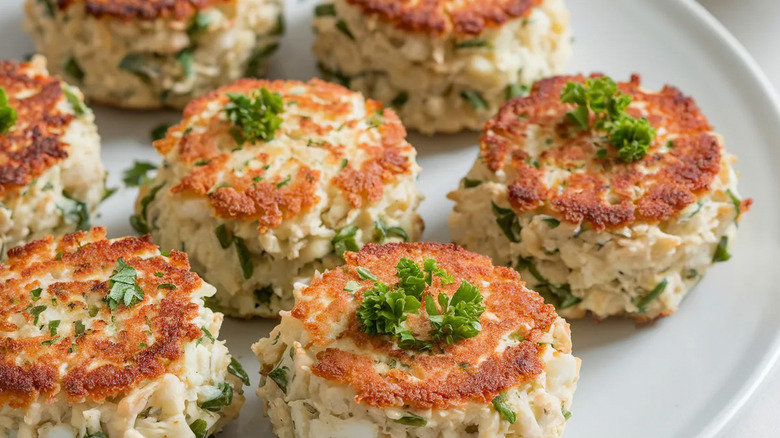
When seasoned and combined with egg and breadcrumbs, both canned and inexpensive fish can be formed into patties and fried. This alternative is often cheaper than recipes made with meat and can include leftover ingredients to enhance flavor. In a lineup of meat-based meals, tasty salmon cakes made with cheap canned salmon can provide a fresh, nutritious weeknight meal.
Spam

Canned meat like Spam was commonly used in recipes to feed guests in the 1950s. The low-cost ingredient can be sliced and fried and placed into sandwiches or tucked into casseroles. With a long shelf life, Spam has provided an option for families who aren't able to make regular trips to the butcher.
Navy bean soup and stews
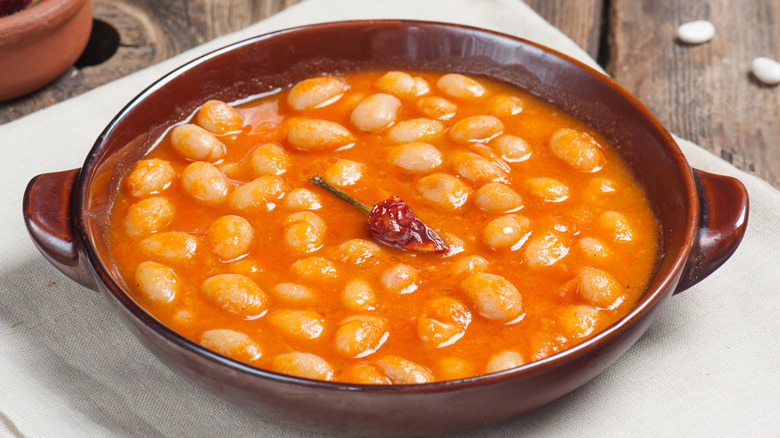
Dried and canned navy beans offer an affordable protein that can be mixed into soups and stews. The U.S. Senate's own bean soup recipe is made with navy beans and ham hock, has been on the Capitol Hill menu for over a century. It was a fixture on kitchen tables in the 1950s. Served with bread, these stews are an easy one-pot dinner that is both light on the budget and can be dressed up with staple ingredients.
Roasts
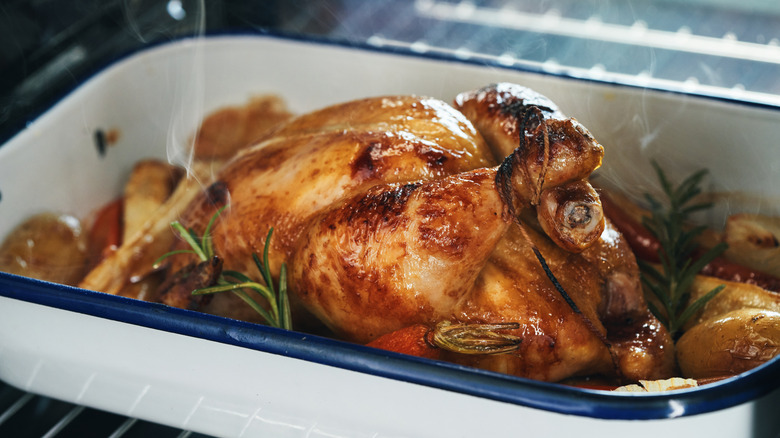
Whether made with chicken, pork, or beef, pot roast recipes can stretch a single, affordable cut of meat into several meals throughout the week. Leftover roast can be repurposed into sandwiches, soup, and other dishes, helping families get more value from one purchase. Buying a larger cut and portioning the meat across multiple meals is another practical and thrifty way to feed more mouths while making the most of a grocery budget.
Cornmeal
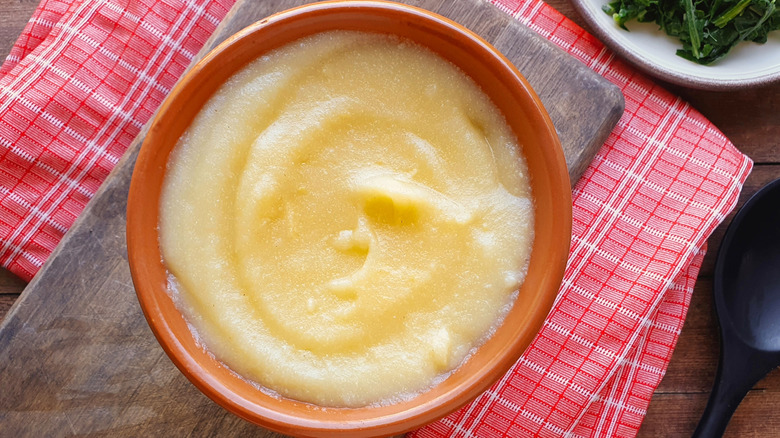
Cheap and adaptable, cornmeal and polenta are the kinds of ingredients that earn their keep in a kitchen. Not only could cornmeal be turned into cornbread to accompany stew served in the '50s, but it can also be fried into mush or used as a coating for meats and fish. This budget-friendly item conveniently rounds out a meal without relying on bread or potatoes to fill bellies.
Gravies
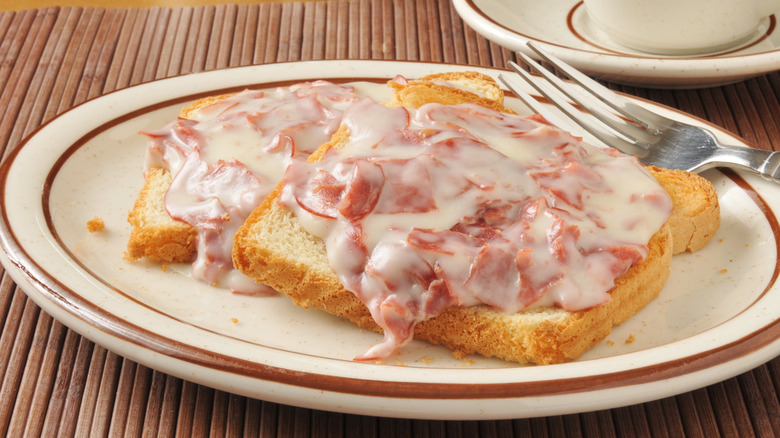
Some may remember chipped beef gravy served on toast as an old-school diner food, but using gravy in recipes has helped turn smaller pieces of meat into more satisfying meals. Gravy is the kind of can stretch meals without needing to reach for an extra piece of meat, and seasonings can be adjusted depending on what is stocked in the kitchen. No wonder it's always been an affordable staple in the South.
TV dinners
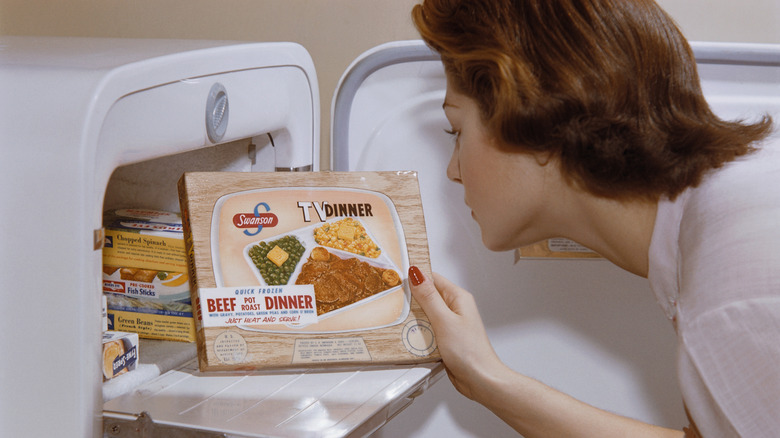
The rise of TV dinners in the '50s offered convenience for cooks used to putting meals together. Though the new product wasn't always as cheap as cooking from scratch (though it was incredibly inexpensive), the popularity of easy-to-prepare food showed that many homemakers were looking for a way to put dinners on the table fast and with less effort than step-by-step recipes. Of course, the dance between convenience and budget certainly wasn't unique to the time.