

Here's What Circle K Does With Unsold Food (But Fans Are Noticing A Hidden Agenda)
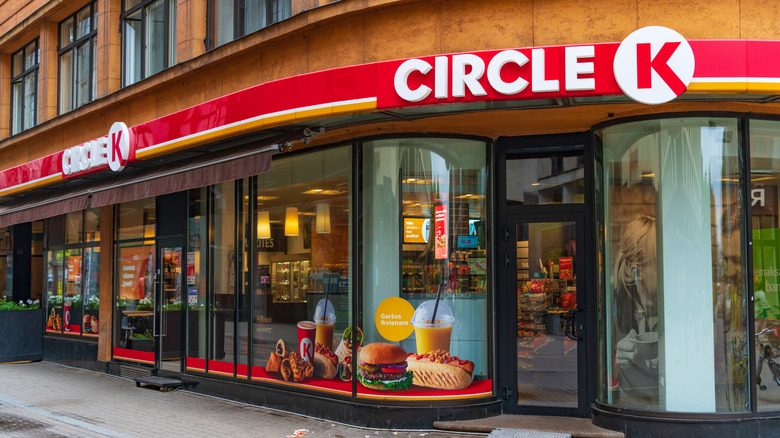
It's welcome news when technology, such as apps like Too Good To Go, allow businesses to manage prevalent environmental and social issues, like redirecting the 29% of our food that goes unsold or uneaten. The platform allows restaurants and retailers to sell food that's about to go to waste to customers at a significantly reduced price, rather than sending it to the landfill. Originally launched in Copenhagen, but slowly gaining more commercial partners in North America, one of Too Good To Go's most widely available suppliers is Circle K. In fact, many have found that in their area, Circle K is the only business on the app. In theory, this would simplify the destiny of unsold food in the convenience and gas station chain. However, some fans of the platform (and Circle K), have noticed a pattern that might suggest the gas station could be using the app more to drive foot traffic and promote its own brand products than to manage food waste.
On Reddit, the great intersection of the internet, customers, staff, and observers gather to discuss their experience of Circle K and Too Good To Go's partnership. One customer expresses their theory: "It's a profit trap. Circle K is using Too Good To Go to make money even at ⅓ price, leverage foot traffic, and even profit on top of that on gas and additional sales, while giving customers very low cost items, that aren't actually worth the promised value."
Strange things are afoot at the Circle K
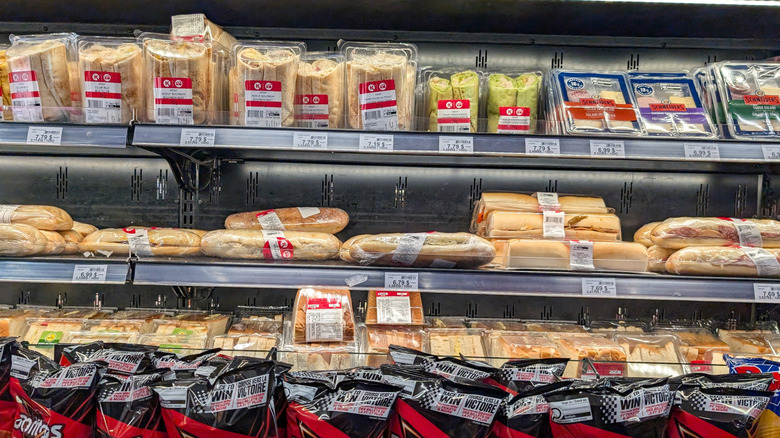
Many stories across several Reddit threads describe customers using Too Good To Go to purchase a "Surprise Bag" from Circle K, only to find the system misused. Some claim to have received food with as long as two weeks left on its shelf life, or even describe having been allowed to select fresh food from the shelves to make up their own bags. "Even though that was good, it did cross my mind that they're clearly not using the system as intended at all," writes a Redditor. This approach delivers on providing higher value to the customer, but forgets the food-waste management end of the deal.
Not all accounts are the same, however, and one story describes receiving a variety of food items from Circle K that were nearing their expiration date or appeared to be obscure products that likely didn't sell well. Another commenter supposes that the store likely just provides some customers with fresh food when there aren't enough almost-expired items to fill their Too Good To Go order. However, this still doesn't satisfy the purpose of the platform, which is to find a purpose for food that's destined for the trash.
Platforms such as these require cooperation from the staff and managers on the ground, as with Tim Hortons, which uses the app to sell leftover donuts. Many grocery chains also donate unsold food, demonstrating that there are several viable avenues for food waste. Some chain restaurants even donate leftovers to organizations like Feeding America and others to get unsold food to the one in seven Americans experiencing food insecurity.