

11 Grocery Chains That Regularly Donate Unsold Food
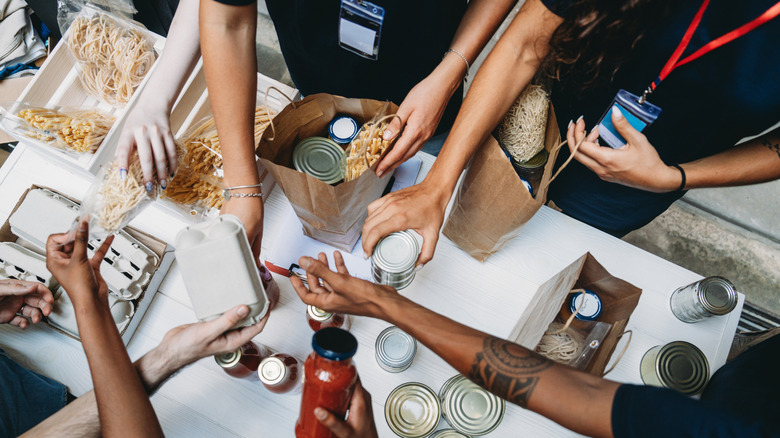
While most Americans have or are able to obtain enough to eat, food insecurity still plagued 18.3 million households in 2024, according to the U.S. Department of Agriculture (USDA). Back in 2023, an alarming rise in food insecurity had many Americans skipping meals to make do. Although this insecurity is on a downward trend, a December 2025 survey by Propel Pulse revealed that delayed SNAP benefits doubled the affected respondents' likelihood of skipping meals. Some dealt with this by leaning on friends and family, eating less in general, or visiting a food pantry stocked with donated food from individuals, certain chain restaurants, and several grocery store chains that regularly make donations of unsold food.
Over the last few years, grocery stores have been struggling with food waste on a global scale. There are a variety of reasons for this. In the U.S., over-purchasing is a major part of the problem. In 2024, nearly 4 million tons of surplus food were generated alone, per ReFed. However, 21.5% of that (about 860,000 pounds) was donated to aid the lessening of food insecurity. If you prefer to do your shopping at grocery chains that regularly take part in these vital donations, head over to one of these 11 stores — your regular stops may already even be on the list.
Kroger
Kroger's "Zero Hunger | Zero Waste" impact plan is a key tenet of its business strategy. This three-part mission consists of keeping food prices affordable, handling fresh food efficiently, and donating meals to those in need. Since the plan's inception in 2017, the grocery chain has contributed nearly 4 billion meals to local hunger relief agencies via both fresh food and charitable monetary donations.
Trader Joe's
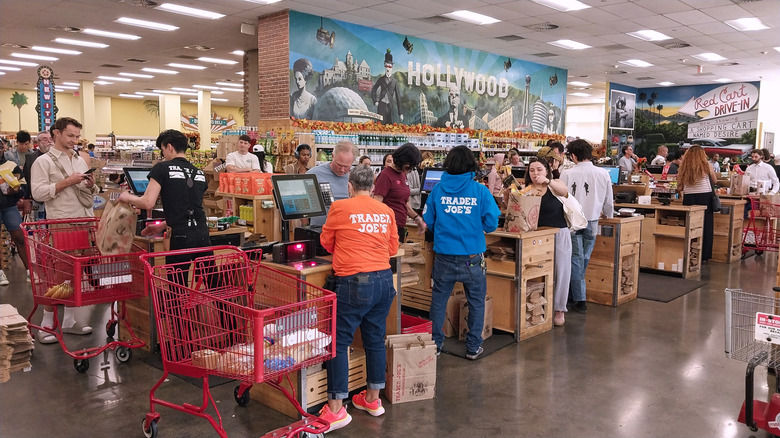
Through its Neighborhood Shares Program, Trader Joe's donates 100% of the products it doesn't sell that are still safe for consumption (such as fresh or frozen foods) or are still enjoyable (like flowers). According to Trader Joe's, almost 80% of its donations to local institutes in need take the form of perishable food items such as sandwiches, eggs, fresh fruits and vegetables, bakery items, and proteins.
Walmart and Sam's Club
Walmart and Sam's Club are the biggest donors to the Feeding America network of pantries and food banks, having donated over 7.5 billion pounds of food since 2006. The Walmart Foundation has also contributed nearly $160 million of charitable support to the organization. Additionally, the brand also boasts an annual "Fight Hunger. Spark Change." campaign, where customers or members can make donations to raise funds for Feeding America.
Whole Foods Market
Like many modern grocery stores, Whole Foods Market takes a multi-faceted approach to lowering food waste. Through a partnership with Food Donation Connection, the grocery store donates millions of pounds of unsold food — both perishable and non-perishable — to food rescue and redistribution programs. In 2020, Whole Foods also established Nourishing Our Neighborhoods, an initiative that funds refrigerated vehicles to transport excess food from Whole Foods to local food recovery partners.
Publix
Since 2009, Publix donated perishable foods that can no longer be sold (but are still safe for consumption) to Feeding America food banks and other non-profit hunger relief organizations. Through the Good Together program, Publix associates collect and donate eligible fruits, vegetables, meats, deli items, dairy, frozen foods, and other general grocery products. In February 2025, Publix announced that it had donated over 1 billion pounds of food to people in need.
Food Lion
Food Lion Feeds was established in 2014, but Food Lion had already been partnering with Feeding America since 2000 to collect edible foods and distribute them to locals in need. Food Lion Feeds works together with other hunger relief organizations, contributing charitable donations while also running in-store campaigns and undertaking disaster relief. In March 2025, Food Lion Feeds announced it met its goal of providing 1.5 billion meals across 10 states.
Costco
Costco is another grocery store that makes donations to Feeding America, contributing unsold breads and other bakery items, produce, proteins, and dairy foods. In 2025, the big box retailer managed to donate over 140 million pounds of food and other goods from locations in the U.S. and worldwide. A number of these contributions went directly to Feeding America.
Meijer
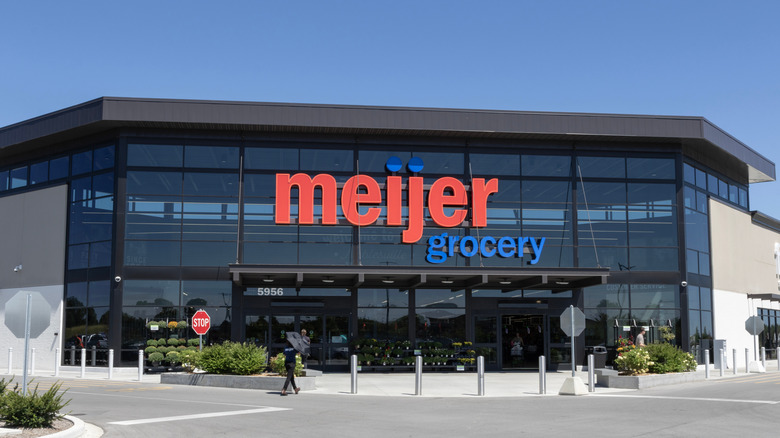
Midwest grocery chain Meijer's food rescue program supports hunger in its communities by donating unsold food to over 500 local food banks. Not only this, but Meijer also prioritizes a decrease in food waste by collecting damaged foods and scraps from in-store meal prep and recycling them into animal feed or compost. Additionally, the Flashfood app allows customers to locate perishable foods approaching their sell-by dates at Meijer and purchase them for up to half off.
Albertsons Companies
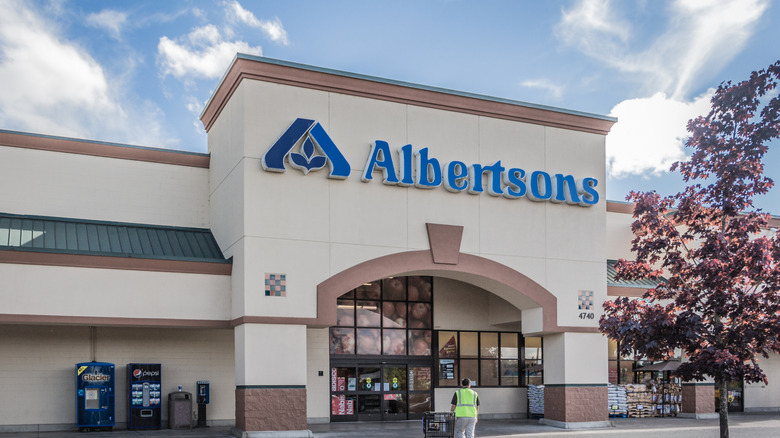
Albertsons and subsidiary brands like Safeway, Tom Thumb, Jewel-Osco, and Vons donate unsold food to numerous food banks, pantries, and other hunger-relief organizations. In 2023 alone, Albertsons stores contributed over 92 million pounds of food to Feeding America, per the 2024 Recipe For Change Report. The company's "Nourishing Neighbors" program, which aims to reduce food insecurity by raising funds for meal donations, raised over $35 million that same year.
Target
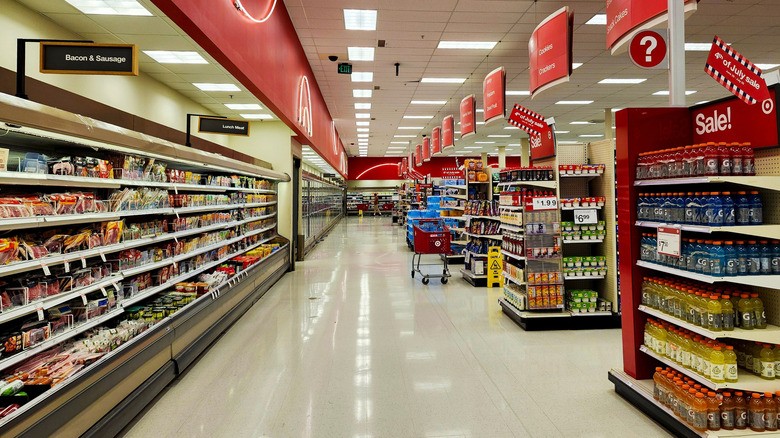
Part of Target's efforts to reduce food waste involve contributing to food donation programs such as Feeding America and local organizations (like the Food Bank of Central and Eastern North Carolina, for instance). In 2024, Target achieved a record high in food donations. Total, the grocery brand contributed nearly 162 million pounds of food (or 134 million meals) to these organizations.
Aldi
Like many other outlets on this list, Aldi partners with Feeding America to contribute unsold food in the interests of alleviating food insecurity in each store's community, along with decreasing food waste. Over 44.2 million pounds of food were donated in 2024. Aldi also contributes gift cards to local nonprofits and organizations supporting children's health and wellness. That's one of many Aldi facts that frequent shoppers should note.