

Is It Ever Safe To Eat Leftover Food That's Been Out Overnight?
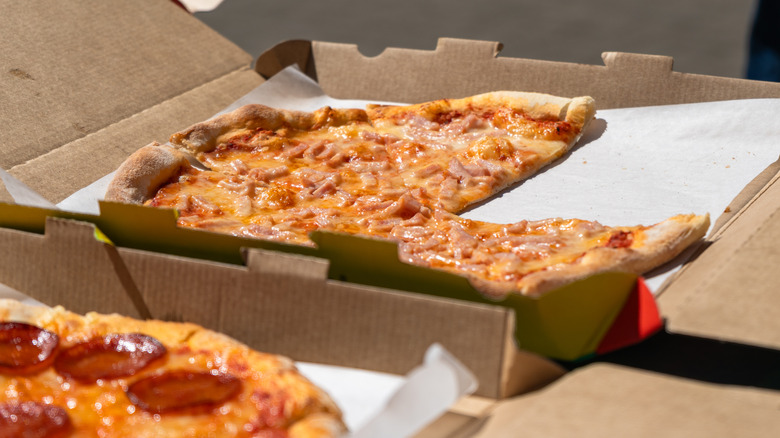
From parties that stretch late into the evening to post-dinner movie nights where the time gets away from you, there are countless reasons why food could've been left sitting out. However, it's a common mistake that everyone makes when storing leftovers. The USDA identifies leaving food out at unsafe temperatures as one of the two primary causes of foodborne illness. Eating food left out overnight is always, always a bad idea.
Throwing away food is frustrating — and it can be particularly irritating when it comes to dishes that required extra prep work to make. Still, even if you spent hours slow-smoking a brisket, or shelled out for a nice meal at an upscale restaurant and forgot to pop the takeout box in the fridge when you got home, it's better safe than sorry. At room temperature, harmful bacteria can spawn and grow and, if ingested, cause foodborne illness. In fact, the USDA calls the temperature range between 40 and 140 degrees Fahrenheit the danger zone for its heightened potential to encourage bacterial development.
So, how long can you store cooked food on the counter? To be safe, all food that has been left out for two hours or more is considered unsafe to eat. If the room temperature is above 90 degrees Fahrenheit, such as at outdoor potlucks and backyard barbecues, then that food safety window shortens to just one hour.
How to safely store leftovers
Proper leftover storage is a food safety tip that every home cook needs to know. Even if you've left a hundred pizza boxes out overnight in the past and have never gotten sick (in which case, consider yourself lucky), it still isn't a good idea to repeat the practice. There are plenty of modern food safety rules that no one followed in the '70s, and the times are a-changin'. Today's pathogens have been proven to be stronger and more harmful than the pathogens that threatened foodies 50 to 75 years ago. Chowing down on improperly stored leftovers poses a major health risk, even if the food looks and smells okay.
To steer clear of the danger zone, chilled perishable dishes should be kept at or below 40 degrees Fahrenheit. When assembling the food table at your next party, fill nesting bowls with ice to place beneath pasta salads and deli meat trays – a crucial food safety tip for serving sandwiches in an indoor buffet. On the other end of the spectrum, prepared hot dishes should be kept at a warmer holding temperature of 140 degrees Fahrenheit by using slow cookers on low heat. Cheesy potato fans and cocktail meatball lovers at the gathering will thank you.
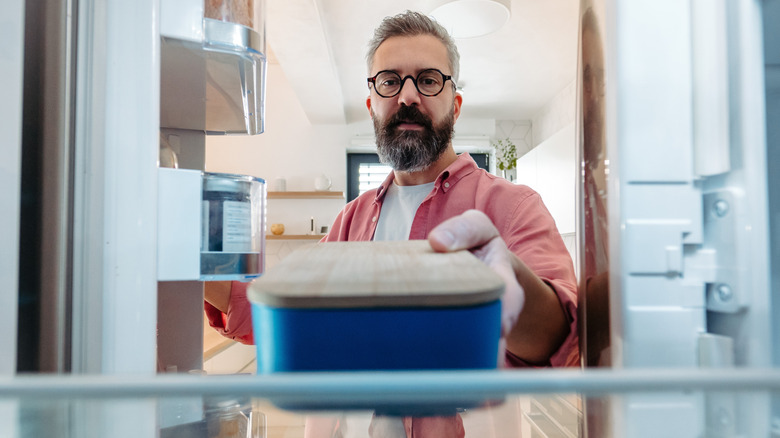
As for your regular day-to-day leftovers, transfer any leftover food into an airtight container before popping it in the fridge for safe-keeping. This will lock in moisture (no one likes dried-out, scabby pizza) and keep out bacteria. Be sure to eat 'em up within three days for optimal quality.