

What's The Average Lifespan Of Aluminum Countertops?
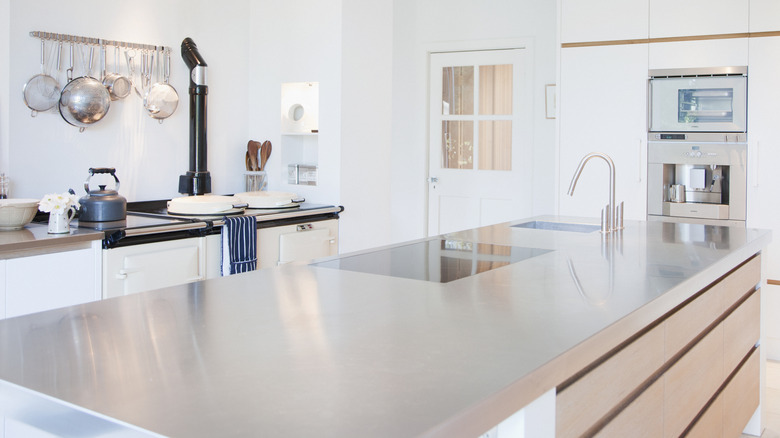
Aluminum countertops can be an excellent alternative to more expensive materials like granite and quartz, providing a versatile, industrial-sleek design. However, replacing your kitchen countertops is a significant investment, and a key factor to consider when choosing a material is its durability. Tasting Table spoke with Kerrie Kelly, the creative director and design strategist behind Kerrie Kelly Studio, to find out just how long consumers can expect aluminum countertops to last. Like many materials, the average lifespan of aluminum counters is influenced by factors like maintenance and use.
"Aluminum countertops can last several decades when properly maintained, particularly in low-impact residential settings," Kelly says. While the material offers several advantages — it's lightweight, resistant to corrosion and water, and won't rust, according to the expert — it does have some drawbacks. The soft metal makes countertops more likely to scratch and dent in comparison to other popular kitchen countertop materials.
If you want your aluminum kitchen countertops to have a longer lifespan, Kelly has some suggestions: "Using cutting boards rather than cutting directly on the surface, avoiding abrasive cleaners and steel wool, wiping up acidic spills promptly, and using trivets for extremely hot cookware will all help preserve the finish." The biggest risk to the aesthetic and performance of aluminum counters over time is susceptibility to scratches and nicks. To best maintain this material, wipe up spills using the soft sponge edges and lint-free cloths, and utilize gentle cleaners so as not to damage the surface.
Are aluminum countertops right for your kitchen?
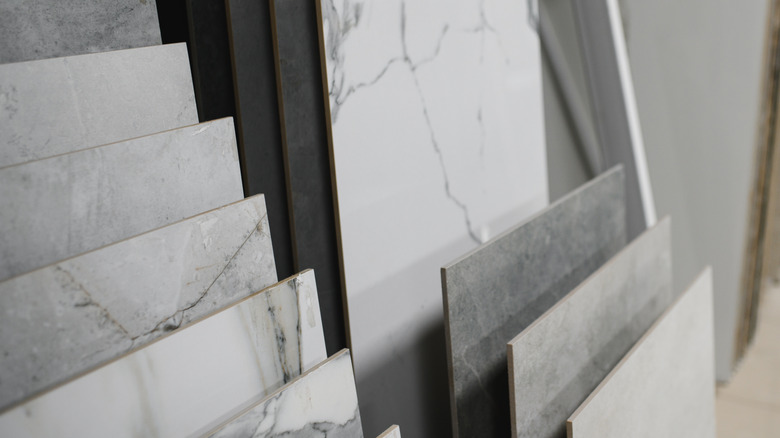
When it comes to choosing the best countertops for your kitchen, you'll want to factor in cost, material, and the desired look of your space. Aluminum counters made of recycled metal also offer an eco-friendly option, and have gained popularity in recent years. Despite that, Kelly advises that potentialhome renovators look beyond what's in style. "I always encourage homeowners to begin with how they want their kitchen to perform rather than simply what material is trending," she says.
Like steel countertops, aluminum provides a chic industrial look at a fraction of the cost. They're also lightweight, which makes them easier to transport and install than other kitchen counter materials. But, as Kelly reminds us, aluminum can scratch and corrode more easily than stainless steel, and generally show more damage and wear-and-tear readily. "Although aluminum is durable, it's best viewed as a material that develops character over time rather than one that remains pristine," she adds.
So, if your kitchen is a high traffic area used daily, aluminum counters could accumulate more signs of wear than a kitchen that's used less. For greater durability and designs that last longer over years of cooking activities and kitchen use, Kelly often recommends quartz, ultra-compact counters, and those made of natural stone. "Ultimately, today's kitchens are designed to support everyday living, entertaining, and lasting value," the expert concludes. "Countertops should not only withstand daily use but also create a welcoming backdrop for the moments that happen around them."