

11 Money-Saving Tips To Cut Electricity Costs With Your Refrigerator
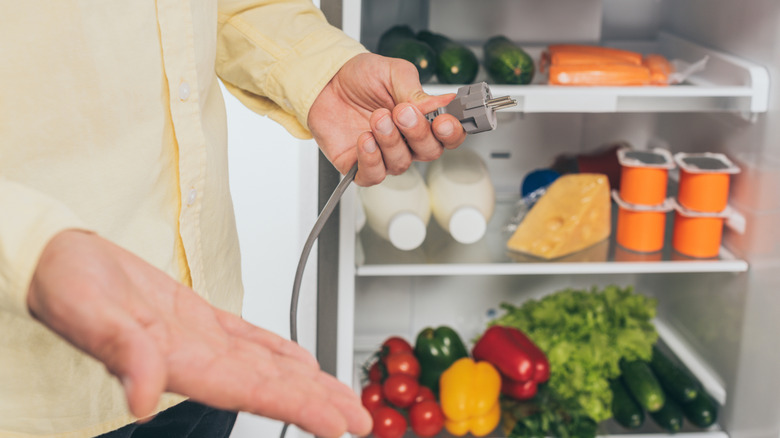
Let's face it: Nobody wants to spend more money than they have to on electricity, especially during times when controlling the temperature is already making your bill higher than you'd like. In fact, there are some things you may be doing with your fridge that could be driving up the cost of your electricity bill. Refrigerators are big appliances, after all. They can use a lot electricity if you're not careful, so we gathered some ways to keep them energy efficient.
Now, some of these tips are a little more drastic than others, like replacing your entire fridge. However, if that's not in your budget or you already have a newer fridge, there are still some things you can do and habits you can acquire to help cut down on costs. These include maintenance habits, changing its settings, food storage habits, locational considerations, and usage considerations. Over the course of time, some of these tips could help you save hundreds of dollars. So if you're ready to start saving money on electricity with your fridge, consider all (or at least some) of these tips to help improve its energy efficiency.
Upgrade your old fridge to a more energy-efficient version
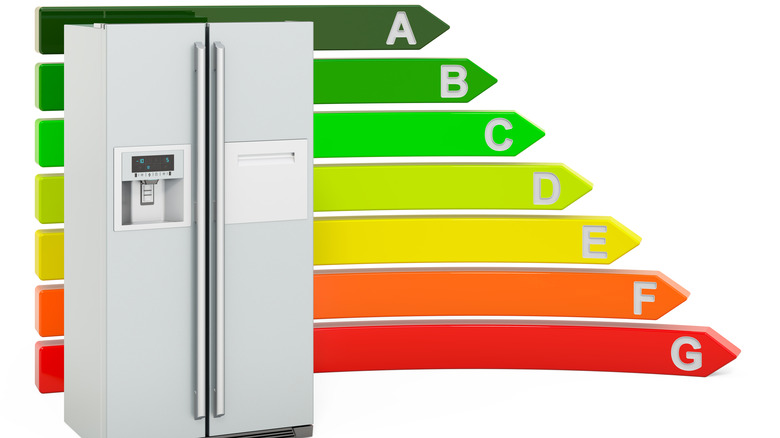
Upgrading to a newer, more energy-efficient appliance is a great way to save on electricity costs. Over time, the money you spend on the new fridge should help pay for it. Plus, there are rebates available when getting a new energy-efficient fridge and recycling your old one.
Some older fridges use nearly twice as much electricity as newer fridges, even ones that are less than 10 years old. The type you get matters, too, as models with a freezer at the top generally consume less energy than others. The Energy Star Flip Your Fridge Calculator can help you know just how much you can save with a new fridge. For example, if you're replacing a 21.4-cubic-foot fridge with a freezer on the top from 1990 with a new appliance, the calculator estimates you'll save $186.22 per year, or over $623 in five years.
There's also an Energy Star Rebate Finder to help you see if there are any rebates available from your utility company when you get a new fridge or recycle an old one. The rebates range from around $10 to $250 as of this writing. Just be sure to read the fine print, because you might find that some have restrictions, like being only for landlords to use for replacing rental property fridges.
Keep your fridge maintained
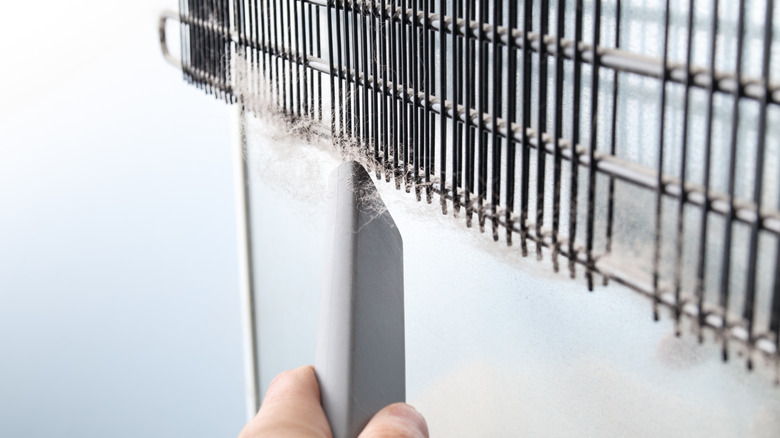
Just like your car, your fridge needs regular maintenance. While it will still usually work if you don't keep it maintained, it can use more electricity than necessary by needing to work harder. With that in mind, there are three specific maintenance tasks you should do with your fridge: Ensuring seals are tight, keeping condenser coils clean, and defrosting regularly.
If the seal isn't tight on your fridge, warm air and humidity can seep in while cold air can escape, which is not what you want happening. Some signs your seals might be broken and need replacing include a door that opens alone, ice, water leaks, temperature fluctuations, damaged seals, moldy seals, and visible gaps. To check the seals, simply close the door on a piece of paper; if you can pull the paper out without much resistance, you have a seal problem. Another way to check for leaks is if you can see a flashlight's light through the closed door.
Cleaning coils and defrosting also need to happen regularly to improve energy efficiency. You should unplug your fridge and clean or vacuum dirty condenser coils at least every 12 months, or possibly more often if you have pets that shed a lot. Additionally, defrosting your freezer occasionally will help maintain efficiency. Even less than ¼-inch of freezer frost can make the motor work harder than necessary, thus decreasing energy efficiency.
Adjust your fridge temperature settings
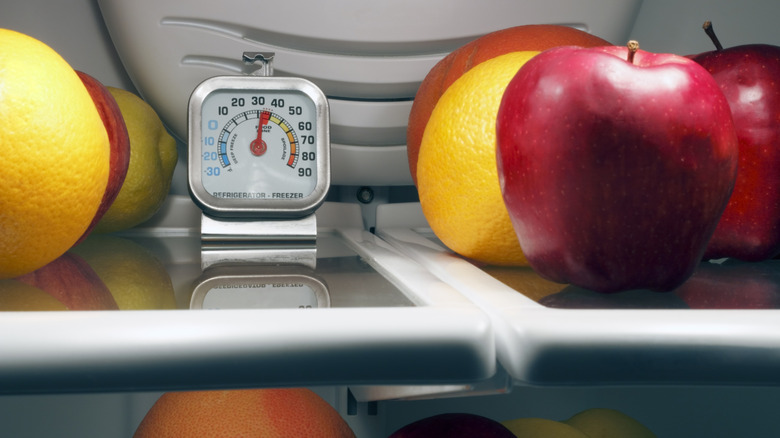
As you can imagine, the lower you set your fridge temp, the harder the unit will work to try to maintain those low temperatures. So just a simple adjustment of your fridge settings can save you money on your energy bill.
According to the FDA, the absolute warmest safe temperature that you can keep your fridge is 40 degrees Fahrenheit to keep food-borne illnesses from multiplying too quickly. If you're keeping it much colder than 40 degrees, you're making your fridge work harder and use more electricity to stay that cold. If you sometimes find your fridge food frozen, it might be a sign it's turned too low. If your temperature control doesn't include actual temperature markings, you can get a thermometer for your fridge to make sure your not keeping it at a temperature that's not as energy efficient as possible.
Keeping your freezer colder than necessary is also pulling more electricity. The FDA suggests freezer temperatures to be at 0 degrees Fahrenheit for safety purposes. The only reason to set your freezer below zero is if you wanted to quick-freeze something. However, quick freezing needs to happen at temperatures at or below -13 degrees Fahrenheit, and many fridges don't get that low anyway.
Make sure food is cool before putting it in the fridge
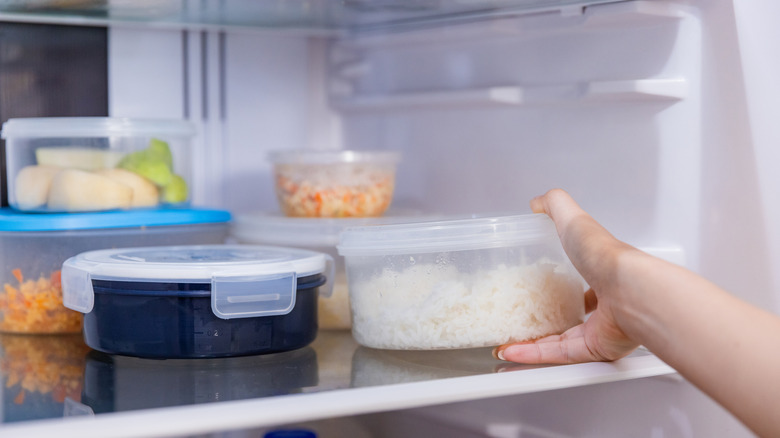
The problem with putting hot food into the fridge is that the appliance will have to ramp up the energy to prevent the internal temperature from increasing. The harder the fridge has to work, the more energy it uses, after all. Thus, it's a good idea to cool food down as much as you can before putting it away in the refrigerator.
For best results, you want to cool your food to room temperature before placing anything inside. That temperature is still warmer than the 40 degrees Fahrenheit that you should be keeping your fridge, but it's that much less that the appliance has to work to get the food down to that temp. To cool items safely and more rapidly without sacrificing electricity, you can do things like spread the food out in a shallow dish, divide it into smaller portions, or place it in an ice water bath. The cooler the food is before you put it in the refrigerator, the better.
We suggest setting a timer so that you don't forget your food out on the counter while it cools down. According to the FDA, the safe cooling window to prevent pathogens from multiplying too much is six total hours, including no more than two hours to reach room temperature outside the fridge.
Thaw frozen food in the fridge more often
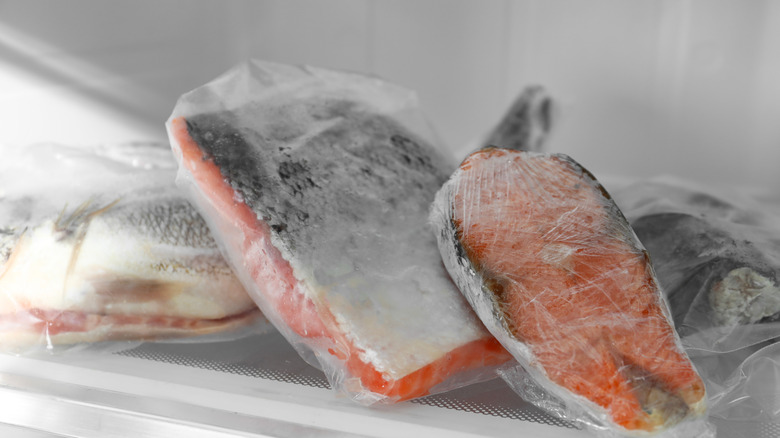
Planning ahead and thawing food in the fridge does more than clean out your freezer and provide you with ingredients for your next meal. It also helps keep your fridge from having to work too hard to keep the internal temperature cool.
If you think about how ice and frozen food helps keep food cold inside a non-electric ice chest, you'll realize just how helpful having frozen food in your fridge can be. While the food is frozen (and as it defrosts), it continues to radiate its cold temperatures into the appliance. If you have nothing specific to thaw, you can create a continuous cycle of moving ice packs or frozen water bottles or even water jugs from your freezer into your fridge and back so there's always something thawing in the fridge space.
Plus, the USDA says thawing food in the fridge is one of the safest methods for defrosting because it keeps the food at a safe temperature throughout the entire process. The USDA also says it takes items an average of 24 hours to thaw for every 5 pounds, so the bigger the item is, the longer it takes to thaw — meaning it helps your fridge stay cold without wasting energy.
Keep the refrigerator door closed as much as possible
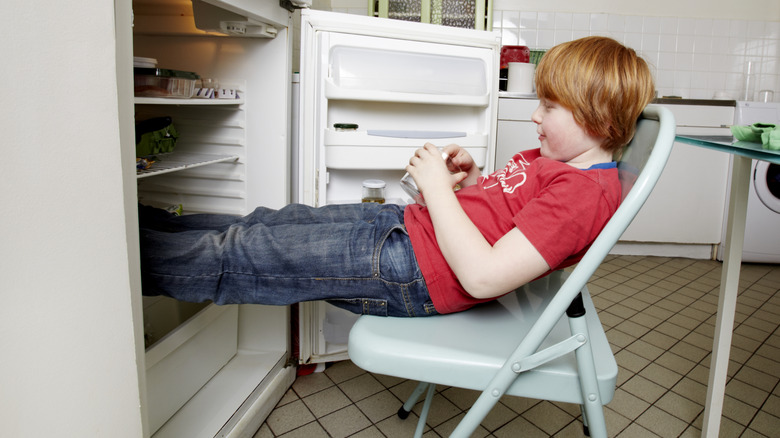
Sure, you can do what you want (within reason) when you're an adult, since nobody is likely nagging you to keep the fridge door shut. But keeping the door closed is far better for your electricity bill.
Everything goes back to wanting to keep the appliance from having to work harder to keep the interior cool. As you can imagine, leaving the door open while you piddle around with your food allows warmer air to raise the interior temperature, and can also raise the temperature of the items in the door. When you do finally close the door again, the machine will have to work harder to cool everything back down again.
With this in mind, plan strategically when opening the fridge door, and grab everything you need or put everything inside as quickly as possible. Even if you plan to put everything right back inside after using it, go ahead and close the door, and don't open it again until you need to do so.
Keep your fridge better organized
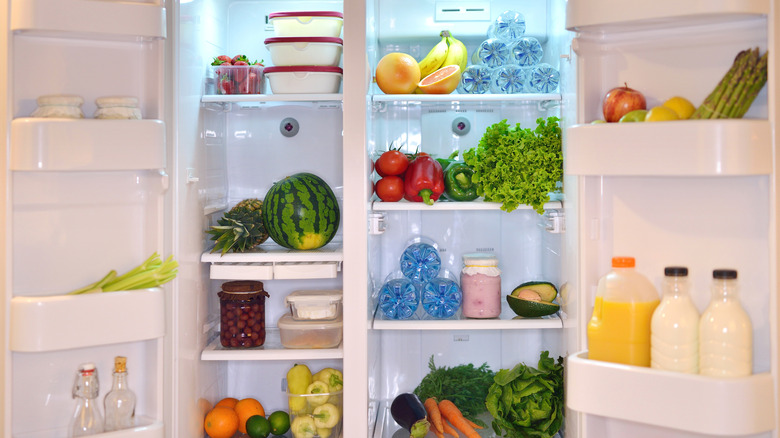
One way to keep from having to have the fridge door open for too long at a time is to keep everything organized so you can find it quickly, or see it immediately upon opening. While you might have to have the door open a while to organize it the first time around, it will save you in door-opening time thereafter — thus reducing the money spent on energy.
While organizing, you'll want to think in terms of leaving the space fully-stocked but not overstocked. When professional chefs organize their fridge, they always keep airflow in mind. You don't want huge gaps, because the food itself helps retain a cooler temperature and keeps the motor from having to work harder to keep everything cold. However, to maintain airflow, you don't want it to be crammed full of items stacked and pushed up against each other from wall to wall.
The more densely packed the space is, the harder the appliance has to work to keep everything cool. If your fridge is always packed, you might want to think about either getting a larger one or creating a routine for tossing items that have gone bad rather than leaving them in a crowded environment. The night before trash day is always a good time to do a fridge purge.
Regulate the ambient temperature of the room
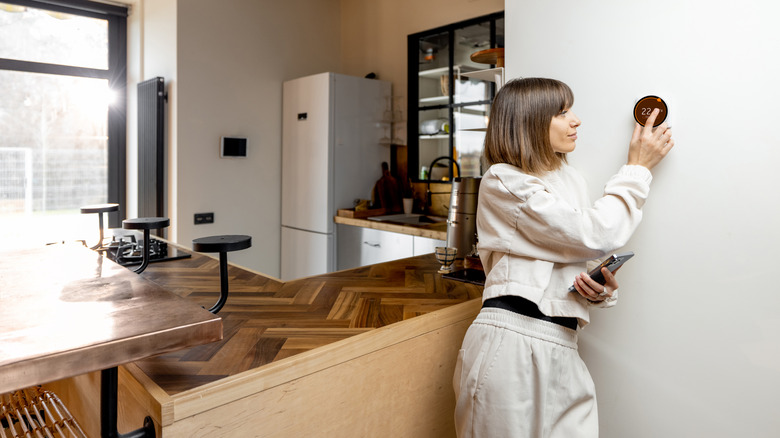
Your refrigerator is actually created to run in an environment that's within a certain temperature range. The climate class your appliance is created for tells you what range it works best in without having to pull more electricity than necessary, which is why you'll want to regulate the room temp where your fridge is located.
The information about your refrigerator's climate class should be located on its energy label. If you don't see this information displayed prominently, you may have to remove some of your drawers to find it, or check your user manual. The normal climate class calls for your appliance to be in an environment that ranges between 60 to 90 degrees Fahrenheit, which would be fine for the average kitchen. Subnormal ones are built to work in temperatures that go as low as 50 degrees Fahrenheit, subtropical products are made for room temps up to about 100 degrees, and tropical ones are made for temps up to 109 degrees.
The farther a room's temperature is from the machine's climate class range, the more energy it will use, so being in a room like a garage without temperature regulation can be problematic. If you keep the ambient room temperature in the correct range, your machine shouldn't have to work as hard, helping to save money on your electricity bill. Plus, regulating the ambient room temperature where your appliance is can help keep it from failing and needing costly repairs or replacement prematurely.
Consider moving or completely relocating your fridge
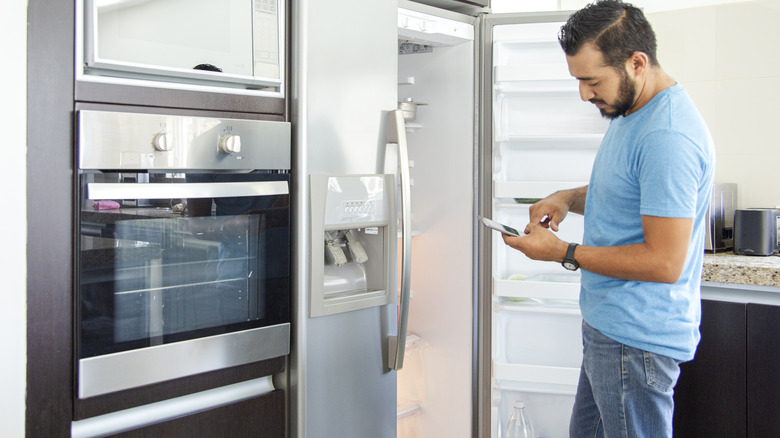
The location of your fridge matters when it comes to conserving electricity, and the proximity of your fridge to other objects is important. If you can't keep it in a room with the right temperature for its climate class (as previously mentioned), you'll want to consider moving it to a different room.
First, your fridge needs room for ventilation. If your appliance doesn't have at least 2 inches of space between it and whatever is behind it for the condenser coils to breathe, you'll need to move it forward. Moving it 4 inches away from the wall is even better if space allows.
Another consideration is which heat sources are nearby, and whether they might distribute heat to it. For example, if you have it near a dishwasher, stove, or oven, the heat from those appliances can transfer to the fridge, making it work harder as a result. Another problem can be placing it next to a radiator or even in an area where it receives a lot of direct sunlight. With that in mind, you'll want to move the appliance to an area of the room where it's not being directly affected by such heat sources if possible.
Turn off your fridge's anti-sweat feature if it's not necessary
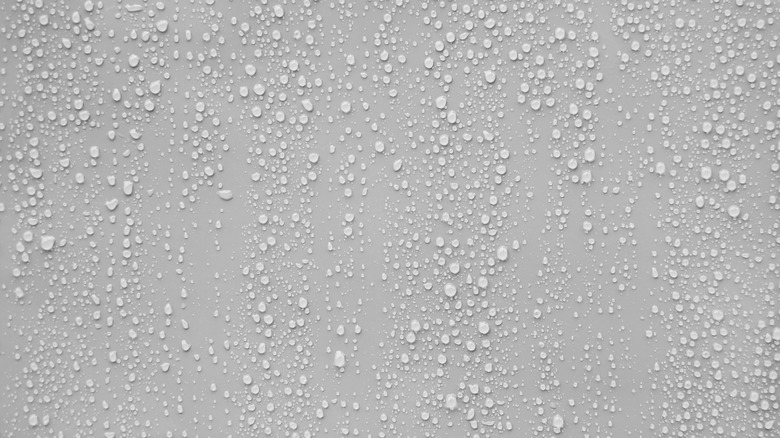
Some fridges come with an anti-sweat feature, but using it can decrease your energy efficiency. Basically, these anti-sweat heaters help keep your appliance from releasing moisture around the exterior. They also work to prevent sweat between the doors. However, if you don't have a condensation problem, you can turn off the anti-sweat feature and save energy.
In short, you need to know when an anti-sweat feature is necessary — essentially, if condensation is building up outside your fridge or between the doors. When the feature is engaged, a heater turns on between the doors or around the walls of the freezer to help prevent sweating in those locations. However, you may not need to use it all the time, and may never need it if your climate or appliance status doesn't cause a sweating fridge in the first place.
A sweating fridge is more common if you have high room humidity, broken door seals, or a fridge with insulation damage. Consequently, repairing the fridge or getting a room dehumidifier might help eliminate the need for the anti-sweat feature in the first place. You can also choose to just run the anti-sweat feature on an as-needed basis, like times of the year when the air is more humid.
Prepare your refrigerator properly for times when not in use
When you don't plan to use your fridge for a while, there are some specific things you should do. However, what you should do depends on whether you won't be using your fridge on a short-term basis (a month or less) or a long-term basis (longer than a month).
Fridge prep should always be a part of your kitchen vacation-prep task list. If you won't be using your fridge on a short-term basis, you can leave it running. If you remove all the perishable food, you can also increase the internal temperature to save energy. If you end up with a fridge or freezer that's still only filled halfway or less, you'll want to add ice bags or gallon water jugs to help regulate the temperature, and keep the compressor from having to run as often. You'll want to turn off the water supply and icemaker, as well, if needed. If the room might get colder than 60 degrees Fahrenheit (the low-end temperature for normal climate class fridges), you'll save more energy by removing all food and turning off the temperature controller, or unplugging the fridge altogether.
For long-term periods of non-use, you'll want to remove all food and turn off the water supply, icemaker, and temperature control. You should also either unplug the fridge or turn off the circuit breaker or fuse that controls it, which is the ultimate energy-saving option for any fridge.