

10 Myths About Cyclosporiasis You Should Stop Believing
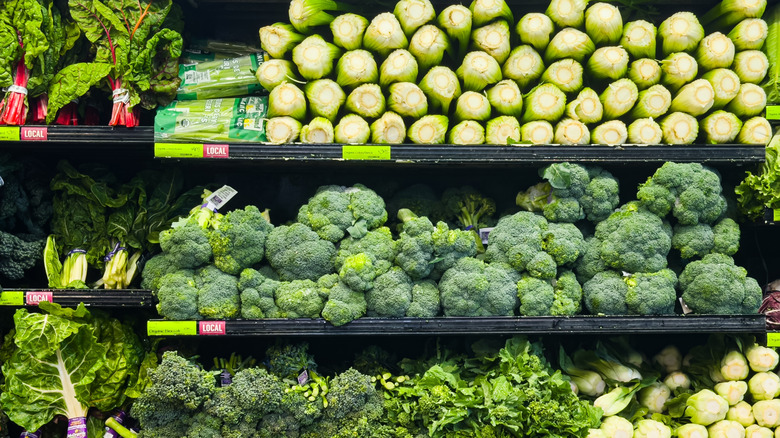
A major cyclosporiasis outbreak has hit the country over the past month, and along with any foodborne illness comes much fear and misconception. Certainly, the latest outbreak is a concerning one. As the largest in a long time, more than 4,000 people in over 30 states have gotten sick from the infection as of July 14. Most of those cases have been concentrated in Michigan, with more than 3,300 confirmed instances, but the outbreak has hit every region of the country from Florida to California to Alaska. According to The New York Times, cases jumped 69% over the weekend, from Friday, July 10 to Monday, July 13.
Despite the size of the outbreak, a lot is still unknown about its causes and origins. While cyclosporiasis infections have been around for a long time, they aren't common — at least, not compared to other foodborne illnesses like E. coli or listeria. Fortunately, the illness is not serious for most, with the main symptom being watery diarrhea. No deaths have been reported at the time of writing, and only around 100 people have been hospitalized.
Of course, symptoms can still be very uncomfortable, and for some vulnerable groups, like those who are immunocompromised, they can persist for longer and be more severe. So, let's review just what we know and don't know about cyclosporiasis and the current outbreak. It's time to debunk some common myths about the illness.
It can be transmitted person to person

There is nothing to fear from being near someone who has contracted cyclosporiasis. The illness is caused by a parasite (called Cyclospora cayetanensis) that can only be transmitted when someone consumes produce or water that contains it. Food or water that carries Cyclospora has been contaminated by human feces, and the parasite may live in the stool of those infected. However, the parasite does not become infectious for at least a week after living in the feces, so using the bathroom is not a risk.
We know exactly what is causing the outbreak
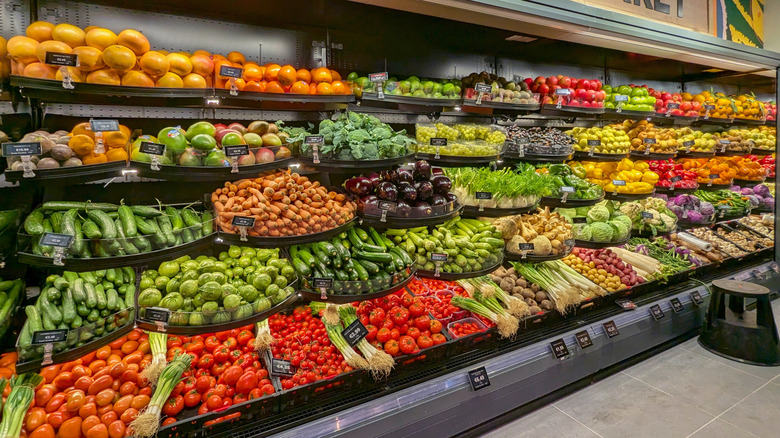
Cyclosporiasis is notoriously difficult to track, and the scale of the current outbreak makes it even harder to locate a source. Preliminary reports from health officials in Michigan suggest it may be linked to a common source of foodborne illness: leafy greens. However, the results are far from definitive, and other produce may not be ruled out. Herbs like basil and cilantro, peas, raspberries, and fruit/salad mixes are other common sources of cyclosporiasis. For greens, bagged lettuce and salad mixes are considered particularly at risk and have been sources of other recent outbreaks.
It is the same as food poisoning
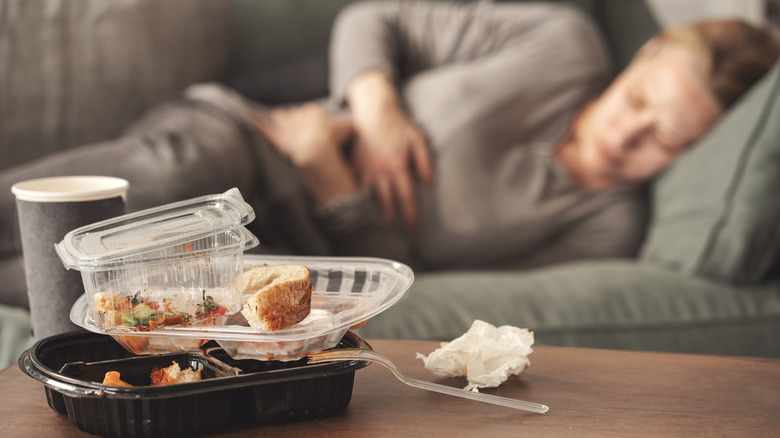
While cyclosporiasis is considered a form of food poisoning, it is not the same as other more common forms of the disease. Most food poisoning in the U.S. is caused by the norovirus, or by bacteria like salmonella or E. coli. Because Cyclospora is a parasite and not a virus or bacteria, the symptoms can be a bit different, and it behaves differently as an infection.
Symptoms will show up right away

The most common symptom of cyclosporiasis is diarrhea, which can sometimes be frequent and intense compared to other infections. You may also experience fatigue, nausea, bloating, stomach cramps, and mild fever. Yet, unlike "normal" food poisoning that will often appear hours after you consume infected food (or perhaps within a day or two), cyclosporiasis can take anywhere from two days to two weeks for symptoms to show — and some never show symptoms at all. This is part of why the outbreak is so hard to trace to a specific source.
The infection is lethal

While cyclosporiasis is not pleasant, it, unlike some other foodborne illnesses, is very rarely fatal. In fact, most will recover without serious issues. Still, you should seek treatment anyway if you develop symptoms, as untreated folks are more likely to experience extended bouts of cyclosporiasis. The untreated — along with the immunocompromised, children, and the elderly — are more likely to suffer from severe dehydration and electrolyte imbalance, which can require hospitalization.
The illness will pass quickly

This is another area where cyclosporiasis is unusual, making it vital to seek treatment if you suspect infection. While most symptoms will normally resolve within a week, they can sometimes last for up to a month or longer. Cyclosporiasis symptoms may also depart for a short period of time before returning later. Medical professionals can treat the illness with antibiotics and often recommend staying hydrated with plenty of water. Ask a doctor before using over-the-counter anti-diarrheal medications, because they are not always recommended for cyclosporiasis.
You can get cyclosporiasis from fully cooked or frozen produce

Cyclosporiasis is spread through fresh produce, but cooking can kill the parasite, so most cooked fruits and vegetables should be safe. Make sure the produce you consume is well-cooked, as Cyclospora does not die until 158 degrees Fahrenheit. Commercially frozen fruits and vegetables are also considered safe, and no cases of cyclosporiasis have ever been linked to them, as frozen produce undergoes processes like blanching and cooking that help kill the parasite. Freezing fresh produce alone is not always enough to rid them of Cyclospora.
Some groups are higher risk of infection than others

While some vulnerable groups are more at risk of serious symptoms from cyclosporiasis, folks of any age and health status have a similar risk of contracting it. Those who are pregnant and have weakened immune systems, as well as the elderly and children, should be particularly careful, but only because of the potentially debilitating symptoms. As for contracting the sickness, everyone should take precautions if there is a cyclosporiasis outbreak in your area.
Washing food will make it completely safe from cyclosporiasis

Experts recommend washing your produce, but even thoroughly washed fruits and vegetables are still at risk of carrying the parasite, which appears extra "sticky," on food. Even higher intensity options like vinegar do not remove all Cyclospora, and rough-surfaced foods like raspberries are particularly difficult to clean. So, while you should be washing your fruits and vegetables to be safe and lower the chance of illness, the only way to be sure is to either cook or avoid high-risk produce.
There is no way to lower the risk of contracting cyclosporiasis
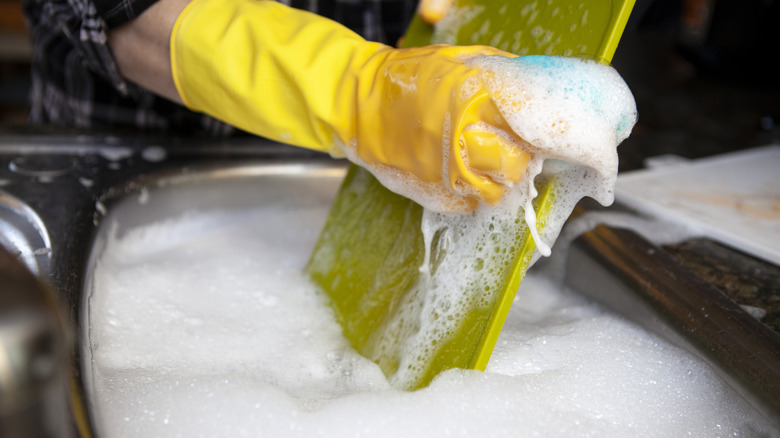
While washing produce may not eliminate the risk of cyclosporiasis, there are many things you can do to limit your chances of contracting it. Beyond washing and cooking, peeling fruits and vegetables with skins is recommended. Wash your hands with soap and water, along with all prep surfaces and utensils, when working with fresh produce. Avoid major sources of cyclosporiasis if you can, but if you must eat leafy greens, opt for whole heads over bagged, and frozen vegetable options over fresh.