

Why Midwest Beer Tastes Different From Pours On The East Coast
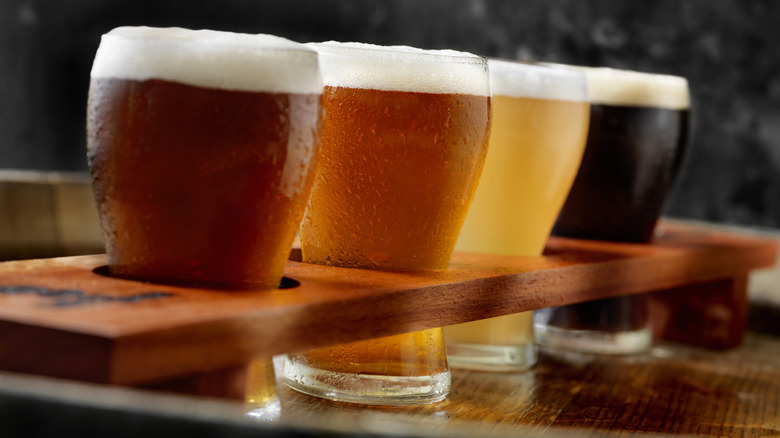
If Chris and Liam Hemsworth were craft beers, they'd probably be West Coast and East Coast IPAs — but let's not forget the third Hemsworth brother, much less publicized yet equally deserving of praise. Midwest beer is the Luke Hemsworth we should be paying more attention to. While the clear, crisp, and punchy West Coast IPA is the preferred drop of some beer lovers, and the hazy, juicy, succulent IPAs of the East Coast appeal to others, the Midwest offers the best of both worlds. Midwest beer certainly differentiates itself from West Coast brews, often with a slightly pared-back approach to bitterness while embracing its clarity and malt strength. This West Coast influence is what sets Midwest beer apart from beer brewed on the East Coast.
East Coast IPAs (including New England IPAs) have had a profound influence on craft beer around the world by offering a softer, more approachable, less bitter quality while expressing a fruitier, juicier side of hops. This is the beer that gets lager drinkers ordering IPAs. Midwest brewers have shown they can take a leaf from the East Coast's book by embracing the hazier, easier-going beer experience, all while making the style their own. Wheat and oats appear on the malt bills of some Midwest beers to contribute protein and a touch of haze, but not to the density you get in a typical East Coast IPA. Hops, however, can often shine with citrus or piney characters.
The strength of the Midwest beer is holding the middle
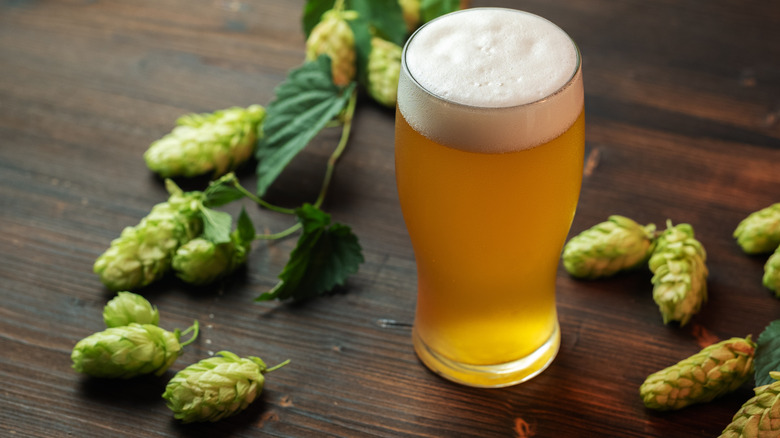
Midwest beer's defining feature is, in many ways, the fact that it's hard to define: Taking inspiration from both coasts to showcase beers that can either embrace East Coast haze or emulate the clarity of the West Coast. Midwest brewers might copy East Coast IPAs and turn to new school hops for zippy, fruity, or tropical flavors and aromas, or stand strong with classic American hops; often the "C-hops" (namely Columbus, Chinook, Centennial, and the OG: Cascade). It seems that the presence of at least one of these hops is a common thread in Midwest beers.
Another typical sign of a Midwest beer is balancing hops with malts that hold a solid bready caramel backbone and enough sweetness to create equilibrium, while East Coast IPAs tend not to focus on those malt flavors. Many qualities of classic American pale ales and IPAs that once led the charge in the craft boom's infancy, including cult-favorite Midwest beers like 3Floyds' Zombie Dust, seem to live on in the ethos of Midwest brewing. While the East and West Coast breweries have developed contrasting styles, the middle of the country has remained right in the middle, able to focus on making beers that are balanced in bitterness, yet upfront with classic American hop character.
Does terroir exist for the Midwest?
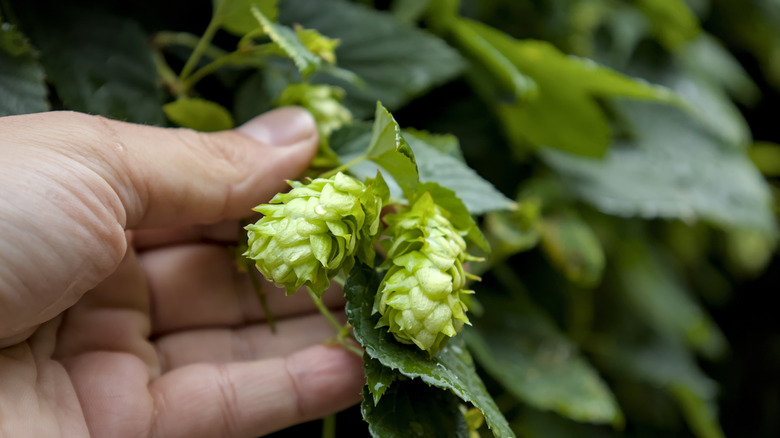
With almost all of the hops grown in the US coming from the Pacific Northwest, the future of Midwest beer may further distinguish it from the East Coast as new Midwest-grown hops emerge. These hop varieties tend to present high-quality flavor and aroma, and have a distinctive fruitiness that offers promise to the future of Midwest beer's unique identity.
Midwest-grown hops are on the rise, but with limited viable varieties that grow well in the region, there may not be as much selection for breweries that want to champion the region using only Midwest hops. While this could limit the options for consistent brews, it also creates opportunities for more limited-run or single-hop showcasing beers. In a few years, hops grown and used in the Midwest could be one of the main factors that distinguish the region's beers from not just the East Coast, but other regions as well.
A similarity that Midwest and East Coast beers share is a climate that lends itself to heartening imperial stouts for frigid winters. The Midwest is already known for such legendary champions of the style as Goose Island's Bourbon County Barrel Aged Stout, which changed the face of craft beer forever, giving the Midwest at least partial claim to inventing barrel-aged stouts.