

10 Tips Grocery Shoppers Need For Dealing With Extreme Heat Waves
Beads of sweat drip down your cheek as the heat of the day beats heavily on the back of your neck. Your shirt sticks to your back as it presses against the hot leather of your car's driver's seat. If you can hardly stand the ride to the grocery store, then how will your tub of ice cream or pack of ground beef fare on the drive home? Food safety is not a joke, and bacteria love the summer heat. It's important to develop a grocery shopping strategy to keep your family safe. That's why I'm breaking down the top tips that grocery shoppers need for dealing with extreme heat waves.
Nothing will scare you more about food safety than managing a commercial kitchen that ships ready-made food across the country. After working in food safety for six years, I learned all the ins and outs of keeping food out of the danger zone and slowing the growth of bacteria. For folks living far from the grocery store in a hot climate, it can be a struggle to keep groceries safe until they reach the refrigerator. Let's talk ice, strategy, numbers, timelines, equipment, and what to do in case of disaster.
Shop in the morning
First things first. If you're worried about driving your groceries home in the heat of the day, then avoid the hottest part of the day. In the early morning, shadows form at an angle and cover more space, meaning it's easier to find a shady spot to park at the grocery store. In addition, your car won't heat up as quickly while you're shopping and transporting groceries. The morning is actually one of the best times to get quality goods at the grocery store as well ... double win. Items are less picked-over, the aisles aren't typically as crowded with customers, and coolers have likely been freshly cleaned and checked to ensure they're running properly. In addition, food and surfaces are less likely to have been handled by curious customers recently, giving bacteria a chance to die overnight before you arrive.
If a morning shop just isn't in the cards for you, consider going in the evening. As the sun sets, you can find those big shadows to park under, and the sun isn't as direct. Going after the sun goes down is an even better option if you're a night owl with a grocery store that's open late. A shady car can make all the difference when transporting perishable foods that may melt or grow bacteria.
Make it your last stop
For folks who like to get all of their chores done in one day, this tip for dealing with extreme heat is for you. Wait until the last minute to grocery shop. Get your bike dropped off at the repair shop, your oil changed, and your car washed all before heading to the grocery store. No, this may not be the most convenient order to complete your to-do list in, but it can save your expensive perishable groceries in the long run.
When perishable food leaves refrigeration, the clock starts ticking. For each minute that food lives in the danger zone, bacteria grow. If food stays refrigerated in the safe zone, bacterial growth slows. So, evening swinging quickly through the Starbucks line after a grocery shop may just tip your groceries over the edge. You want to avoid leaving your groceries in a hot car for a second longer than they need to be, especially if it's an extremely hot day. If it's hotter than 90 degrees Fahrenheit out, you have just one hour total from the time you pick the item off the shelf until it reaches your refrigerator. If you are more than 30 minutes away from the grocery store, consider taking extra precautions to keep your food safe, such as bringing some insulated cooler bags. Remember to account for the time items spend in the cart, on the conveyor belt, and the time it takes to unload groceries at home.
Fill your cart with non-perishables first
To reduce the amount of time your cold items spend out of refrigeration, shop strategically. Start with your non-perishable goods like boxed items, canned goods, and baking supplies. Next, grab your produce, then refrigerated items, and finally your frozen items. Pack all of the frozen and refrigerated items tightly together in your cart, or better yet, keep them in an insulated bag until you reach the checkout counter. That pint of ice cream can help to keep your frozen strawberries cold, and vice versa.
So much of the time, folks shop a store from front to back. Instead, plan your shopping list in order of the aisles in the center (non-perishables), then finish with the more perishable items around the exterior. The layout of the store may vary, so plan accordingly. This strategy will keep you from running back and forth from section to section, saving you time and potentially saving your perishable items from being out of refrigeration for too long. There's nothing worse than finishing your shop, only to find you still need a few items all the way on the other side of the store. A little planning can make your shopping trip more efficient.
Pre-cool your car
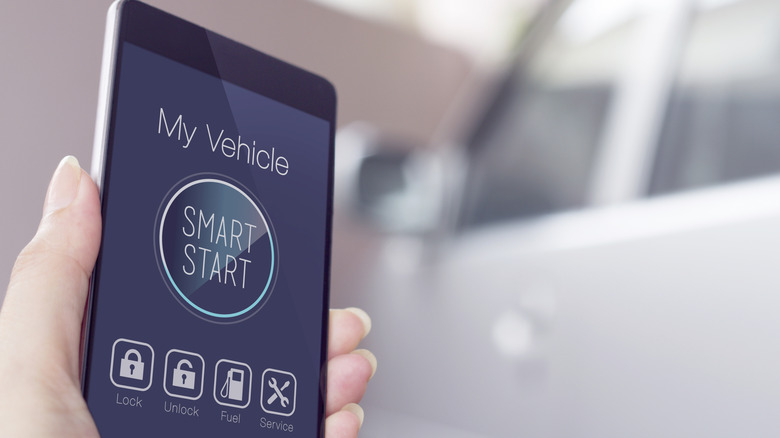
These days, you might have a car that you can pre-cool, or that automatically pre-cools for you. Lucky duck! Other cars don't have these features, but there are certainly ways to keep your car from acting as a greenhouse on wheels. Sunshields are very effective and can help to reflect the sun out of the car, preventing the buildup of heat. Cracking your windows ever so slightly can also allow hot air buildup to escape, keeping the car just slightly hotter than the outside temperature. Try to face your windshield away from direct sunlight when you park, possibly by backing in or finding a spot at a different angle, unless it's noon.
When you get back to your car, roll those windows down a little bit more to encourage some ventilation, and turn your air conditioning on. Of course, only follow this protocol if you know you're in a safe location and can lock your car while it's running, without getting locked out. The goal here is to get the car as cool as possible before you load the groceries into it, as cars typically heat up more than the air around them on a sunny day due to the greenhouse effect.
Know your danger zones
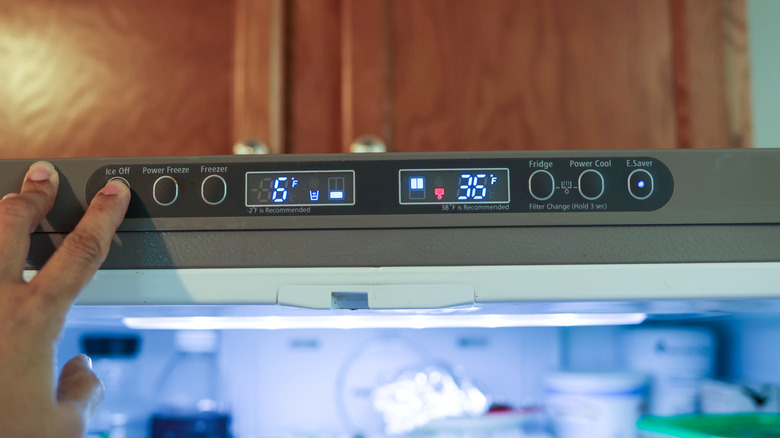
Let's talk about the danger zone. Your refrigerator at home is likely set to 40 degrees Fahrenheit or below. This is because at 40 degrees or colder, bacteria grows very slowly. It grows much faster in an environment above 40 degrees. Well, until a point. Most bacteria's growth begins to slow, and then die as you creep from 140 to 165 degrees, depending on the type of food and which specific pathogens are typically present.
If you're getting something from the prepared foods area, check the thermometer in the deli case to make sure the temperature is below 40 degrees. Grab these items last, as they tend to lose their cool rapidly once out in the open air. This is especially important if you don't plan on eating this item right away, and it will make the long journey home, and potentially hang out in the refrigerator for a few days. On a normal day, you might have two hours for your typical refrigerated item to make it from cooler A to cooler B, but on a hot day above 90 degrees Fahrenheit, the allotted time is cut in half. This knowledge could help prevent the growth of bacteria, so try to remember the danger zone of 40 to 140 degrees.
Bring insulated bags
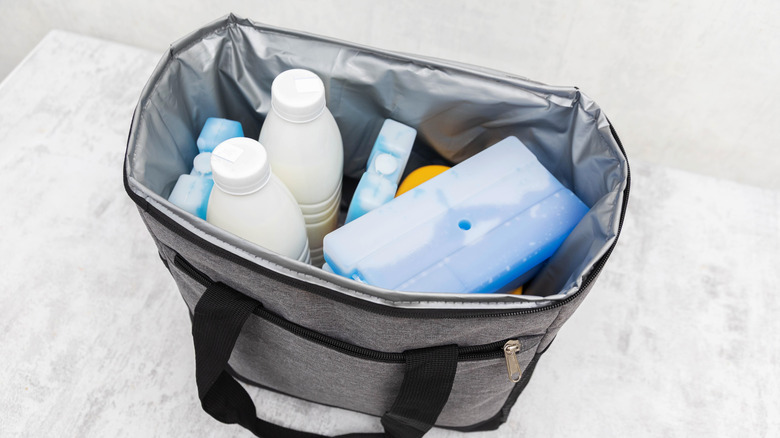
Your best defense against the heat is bringing an insulated bag. Go one step further and invite some frozen ice packs along for the journey. I can hardly remember to bring my reusable bags from my car to the store, but this extra forethought can make all the difference. If you're traveling a great distance, this is non-negotiable. For the best results, your cold items should go directly from the store's cooler into the insulated bag, only to hop out briefly to get weighed and scanned during checkout. Believe me, I used to ship hundreds of boxes of ready-made meals from one end of the country to the other in the heat of summer with just some cardboard, insulated liners, and frozen gel ice packs.
If you have a long journey home, or the heat is beyond unbearable, then try to have all perishable items touch the ice packs, even if only a little. Place a few packs along the sides of the bags, and be sure to top your bag with at least one, as cold air is more dense and sinks (while hot air rises). Even if it's not keeping your food below 40 degrees, it will absolutely keep it less aggressively hot than the temperature of your car. This will still slow bacterial growth and prevent rapid thawing. Even just an insulated bag without ice can make a huge difference.
Pro tip: If you're bringing an insulated bag, don't just use it for frozen items. Keep bagged salad in an insulated cooler bag, too, as it tends to lose its chill quickly and is notorious for harboring bacteria.
Bag your groceries like a pro
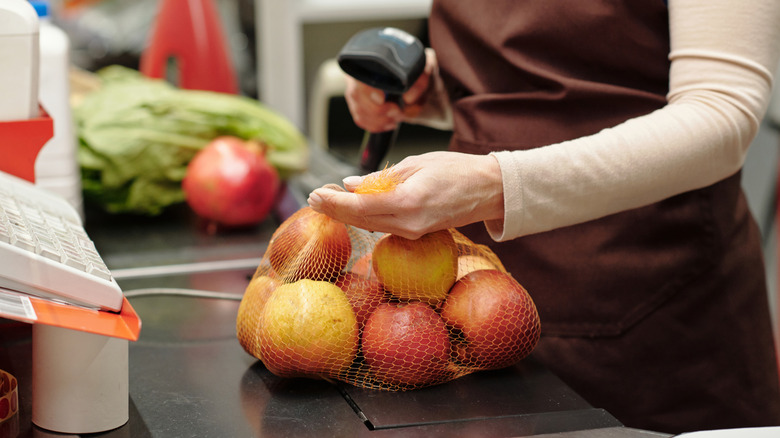
Keeping yourself safe during extreme heat waves does take some skill. If you're a "throw everything all together, it's fine" grocery packer, then I've got news for you: While that may work during the winter months, when temperatures reach 90 degrees or more, it's time to work strategically. Ideally, you're placing all cold items together in your cart so they can huddle together to stay cool. When you unpack them, keep them together on the conveyor belt for easy packing. If you're bagging items yourself, start with the heaviest perishable items on the bottom, especially those that require less refrigeration. Work your way up to the top, adding lighter layers and more delicate foods to the top. Frozen items can be packed in the center of the bag, ideally in an insulated bag.
If there is someone packing your bags for you, feel free to discuss your strategy with them. However, a veteran packing has likely been trained to do this already, and it's important to take a kind approach. The best time to have this conversation is when you hand them your reusable bags. If you have a cooler bag or a bag that's more insulated, you could ask them to please pack the cold items together in that bag, as you have a long journey home. Thank them for being extra thoughtful with their packing strategy, and if you must, do a little repacking in the car.
If items thaw, don't refreeze them
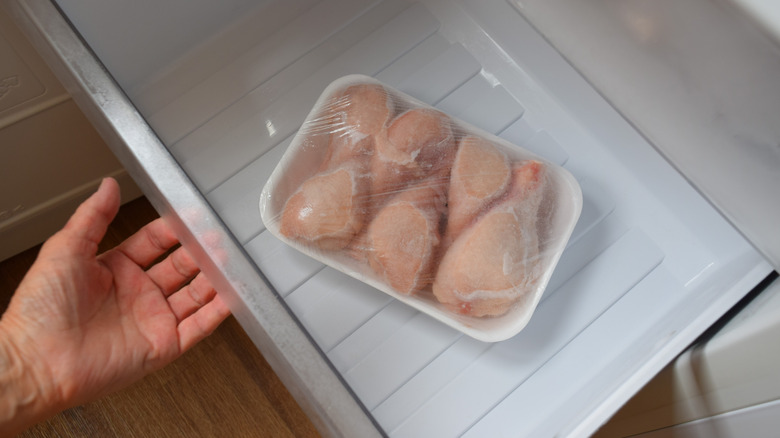
Okay, you forgot your insulated bags at home, and your frozen items have thawed in your hot car. This is disappointing, but not a total loss unless it's been out of the danger zone for one hour or more on an exceptionally hot day. If it's been less than an hour, depending on the item, you may be able to refreeze it with minimal damage as long as it still contains ice crystals. Do some research on the USDA website about the specific item that thawed, and the temperature and rate at which it thawed. However, the general consensus on most frozen items is that refreezing is not a great idea. Not only does it break down the structure of the food, changing the texture, but if the food is thawed using heat (like a hot car) or comes in contact with outside bacteria, refreezing is generally a no-go.
Always look for signs of bacterial growth, such as puffy bags, odd smells, or discoloration. If you're just not sure if something is safe to eat, or you were unable to get it back into a cooler before the hour was up, just toss it. Your safety isn't worth that TV dinner.
Don't forget about meltable shelf-stable items
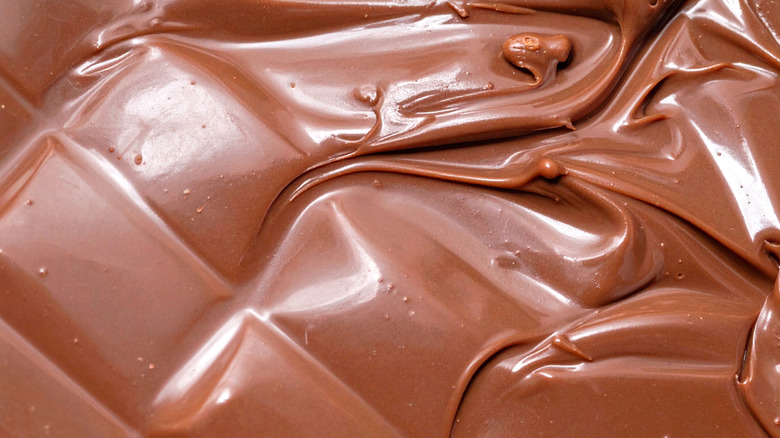
We've talked about perishable items. But what about shelf-stable items that melt? In particular, foods like chocolate, candy, coconut oil, or shelf-stable ghee may be safe to eat if they go into the danger zone, but they can get messy as heck. Unless you want a bag of runny, drippy, brown goop on your hands, then you may want to consider treating these meltables like you would perishable products. And please, don't ask for the bagger to leave it out just so you can forget about it in your pocket in the 90-degree car.
Save a little space in your cooler bag for these purchases so that they maintain their shape or texture. If they do melt, they will return to their solid form once the temperature drops, but they will certainly look different. Liquid coconut oil or ghee can be messy if melted, so double-check the seal if you're going to let it come in contact with your hot car. Coconut oil is hard to scrub out of a carpeted car — I say this from experience. This tip won't necessarily keep you safer, but it's still a helpful tip for grocery shoppers dealing with extreme heat.
Stay hydrated
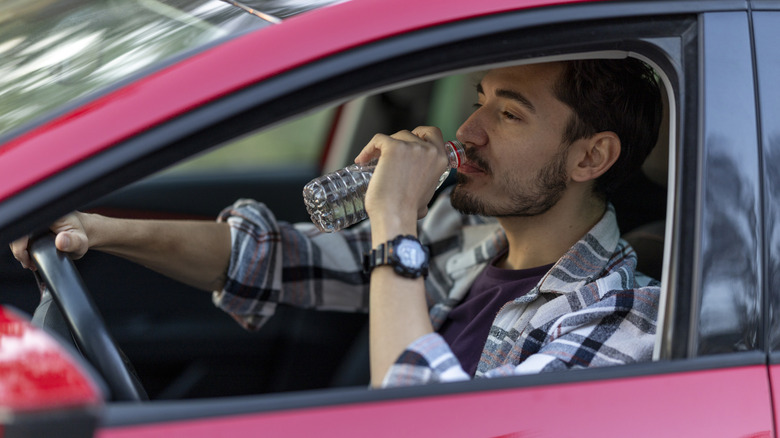
If it's in your budget, grab a cold drink to drive home. Chores mixed with heat can be dangerous, and you need to prioritize your health and safety. Getting into your extremely hot car in the peak of the summer can lead to dizziness, dehydration, and loss of consciousness, which could cause a car accident. Worried about your groceries getting spoiled? Well, crashing your car could cause a lot more damage. Pack water in an insulated water bottle, or grab a chilled beverage to place on the back of your neck before you chug it on the way home.
Grabbing a cool beverage from the store can help you to avoid a bottled-up drive-through, which may save your groceries 15 minutes of bacterial growth. I'd rather you budget 15 extra minutes for a bathroom stop instead, since you've been hydrating. If you've been sweating profusely in the heat, consider a drink with electrolytes, or grab some fruit to snack on alongside your water.