

Wood Kitchen Cabinets: What's The Average Lifespan
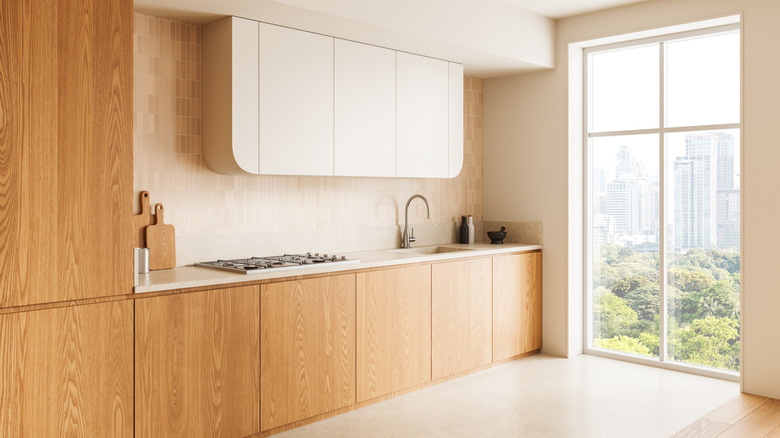
Renovating a kitchen is a serious investment of both time and money, and one that you won't do often. Choosing the right materials for both countertops and kitchen cabinets is going to have the biggest impact on how long the installation will last. When it comes to cabinets, wood is a popular choice, but the lifespan varies considerably depending on the type of wood that you use.
The truth is that all types of kitchen cabinets (apart from stainless steel) feature wood in the construction, but when we think of wooden kitchen cabinets, it's usually those with a timber look or feel, namely solid wood, plywood, or wood veneer.
Solid wood cabinets have the longest lifespan, but will be the biggest investment in terms of cost. Longevity varies slightly on the type of wood, such as cherrywood, oak, or maple, but with the right care you can expect hardwood to last up to 50 years. While this might seem like the best choice, you should consider that your tastes may change in future and you may want to update your kitchen for aesthetic reasons.
Plywood is a popular alternative to solid wood. Not only is a more affordable option for kitchen cabinets, but it's lighter, which can make it easier to install, and won't warp with heat or moisture. You can expect to get 20-30 years out of new plywood cabinets.
For a full wood look without the expense, wood veneer is the best option. This is a thin layer of real wood glued over a base of engineered wood such as MDF or particle board. The lifespan will depend on this core material as well as the quality of the workmanship, but is generally 15-20 years.
Maintaining wood kitchen cabinets
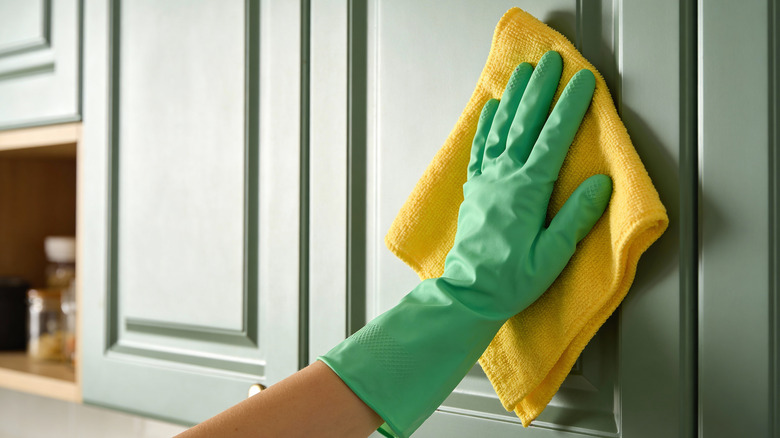
The estimated lifespan of kitchen cabinets is just that: an estimate. How long they last in reality will come down to how well they're maintained and the environmental conditions. Heat and moisture are the biggest concerns, as extended exposure can lead to structural damage of the cabinets. This is difficult to avoid in a kitchen, but you can engage simple measures such as using the exhaust hood when cooking and avoid placing kettles or coffee makers directly under the cabinets.
Regular cleaning isn't just about hygiene; it can also help to maintain the finish on wooden cabinets. Dust can attract moisture or airborne cooking grease, which when left to sit can break down the protective varnish on wood. You're aiming for frequent gentle cleaning, which will avoid the need for deep cleaning with harsh chemicals or tough scrubbers.
Even with the most solid cabinets you should avoid slamming the doors. Over years this can lead to weakening the structure or the hardware. Although hardware can easily be replaced, bent or loose hinges can let the doors sag, and the resulting pressure might end up causing holes or splintered wood.
Finally, all types of wood cabinets can be susceptible to wood-eating pests such as termites. Although they do prefer solid wood, termites are drawn to wood cellulose, which is also present in plywood, MDF, and particleboard. Moist wood is at the greatest risk, so keeping your kitchen well ventilated and repairing leaky sinks or pipes should be the first preventative step. Keep an eye out for any signs of pests like droppings, sawdust, or small holes in the wood. The earlier you detect them, the less damage they will do.
When to replace or refinish kitchen cabinets
There might come a time when your cabinets start to look a little worse for wear, or perhaps you've moved into a new house with wooden cabinets that haven't been cared for. Before you budget to buy or build new cabinets, consider if it's truly necessary — it's only irreparable structural damage that would warrant this.
The instances kitchen cabinets would need to be completely replaced might be warped or cracked wood, chipping or crumbling MDF or particleboard, mold growth, or damage from pests. And in any of these cases, if the damage is only evident in the cabinet doors while the box remains unscathed, replacing just the doors can be a more budget-friendly alternative to a full renovation.
The doors are the most visible part of the cabinet and the part that will attract the most wear and tear. In the case of wood veneer, this will be scratches, chipping or peeling of the veneer. If the damage is surface level, it can be refinished in the same way as timber, with a light sanding and varnish. If the veneer is peeling or heavily damaged but the door itself is structurally sound, it's possible to buy veneer sheets and install them yourself.
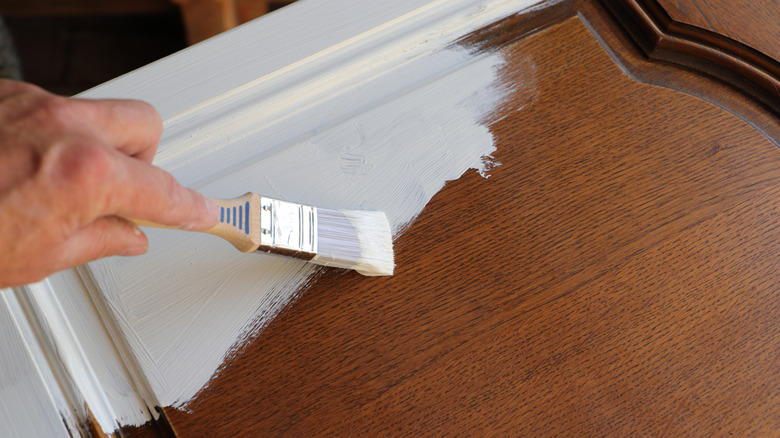
It's the same case with plywood or hardwood. As long as there is no structural damage, the surface can be refinished or painted to deal with wear and tear, or just to give your cabinets a new look on a budget. In fact, if you take care of your wood kitchen cabinets, it is more likely that you'll replace them because they no longer fit your needs or your aesthetics rather than simply through age.