

We Asked A Nutritionist Which Snacks Actually Work For Jet Lag
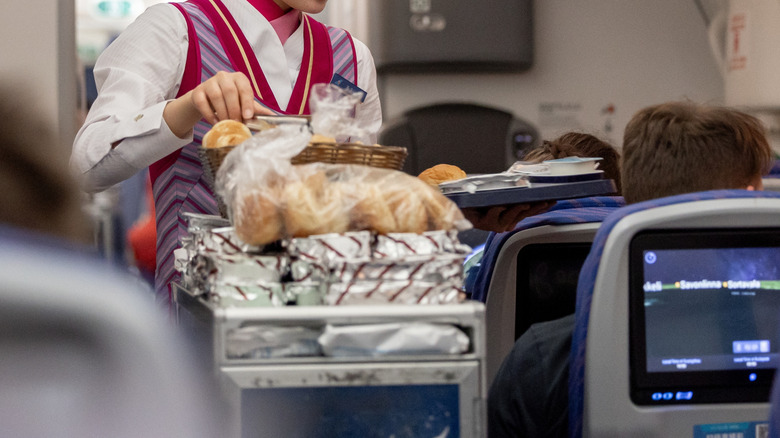
Traveling to new places is on most of our bucket lists. But the jet lag that comes with your adventure is an unfortunate part of the package. However, choosing the right snacks can help lessen the condition's disorienting blow. So, we asked Kara Lydon, registered dietitian, intuitive eating counselor, and owner of Kara Lydon Nutrition and The Foodie Dietitian blog, to break down what you should snack on during your next long-haul flight.
According to Lydon, "A big contributor to jet lag is dehydration from the warm cabin temperature and low humidity on long flights. The best way to combat dehydration is to stay hydrated with plenty of water and opt for foods with high water content, like watermelon, strawberries, cucumber, and celery." These foods are also high in fiber, which helps reduce the digestive issues that are often a part of jet lag. Bringing an empty water bottle to fill up at the airport will help you keep you hydrated throughout the flight.
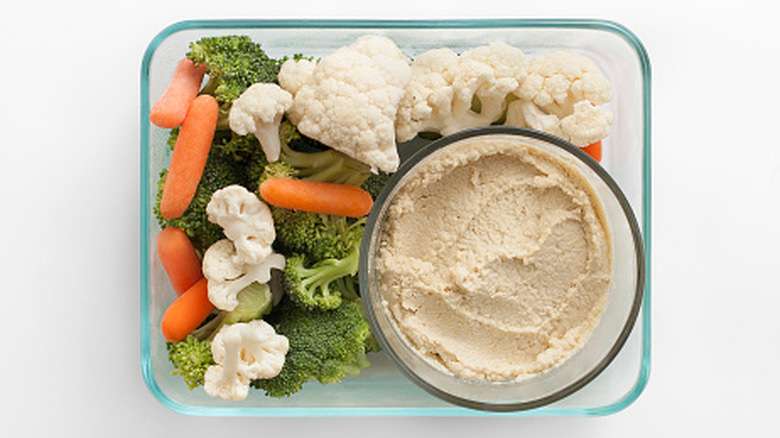
That said, water alone won't cut it. "Replenishing electrolytes with foods high in potassium and magnesium — like bananas, nuts, and whole grains — can help with dehydration as well," says Lydon. Consequently, she recommends a more comprehensive nutritional approach: "Snack pairings that give you a hydration and electrolyte boost are celery or cucumber with hummus, strawberries with yogurt, and watermelon with trail mix." More snacks that seasoned travelers should reach for include whole-grain baked goods like muffins and oat bars, plus filling, high-protein snacks like cheese and roasted pepitas or pumpkin seeds.
Foods and drinks to avoid when flying according to a nutritionist
Kara Lydon compiled a no-go list of foods and drinks to hold off on until you've reached your destination. While there are plenty of foods that hydrate you, there are just as many that can be dehydrating. Lydon told us, "Foods that are especially salty can worsen dehydration, so consider packing sandwiches and snacks from home and passing on the meals served on the flight, which tend to be high in sodium." For example, pack a fresh salad with plenty of water-packed fruits and veggies, feta cheese, crunchy, electrolyte-rich nuts and seeds, and a citrus-infused vinaigrette. Apple and peanut butter, or ants on a log, are other filling options to tide you over to your next meal.
Since air travel disrupts digestion, after you've landed, Lydon cautions that "it's best to stick to the foods you know are easy on your digestive system for at least the first couple of days of travel until your stomach settles." Super spicy, ultra-rich, and deep-fried foods are notoriously rough on the stomach. Sleep is also an important factor in getting over jet lag, so Lydon says, "To avoid feeling extra-groggy upon landing, skip the alcohol served on flights, and ideally try to avoid alcohol and caffeine several hours before bedtime, as both can interfere with quality of sleep." That said, a former flight attendant told us that coffee might be effective for jet lag when flying west and setting your clock back.