

Why The US Beef Industry Once Sued Oprah Winfrey For Over $10 Million In Damages
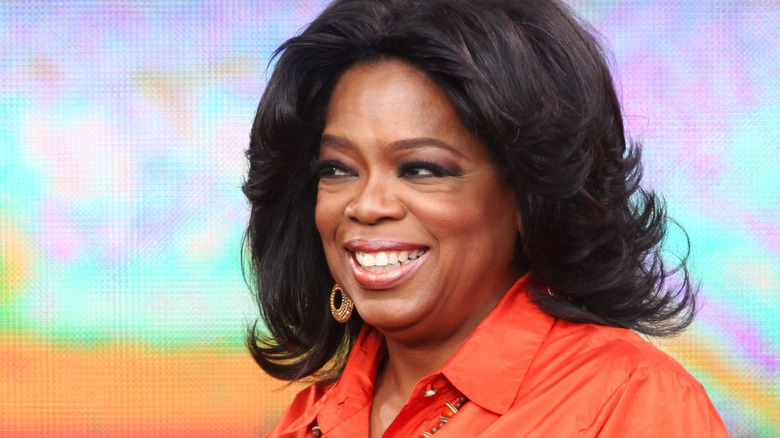
Long before YouTube and TikTok, it was cable television, popular cooking shows, and daytime talkshows that reigned supreme. Those too young to remember "The Oprah Winfrey Show" may not understand the cultural impact that it once had. The daytime talkshow ran from 1986 to 2011 for 25 seasons, launching careers and spotlighting authors with Oprah's Book Club. For better or worse, Oprah's influence was undeniable, which is why a group of executives from the cattle industry once sued the beloved talk show host over her comments about not eating beef back in the late '90s.
In the "Dangerous Food" segment of an April 1996 episode of the talkshow, Winfrey's guest, former cattle ranger Howard Lyman, spotlighted the risk of "mad cow disease" spreading in the United States. "Doesn't that concern you all a little bit right there, hearing that?" Winfrey replied (via YouTube). "It has just stopped me cold from eating another burger!"
For some background, Bovine Spongiform Encephalopathy (BSE) is commonly referred to as mad cow disease, which is a fatal disease that affects a cow's central nervous system. BSE spreads when cattle eat contaminated feed that has been supplemented with parts of (unknowingly) infected cattle. In the late '80s and '90s, "mad cow disease" was increasingly seen in British cattle, leading to worldwide panic and the banning of most imported cattle and livestock to the United States. With that fear on their minds, Texas cattlemen pushed back.
Texas ranchers had major beef with Winfrey
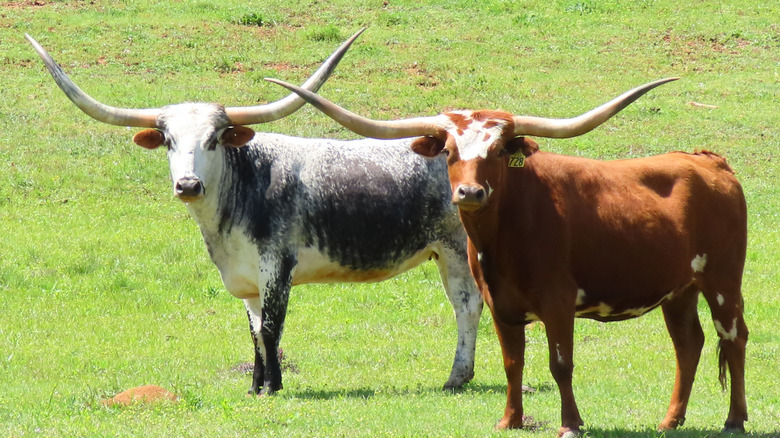
Similar to the cultural impact that Winfrey's show had nationwide, mad cow disease was a major international fear for many at the time. While many governments around the world now have strict policies to prevent BSE, it's hard to overstate the impact that the disease had on the views of those eating beef, or the panic it caused globally. So, when both Oprah Winfrey and her guest Howard Lyman were sued by the "Texas Beef Group" for over $10.3 million in December 1997, it didn't exactly come as a surprise.
Although Winfrey never mentioned Texas specifically, the state is home to the largest beef production in the country. Texas Beef Group sued for false disparagement, defamation, and negligence under a newly passed Texas law known as "veggie libel" laws, which held an individual personable for any false statements made about a specific food's safety, citing concern for the livelihood of beef production. After the episode aired, there was indeed a significant drop in cattle prices across the U.S., but that wasn't enough to grant the Texan cattlemen their alleged millions in damages.
In February 1998, a jury in Amarillo sided with Winfrey and Lyman, as the defamation claims were unfounded due to lack of a specified person involved. After having spent six weeks in Texas preparing for the trial and filming her show, Winfrey viewed this outcome as a victory for free speech. The plaintiffs appealed the verdict to the U.S. Court of Appeals in New Orleans, but that appeal was ultimately denied.