

Planting These Herbs Alongside Rosemary Fills Gardens With Pollinators
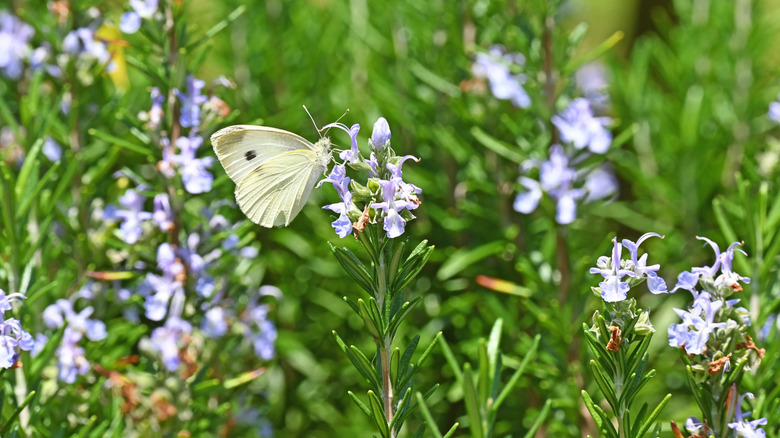
Keeping a kitchen herb garden is like having an outdoor spice rack, bringing fresh, lively flavors to your cooking projects with a quick snip of your gardening shears. Many herbs put out abundant, nectar-rich flowers that attract pollinators and beneficial insects, strengthening the ecological web throughout the garden. Rosemary is a popular choice, and belongs to a family of hardy, kitchen-useful Mediterranean herbs that like to grow together in the garden. In addition to being culinarily versatile and relatively easy to cultivate, they're members of an ecosystem, in active relationship with all the other organisms that make up the natural world. All of this explains why kitchen herb gardens make cooks, gardeners, and friendly bugs happy. Bringing a little intention toward plant compatibility will help build your garden into a healthy, busy little community.
Rosemary, and other aromatic herbs like thyme, oregano, marjoram, sage, and lavender all evolved in places with abundant sunshine and relatively lean soils, with long, dry summers. They get along with one another well, and need similar conditions to thrive excellent drainage, plenty of sun, and a light hand with fertilizer and watering. On the other hand, being from the same place or tasting good together on pizza isn't a guarantee that the plants will grow well side by side; basil and rosemary should not be planted together because basil needs soil to stay moist. When you plant a bed around those shared preferences, it's easier to care for than when every herb has a totally different set of needs.
Growing on common ground
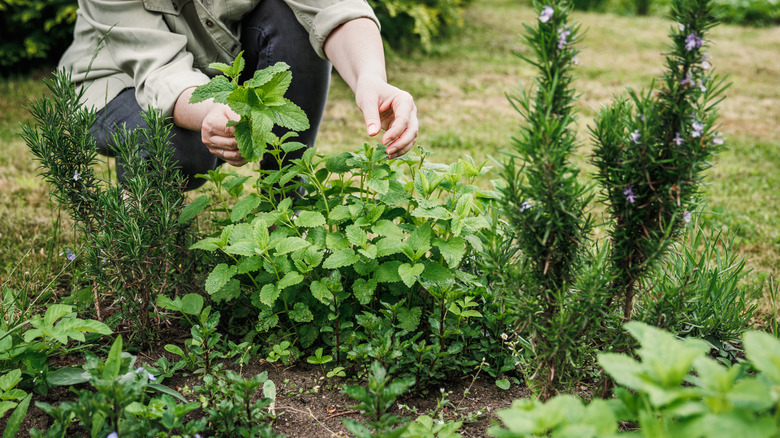
Successful companion planting begins with good planning. Give the woody herbs, like rosemary, enough room to bush out and mature, without being crowded by faster-growing neighbors, and resist the temptation to fill every empty inch of soil right out of the gate. Enough space actually allows for good air circulation, which helps foliage dry after rain or watering. That reduces the chances of mildewing and other fungal diseases that can both shorten the life of perennial herbs and gunk them up to the point you wouldn't want to season your food with them. If you're gardening in heavy clay, sandy, low-nutrient, or polluted soil, a raised bed can be a good idea. Containers are another excellent option, because they will naturally drain excess moisture, and you can bring them with you if your living situation isn't permanent. You can also set your plants up for success by adding soil amendments like compost for nutrients or gravel for drainage.
The flowers bring the wider ecosystem into the picture. Foliage herbs are usually harvested before blooming because flowering changes the flavor and texture of the leaves. But allowing a few stems to blossom allows the garden to be a source of nectar, which is food for pollinators. Honeybees love them, and so do native bees, butterflies, hoverflies, and other beneficial insects that buzz off to help pollinate veggies and fruit, or prey on common garden pests. Letting a few sprigs mature through their life cycle, by allowing them to flower, ripples outward into a thriving backyard food web.
Growing in context
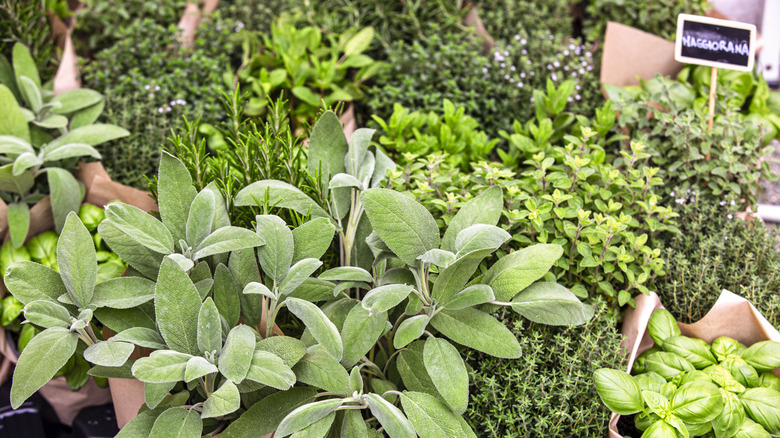
Rosemary is familiar, and a great place to start, but the same principle applies well beyond the Mediterranean herb world. Herbs are an expression of place, both culturally and ecologically. Gardeners in humid climates, tropical regions, or limited container gardens on hot, sunny balconies don't need to struggle to grow plants in conditions they dislike just because they're default herbs.
Botanical evolution has essentially prepared plants for certain expectations about sun, soil, rainfall, and temperature. The healthiest herb gardens begin by asking which plants naturally enjoy the climate you actually live in. Cilantro, Thai basil, Vietnamese coriander, Japanese purple or green shiso, Mexican epazote, lemon balm, dill, mint, self-seeding herbs like angelica, and countless other culinary herbs are rooted in different cultural food traditions and ecological histories. Their environmental preferences, and the way they're used in the kitchen, reflect the places they originally come from. Companion planting works best when it understands and follows those ecological histories, grouping herbs that evolved to grow well in similar conditions.
Companion planting your herb garden to support pollinators follows the ecological histories imprinted into the plants themselves. Climate, rainfall, and seasonality all leave lasting marks on species' biology. Planting herbs that need similar conditions helps them grow well, and consequently, they'll be easier for the gardener to manage. Happy, cooperative herb plants also grow lots of flowers to feed insects. None of this requires acres of land; a raised bed or a handful of pots on a balcony can support the plants, their pollinators, and plenty of flavorful home cooking.