

The Complete Guide To Crisco: What It Is, How To Use It, And More
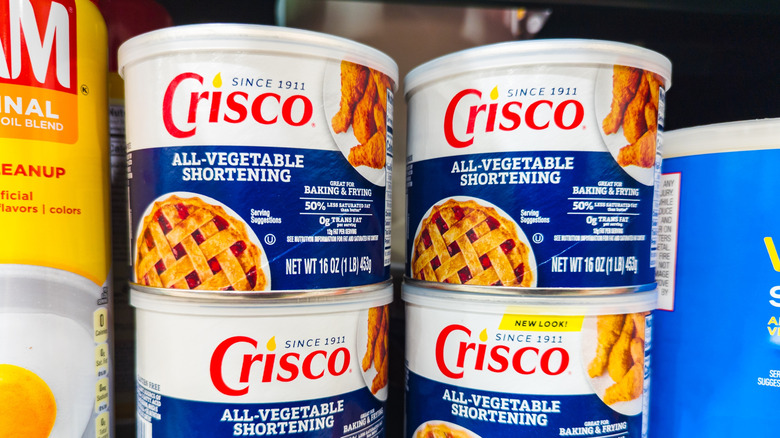
While butter and oil are familiar kitchen staples for most of us, shortening is something of a mystery for many home cooks. Technically, the word shortening can be used to describe any type of fat that remains solid at room temperature, but it generally refers to products made with vegetable oil. Crisco is a popular brand of vegetable shortening that's been around since the early 20th century, and it absolutely still has a place in the modern-day culinary landscape.
Used much like other cooking fats, Crisco is a versatile tool for baking, cooking, and greasing. In many cases, it's actually a smarter pick than other types of fat, often yielding a superior texture in certain baked goods, and being particularly useful for frying thanks to its high smoke point. So, if you've ever wondered whether it's worth adding a tub of Crisco to your cart, you're in the right place. This guide covers everything you need to know about this often-overlooked ingredient, from how it's made and how to use it, to whether it's the right option for your next recipe.
What is Crisco?
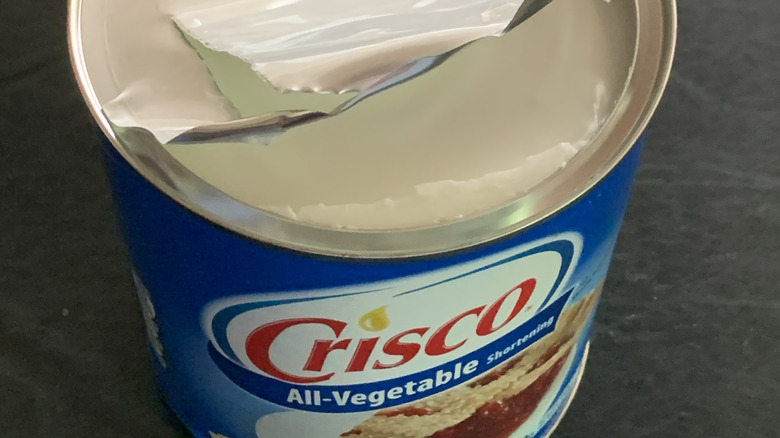
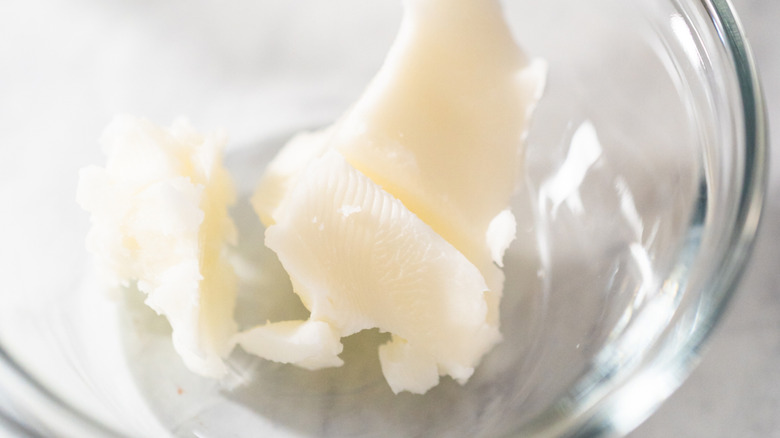
Crisco is a type of shortening with a solid yet smooth, spreadable consistency and a distinct white color. This product first hit the shelves back in 1911, when it was marketed as a healthier, more affordable alternative to butter and lard. Being plant-based, it was the first cooking fat of its kind, and it became an instant hit. Throughout much of the 20th century, Crisco remained a staple in kitchens across America, prized for its neutral taste, versatility, and easy-to-store nature.
In the early 1990s, Crisco's popularity began to wane after scientific research revealed the negative health effects of consuming trans fats. What had once been promoted as a modern, innovative alternative to animal fats suddenly found itself under scrutiny, and consumer perspectives started to shift. While Crisco was later reformulated to remove the trans fats, it never quite redeemed its once-cult status, and today, butter and unsaturated cooking oils are favored in most kitchens.
Despite falling off the radar somewhat, Crisco hasn't disappeared entirely. For many, the product is a must-have for specific bakes and prep methods, especially in recipes that have been passed down from generations gone by. Crisco's unique properties are still just as valuable as they once were, and there are plenty of ways to put it to good use.
How is it made?
Vegetable shortening is made through a chemical process called hydrogenation. This turns liquid vegetable oil into a product that remains solid at room temperature by saturating the oil's carbon bonds with hydrogen. Early versions of Crisco were made from partially hydrogenated cottonseed oil, but it was this partial hydrogenation that led to the creation of trans fats. When Crisco reformulated its products in 2007, it switched its processing method to full hydrogenation, which sees the oil molecules fully saturated with hydrogen ions, creating a trans fat-free product.
Fully hydrogenated fats are, however, very firm in texture. So, to achieve that classic smooth, spreadable consistency, the solid fat has to be mixed with non-hydrogenated liquid oil to create a more workable product. The modern version of Crisco's signature All-Vegetable Shortening is made with a blend of fully hydrogenated palm oil and liquid soybean oil, which yield a neutrally-flavored, semi-solid mixture. In 2020, the FDA officially banned trans fats in the U.S., so this blending method serves as a safe, effective way to preserve Crisco's characteristic texture.
There are multiple varieties
Crisco is best known for its solid, white All-Vegetable Shortening. However, this isn't the only product the brand manufactures. There's also a butter-flavored version of the shortening, which is great for giving baked goods a rich, buttery edge while preserving the unique texture that Crisco provides. This version is also made with soybean oil and partially hydrogenated palm oil, which is enhanced with natural and artificial flavorings.
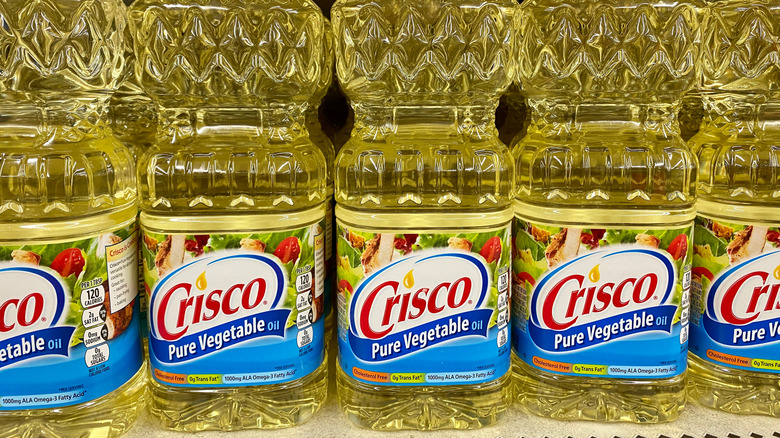
The original and butter-flavored Crisco can both be purchased in lidded cans or in the form of foil-wrapped sticks. These products are shelf-stable, keeping well for up to two years while still sealed in the packaging. In addition to these solid fats, Crisco also sells bottles of liquid oils, including canola, vegetable, and corn varieties. They're ideal for cooking, frying, baking, or mixing into dressings and marinades, where the oil's mild flavor adds richness and helps things crisp up without overpowering the taste of other ingredients. In addition to this, there's a selection of cooking oil sprays, which are perfect for lightly greasing skillets or spritzing over foods before roasting and air frying.
Frying with Crisco
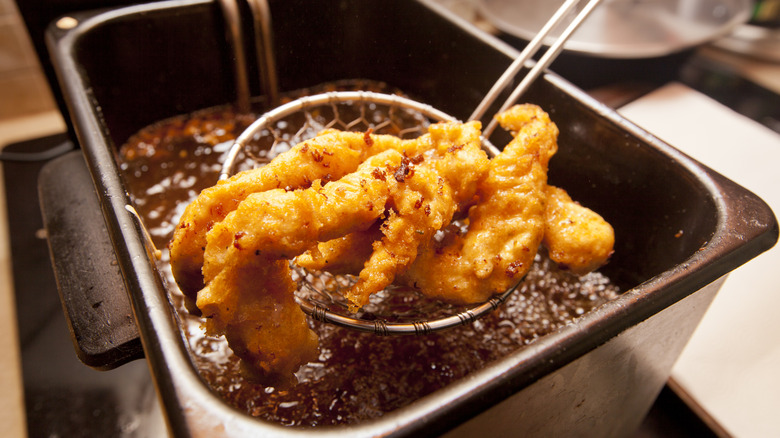
Crisco is an excellent option for deep frying a whole host of foods. The solid fat melts readily, and it's particularly adept at maintaining its temperature, ensuring consistently crispy, golden results. Foods fried in Crisco also often come out with a less greasy feel than those fried in oil, and the neutral taste of the shortening won't impact the final dish, either.
Deep frying with Crisco involves first melting the fat in a high-sided pan or fryer, and letting everything come to temperature. Crisco recommends a temperature of between 350 and 375 degrees Fahrenheit for frying, depending on what you're cooking. Then, you can carefully lower your coated pieces of food, letting them bubble away until perfectly crisp. This technique works great with breaded chicken, battered pickles, and even bananas, which fry up gloriously sweet and golden. Lots of veggies are ideal for deep frying (think green beans and onions), and certain cuts of meat like pork loins and chicken thighs are also especially well-suited to this cooking method.
Crisco is just as great for sauteing, too. Feel free to use the shortening in place of oil in recipes like stir-fries, curries, soups, or risottos. Or, sub it in any time you're pan-frying proteins such as salmon fillets, chicken breasts, or cubed tofu.
Baking with Crisco
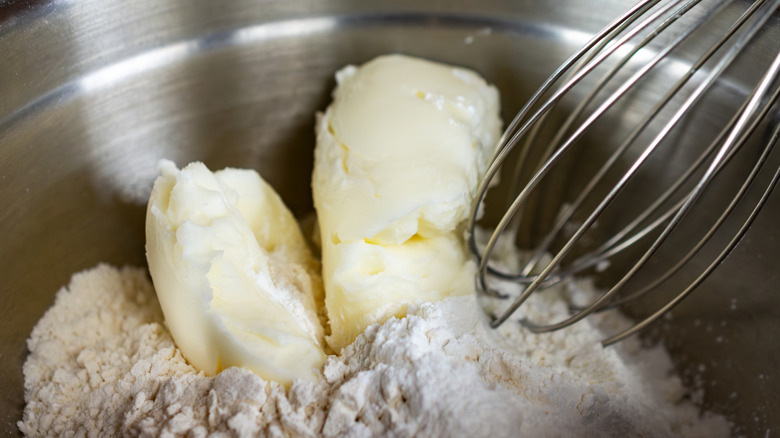
Crisco also works brilliantly with baked goods, and there are some specific recipes where the shortening arguably outshines butter and oil. Pie crust is a popular pick, and bakers say pastry made with Crisco bakes up exceptionally flaky, offering the perfect balance of lightness and richness. The smooth, semi-solid texture of shortening makes it wonderfully easy to work with. It combines readily with flour and other pastry ingredients, creating a dough that can be rolled and shaped without cracking. Crisco pie dough holds its shape well during cooking, too, so it's perfect for making intricate pastry decorations. Crisco recommends keeping the shortening chilled before use for the flakiest results.
Sugar cookie dough can also benefit from the use of Crisco. The fat produces melt-in-the-mouth tender cookies that don't spread excessively in the oven, and you could even use butter-flavored Crisco to replicate that traditional rich taste. Shortening also works great in cakes, cupcakes, and muffins, where it creates a noticeably lighter and more tender texture. And, it's particularly handy for greasing baking pans, thanks to its smearable consistency.
Crisco vs. butter
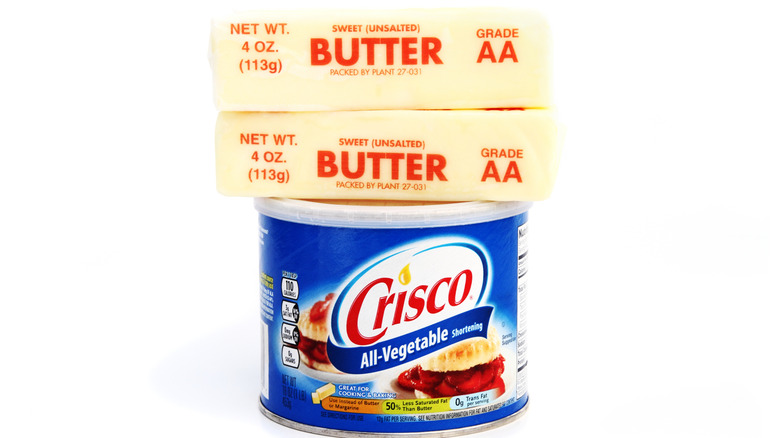
Butter and shortening have similar applications in the culinary world, but each type of fat produces slightly different results. While butter consists of around 80% fat and 20% water, Crisco is 100% fat. The water found in butter helps to increase gluten production during baking, so it does yield a superior texture in certain recipes. However, because shortening melts more slowly, it can yield taller, thicker bakes that spread less in the oven. The texture of treats baked with Crisco is typically softer, too.
Flavor is another key difference here. Butter has a naturally rich taste that many of us associate with indulgence and comfort food. Crisco, on the other hand, has a decidedly neutral flavor. This can be useful in some recipes, and undesirable in others, depending on the other ingredients and overall profile you're going for. Shortening also has a higher melting point than butter, so it's a safer and more stable option for sauteing and frying.
Nutritionally, Crisco is higher in calories than butter and consists mostly of unsaturated fats. Butter, which contains more saturated fat, also comes with around 30 mg of cholesterol per 1 tablespoon serving, unlike cholesterol-free Crisco. Shortening is, of course, a fully plant-based option, too, so it's a useful staple for those avoiding animal products.
Crisco vs. lard
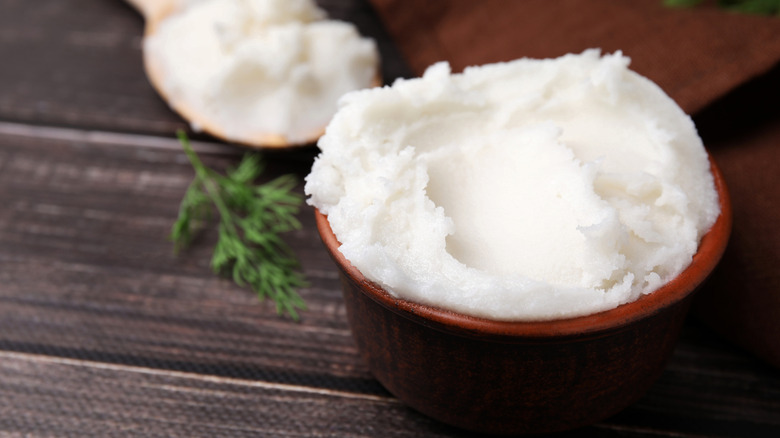
Lard might not look that dissimilar to Crisco, but the two fats come from very different sources. Lard is a type of rendered animal fat (typically pork-based), while Crisco is, of course, derived from vegetable oils. Texture-wise, these products are incredibly alike, both being semi-solid and white in color. They also have similar smoke points and melting points, so they behave much the same when heated. But flavor is what sets lard and Crisco apart.
The unique, meaty taste of lard makes it much better suited to savory recipes, regardless of whether you're sauteing, frying, or baking with it. Lard can lend richness to stews and casseroles, and it's a go-to for many bakers who swear by its ability to create the ultimate flaky pie crust. Crisco serves as a more versatile alternative that can be used across a wider range of sweet and savory dishes, thanks to its neutral taste. Plus, as noted, the soft texture it creates in cookies and cakes is unmatched.
Lard contains more saturated fat than Crisco, but less than butter. It's also an excellent source of vitamin D, and less processed than many other cooking fats. Hence, it does seem to be slowly making a comeback in modern kitchens.
Where to buy it
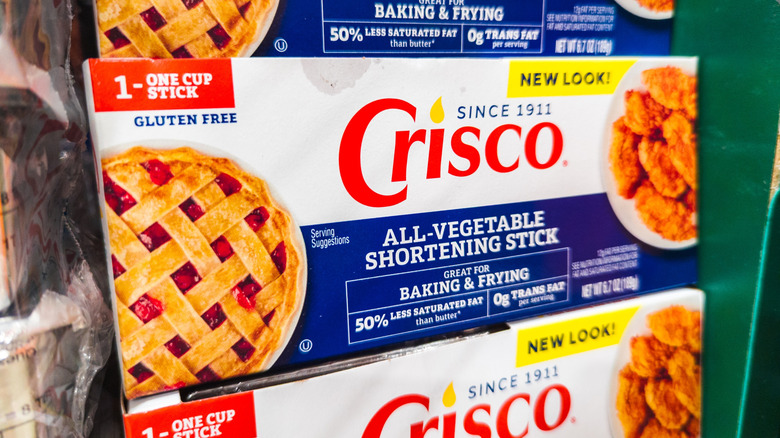
Crisco can be purchased from most major grocery stores in the U.S., including Walmart, Kroger, and Target. The All-Vegetable Shortening cans and sticks are both widely available, and most large stores also sell the brand's range of oils, as well as the butter-flavored shortening products. All of Crisco's oils and shortenings are stored ambiently, so you won't find them in the chilled section with the butter and lard. Instead, the sticks and cans are typically located in the baking aisle.
In other parts of the world, Crisco can be harder to source in physical stores, but there are generally alternatives to choose from. Trex and Cookeen are popular brands of vegetable shortening in the U.K., both made with palm oil and rapeseed oil. In Australia, Copha is the leading brand, and this consists almost entirely of coconut oil. If sticking to Crisco is essential, you may also have the option of ordering from online retailers such as Amazon or eBay, depending on where you live.
How to store it
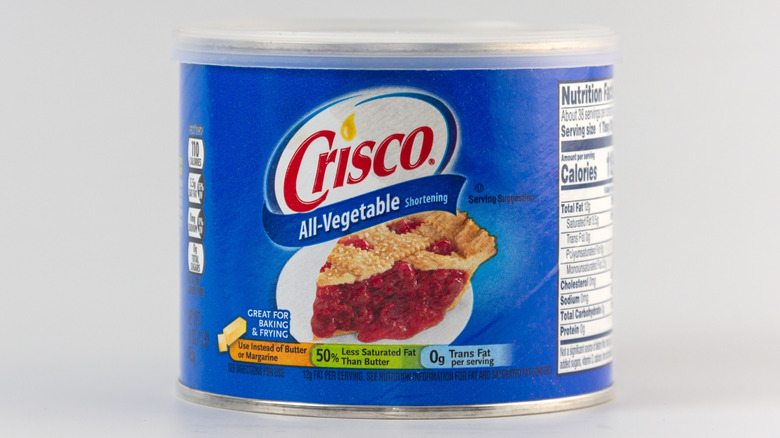
Stored correctly, all Crisco products will keep well for up to two years from the manufacture date sealed in the original packaging. The cans, sticks, oils, and sprays should all be kept in a cool, dry place, with no exposure to heat, sunlight, or strong odors. Refrigeration is an option for those living in warmer climates, but Crisco advises that this will alter the consistency of the products, with the shortening becoming firmer, and the oils developing a cloudy appearance.
Once opened, Crisco remains shelf-stable for an impressive length of time. The shortening sticks can be stored in the pantry for up to six months, while the cans keep things fresher for longer — for up to a year. The opened oil bottles and spray cans are also suitable for ambient storage, with the former keeping well for up to a year, and the latter lasting for two years.