

19 Indian Dishes Most People In The US Overlook — But Shouldn't
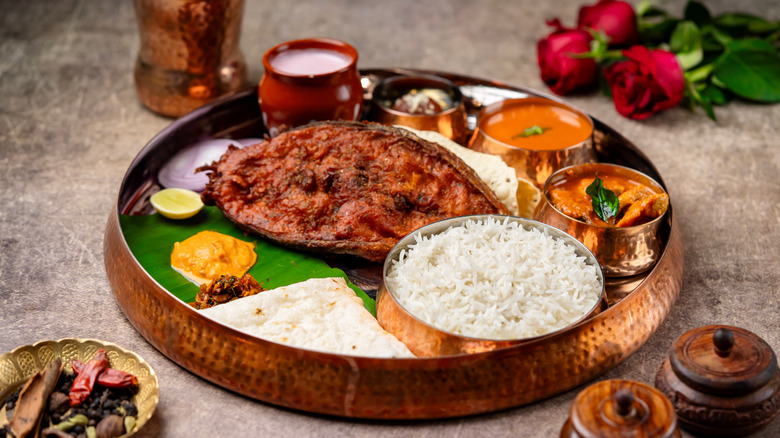
If you're like me, you love a crispy dosa as much as a rich, fragrant butter paneer. But you might also be curious about regional cuisines outside of the North and South Indian binary. For five years, I've called Mumbai home, and I've lamented the fact that immigration patterns, ingredient availability, and taste preferences have precluded the presence of some of my favorite Indian dishes in America. That's changing, though. I spoke to a handful of experts to ascertain which Indian dishes most people in the U.S. overlook, but shouldn't — and perhaps won't need to any longer.
Joining the conversation from across the country are Chef Balpreet Singh Chadha, of The Mango Yard; Chef Partner Nigel J. Lobo, of Indibar; and Executive Chef Srikant Kumar, of Gymkhana Las Vegas. Meanwhile, representing New York are Restaurateur Avtar Singh Walia, of Tamarind Tribeca; Chef Abhishek Botadkar, of Bhaijaan; and Chef Aarthi Sampath, of Drāvida.
Several of these chefs encourage readers to visit India to try these unique flavors. Recognizing that's it's not always feasible, most of them also advise frequenting regional Indian restaurants over generic ones. If you can travel closer to home, Sampath recommends flying to New York City, where the South Indian diaspora is on full display. No matter how you dabble, Lobo sums it up well by observing that "beyond butter chicken lies one of the world's most diverse and fascinating culinary traditions, with countless regional dishes waiting to be explored."
Pork vindaloo
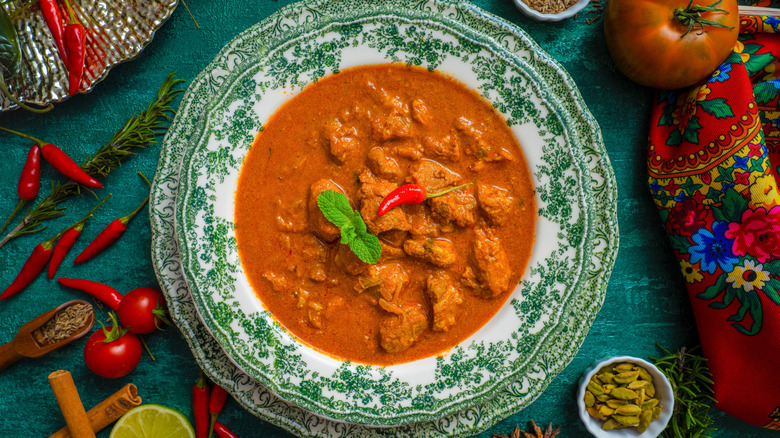
"Portuguese colonization left deep marks," says Balpreet Singh Chadha. Many such marks were painful and unjust, but Portuguese culinary heritage is still relished today. "Ingredients such as vinegar, chilies, potatoes, tomatoes, and cashews arrived through Portuguese trade networks and became deeply integrated into local cooking," explains Srikant Kumar.
Pork vindaloo is one manifestation of that complex history, and it's related to carne de vinha d'alhos, a Portuguese marinated pork dish. Crucially, the pork isn't marinated in the same vinegar used for pickles and onions; instead, it soaks up the flavors of toddy vinegar, a rare ingredient Chadha says is largely responsible for this dish's obscurity.
Dried red chilies, garlic, and other spices like cloves and cumin join to create a spicy, tangy, and sour gravy that is served with steamed rice. Chadha describes pork vindaloo as "a heat-seeker's reward," so stay far away if you are sensitive to spice.
Misal pav
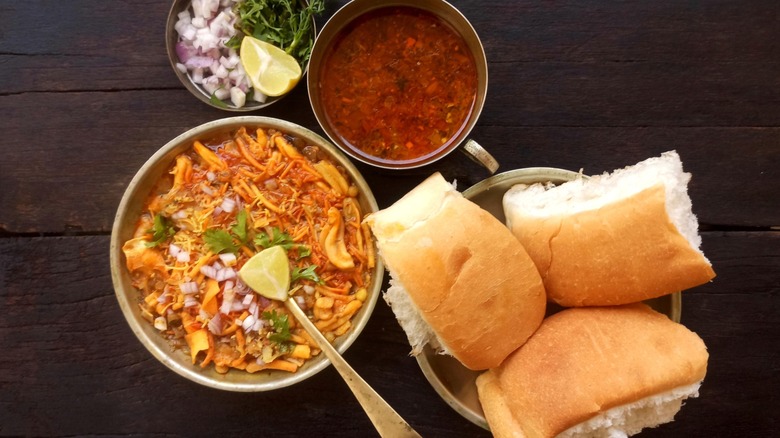
Maharashtrian food is heavy on the coconut, mustard seeds, and chilies, says Aarthi Sampath, and misal pav is a great example of a local dish that is unlike any other Indian food. It contains several layers of texture so that each bite engages the senses and keeps you coming back for more — if you can handle the spice, that is. Thankfully, Srikant Kumar says this is a relatively easy dish to prepare at home, where you can add however much chile your mouth can withstand.
This Maharashtrian dish consists of sprouted legumes, a fiery gravy containing tangy tamarind, crunchy farsan (often sev), and pav (one of many Indian breads worth learning about). Misal pav is a prime example of street food. In fact, while it can be reliably found along highways and at roadside stalls in Mumbai, I've hardly ever seen it in restaurants otherwise.
Meen pollichathu
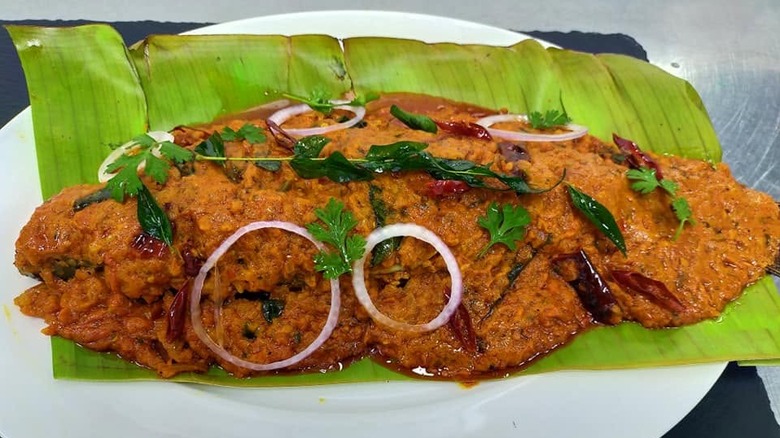
Moving along from street food, we arrive at meen pollichathu, a South Indian dish that comes recommended by Nigel Lobo. He shares that it's "delicate, smoky, and showcases the elegance of Kerala's cuisine." Like many other Keralan dishes, its star ingredient is fish. Though local recipes use a fish variety known as karimeen, you can successfully make meen pollichathu with varieties like sardines and mackerel.
This fish is marinated in seasonings like chile powder, turmeric, pepper, curry leaves, ginger, and garlic. It's fried, then placed atop a masala featuring ingredients like tomatoes, onions, ginger, garlic, tamarind, and coconut milk. All of this is wrapped and cooked inside a banana leaf.
"Preparing a perfect meen pollichathu," states Lobo, "requires more than a recipe." Perhaps it's best, then, to seek this dish out in a restaurant. As Lobo observes, "it requires cultural understanding, experience, time, and repetition."
Litti chokha
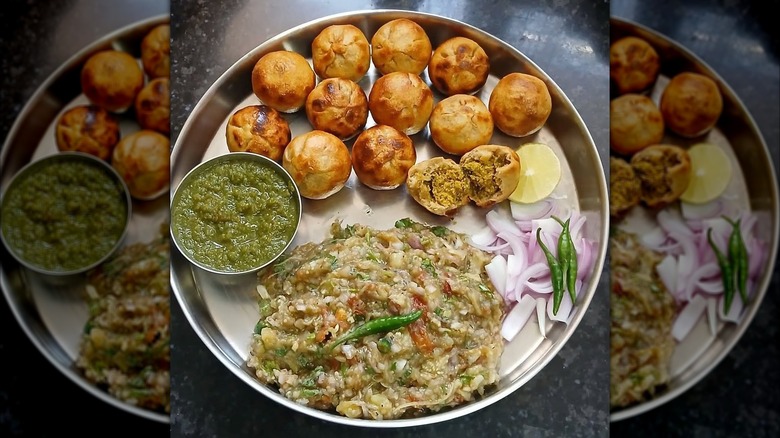
Comforting and filling, litti chokha is a hallmark of Bihar, where you can find it being cooked over open fires at countless roadside stalls. As Balpreet Singh Chadha notes, there's no American analog for this dish. The "litti" component refers to whole wheat dough balls stuffed with a mixture of sattu (roasted gram flour) and spices. The "chokha" is a mashed mixture of eggplant, tomato, and potatoes.
Mustard oil is a prominent ingredient in both the sattu filling and the chokha. It took me several months to start enjoying mustard oil's pungency after I was first introduced to it. It isn't available as a culinary oil in the U.S., but you can often find it in Indian groceries alongside cosmetics. In the rare event that you're eating litti chokha at an American restaurant, it will likely be prepared in ghee alone.
Kathi rolls
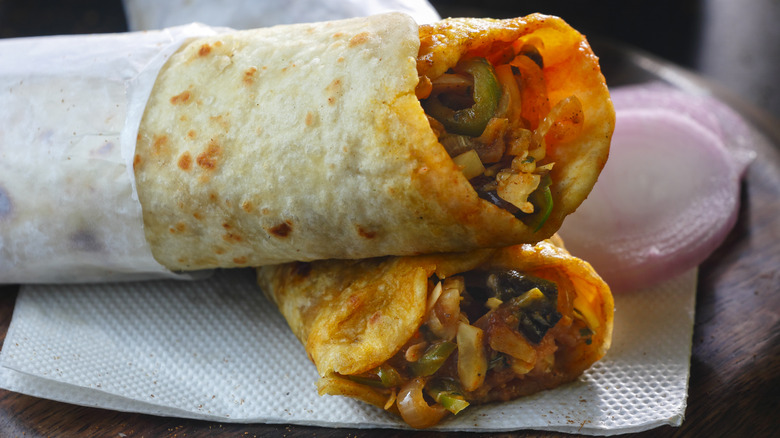
You can't miss the love in Aarthi Sampath's voice when she speaks of Bengali food, and I readily agree with her observation that "it's one of the most nuanced cuisines in India." Mustard oil again makes a frequent appearance here, often harmonizing with panch phoron, one of the many Indian spice blends you should consider adding to your recipes. But don't overlook Bengal's kathi rolls, either, which Sampath says are among the best on earth.
Kathi rolls fall into the street food family because they are easily grabbed and eaten on the go. Like a burrito, a kathi roll consists of cheese, eggs, vegetables, and/or meats wrapped in a flatbread. But instead of a tortilla, a paratha is the traditional vehicle (though rotis are also acceptable and commonly used).
Galouti kebab
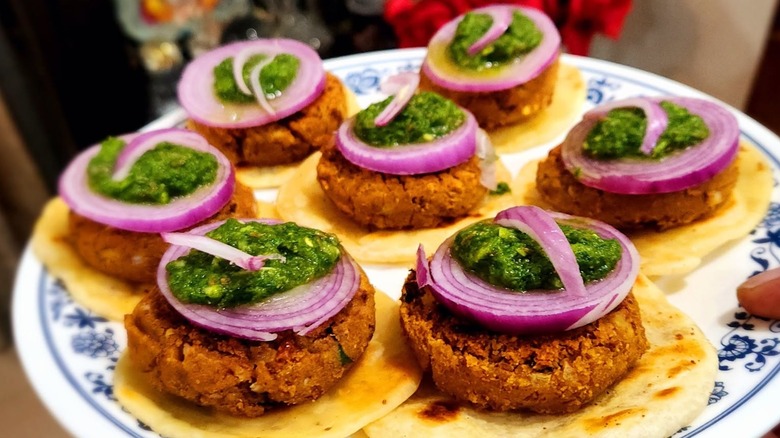
My family and friends fondly remember eating soft, luscious galouti kebab while visiting India. These kebabs often come out at parties or are served as appetizers at high-end restaurants. The modern version makes for great finger food. I see galouti kebab made with vegetarian substitutes like mushrooms, beetroot, and soy protein as often as I see it made with meat.
The traditional Awadhi version recommended by Abhishek Botadkar was once reserved for royalty. This kebab contains finely minced meat and several spices, and it is served on roomali roti alongside onions and chutney. "Many of India's most refined kebabs, kormas, and braised meat dishes originate from [the Awadhi] region," shares Botadkar, so if you like this dish, try delving deeper into other slow-cooked meat dishes from the region. Who knows? These kebabs might just replace meatball sliders in your next party spread.
Rogan josh
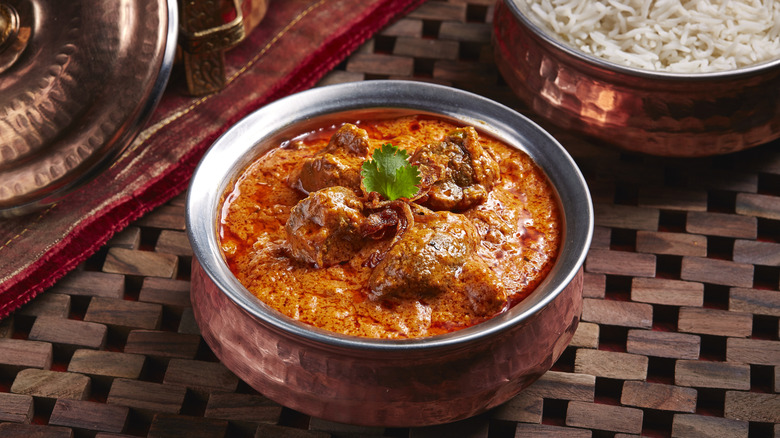
"Rogan josh does appear on many US menus," shares Balpreet Singh Chadha, "but usually a generic North Indian version rather than the authentic Kashmiri wazwan preparation." The small Kashmiri diaspora is largely responsible for this, not to mention the fact that it's a labor-intensive dish requiring several difficult-to-source ingredients, like mawal flowers.
Nevertheless, if you do get a chance to try it, you'll be delighted by each tender piece of lamb in the rich red curry. Chadha describes this dish as particularly aromatic, thanks to spices like fennel, cardamom, cinnamon, and dried ginger. It's not a dish you can prepare on the spot, as the lamb will need to be browned before being slow-braised in the gravy. Plus, you'll need to be patient while browning the onions; rushing through this step is one of the biggest mistakes beginners make with Indian cooking. Serve rogan josh with steamed rice or naan.
Crab ghee roast
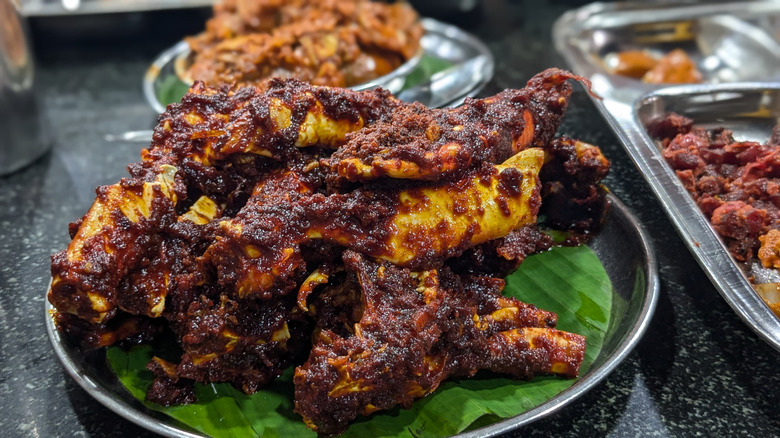
For further proof that South Indian food is about more than dosa, idli, and sambar, just take crab ghee roast, as recommended by Nigel Lobo. This Karnatakan dish is unapologetically spicy, yet satisfyingly rich. Although I've not eaten crab ghee roast myself, I'm a staunch advocate of blooming spices in ghee, a key technique used to draw out their most robust flavors. In crab ghee roast, spices like coriander seeds, black pepper, and chile peppers are pounded into a paste, simmered with ghee, and then used to smother cooked, frequently marinated crab meat. Coconut oil can also be used to bloom the spices, in which case ghee is added elsewhere.
Another variation of ghee roast is made with chicken instead of crab. Vegetarians could even use tofu, paneer, or sturdy vegetables. Srikant Kumar recommends pairing ghee roast with kori rotti, crepe-like rice wafers that are infamously difficult to master at home. Srikant says that's part of why the combo is so rare in America, though ghee roast itself is relatively easy to prepare.
Chicken cafreal
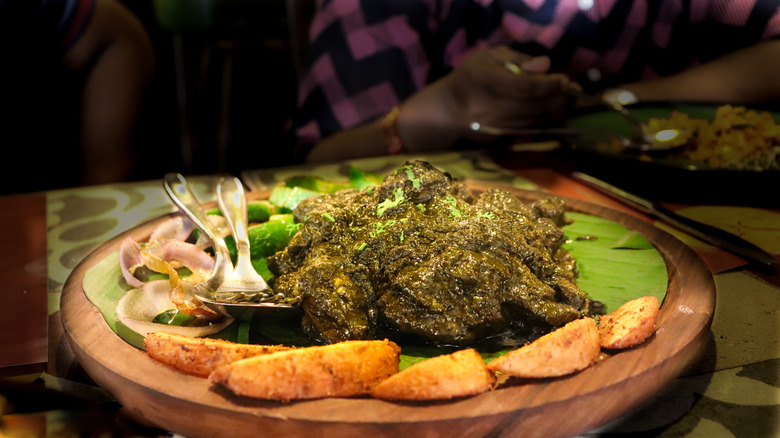
Chicken cafreal is ubiquitous across seemingly every beach shack menu in Goa. I've had the vegetarian version of this dish, which is best made with sturdy vegetables like cauliflower and mushrooms, but chicken cafreal is far more common. It's an herbaceous, tangy dish that Nigel Lobo recommends trying as an alternative to curry.
This dish is prepared by coating chicken in a vibrant green marinade. This bold hue can be attributed to several ingredients, including cilantro, green chilies, and coriander seeds. Ginger, garlic, and either lemon juice or vinegar are essential, and spices like green cardamom, cinnamon, cumin seeds, turmeric, black peppercorn, and cloves often appear. The chicken is cooked until tender and the masala thickens and dries. Chicken cafreal is often served with potato wedges, salad, and bread.
Pav bhaji
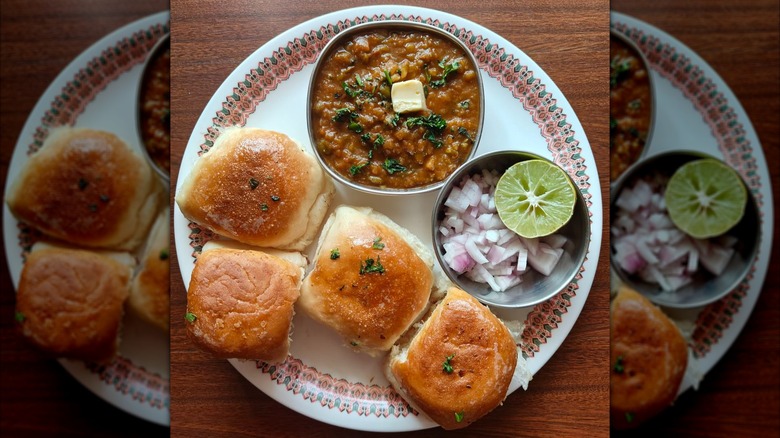
Pav bhaji is one dish that "showcase[s] how vegetables and legumes can be transformed into dishes packed with texture and flavor," shares Nigel Lobo. This Maharashtrian specialty is common where I live in Mumbai, but I usually make my own version at home — especially when I have a random assortment of produce in my fridge that needs to be consumed.
Indeed, making pav bhaji is one of the easiest ways to load up on veggies; just check out this messy veggie pav bhaji recipe, and you'll see why. It's packed with potatoes and other vegetables like green peas, carrots, and cauliflower. Even so, it's all mashed and laden with spices so that you don't realize just how much produce you're eating. The fact that pav bhaji is served with dinner rolls makes this dish more accessible to the American palate, and it also makes it more comforting.
Goan fish curry
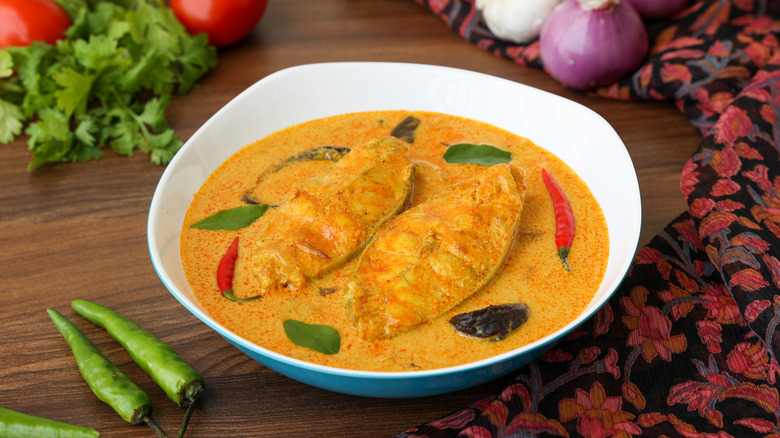
Like Balpreet Singh Chadha, Avtar Singh Walia explains that many aspects of Goan cuisine can be attributed to the several hundred years that the Portuguese ruled over this coastal region. Tangy, spicy, and slightly sweet flavors are hallmarks of Goan cuisine, he says, and they are readily apparent in Goan fish curry. This dish, which is served with rice, is given heat by chilies and a tangy twist from tamarind. Yet, it's coconut-based, so there's a substantial amount of creamy sweetness involved, too. Recipes needn't be strict; according to Srikant Kumar, a fish curry in one Goan village might look entirely different from what's made in the next.
Similarly, don't restrict yourself to Goan fish curries. Nigel Lobo shares that each region of coastal India "uses different combinations of coconut, tamarind, kokum, mustard, or local chilies to create entirely distinct flavor profiles" in its fish curries. For instance, Abhishek Botadkar makes a Chilean seabass with Madras-style coconut curry, combining ingredients like lime juice, curry leaves, mustard seeds, turmeric, mustard oil, and curry powder.
Nihari gosht
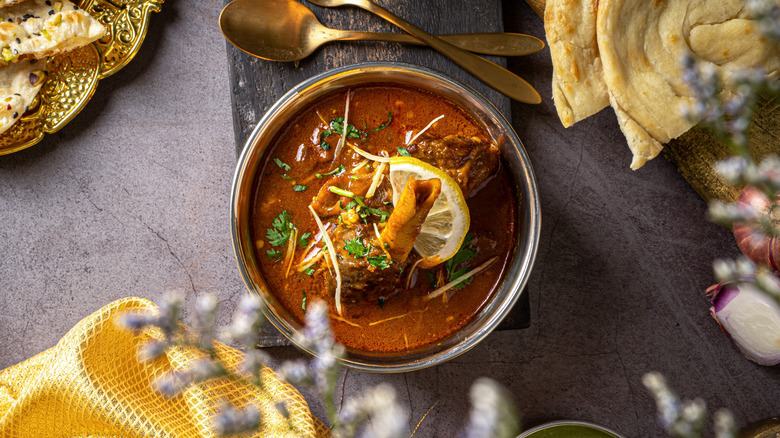
On the hunt for a dish that welcomes you at the end of a long day? According to Abhishek Botadkar, "nihari offers the same comfort and depth that many people enjoy in dishes such as beef bourguignon, osso buco, or slow-braised short ribs." Preparing this North Indian specialty requires much skill and a significant time investment, though, so start by trying it at a restaurant.
Indeed, this is a slow-cooked, tenderized meat dish; preparations typically begin the night before it is meant to be served. Along with a handful of other spices, the Indian trifecta of onions, ginger, and garlic creates a creamy, aromatic gravy in which pieces of beef, lamb, or goat swim. Serve this dish alongside naan or khameeri roti, recommends Botadkar, and don't forget to garnish it with a squeeze of lime and a sprinkle each of ginger and cilantro.
Dhansak
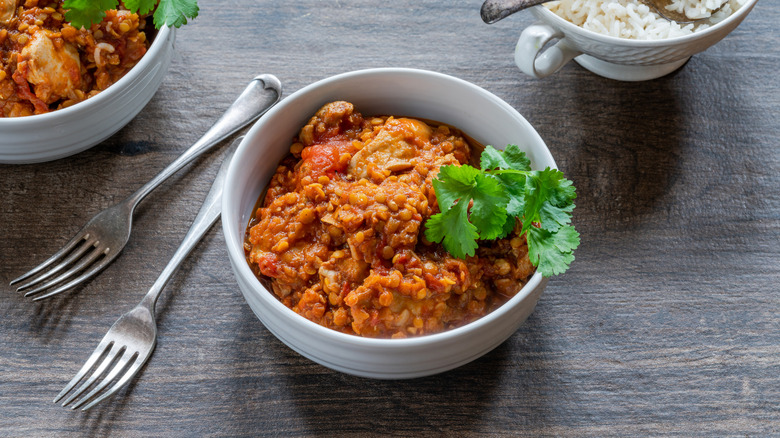
I'll never forget the veneration in my husband's voice when he introduced me to dhansak for the first time. This hearty lentil and vegetable stew was cooked for us by a Parsi friend's mother, who usually adds meats like chicken or lamb to her dhansak (we, on the other hand, are vegetarian). Peering inside the pot, I was treated to a waft of earthy, warm spices, and while it didn't look like anything extraordinary, I found the flavors to be first-rate.
Balpreet Singh Chadha is similarly excited by this star stew of the shrinking Zoroastrian community. As he explains, it's a fine example of a dish that balances sweet, spicy, and sour ingredients. Dhansak is often served with caramelized rice, further adding to the sweetness. While you could eat it any day of the week, it's traditionally enjoyed on Sundays.
Chettinad chicken
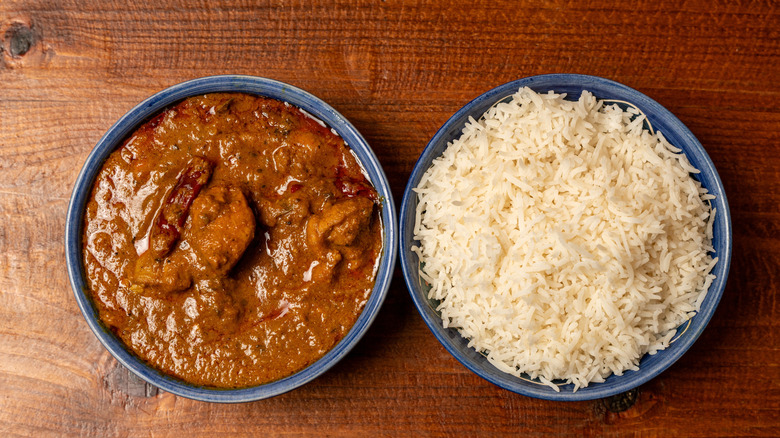
"If you love spice and heat, then you have to try Chettinad cuisine from South India," shares Aarthi Sampath. "It's a cuisine that doesn't hold back." And what better place to start than Chettinad chicken? This dish is uncommon in the U.S, for a few reasons, says Balpreet Singh Chadha. For one, a key ingredient, kalpasi (stone flower lichen), is challenging to source. This dish is also extremely peppery, an unfamiliar flavor profile for most Americans.
Going out on a limb may prove rewarding, though. Chettinad chicken allows bold spices like black pepper and star anise to shine. It's smoky, earthy, and aromatic, and best served on slightly neutral bases like rice, dosa, and flaky parotta. Notably, this is not a wet gravy, but a somewhat dry dish.
Appam stew
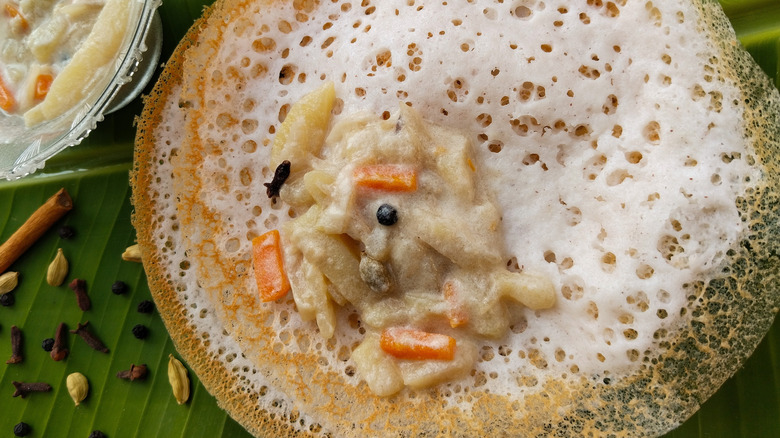
Appams are my love language. Seriously — if my husband saves the fluffy center of this special type of dosa for me, I'd say it's as good as a dozen roses. That's what makes me look forward to trying appam stew, a dish recommended by Avtar Singh Walia.
The first component is, of course, appam, which is cooked from a batter that often contains fermented rice, coconut, yeast, and a bit of sugar and salt. The appam is the vehicle for eating the second component, which Walia shares is a mild, creamy stew. It stars coconut milk, onion, curry leaves, green chilies, ginger, and several spices. Either chicken or vegetables can add bulk to this mildly sweet sauce.
Poulet vindaye
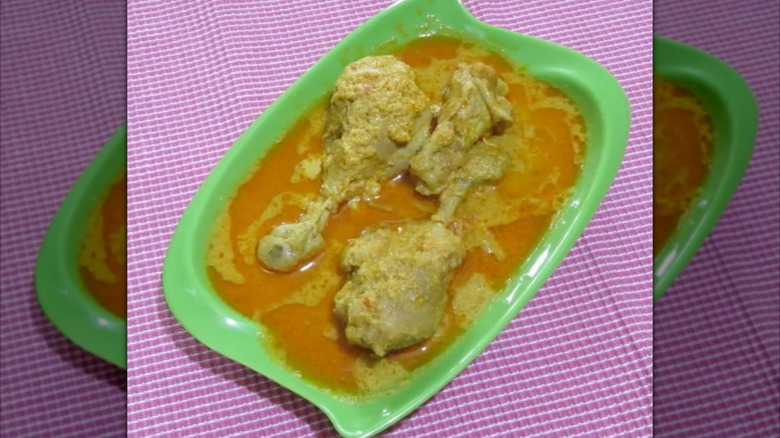
Pondicherry is Balpreet Singh Chadha's hometown, and so he's truly an expert in the French-Indian fusion that can be found there. Poulet vindaye is one example of the city's Creole culinary scene; he describes it as the local spin on vindaloo-style chicken. In addition to vinegar, it stars seasonings like mustard seeds and ginger, resulting in a tangy, sharp, pickle-like flavor. Further cementing the European influences of this dish, it's often served with a French-style baguette in addition to rice.
Even in India, you won't find this dish much outside of Pondicherry, shares Chadha. But that's not because its flavors are too wacky to appeal to a larger audience. Rather, the Franco-Tamil Creole community is very limited in scope, so most folks simply haven't been introduced to it.
Masor tenga
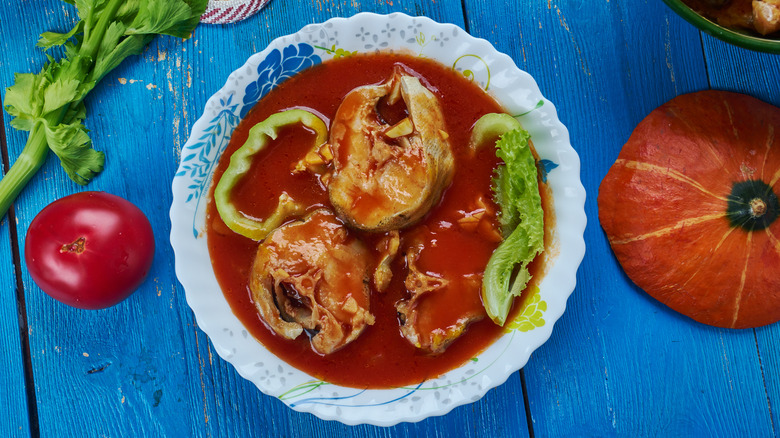
You don't need many ingredients to make a stellar masor tenga. Tomatoes, fried fish, and fenugreek seeds are a few of the key ingredients in this acidic, sour, and tangy preparation. Srikant Kumar recommends serving masor tenga "with rice as a palate-cleansing, broth-like dish." Indeed, this Assamese specialty is a light, refreshing counterpart to the many stick-to-your-ribs gravies on this list.
Freshwater fish is ideal for masor tenga, and the catla and rohu varieties are used in India. You can also add vegetables to the sauce. Gourds are particularly suitable — for instance, bottle gourd or ridge gourd, both of which you might find in an Indian grocery store. Perhaps the best part about this dish is that it doesn't require you to chop onions. The flavors are simple, but turn out to be more than the sum of their parts.
Smoked pork with axone
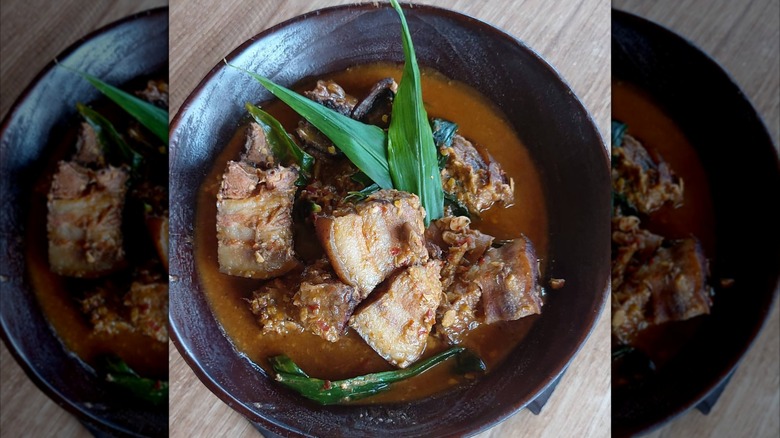
The main flavors in Naga cuisine, shares Balpreet Singh Chadha, are products of fermentation and smoking, not spices. That's readily apparent in smoked pork with axone, a dish built upon fermented soybean. Here, pork, which frequently retains both its fat and skin, is smoked or sun-dried before being cooked with fermented soybeans and chilies. Finally, this concoction is served with plain rice. Chadha describes the dish as smoky, spicy, and savory, and he recommends it to those with the most adventurous palates.
The cuisine of Nagaland, like that of other regions in northeastern India, is often overlooked in America due to ingredient availability. After all, where would one find staples like fermented bamboo shoots, ghost peppers, and axone? The second hurdle, of course, is getting folks accustomed to such funky flavors and aromas. Maybe you'll help set the trend.
Til diya mangsho
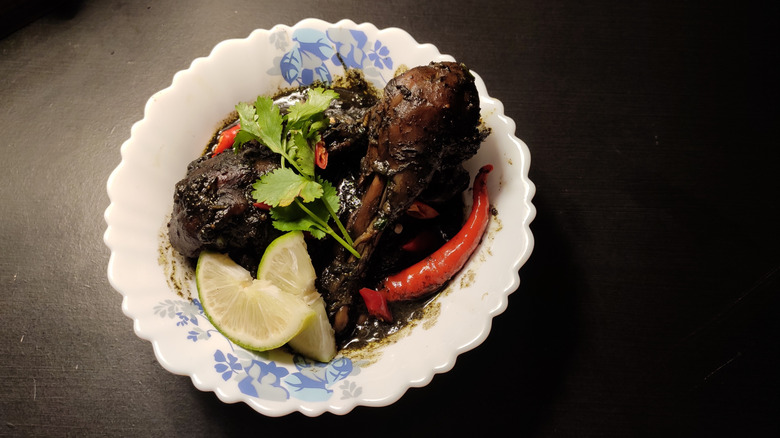
Til diya mangsho isn't a staple in Indian restaurants, shares Srikant Kumar, largely because this dish is heavy on the sesame rather than familiar flavors like coriander and cinnamon. Furthermore, it calls for black sesame seeds rather than white, which is what American diners are used to in tahini and hummus. That makes this dish smokier than one might expect. However, all this isn't to say that til diya mangsho hasn't been perfected by Assamese chefs. It's held in high regard there, as it should be.
Chicken meets black sesame paste in this famous dish, along with ingredients like onions, ginger, garlic, cumin, black peppercorns, and green chilies. Mustard oil is key for til diya mangsho, adding heat and pungency to its layered earthiness. This dish is typically served with rice or flatbreads like roti.