

How Long The Average Life Of A Gas Oven Actually Is
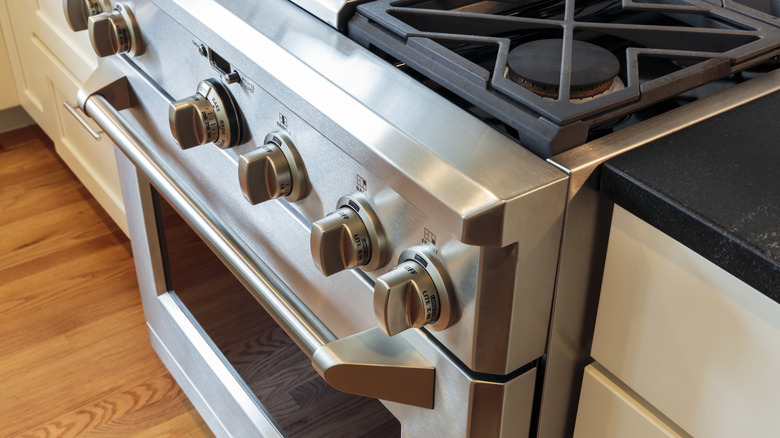
As more and more people make the switch from gas ovens to electric, you might be looking at your current cooker and wondering if it's time to make a change, too. Or perhaps you're buying a new oven completely and are curious about the average lifespan of various kitchen ranges. As it turns out, yes, gas and electric ovens do have differing lifespans — but if you're considering a gas oven, we have good news. It will probably last slightly longer than its electric alternative, although not by much. On average, the lifespan of gas ovens is around 15 to 17 years — compared to 13 to 15 years for electric models.
There are a few reasons for this, but the maintenance requirements of gas ovens are a major contributing factor to why they tend to last longer. While your gas oven still needs to be cleaned and cared for, it has fewer electrical components (like heating coils found in electric ovens that can fail with normal wear and tear) and less complicated internal mechanisms, such as fewer circuit boards. This makes maintenance easier and more straightforward. Gas ovens also tend to heat faster, which may reduce stress on some oven components.
How to maximize your gas oven's lifespan
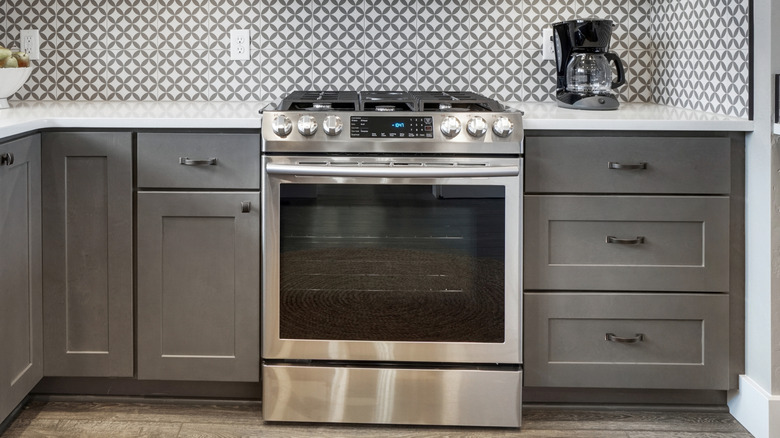
Unfortunately, whether you're considering gas or electric, it seems that kitchen appliances, in general, don't last as long as we'd like. Even so, that doesn't mean you should buy an oven with imminent replacement in mind. Instead, there are plenty of things you can do to help prolong the lifespan, especially if you either own or are considering a gas oven.
To start, make sure your oven's key features are functioning well, both for the sake of safety and longevity. Run regular gasket checks and ensure your seals aren't damaged, which can lead to heat loss. Loose or inefficient seals can require your oven to work harder, which can make its lifespan come to a premature end. For the same reason, you should keep the interior of your gas oven clean to ensure no blockages, debris, or grime are impacting overall performance. Layers of grease and grime can cause inefficient heat transfer, causing your oven to stay on longer as it warms up. These 16 hacks for cleaning your oven can help you keep it in top working order.
However, while cleaning is important, you may want to skip the self-clean setting. This function relies on intense heat to incinerate any accumulated spills and grease, and that can quickly lead to overuse that will wear out your oven. Instead, clean up spills as they happen, and run regular maintenance cleans to truly help maximize your oven's lifespan.