

Not Electric, Not Induction: This Type Of Kitchen Range Has The Longest Lifespan
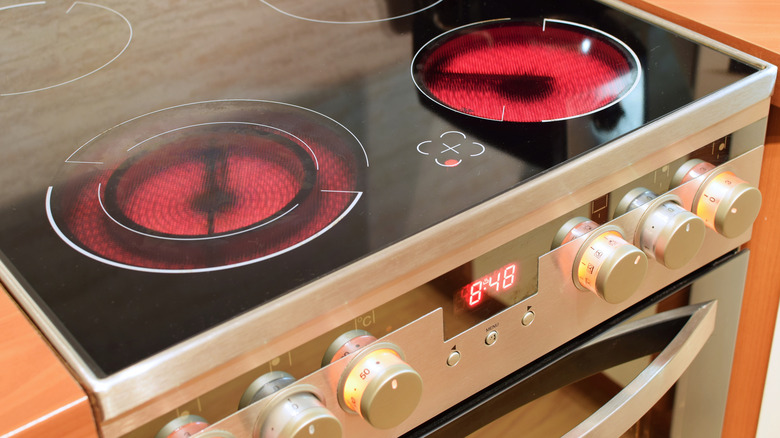
"Gas or electric?" is as common a toss-up as "Coke or Pepsi?" and "aisle or window?" Some home cooks are moving away from gas stoves in favor of electric stoves' safety features and ease of cleaning. However, professional kitchens favor gas stoves over electric appliances, and for superior performance, a gas stove might be the right choice for your home kitchen, too. Beyond the benefits of flame-cooking, gas stoves also boast the longest lifespan of any kitchen range, helping gourmands get the most mileage out of their investment.
The three most common types of kitchen ranges are gas, electric, and induction, all of which work differently. Gas stoves create an open flame using propane or natural gas. Electric ranges heat pots and pans via a system of electric coils beneath their smooth ceramic glass surface. Induction ranges rely on electromagnetic technology to transfer heat directly to cookware made from stainless steel or cast iron (both ferromagnetic materials).
Without radiant coils or exposed-flame heating elements, induction ranges mitigate the potential for premature damages, and in this way boast superior durability to electric ranges. With proper maintenance, induction ranges can last for 10 to 15 years, while electric ranges with standard ceramic cooktops tend to last a shorter 5 to 10 years. Still, gas stoves with their minimal features (igniter, burners, safety valves) have the fewest bells and whistles, which means fewer potential factors that can break down or require repair over time. These simple, reliable, durable ranges boast the longest lifespan of any oven model.
Gas ranges go the distance
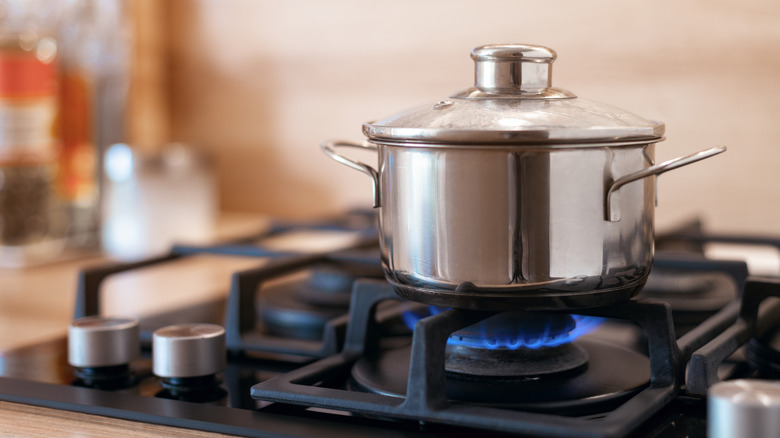
The average lifespan of a gas range is 13 to 15 years. Electric ranges tend to quit two to five years earlier due to their comparative excess of electrical components (surface burner control switches, electrical wiring, temperature sensors, coils). To help home cooks make the most cost-effective purchase, we've rounded up the six best gas stove brands, according to customer reviews.
Understanding the expected lifespan of your oven can help foodies decide whether to repair or replace their appliance if problems start cropping up. Knowing roughly when an aging oven might quit working can also help folks budget for this costlier, out-of-the-ordinary expense. To help get the maximum lifespan out of a gas range, regularly clean the burners and the oven interior. Keeping up with proper maintenance is a surefire way to keep your oven in good working order. For older ovens, if you notice the heating element is working inconsistently — or driving up your utility bill in order to function regularly — it might be time to replace the appliance.
Over time, costly repairs and inefficient performance can ultimately cost more than the price of replacing the oven with an updated model. Inexplicable burning smells are also an indicator of appliance deterioration. Even well-maintained gas ovens will not last forever, and for these larger, costlier appliances, investing in an extended warranty or protection plan at the time of purchase can be a thrifty move with the future in mind.