

7 Myths About Tomatoes Shoppers Keep Believing
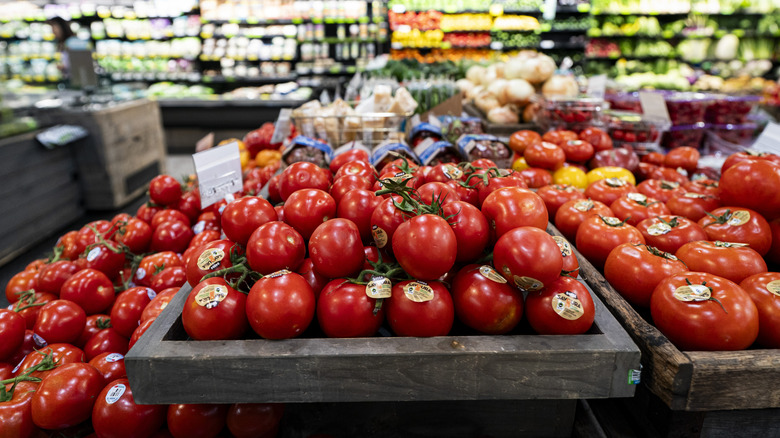
It's hard to believe now, but there was a time when people were afraid of tomatoes. In fact, 18th-century Europeans were convinced that the plant would kill them. They were misguided, of course. Some historians believe that people were actually getting sick from the lead-infused plates they were eating the tomatoes from, while others think that people were getting confused between tomatoes and other similar-looking poisonous berries. Either way, people were wary of them.
Fortunately, that myth was debunked, and now tomatoes are one of the most popular plants in the world. Per Mordor Intelligence, the tomato industry was valued at more than $212 billion in 2026, and is expected to grow to over $270 billion by 2030. With that in mind, it's safe to say that most people aren't scared of tomatoes anymore. But even so, many myths persist around this popular food. Below, we've unpacked some of the most common, from when they taste best to what color they should be and how nutritious they are when they're canned and processed.
Tomatoes are vegetables
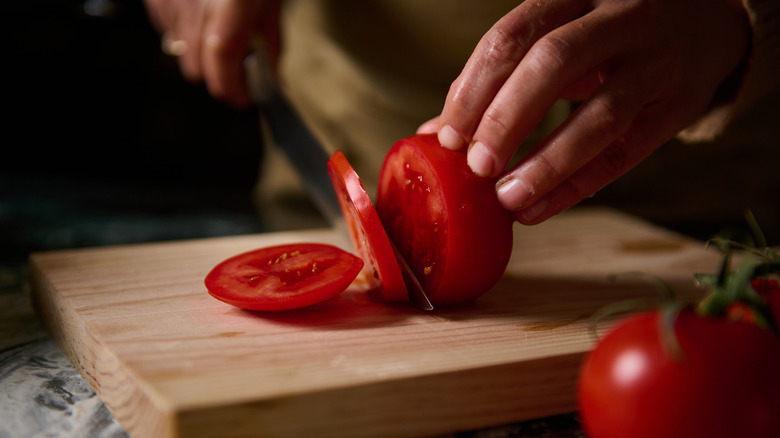
Tomatoes are perfect in salads, pastas, and on top of pizza, just like many vegetables — so they must also be a vegetable, right? Well, kind of, but it's a little more complicated than that. Botanically speaking, tomatoes are actually a fruit. This is because, scientifically, fruits grow from flowering plants, and they bear and scatter seeds. If you've ever cut into a tomato, you've likely seen all of the tiny seeds inside.
But here's where things get a little more complicated. In terms of nutrition and cooking, tomatoes are treated as a vegetable. Basically, that means they're more likely to show up in your appetizer, side dish, or main, than they are in your dessert, like many sweet plants we would typically see as fruits (think strawberries, bananas, you get the idea).
So it's kind of a half-myth that tomatoes are vegetables, because the truth is: They're both a fruit and a vegetable, at the same time. Neat, right? Fun fact: Tomatoes aren't alone in this club. Many plants that we treat as vegetables, like avocados, zucchini, peppers, and eggplant, are botanically fruits.
They taste best in the summer

Many types of tomato really come into their own in the summer months. Several varieties of heirloom tomato, for example, thrive when it's warm out, and beefsteaks get extra juicy around August. Plus, the fact that tomatoes are super hydrating (seriously, they are up to 95% water) makes it seem like they were simply made for the summer. So, when you're filling your cart with tomatoes in the cooler months, you might think you're in for a disappointing experience in comparison. But actually, some varieties are delicious in winter, too.
In fact, some species of tomato actually suit colder temperatures better than warmer ones. Take the Alaskan fancy tomato, for example. The clue is in the name, but this heirloom tomato comes from Alaska, so it's used to growing in the cooler climate. Other hardy heirloom varieties that do well in colder temperatures include bison, black cherry, and Eastern European tomatoes, like Caspian pink and beliy naliv.
Canned tomatoes aren't as healthy as fresh
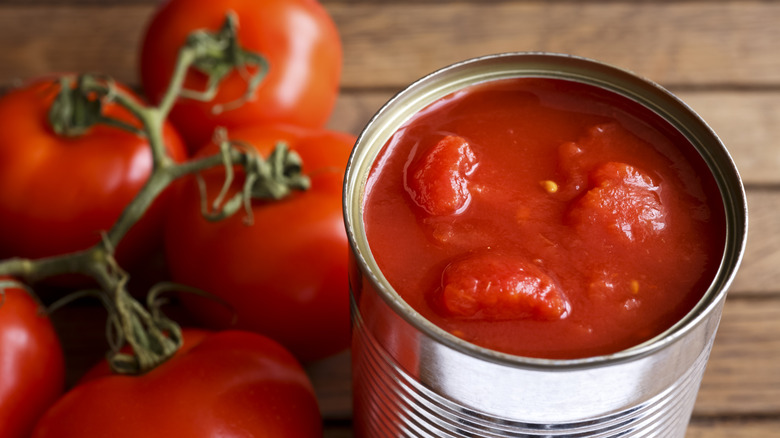
Canned tomatoes are a pantry staple. But, while you might be stocking up on them because of their versatility, you're likely also doing your health a favor, too. Yep, tinned tomatoes are just as healthy as fresh tomatoes. In fact, they might even be more nutritious in some ways.
Canned tomatoes contain lycopene. That's important because lycopene is an antioxidant, and it's associated with everything from cancer prevention to better heart health. Lycopene is also in fresh tomatoes, but they tend to have lower levels, mostly because the heat processing used in canned tomatoes breaks down lycopene and makes it easier for our bodies to absorb.
As well as lycopene, canned tomatoes also contain nutrients like fiber, vitamin B6, iron, vitamin K, vitamin A, and vitamin C. That said, it's important to note that fresh tomatoes are slightly higher in vitamin C, as the same heat that makes lycopene more accessible to us also impacts vitamin C levels. Still, if you were wondering whether to swap your canned varieties for fresh based on nutrition, now you have your answer: They're both healthy choices.
You can't use the stems
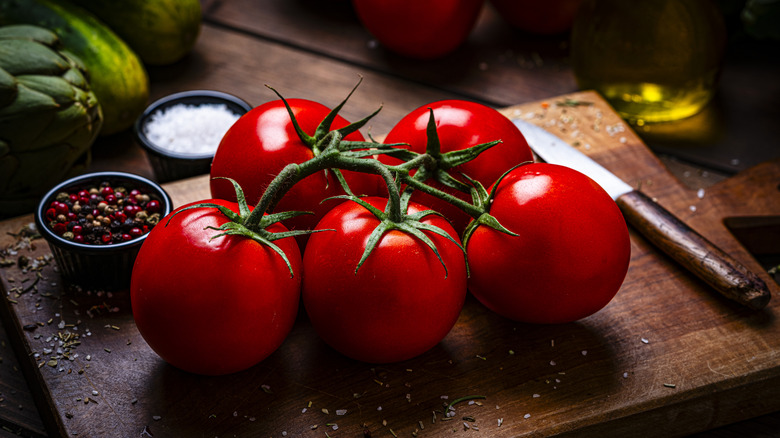
Many people love tomatoes on the vine, and it makes sense. They're aromatic, a little sweet, and incredibly juicy. But while most of us remove the vine and throw it away, it's actually perfectly safe to cook with. Yes, we promise. In fact, many cooks use tomato stems to inject some extra fresh flavor into soups and sauces.
If you're thinking: "But I thought the leaves were poisonous?" It turns out that's probably not true. They do contain solanine, a toxin often found in the nightshade family of plants, but in very low levels. You'd likely need to eat over a pound of leaves and stems to get solanine poisoning, and we have to be honest, we don't know many people who are doing that.
Cooking with stems is particularly recommended when tomatoes are out of season, and their flavor is a little duller. In short: The vines help to elevate and deepen the tomato notes of whatever you're making. Even better, you can also cook with and eat tomato leaves. As well as adding them to sauce, you can also use them to whip up pesto, salsa, or pistou, for example.
They'll give you stomach trouble

It's not just the stems that people are wary of; some are concerned that eating the tomatoes themselves might cause stomach issues. If you're one of these people, we have some good news: Research suggests tomatoes are actually pretty easy on most people's digestive systems.
Nightshade fruits like tomatoes have a bad reputation largely because some older studies indicated that they could be linked with digestive inflammation in people with colitis. However, newer research suggests that this particular group of plants might actually reduce inflammation. Remember the lycopene we spoke about earlier? Studies show that this particular antioxidant is actually very good at suppressing inflammation, rather than contributing to it.
In fact, per Harvard Health, tomatoes are an integral part of an anti-inflammatory diet. But, as with everything, there are caveats. Some people are allergic to tomatoes, and this may lead to stomach problems, like nausea and cramps. It's important to note that this type of allergy is pretty rare in the U.S., but if you're concerned, it's best to consult your healthcare provider for advice.
The bright red ones taste best
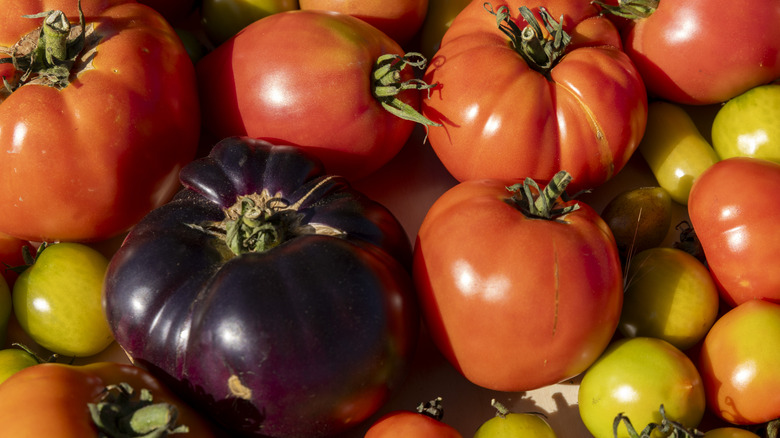
With many tomato varieties, the redder they are, the better. San Marzano, Juliet, and brandywine are all examples of tomatoes that are supposed to be bright red in color. But tomatoes aren't always red. Cherry tomatoes, for instance, can be orange, yellow, or even green. The clue is in the name, but Cherokee purple tomatoes are also supposed to have a dark hue, as are indigo rose tomatoes and purple calabash.
Bright, colorful tomatoes look beautiful in a bowl, but their color isn't just for aesthetics. It also gives you a hint about the flavor, too. Red tomatoes are more acidic, for example, while yellow tomatoes tend to be sweeter. Purple tomatoes are also pretty acidic, but they can also have deeper, smokier elements to them, which makes them ideal for rich sauces.
Beyond flavor, different colored tomatoes also offer different nutritional benefits. Like many darker fruits, purple tomatoes often have more anthocyanin, a type of flavonoid that is, like lycopene, associated with reducing inflammation, lowering the risk of cancer, and supporting heart health.
They're only good for pasta, pizza, or salad
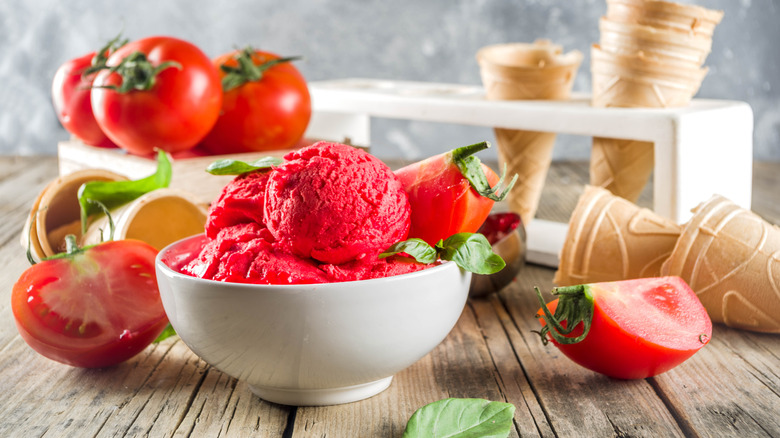
When you think of tomato-centric dishes, you probably think of Italian favorites like pasta and pizza, or summer staples like salad. And, of course, tomatoes shine in all of these dishes, but they also have far more potential.
Tomatoes originated in South America and Central America. It was there, long before the first tomato pasta dish, that indigenous communities used tomatoes to make some of the earliest versions of salsa. Of course, salsa is still popular today, but did you know you can make it with any variety you like? For a deeper, richer flavor, consider opting for purple tomatoes over red, for example. Other tomato dishes from around the world include: Indian onion tomato masala; Moroccan taktouka; Indonesian sambal tomat; and Chinese fan qie chao dan (which is wok-fried tomatoes with scrambled eggs and rice).
You can also use tomatoes to make dessert. Yes, really — they are technically a fruit, after all. Some fun after-dinner dishes with tomatoes include tomato pie, tomato gelato, and even green tomato cake.