

What Beginners Always Get Wrong With Sourdough, According To An Expert
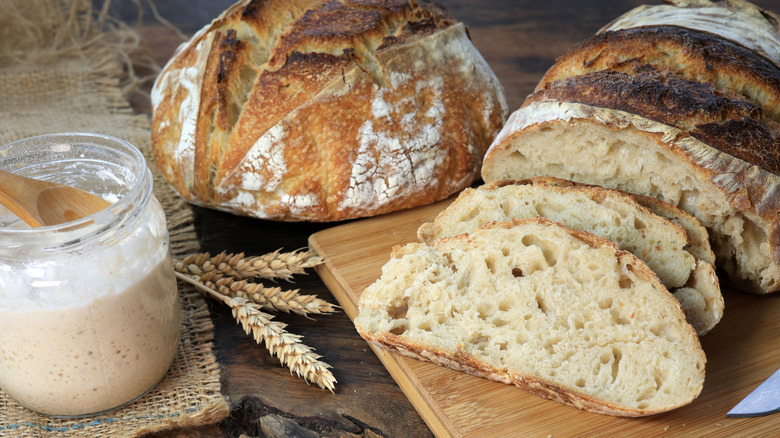
Sourdough has been humbling bakers since long before the pandemic left flour shelves empty and TikTok took over our lives. The naturally leavened loaves can be traced back thousands of years, when the ancient Egyptians figured out how to turn flour and water into a beautifully risen dough through the magic of fermentation. Things are a little different nowadays, but the core recipe remains the same. However, with so much information available, we tend to overcomplicate things — and sourdough is no exception.
Tasting Table asked Erik Fabian, co-founder of Sourhouse, about some of the biggest mistakes beginners make with sourdough and he said that a major error was jumping between recipes. Until you have a sense of the basic process and timeline, it's better to pick one basic sourdough bread recipe and stick to it. "Once you have a few sourdough bakes under your belt, it is easier to try different things without getting lost in the weeds," Fabian said.
It typically takes a few days to make sourdough, depending on how active your starter is. Most recipes call for the starter to be mixed with warm water, salt, and flour, and you need to fold the dough every few hours before shaping and letting it rise. It can be a lot, and everyone does it differently. "There are so many approaches to making sourdough bread, and the amount of content available since the COVID baking boom makes it hard to know what to believe," Fabian said.
Patience is key
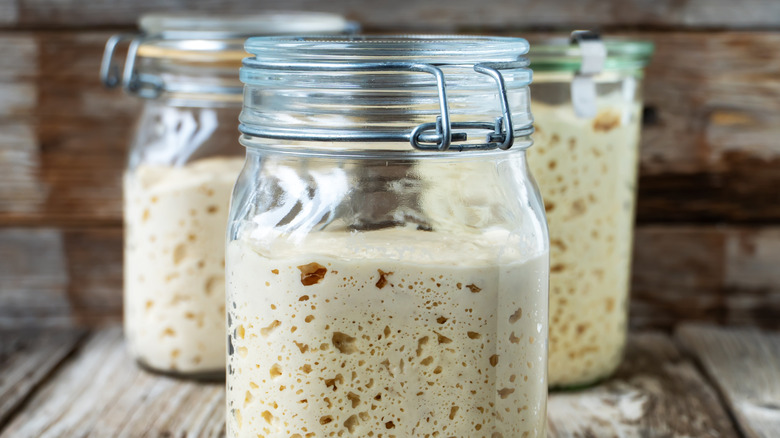
According to Fabian, the recipe you choose doesn't matter too much. He said, "Sometimes even conflicting sourdough guidance works, so it is best to pick any decent method and stick with it until you have a bit of experience." What is important is to be patient. Learning how to make the perfect sourdough loaf is no easy feat. There are different types of flour to consider, and you need to make sure to use the best oven temperature — there's even a trick to scoring the bread perfectly.
One thing that will help is ensuring your starter is at the right temperature. "When in doubt, warm up your starter to the 'Goldilocks Zone' (75 to 82 degrees Fahrenheit) and it will solve a lot of problems," Fabian advised. The Goldilocks Zone refers to the temperature where the yeast and bacteria in a sourdough starter are at their most active, leading to the best flavor."If you start to feel confused or not trusting of the process, ideally call a baker friend or reach out online for advice. Sourdough bakers are generally very helpful, friendly people," Fabian shared. We also have a lot of tips for working with sourdough that can help, too.
"Losing patience and faith in your sourdough journey is the only real disaster," concludes Fabian. "There are moments when you are making your first starter or first loaf of bread when it might seem nothing is happening," he explains. "Push through and you will get there, and feel super proud of your first loaves."