

Cabernet Sauvignon Vs Pinot Noir: What's The Actual Difference
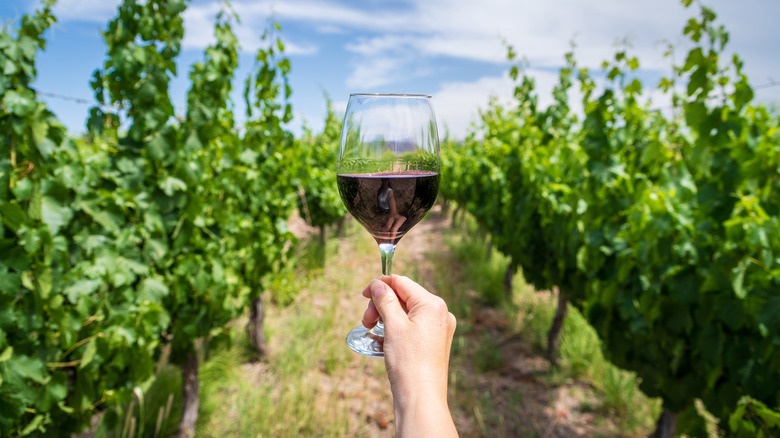
When it comes to drinking red wine, the old saying "different strokes for different folks" certainly applies. While some prefer an approachable, lighter style, others are attracted to a bolder, richer wine that requires more attention. The good news is that the world of red wine has something for everyone, and you don't need to be a serious connoiseur to enjoy a nice glass of red. Even if you're new to wine drinking, chances are you're familiar with Cabernet Sauvignon and Pinot Noir, two of the most popular red wine varietals available. But you might not know that, in fact, they sit at completely opposite ends of the red wine spectrum.
Both grapes originated in France, but come from regions with different climate and terroir. Pinot Noir is a delicate grape that prefers cooler temperatures, while Cabernet Sauvignon is a thick-skinned grape that thrives in warmer climates. Therefore, each style is completely different when it comes to body, tannins, acidity, color, and flavor profiles. Both have footholds in many wine producing regions across the world, which adds diversity in styles within the same varietal.
Both wines are immensely popular, and there is definitely a time and a place to enjoy each characteristic style. Let's dig a bit deeper into each of the wines so you can make a better decision on which one to pick. And while this guide is not meant to be comprehensive, it will give you all the information you'll need to choose the right wine, whether it's the best wine to pair with steak or something you can sip while flipping burgers outside on the grill.
Cabernet Sauvignon — bold, robust, and complex
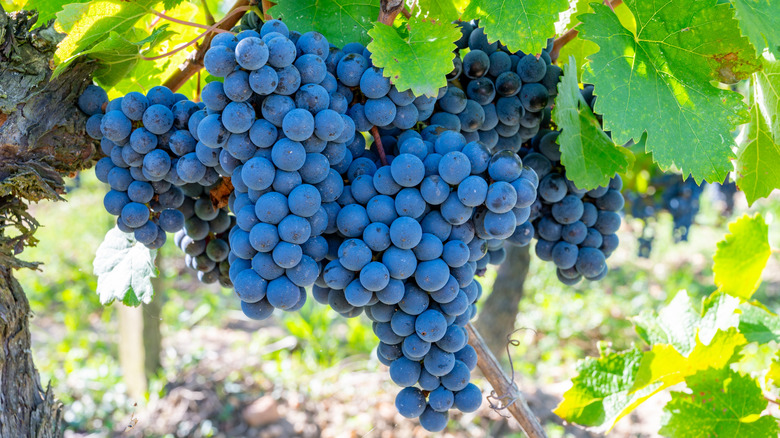
Often considered the premier red wine varietal, Cabernet Sauvignon is arguably the most popular of all Bordeaux grapes, producing big, robust, and complex wines. Cabernet grapes are small, with a thick, dark purple skin which contributes to the wine's intense tannins and deep purple color. These tannins also allow Cabernet Sauvignon wines to age for decades, softening as the wine rests and improves. Cabernet Sauvignon is often matured in oak barrels, a process that mellows the tannins while developing its full flavor, intensity, and smooth finish.
Cabernet Sauvignon boasts aromas and flavor profiles of dark fruits like blackberry, black cherry, and blackcurrant, with hints of black pepper, green bell pepper, and violets, and notes of tobacco, vanilla, and wood imparted by oak barrels. All that depends on where the grapes are grown and the wine is made, as this determines terroir and the unique character of each wine. A traditional Bordeaux will be different it from a cab from Napa, Mendoza, or Australia, as each will have distinct regional nuances.
Because of its strong tannins, high acidity, and alcohol content, Cabernet Sauvignon is best enjoyed with food which will mellow its astringent tannins. It pairs perfectly with rich, fatty, salty foods with umami flavors, such as steak, braised meats, charcuterie, and aged cheeses. Try it with meaty red sauce pastas, eggplant Parmesean, or grilled portobello mushrooms for a meatless option.
Pinot Noir — light, bright, and versatile

While Cabernet Sauvignon and Merlot are similar, the same cannot be said of laid-back and airy Pinot Noir. Compared to these Bordeaux varietals, Pinot Noir is much lighter in both color and body, since the grapes are much thinner than those of cabernet. Pinot Noir is easy to drink and approachable, and lower in alcohol than cabernet. Alongside Chardonnay and Pinot Meunier, it is one of the main grapes allowed in Champagne production.
Because it comes in many different styles, it is a versatile choice that's equally at home during a fancy dinner party or to sip while you're tending the grill. Although it is a delicate wine, that doesn't mean it lacks flavor or structure. Pinot Noir has a remarkable ability to express terroir, showcasing a variety of aromas an flavors depending on where it's made, from the classic earthy Burgundies to the fruit-forward beauties that have made Willamette Valley famous. Aromas and flavors of pinot noir range from forest floor and mushroom to bright cherries, ripe red fruit, and spices, with floral notes of roses and violets and even a hint of smoke.
Thanks to its bright acidity, medium body, and lower tannins, pinot noir pairs remarkably well with lots of different foods. especially lighter dishes that can benefit from its balance of acidity, fruitiness, and earthy undertones. Think light meats, soft cheeses, and grilled fatty meats like lamb, pork, and salmon. It's a classic pairing for duck and roast chicken, and its earthy notes are perfect for dishes with mushrooms and herbs. It can even take a little chill, which in fact enhances its flavors. All these characteristics make pinot noir the ultimate red wine for a summer picnic.