

What's Actually Different Between Sourdough Starters And Discard
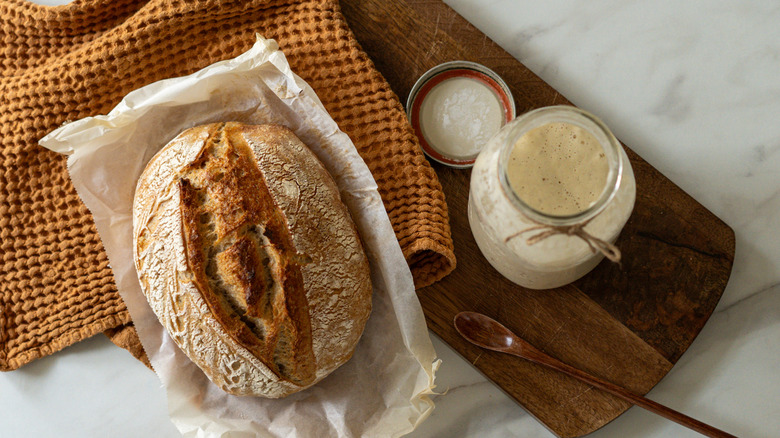
What is staring back at you from a jar of leftover sourdough discard is more than what meets the eye. Tasting Table spoke to Hannah Dela Cruz — founder of Make It Dough and best-selling author of "Sourdough Every Day" — to understand why the distinction between sourdough starter and discard matters. Turns out, the difference between the two isn't a matter of quality but of function: One acts as a leavening agent while the other is primarily a flavor contributor.
"An active sourdough starter is a living culture of yeast and bacteria used to make bread rise. In a healthy, well-balanced starter, the yeast and bacteria work together to create an acidic environment that helps prevent the growth of harmful microorganisms," said Dela Cruz. According to her, sourdough starter is ideal for baking bread — especially long-fermented styles. Aside from helping it rise, she said it also makes bread more flavorful and easier to digest.
"Meanwhile, sourdough discard is any portion of an active starter that is removed during feeding," explained Dela Cruz. "It's often referred to as 'discard' because it's the part that many bakers throw away to maintain a manageable amount of starter." While the wild yeast in discard usually isn't active enough to make bread rise, she said it can be used in many baked goods, including fluffy waffles, biscuits, pancakes, cakes, and cookies.
Discovering a secret culinary weapon
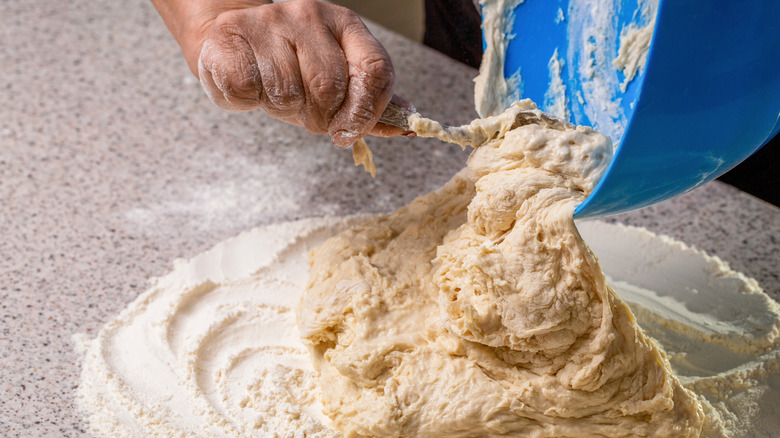
While an active sourdough starter shines in long-fermented breads, discard can elevate plenty of other recipes with by granting a subtle tang and enjoyable chewiness. Hannah Dela Cruz said, "Because it doesn't receive regular feedings, the wild yeast in sourdough discard usually isn't active enough to reliably leaven bread dough. However, the bacterial activity in the discard still contributes plenty of flavor and can improve the texture of baked goods." Plus, it's generally forgiving.
"Discard is best for bakes like cookies, cakes, crackers, pancakes, pasta, or other recipes that don't rely on fermentation for rise," explained Dela Cruz, Since the discard doesn't need to be active to raise dough, timing isn't a factor the way it is with starters, which rely on being used at peak activity. Sourdough discard can be pulled right out of a cold fridge and whisked into a bowl of pancake or classic cookie batter with little fanfare.
Dela Cruz also encouraged you to use discard in yeast-leavened breads. "I also love using sourdough discard in yeast-leavened bread recipes because it adds a subtle tanginess and chewy texture that's difficult to achieve with breads made using commercial yeast alone," she said. Adding it to a dinner roll recipe brings depth and texture to a standard loaf without the kind of fermentation time a sourdough bake requires.
Keeping sourdough discard and starters
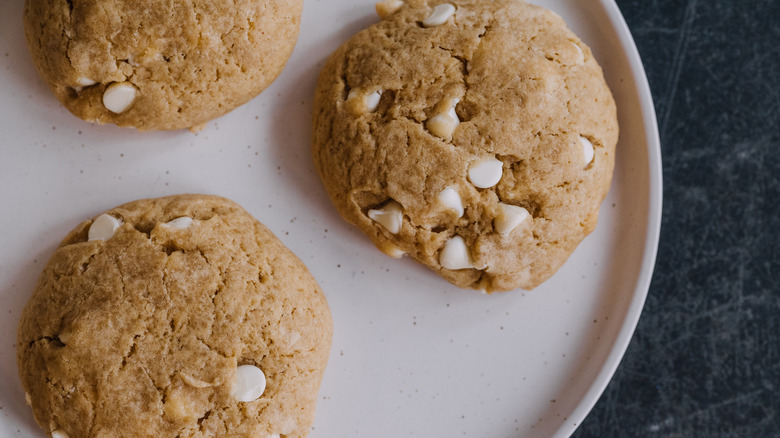
An active sourdough starter requires attention. Dela Cruz recommended feeding it at least once a day if you're storing it on the counter, or once a week when stored in the fridge. She noted that, while some bakers leave starters refrigerated for up to 6 months without feeding, she wouldn't recommend it "since it can develop off flavors or become difficult to revive."
Sourdough discard doesn't require any of this work. It can be kept in a glass jar or food-safe plastic container in the fridge, where it's ready to use whenever a recipe calls. The only sign Dela Cruz cautions about is any visible sign of mold. "It can be stored ... for a very long time, as long as it doesn't develop mold, like fuzzy green growth, or signs of harmful bacterial growth."
Dela Cruz's advice shows that sourdough baking doesn't have to be an all-or-nothing approach. Whether you've just begun experimenting with keeping a sourdough starter or have found yourself with a solid stash of discard, both ingredients have a place in the kitchen. Learning what each one can and can't do is what separates a frustrated baker from a more confident sourdough enthusiast.