

12 Underrated Rosé Wines Worth Trying In 2026
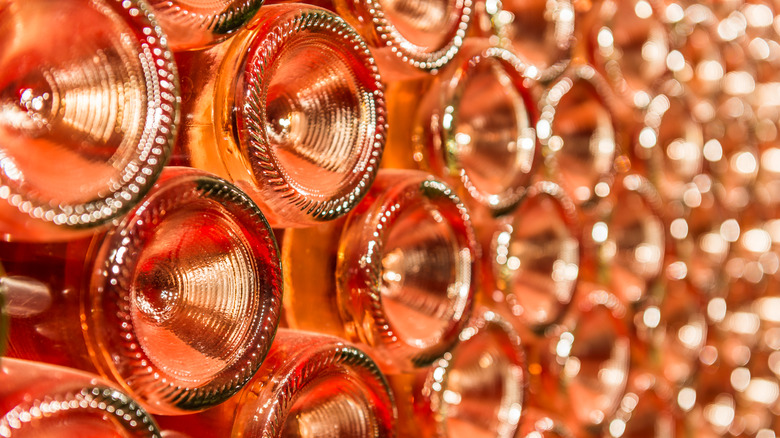
Rosé wine often gets relegated to the easy poolside wine category, merely meant for summer sipping, but it has so much more potential than it gets credit for. In fact, as a type of wine in general, it tends to be pretty underrated outside of a few producers that make up a vast share of the market. Nevertheless, with evolving trends in wine in 2026, it seems that rosé is increasingly being viewed as an excellent option no matter the time of year, with both affordable and premium bottles receiving recognition.
Considering the trends in 2026 show an inclination toward lighter styles of wine, notably chillable reds, it follows that rosé is becoming more of a mainstay at the table. Gastronomic rosés, wines that are more complex and offer structure that can pair well with food, are becoming more popular. At the same time, rosé often boasts a lower ABV and minimal tannins, which are both other qualities consumers are leaning toward. Additionally, buyers are paying more attention to sustainability, regenerative agriculture, and overall environmental consciousness when choosing wines, which is reflected in this year's trends. Wines from under-the-radar regions featuring indigenous grapes are also of interest among wine drinkers, as they explore beyond the tried and true favorites.
This selection of underrated rosé wines to drink in 2026 touches on these current factors leading consumption and purchasing, offering interesting and underrated options that are sure to satisfy.
1. Vital X Valdemar Estates - Rosé
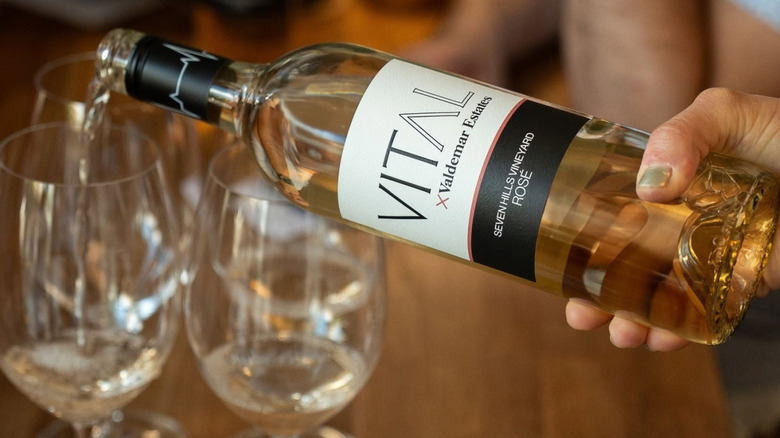
Vital Wines is a bit of an anomaly in the landscape of wineries. Located in the Walla Walla Valley in Washington State, it takes a collaborative and community approach in a whole new direction. Founded by Ashley Trout, who worked in Mendoza, Argentina, for over a decade before establishing the winery in the U.S., it combines wine with well-doing in a novel way. Notably, the wines are all produced by harnessing the generosity of nearby wineries for their winemaking facilities and vineyards for their fruit. Once the wines are produced and sold, proceeds are directed to SOS Health Services, a local non-profit healthcare clinic that provides free access for agricultural workers.
It's certainly got a solid story and mission to back it up, and just as importantly, the wine is excellent, too. This rosé is produced at Valdemar Estates with fruit from Seven Hills Vineyard, where sustainable agriculture and a dedication to the terroir are prioritized. The wine is made with sangiovese grapes (originally from Tuscany), giving it a Mediterranean flair. It displays notes of ripe red berries, stone fruit, citrus, and fresh herbs. Subtle hints of rose add complexity to this crisp and juicy wine. Serve it with a ripe tomato and fresh mozzarella salad or with shellfish for a seamless match.
2. Maison Sinnae - Les Costes Nobles Terres Rosé
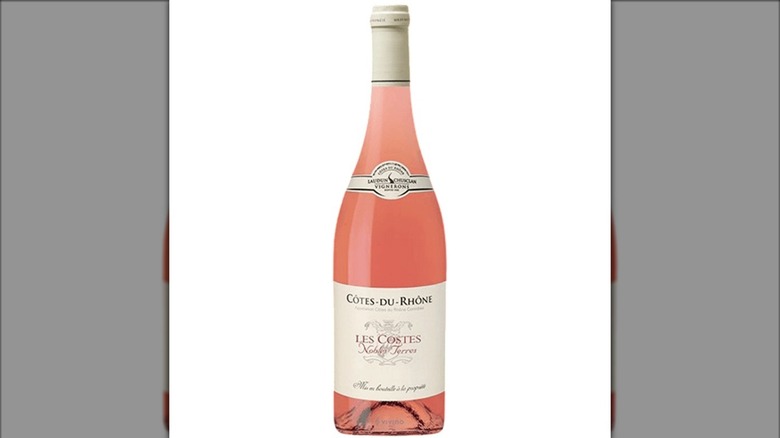
Located in the Southern Rhône Valley in France, Maison Sinnae brings together 140 winegrowers who tend to the land. With 100 years of production under its belt, as well as recognition for the quality of its agricultural practices, the winery continues to evolve. Aside from working to develop the biodiversity of its vineyards, Maison Sinnae also puts an important focus on ensuring the local terroir and heritage are highlighted. The winery has several brands of wine, including Les Costes Nobles Terres.
This rosé consists of several Southern Rhône grapes, namely grenache, carignan, cinsault, and syrah. Together they create a harmonious blend that balances fruit, spice, and structure. Bright notes of raspberry, strawberry, cherry, and melon linger in the glass, along with hints of citrus and spice. Although it's crisp and refreshing on the palate, this wine also makes a delightful match for grilled vegetables, poultry, charcuterie, or white fish served with a fruity, summer salsa.
3. Lloyd Cellars - Rosé
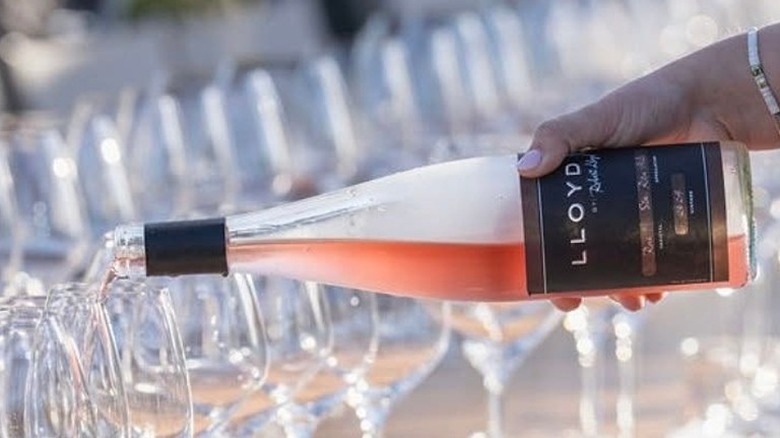
This family-owned Napa Valley winery is dedicated to producing wines that speak of a place, highlighting nuances of the terroir in each bottling. With a renowned winemaker at the helm and winegrowers who are deeply knowledgeable about their vines, the result is authentic wines that reflect the land. The winery focuses primarily on cabernet sauvignon, chardonnay, and pinot noir, which are all key players in the Napa vineyard landscape.
Lloyd Cellars Rosé is made with 100% pinot noir grapes from the Sta. Rita Hills AVA. The region is well-suited for growing pinot noir, with its cooler climate, long sunny days, and proximity to the sea that results in moderating breezes. The fruit is hand-selected and handled gently in the cellar to ensure its subtleties are retained. It's then aged for a short period of time in used oak barrels in order to infuse roundness to the palate.
Thanks to the growing conditions, it boasts a fresh acidity and fruity notes of strawberry, cherry, and salinity. The wine is ripe, juicy, and an excellent pairing to bright summer dishes. Fresh seafood, salads brimming with produce, and charcuterie boards are all great matches.
4. Donnafugata - Rosa
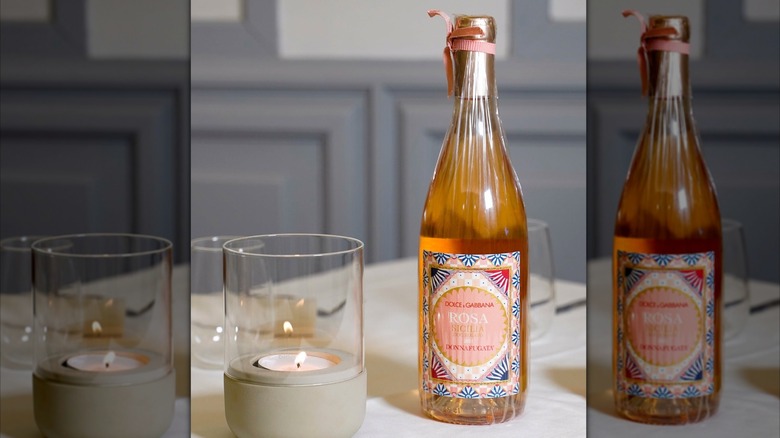
Donnafugata is a family winery showcasing the best of Sicilian terroir. With vineyards covering a wide span of the landscape, cultivated with indigenous varieties that excel in the specific conditions, the wines tell a story of the island. The winery is committed to preserving Sicily's biodiversity and environmental riches, and is a member of the Sicily SOStain Foundation, which aims to measure and reduce the impact of viticulture on the land. The sustainable practices go beyond agriculture, ensuring the company is led in an equitable manner that's beneficial to all involved.
Among Donnafugata's numerous endeavors is a focus on the interplay of art and wine, as evidenced by its dazzling bottle labels. With that creative spirit in mind, it's no surprise the winery collaborated with Dolce & Gabbana to create a selection of wines. Rosa is the duo's rosé wine, made with local nerello mascalese and nocera varieties. Fruit from various parts of the island is used in this wine, making it a true reflection of Sicilian terroir. Vineyards with volcanic soils and higher-altitude growing conditions offer concentrated aromas and freshness. The wine is fermented and briefly kept in stainless steel tanks before resting in the bottle for a few additional months.
Notes of flowers, grapefruit, rhubarb, and red currant are present on the palate, along with savory notes and hints of minerality. Although the flavors are pleasantly nuanced, this works well with light dishes such as raw seafood and salads, or served solo as an aperitif.
5. Grgich Hills Estate - Miljenko's Selection Rosé
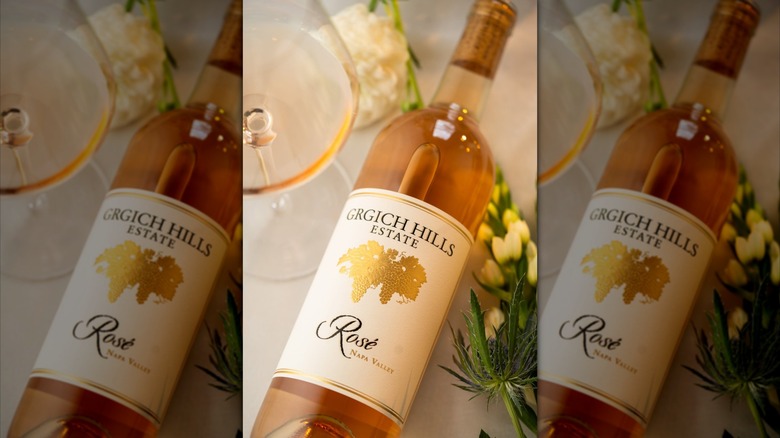
Grgich Hills Estate is an important winery in the Napa Valley, founded in the late '70s. With a role in numerous significant turning points of the appellation's history, the estate has kept its legacy alive for decades. Throughout the years, it has been a very innovative presence in the region. While it stays true to its roots, it continues to expand its vineyard acreage, highlighting more sub-appellations and distinctions in the terroir. Additionally, it practices sustainable agriculture and promotes biodiversity, receiving a regenerative organic certification in 2022. From the environment to the people tending to the land, each piece of the puzzle at Grgich Hills Estate is thoughtfully considered.
Naturally, this philosophy extends to the wines. Milijenko's Selections are an ode to founder Mike Grgich, and they highlight vineyards he personally chose. Among the lineup is a Provençal-style rosé consisting of a blend of cabernet sauvignon, zinfandel, merlot, and cabernet franc, grown across the five estate vineyards. The grapes are picked at night to retain freshness and acidity, and harvested before peak ripeness is reached to ensure the wine remains low in alcohol and aromatic.
Notes of strawberry, rose, and orange blossom dance on the palate, along with hints of melon, peach, and blueberry. The vibrant acidity keeps it lively and crisp, making this an excellent wine to serve with or without food. Try it with a cheese board, a summer salad, or pan-seared fish for the perfect balance.
6. Quinta da Raza - Dom Diogo Padeiro Vinho Verde rosé
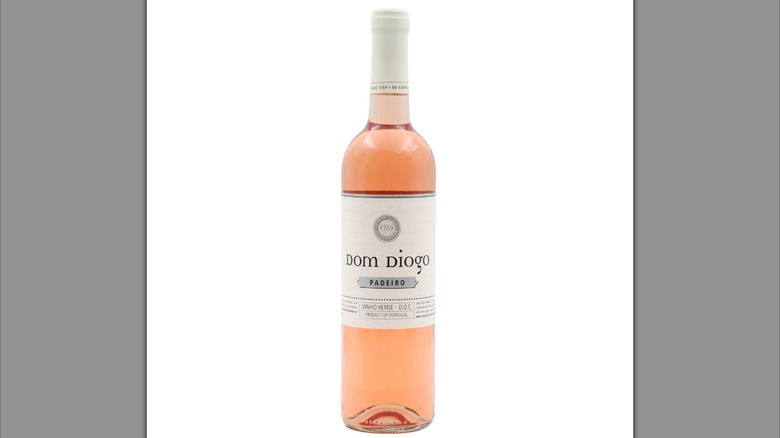
Vinho Verde typically brings to mind fresh, lightly spritzy white wines, but the Portuguese region also makes rosé and red wines. A fine example of the former is produced by Quinta da Raza under its Dom Diogo label. The family-owned estate dates back a few centuries, cementing its deep connection to the land. In modern times, the winery is fully dedicated to environmental sustainability, as well as community endeavors and collaborations that maximize social change. In the vineyards, it focuses on reviving indigenous grapes to ensure they continue to thrive.
Dom Diogo Padeiro is a rosé made with the native baker variety (also known as padeiro), which came close to extinction. Quinta da Raza focused on revitalizing it and proved to be quite successful. This rosé is fermented in stainless steel tanks to preserve freshness and aromatics. It boasts a bright red fruit character, with hints of strawberry, tropical fruit, and citrus. The alcohol content is relatively low, making this a refreshing option to serve with snacks, appetizers, or seafood.
7. Tiberio - Cerasuolo D'Abruzzo
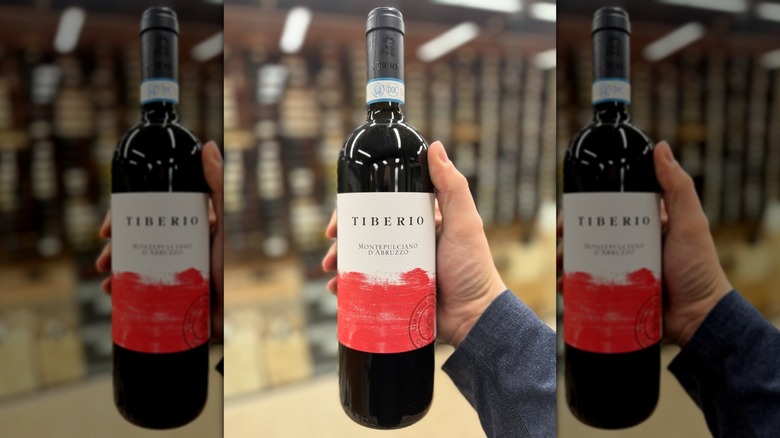
This Italian rosé boasts a deep hue that will make you look twice. Agricola Tiberio produces wines from several indigenous grapes from Abruzzo, including montepulciano, used to make this wine. The varieties are carefully matched to specific qualities of the terroir, ensuring their optimal nature is reflected. Notably, grapes are grown from massal selections from old vines instead of being started from young nursery plants, which gives the fruit a far better concentration and character. Biodiversity is an important feature of Tiberio's vineyards, with numerous types of crops grown with zero herbicides or pesticides to improve environmental health.
The Cerasuolo d'Abruzzo DOP is made with hand-harvested fruit grown at a moderate altitude. The free-run juice is fermented in stainless steel tanks with indigenous yeasts, and the wine is left unfined and unfiltered before bottling. Bold, bright notes of red fruit are prominent on the palate, including red cherry, strawberry, raspberry, and pomegranate. Hints of flowers add elegance to the wine, while a pleasant acidity keeps it fresh and crisp. Serve this fruity, savory rosé with your favorite red sauce dish or poultry.
8. Thymiopoulos Vineyards - Rosé de Xinomavro
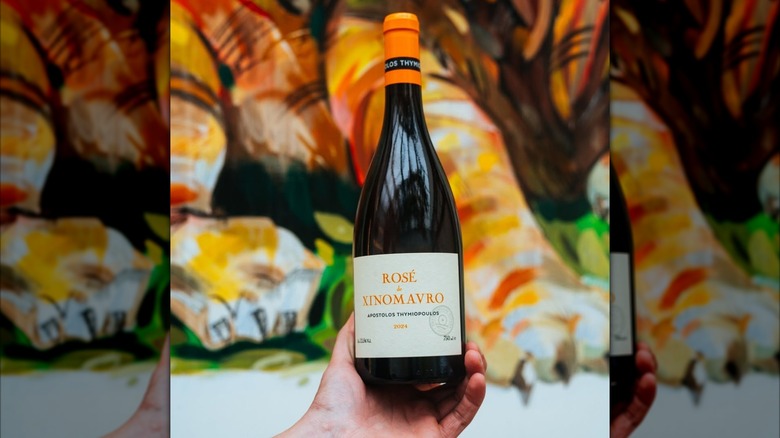
Although the Thymiopoulos family has been growing grapes in Greece for years, it was only more recently that Apostolos Thymiopoulos started producing wines. His philosophy is centered on sustainable, organic, and biodynamic agricultural practices, as well as low intervention in the cellar, allowing the grapes to express their true character. He highlights the nuances and distinctions so well that his lineup of wines includes, at the time of writing, 10 different bottlings of the local xinomavro grape — including a rosé.
The Rosé de Xinomavro is made with young vines grown at altitude, which provides a cooling effect in the warm climate. Additionally, breezes from the nearby sea help moderate the heat, resulting in fruit with a fresh character. The grapes are hand-harvested and left to macerate on the skins for 12 hours, giving the juice a rich color. Fermentation occurs in stainless steel tanks with wild yeast. It displays aromas of wild, ripe berries, rose, herbs, and sundried tomatoes, along with subtle tannins that add just enough tannin to make this an excellent food wine. Pair it with Greek dishes such as souvlaki, grilled vegetables, or mezze spreads.
9. Pascal Jolivet - Sancerre Rosé Signature
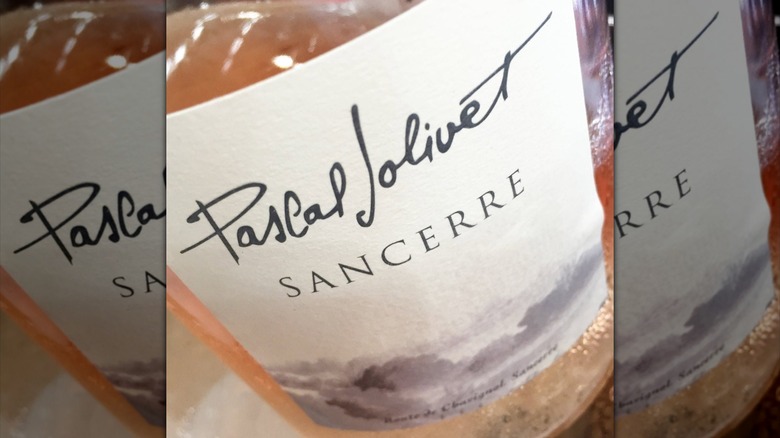
There's nothing underrated about Sancerre, the French wine region located in the Loire Valley. That said, while the local sauvignon blanc wines bursting with acidity are the usual draw, around 7% of the area's output is rosé. Strictly produced with pinot noir grapes, it offers a different take on the popular region that's well worth seeking out. Pascal Jolivet is a producer in the Loire Valley, keen on highlighting the freshness that is at the foundation of so many of the area's wines. Balance is at the heart of the winery's production, combining acidity, ripeness, and character into each bottle. Jolivet focuses on minimal intervention in the cellar, using indigenous yeasts and letting fermentations occur at their own pace.
The Sancerre Rosé "Signature" is made with 100% pinot noir that undergoes two types of rosé vinification to pair freshness and concentration. Fermentation occurs in temperature-controlled stainless steel vats, preserving the fruit's delicate aromas. Notes of watermelon and citrus are present, along with light red berries and stone fruit. It's decidedly bright and crisp, making it an excellent aperitif or pairing for grilled seafood, cheese, or summery salads.
10. Tenuta delle Terre Nere - Etna Rosato DOC
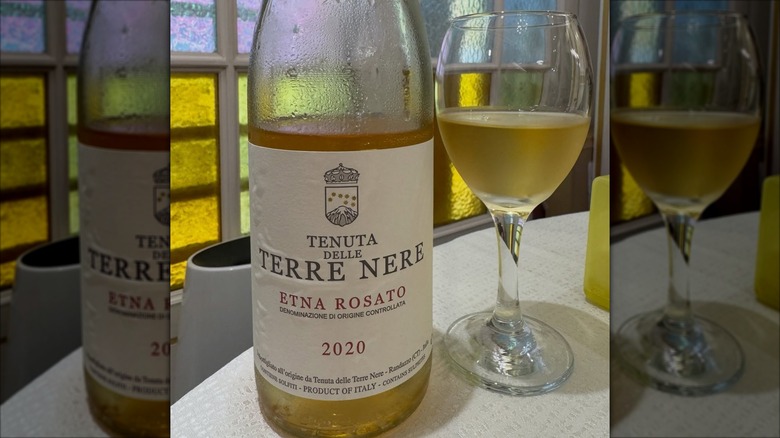
This Sicilian rosé from Tenuta delle Terre Nere showcases Etna's volcanic terroir. The winery holds 30 different plots, each offering nuances from the soil, altitude, and exposition. Agricultural practices are centered around promoting biodiversity and ensuring sustainability on all levels of the business. The Etna region is well known for its red wines, but it produces rosé and white wines that are just as reflective of the land.
Tenuta delle Terre Nere's Etna Rosato is a great example, featuring local nerello mascalese grapes sourced from several vineyards. First produced in honor of the winemaker's three-year-old daughter, who loved the color pink, it has become a regular in the winery's lineup. The vines range from 25 to 60 years old, providing plenty of character and depth to the wines. Bright notes of red fruit, like cherry and strawberry, are present, remaining lithe and crisp on the palate. Serve this lively rosé with fresh seafood, reminiscent of the island's coastal location.
11. Viña Echeverria - No Es Pituko Natural Wine Rosé
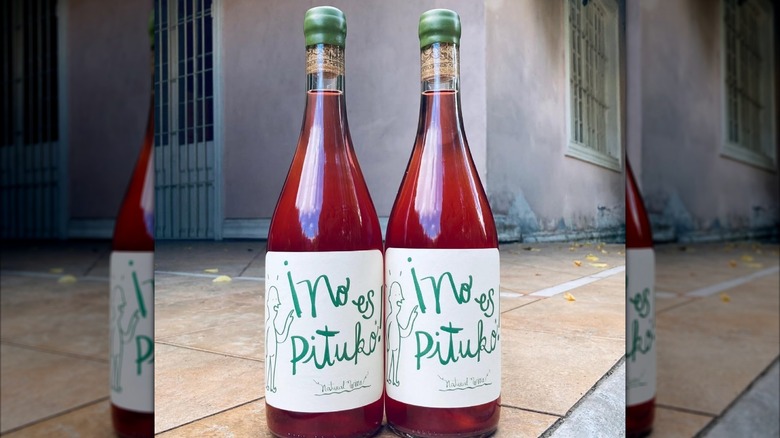
This family-run winery, located in the Curico Valley in Central Chile, has been producing wine for over three decades. The vineyards benefit from both the cooling breezes from the Pacific Ocean on one side and the Andes mountains on the other, culminating in a rich agricultural valley in the center. There's plenty of sun for ripening, and the conditions aren't optimal for pests, so organic viticulture is easy to achieve. While the lineup originally featured more traditional options, the winery recently stepped into the natural wine sphere, with its No Es Pituko brand.
No Es Pituko wines are made with sustainable farming practices, indigenous yeasts, no additions, and no post-fermentation interventions like fining or filtering. The rosé is made with hand-harvested país grapes (aka mission grapes in the U.S.) grown in the Maule Valley. The skins are macerated with the juice for up to five days, resulting in a bold hue. The wine is fermented in stainless steel tanks to preserve the bright aromatics, then briefly matured on the lees for texture. This rosé is fruity with a creamy palate, boasting notes of grapefruit, strawberry, cherry, and pear, along with a hint of salinity. Serve it with ceviche, fish tacos, grilled poultry, or a charcuterie board.
12. Bodegas los Bermejos - Listán Negro Rosado
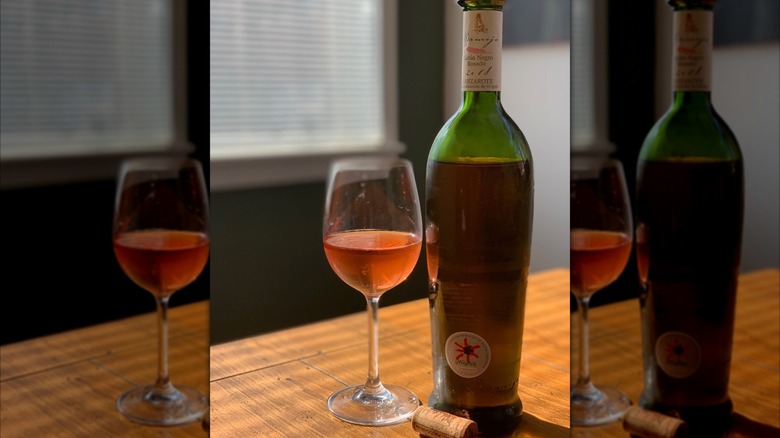
Lanzarote in the Canary Islands offers an incredibly unique viticultural landscape. In harsh growing conditions with intense sun and strong winds, most vines are grown in dug-out formations for protection. With a terrain carved over centuries of volcanic action, the soils are mineral-rich and well-suited for grape growing. Remotely located along with a scattering of other islands off the northwest coast of Africa, many parts of Lanzarote are recognized as protected natural areas, preserving the biodiversity and characteristics of the island.
Los Bermejos is dedicated to displaying the island's natural wonders through its wines, which are crafted with care from the vineyard to the cellar. Thanks to the beneficial growing conditions, intervention is kept minimal, allowing the fruit to fully express its character. The winery's Listán Negro Rosado is produced with the local listán negro variety. Aromas of strawberry, guava, pomegranate, and citrus linger on the palate, with a mineral character that keeps it bright and structured. Serve this wine with cheese boards, salads, or vegetarian dishes.
Methodology
To select these wines, I drew upon my experience as a Certified Specialist of Wine and WSET Level 3, as well as travels discovering numerous wine regions around the world. The wines I chose offer characteristics that are increasingly important for consumers in 2026, including sustainability, freshness, and novelty. Additionally, they are underrated for their quality, sometimes originating from lesser-known regions or produced in styles or with grapes that are not prominent.