

10 Money-Saving Tips To Cut Electricity Costs While Using Your Oven
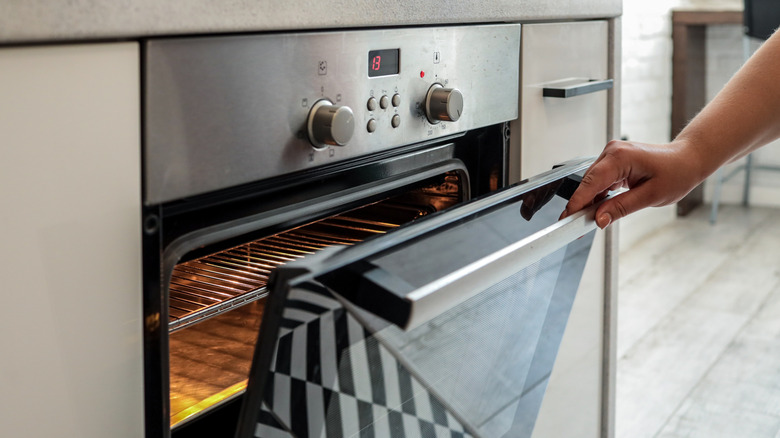
When it comes to reducing electricity costs at home, small changes can make a big difference. While it pays to be mindful of heating and lighting usage, cooking is another everyday activity that has a major impact on household bills, and ovens in particular are one of the most energy-intensive appliances in our kitchens.
Whether you're roasting veggies or whipping up some tasty baked treats, firing up the oven is an essential part of the cooking process. However, it's also something that presents plenty of opportunity for cost-cutting. With a few simple tricks, you can easily lower your energy consumption, while saving time and making food prep more streamlined.
From making the most of residual heat to choosing the right cookware, these small changes add up. Over time, you'll find yourself saving money, all while continuing to enjoy your favorite homemade meals and bakes. Here are our top tips for making home cooking a little more budget-friendly.
Turn it off before the cooking time is up
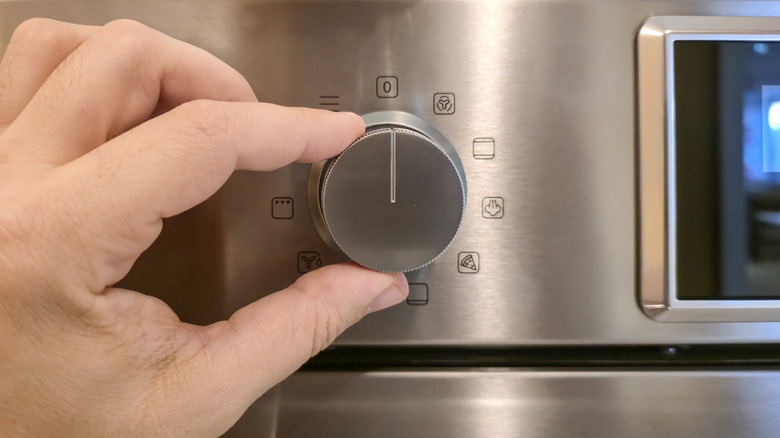
Following the cooking instructions to a tee isn't always essential. In fact, with many dishes, you can easily get away with turning the oven off before the recommended cooking time is up. This might seem a little unintuitive, but it's a simple, effective, and totally safe way to cut back on energy use, and your food will come out just as deliciously tender and piping hot as ever.
This trick works best with meals like casseroles, pies, and roasted vegetables – with these dishes the residual heat inside the oven is more than enough to finish off the cooking process. However, it's not recommended for cakes, cookies, and other bakes where maintaining a precise temperature is crucial.
When appropriate, try turning the oven off around five to 10 minutes before you usually would. As long as the door remains shut, much of the heat will be retained, and your food will continue cooking right up to the end. This small habit is one that's wonderfully easy to implement, and it can add to your savings.
Batch cook dishes
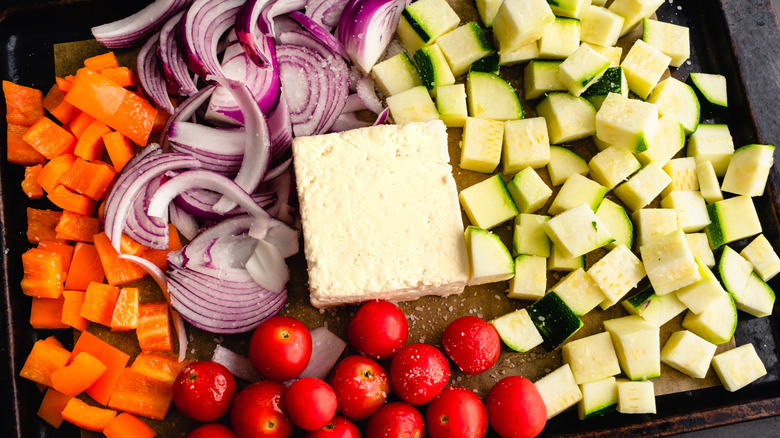
Meal prepping and batch cooking come with a plethora of benefits. As well as saving you time throughout the week, this approach can also dramatically cut your energy consumption. By prepping multiple portions of proteins and veggies at once, and roasting them together in a single session, you'll eliminate the need to turn on the oven again tomorrow. This way, meals are sorted for the next few days, and your bills are reduced.
Countless foods lend themselves well to batch cooking. Try dicing up a selection of colorful veggies like zucchini, squash, mushrooms, and onions, and tossing them with a splash of oil and your favorite seasonings. These can be spread out onto multiple baking sheets and roasted until caramelized and tender. Add the veggies to salads and rice bowls, or pair them with proteins to create satisfying, nutritious meals throughout the week. And, you can even freeze leftover roast vegetables for later.
Meat, fish, and potatoes are also excellent candidates for cooking in bulk, as are hearty casseroles and pasta bakes. When it comes to reheating leftovers, there's no need to reach for the oven again. Just pop a portion into the microwave or use your air fryer. This will keep things quick and convenient, while ensuring you maximize those all-important energy savings.
Avoid opening the door during cooking
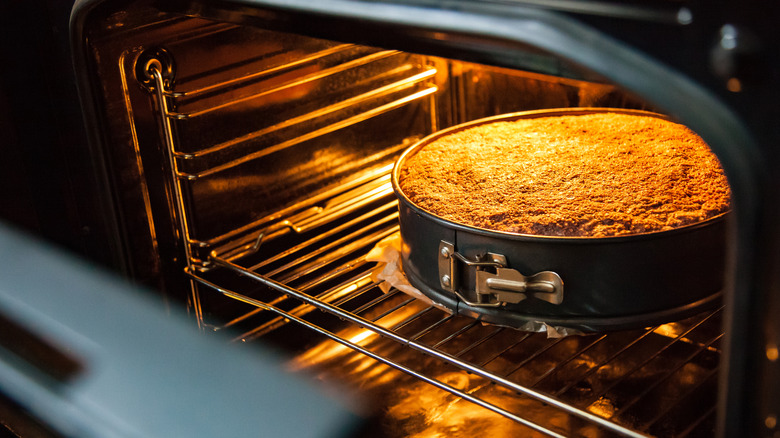
It can be tempting to have a quick peek inside the oven while your food cooks, but this is one of the biggest mistakes you can make if you're aiming to keep electricity use to a minimum. When you open the door, the oven experiences an instant drop in temperature. In fact, even a brief opening can lower the internal temperature by up to 77 degrees Fahrenheit. As a result, the oven has to work harder to bring the temperature back up to where it should be, thus using more energy.
A sudden temperature change can also have a detrimental effect on certain dishes like cheesecakes, meringues, and souffles, which can be prone to cracking or sinking. So, there's all the more reason to keep the door firmly shut. As long as the oven glass front is nice and clean, you should be able to check on your food by looking through it without wasting energy. You can, however, make the most of the residual heat post cooking. Once you've turned the oven off, leave the door ajar and let the warmth spill out into your kitchen, turning your cooking session into a passive source of heat for your home.
Use the convection setting
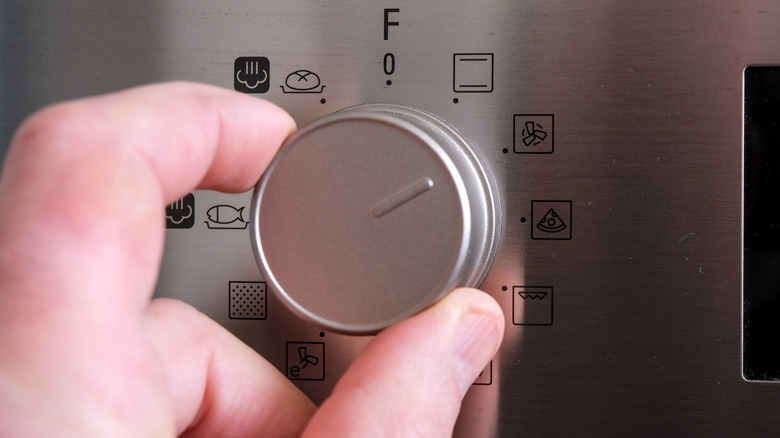
If you're not already utilizing your oven's convection setting, you're missing out on an easy way to reduce energy consumption. Most modern ovens come equipped with a convection (aka fan-assisted) mode as standard. When in use, the fan allows hot air to circulate around the food, and this continuous airflow promotes more efficient heat transfer than standard oven settings. Typically, fan-assisted ovens also allow you to cook at a lower temperature, while the overall cooking time is reduced.
When using a convection oven, make sure to arrange the food in a single layer in shallow trays or roasting pans. This will allow the air to circulate evenly and yield a perfectly crisp, golden finish. The fan mode is ideal for roasting meats, veggies, and casseroles, as well as sweet recipes like cookies and granola. However, convection isn't suitable for all dishes. Certain foods like cakes, breads, and pastries benefit from conventional oven baking, where less moisture is removed during cooking. This helps the treats to rise more effectively and develop their signature fluffy texture. But, for everything else, switching to the convection setting is a nifty way to lower your bills.
Avoid unnecessary preheating
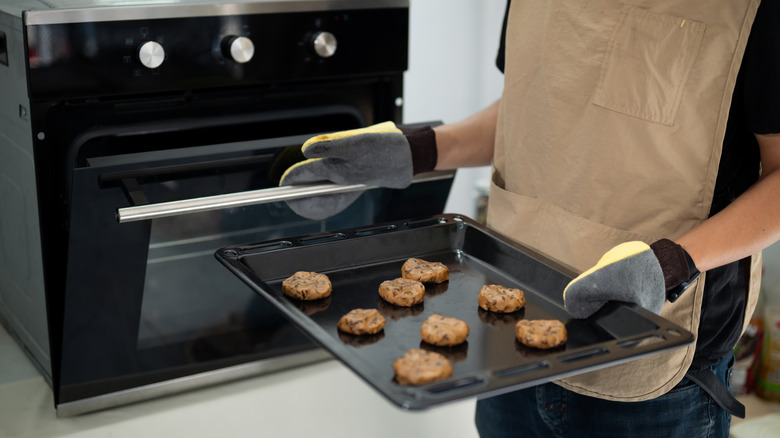
It's the first step in most oven-baked recipes, but is preheating really a must? The answer may surprise you. In many cases, turning the oven on after you've placed the food inside is completely acceptable, and this is a great way to avoid wasting electricity. You might need to add a few extra minutes to the overall baking time, but not as much as the 10 to 15 minutes required for a full preheat.
If you're baking muffins, cookies, or quick breads, skipping the preheating step can actually give you better results. Heating batters and dough more gradually often yields a more even bake and a taller rise, positively impacting both the texture and appearance. You can also bake an exceptional fruit pie using the no-preheat method — a perfectly gooey center and deep, golden crust is guaranteed. Other dishes that don't require a preheated oven include casseroles and other comfort food classics like lasagna and mac and cheese. Here, slower baking allows all of those rich, savory flavors to meld beautifully.
Some exceptions are biscuits, which tend to come out drier when started cold. Preheating will also help you achieve a crispier crust on pizzas and sturdier breads like ciabatta and baguettes. Delicate desserts such as meringues and macarons require precise temperature control, hence preheating is essential.
Chop vegetables into smaller pieces
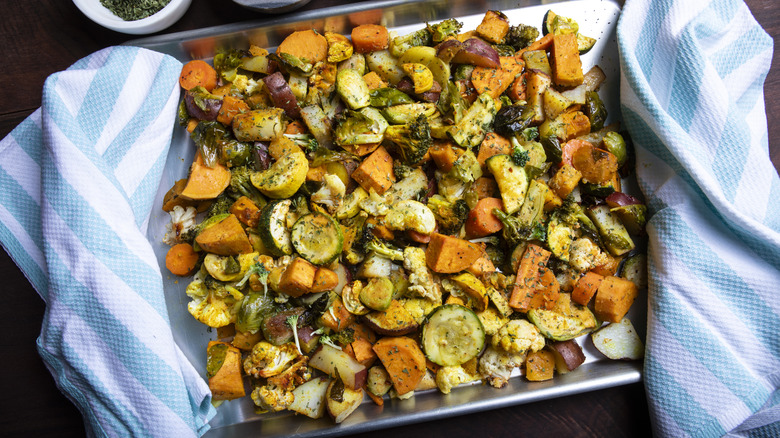
It's perhaps the simplest tip of all, but one that comes with many benefits. Chop your vegetables into smaller pieces before roasting, and you can shave valuable minutes off the cooking time. This allows you to put dinner on the table faster while saving energy.
Smaller veggie chunks have a greater surface area, meaning heat penetrates the food more quickly. So, you'll get perfectly tender, evenly cooked results in a fraction of the time. Not only does this allow you to switch off the oven earlier, but you'll likely also get crispier edges and better caramelization.
This tip is particularly useful for sturdier vegetables like sweet potatoes, squash, and parsnips. These require longer cooking time so dicing size can make all the difference. If you're cooking multiple veggies on the same tray, you can always leave quick cooking varieties like zucchini and broccoli a little chunkier, to help everything bake at the same rate.
Defrost meat beforehand
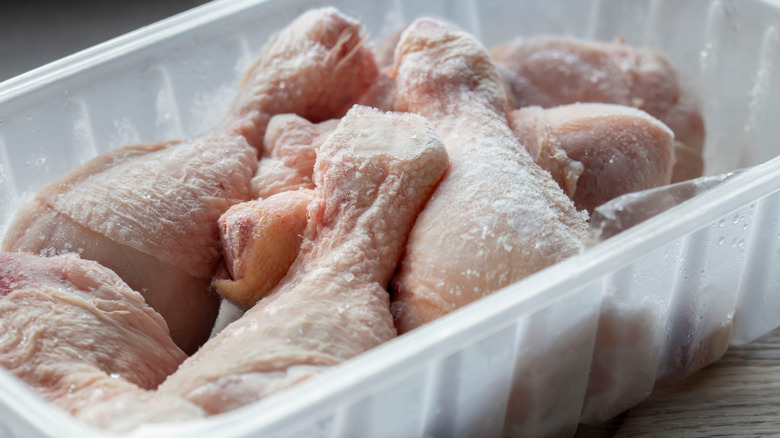
According to the USDA, cooking meat from frozen is perfectly safe. Sometimes, this is a valid approach, perhaps if the fridge is looking a little bare, and you've forgotten to take food out of the freezer in advance. Frozen food will, however, require a lengthier stint in the oven, and therefore more electricity.
Skip the defrosting step, and the meat will take around 50% longer to cook — a fairly significant chunk of time when you're tired and hungry after a long day. If you're using this method regularly, those extra minutes quickly add up, and this is where a little forward planning can come in handy. All you need to do is transfer frozen meat to the fridge no more than 24 hours before you intend to cook it. Then, it can thaw slowly and safely, so it's oven-ready the next day. It's a step that takes mere seconds, but it will make dinner prep speedier and help keep your oven usage to a minimum.
Keep it clean
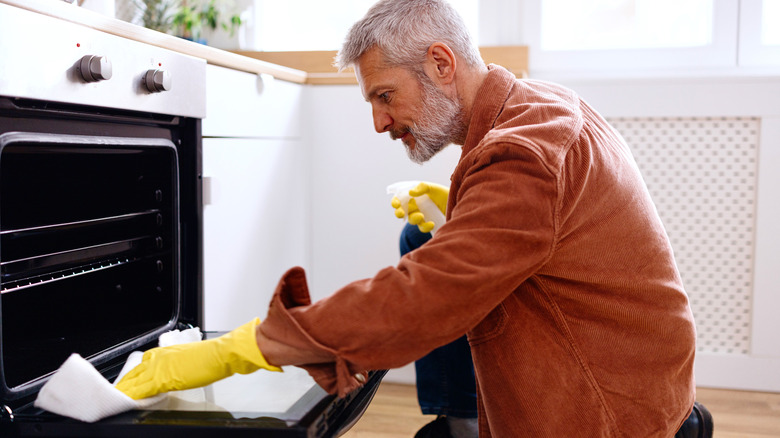
Cleaning your oven isn't just about hygiene; it can lower your electricity bill too. When grease and food residue build up inside, the oven's efficiency is reduced, and this is a recipe for higher energy consumption.
A layer of grime piled on the walls, racks, and heating elements inside the oven is bad news. The dirt acts as an unwanted source of insulation, making heat transfer slower and temperature maintenance more difficult. In convection ovens, dirty fan blades can also reduce airflow, leading to uneven cooking. Essentially, a dirty oven has to work harder. Preheating takes longer, and food is often cooked more slowly. The bottom line is that you may end up using up to 25% more energy every time you cook.
To keep your oven spotless and your energy bills under control, make sure to clean up any spills before they have a chance to set in. A weekly wipe with warm soapy water will help to remove build-up, and a deeper clean is recommended every three to six months.
Use glass baking dishes
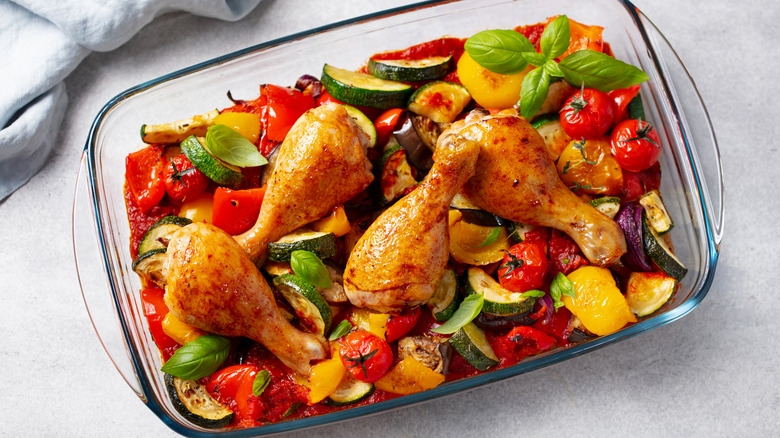
Your choice of bakeware can also help you cut electricity costs. Metal sheet pans and roasting tins might be your go-to, but switching to glass versions where appropriate is a nifty hack that'll maximize efficiency.
Glass is excellent at retaining and evenly distributing heat, which means you can reduce the oven temperature slightly when using it (by about 25 degrees Fahrenheit), and therefore reap those energy savings. Glass bakeware takes longer to reach a certain temperature, but once it's there, it stays warm for far longer than metal. This makes it ideal for casseroles and large shareable dishes that you'll want to keep warm for as long as possible post baking.
Beyond the energy-saving benefits, glass dishes also tend to be affordable, dishwasher safe, and non-reactive to acidic foods, so using them is really a no-brainer. Plus, glass won't absorb odors and flavors like cast iron or silicone bakeware, so it's an easy-to-clean, versatile pick for all of your sweet and savory creations.
Only use it when necessary
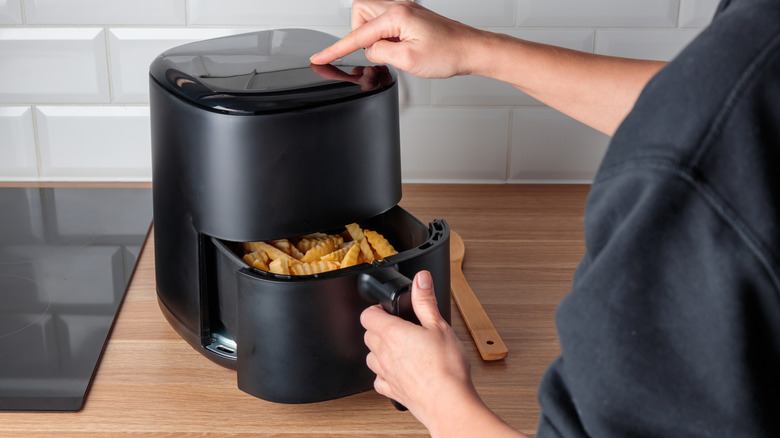
Sometimes, using the oven isn't necessary at all, and the same results are easily achievable with other appliances. If your kitchen is also equipped with an air fryer and microwave, consider using these in place of your oven wherever you can.
Ovens are great for cooking large portions, but if you're making dinner for one or two people, air-frying is a fantastic option. Because a smaller area is being heated, air fryers consume less energy, so it'll cost you less to make the exact same meal. Food often cooks quicker and comes out crispier too, so it's really a win-win.
If you're reheating leftovers, don't fire up the oven. Just pop your portion in the microwave instead. This appliance not only delivers on convenience, but it's typically around four to six times more efficient at transferring heat into your food. This translates to reduced energy usage when compared with ovens. You'll have a piping hot meal ready in minutes, all while spending less in the process.