

These Garden Fruits And Vegetables Benefit Most From Eggshells In The Soil
We may receive a commission on purchases made from links.
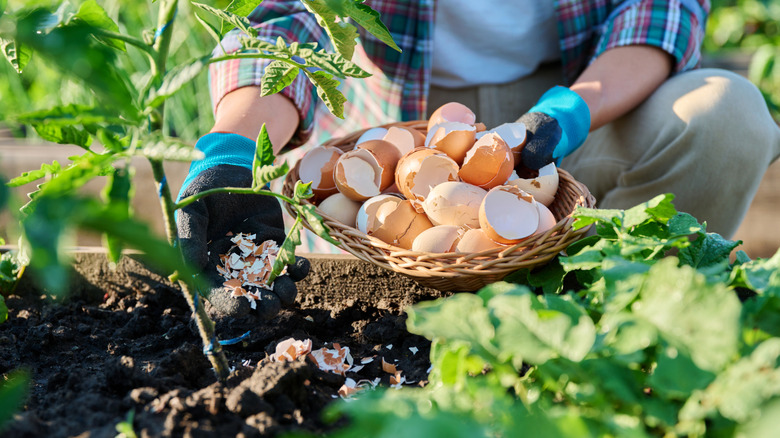
There are lots of things we can do to repurpose kitchen scraps to reduce food waste, including eggshells. From enriching the compost bin to deterring crawling insects that might feast on your tender veggie plants, eggshells are incredibly useful in the garden. We've heard the recommendation to bury eggshells in the soil as fertilizer, so we reached out to an expert to clear things up.
Lisa Steele, a fifth-generation chicken keeper, master gardener, host of "Welcome to My Farm," and author of the new cookbook, "In Season: 125+ Sweet and Savory Recipes Celebrating Simple, Fresh Ingredients," gave us the lowdown on using eggshells in the garden. "Adding eggshells to your garden can be beneficial to plants that need extra calcium," she says. "In general, calcium is beneficial to most types of garden produce, assisting in cell and skin growth."
Steele notes that some veggies need calcium more than others, including vegetables in the nightshade family (eggplant, peppers, and tomatoes) and cucurbitaceae family (cantaloupe, cucumbers, honeydew melon, pumpkin, summer squash, watermelon, and zucchini) which are heavy feeders that need adequate calcium to build strong cell walls and healthy skin. "A calcium deficiency in the soil can lead to blossom-end rot, which makes the produce inedible," she says. "It's also important to be sure to water these crops frequently, because they need water to move the calcium from the soil to the plant stalks and stems."
How to prep eggshells to use effectively as fertilizer in the garden
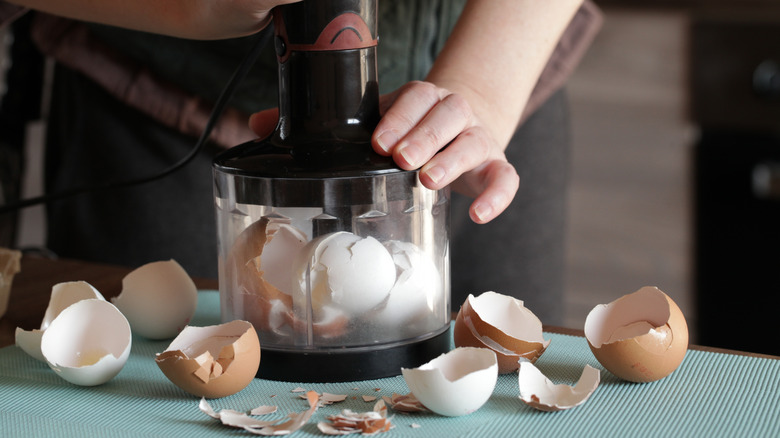
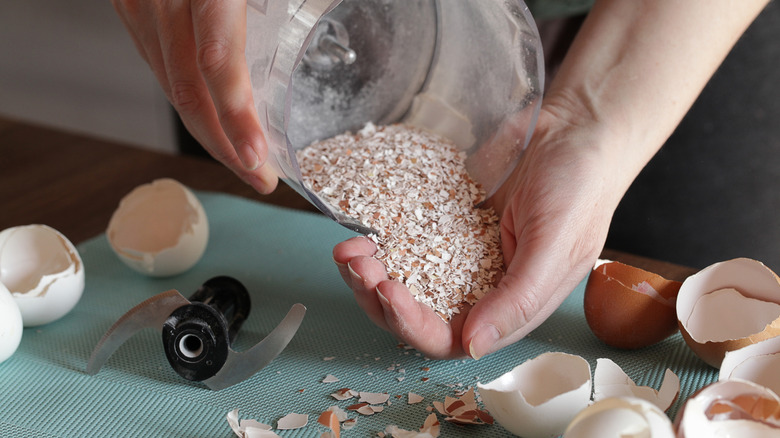
There are certain steps that need to be taken to prep the eggshells before you use them in your garden. First, you should rinse them well and remove the inner membranes, then air-dry them — or even bake them in a low (200 degrees Fahrenheit) oven — to ensure any bacteria on the shell has been killed. "Then, the eggshells should be pulverized in the food processor or smashed in a plastic bag with a rolling pin or your fingers," Steele explains. "This makes the calcium much more available to the plants and better absorbed into the soil."
But before you go sprinkling eggshell dust all over the garden, Steele has an important tip. "There are some crops that don't thrive in soil with excess calcium," she says. "Blueberries and potatoes prefer acidic soil — and too much calcium raises the pH, leading to poor nutrient absorption and lower yields." In any case, there are other kitchen scraps you can use if you're looking to give your blueberry plants a natural boost.
Powdered eggshells are good, but whole raw eggs are bad
There's another theory that burying a whole egg in your garden or planter might help fertilize the soil as it breaks down. But is this something Steele would recommend? It seems using raw eggs as fertilizer has drawbacks that make it not worth the hassle.
"I don't recommend burying whole eggs in your garden soil for several reasons," she says. "If the egg breaks or isn't buried deep enough, it's going to start to really stink as it starts to rot. Anyone who has smelled a rotten egg knows that odor very well! It's not one you want in your garden or near your house." Plus, as the egg decomposes, it can introduce harmful bacteria to the soil and plants, and cause root rot.
While Steele agrees that eggshells can be a secret weapon against garden pests, the same cannot be said about whole raw eggs. If you're worried about critters invading your garden, burying a whole egg will invite those same pests. "The egg is going to attract all kinds of unwanted visitors to your garden including rats, skunks, raccoon," says Steele. "They'll dig up your seedlings and eat your vegetables as they root around looking for the eggs."
Lastly, a whole eggshell is going to take a very long time to break down and be absorbed into the soil. "Since the main benefit of adding eggshell to your garden is to increase the calcium levels for those crops that rely on added calcium, that completely defeats the purpose," Steele concludes. "It's wasteful, and you should just eat the egg instead and use the shell in your garden."