

The Minty, Medicinal Herb That Makes Hummingbirds Flock To Your Yard
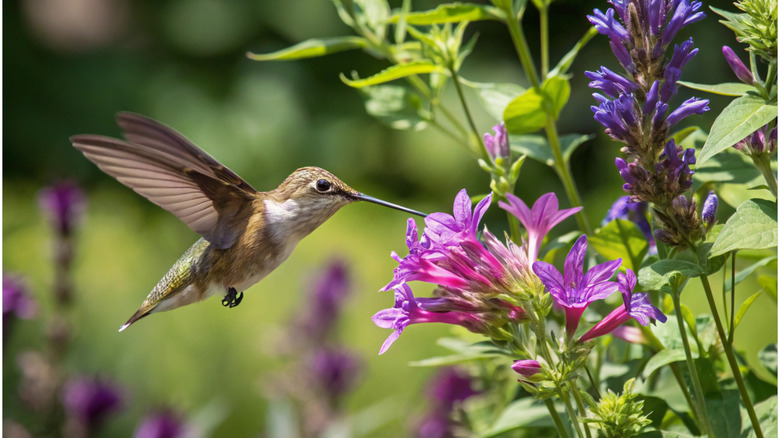
Hummingbirds are not only beautiful, but they're vital pollinators. Attracting these birds to your yard also offers natural pest control as the birds feed on insects that could damage other plants. Luckily, there are many plants and edible shrubs that will make hummingbirds flock to your yard, including one minty, medicinal herb: bee balm. Bee balm is a hardy perennial herb in the mint family that blooms in stunning purple, pink, yellow, white, and red flowers with a pleasant aroma. Growing bee balm in your backyard garden is relatively easy, even for a beginner, and you can purchase bee balm plants from a local nursery or start from seeds.
The best time to grow this herb is in the spring or fall. Choose a garden bed that gets at least six hours of direct sun each day. Though bee balm can grow in shade, it will produce fewer blooms and may be more vulnerable to powdery mildew. Use well-draining, slightly acidic soil, place the plants 18 to 24 inches apart, and keep the soil consistently moist by watering each week. The flowers can be cut or harvested as soon as they open. In the late summer, deadhead your plants to encourage new growth. As an added benefit, this fragrant herb is not only a hummingbird magnet and go-to plant for pollinator gardens, but it can be used for medicinal and culinary purposes as well.
Bee balm can be used for first aid or in the kitchen
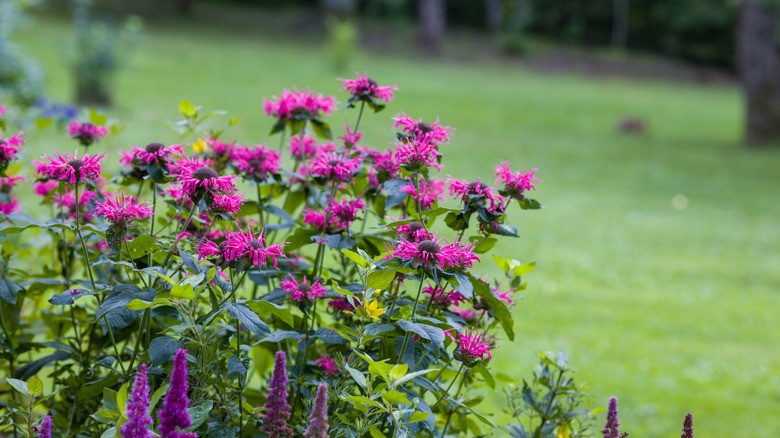
Bee balm got its name because it was originally used to treat bee stings. It is one of many common types of herbs used for medicinal purposes, as it has antimicrobial and antifungal properties. When brewed as a tea, it may offer some relief from cold and flu symptoms, yeast and fungal infections, and digestive issues. The flowers and leaves can be used topically to alleviate burns, minor wounds, and toothaches. The stems can be cut open, and the liquid inside can be used as an antiseptic and analgesic for minor scratches.
You can also use the leaves, stems, and flowers in the kitchen. Flowers should be harvested when healthy, not if they are wilted or dying. There are many uses for edible flowers, including as a garnish for salads or drinks, or dried for use as an herb. The petals and leaves of the plant can be brewed for Oswego tea or muddled like mint for a cocktail. Fresh or dried leaves are also a great substitute for mint, thyme, or oregano in recipes. They have a herby, citrusy taste with mild minty and peppery notes. The stems can be harvested above the root and chopped up to add flavor to salads or meals.
The leaves and flowers can also be infused into honey, simple syrup, vinegar, or liquor to enhance it with a herby, minty flavor. To make an herbal infusion, you will need to wash and dry bee balm leaves in a cool, well-ventilated area. After a few weeks, the herbs should be dry enough to use whole or crumble into a powder for your infusion.