

This Is What Happens To Your Heart Health When You Drink Green Tea Every Day, According To Science
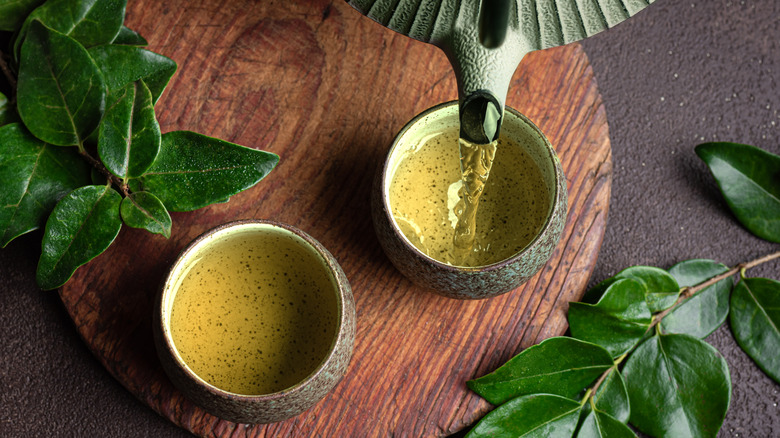
Humanity's love of green tea dates back at least 3,000 years. Originating from China, green tea was initially used for medicinal purposes. Today, we mostly consume it for pleasure, but perhaps people of bygone eras knew something that science is only now catching up with — green tea has a lot of benefits when consumed on a daily basis, particularly for heart health.
Green tea, made from the tea plant Camellia sinensis, is rich with special antioxidants called catechins, which are at the core of what makes this type of tea such a powerful superfood. Studies have shown that catechins can lower blood pressure and reduce inflammation in blood vessels, which are known factors in cardiovascular issues. They improve the circulation in the body, which directly helps the heart. According to a 2020 study published in Nutrition Journal, catechins can also regulate the balance between the good and bad types of cholesterol, as observed in people with a different range of body weights.
The tea can affect your heart health indirectly, too — the health of your gut can actually impact the health of your heart. Green tea has a protective effect on the gut, improving the lining and mitigating other digestive factors that could contribute to heart disease down the line.
The optimum way to brew green tea for heart health benefits
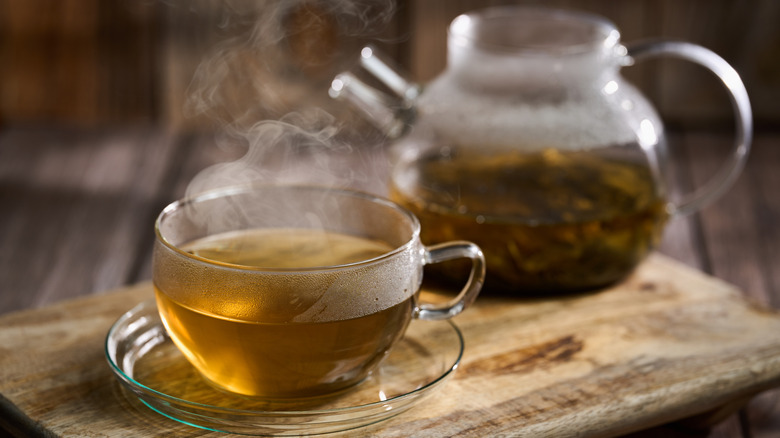
Drinking green tea every day can reduce your risk of heart disease, but how much should you drink, and how should you brew it? Ideally, you'd be consuming at least two cups of green tea per day, and you can comfortably go up to four. According to a 2006 study published in Food Chemistry, the greatest percentage (97%) of the catechins was extracted when green tea was brewed at 176 degrees Fahrenheit for 20 minutes, although a shorter brew of 10 minutes at 203 degrees Fahrenheit also yielded a good result, with 90% catechin extraction. This means that moderate heat and a longer brew are the best way to approach green tea if you're drinking it for the health benefits.
In day-to-day life, though, you might not be able to brew four cups of green tea every day at these exact precise parameters. Don't let that dissuade you from including green tea into your diet. You can start slow, including tea into a routine that's already familiar. Matcha is an extra potent type of green tea that's definitely deserving of its current fame, so you can drink a matcha latte alongside a heart-healthy breakfast, make yourself a green tea smoothie for a midday pick-me-up, and bake easy white chocolate matcha cookies to end the day on a sweet note.