

What's The Average Lifespan Of Weber Gas Grills?
We may receive a commission on purchases made from links.
A gas grill is a long-term investment, there's no two ways about it. But like with any investment, it's important to understand exactly what "long-term" means. This is especially true of grills from Weber, a brand which has been around for so long that it's attained near-mythical status, particularly regarding the durability of its products. Going by purely anecdotal evidence, you'd think Weber gas grills lasted forever, but given that you could be spending anything between $500 and $5,500 on one, we decided to do some research.
One of the reasons Weber grills are so expensive is that the company prides itself on using quality materials, but as the price range above indicates, it sells a wide variety of grills. The average lifespan of a lower-end Weber grill is typically between 5 and 10 years, while a top-end grill can last up to 15 years. These are just broad guidelines, though, with several caveats involved. They're also based on two metrics: what the company's warranty guides indicate and the actual experiences of Weber's customers.
Warranties are a good indicator of a product's lifespan, as they have a direct impact on a company's finances. With Weber's Spirit gas grills, the cookbox, lid, and stainless steel burner tubes all come with a 10-year warranty, while the cooking grates and Flavorizer bars come with five-year warranties. For Weber's Genesis grills, the warranty for the cookbox and lid is 12 years, while the grates, burner tubes, and Flavorizer bars all get 10 years. When it comes to the premium Summit 2024 gas grills, which can cost up to $5,500, the warranty for the cookbox and lid is 15 years, and 10 years for the burners, grates and Flavorizer bars.
The lifespan of Weber gas grills, according to customers
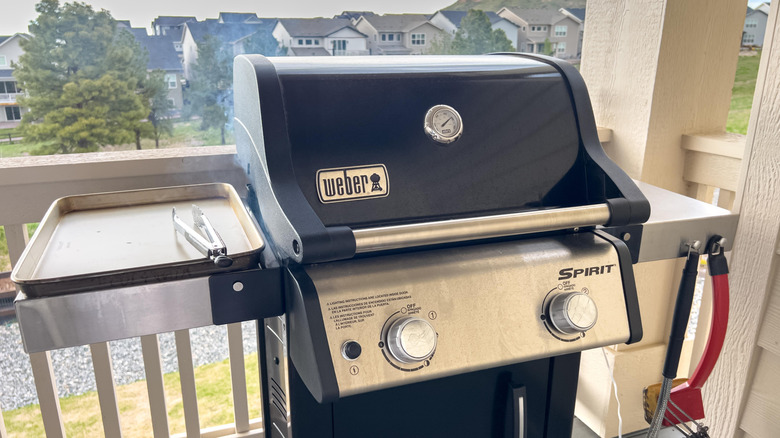
Overall, there's a lot of love for Weber online when it comes to the durability of its gas grills. Several customers on Reddit claim that theirs have lasted well over 10 years, with some even crossing the 20-year mark. However, there's also a consensus that some parts, such as grates and burners, need to be replaced every few years (if you're buying a second-hand grill, it's always worth inspecting every component).
"My parents' Genesis is 25 years old and still going on the same burners," one Reddit user posted, noting that the Flavorizer bars get replaced every five years or so. Another user showered praise on their Genesis gas grill. "Bought a Weber Genesis Silver in 2003, used it through 2017. I replaced the Flavorizer bars once during that time," they wrote. "A friend adopted it and has been using it since." That said, both of these posters clarified that their experiences may not be representative of today's build quality, which has come under scrutiny from some customers now that some components are manufactured in China.
Four years ago, Weber responded to a query on Best Buy concerning where its grills were manufactured. "Weber grills are designed and engineered in the USA, incorporating globally sourced parts," the response said, adding that the Spirit and Spirit II series were assembled in China, as were some Genesis series grills until 2019. The company made it clear that it believes overseas manufacturing isn't an indicator of quality and that the fact the models in question are backed by identical warranties demonstrates this. Replacement parts, from electricals to plastic components, also come with warranties ranging from two to five years.
How to extend the lifespan of your Weber grill
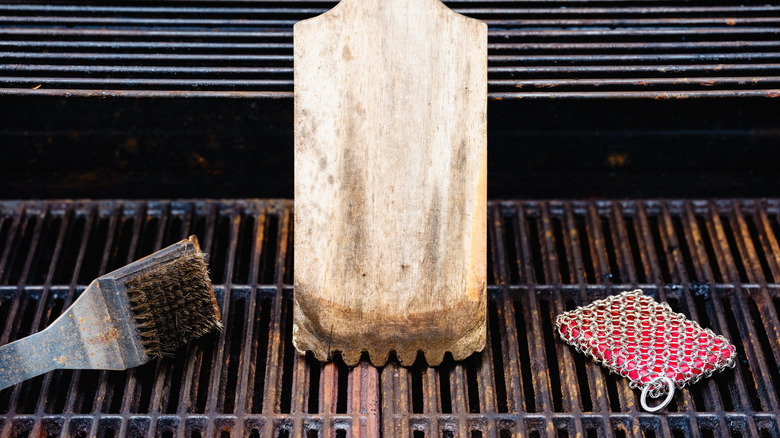
There are also factors in your control that can shorten or extend the lifespan of your gas grill, from how you cook on it to how often you clean it. Grilling techniques involving extreme temperatures can reduce a grate's lifespan. Additionally, wrapping food in foil before cooking it can help keep the grill clean, extending its lifespan as a result. When it comes to cleaning the grill, a quick wipe-down is not enough if you want it to last a long time. And the grate is just one component — there are other parts of the grill you can't forget to clean, including the heat plates and the regulator.
Weber itself has a long list of tips for maintaining its gas grills, from keeping the Flavorizer bars grease-free to maintaining the grates. For the Flavorizer bars, it recommends using a scraper to remove any excess grease. It also suggests seasoning the grates with oil, just like you would with a cast iron pan. According to Weber, the more often you use the grill, the less you'll have to worry about maintenance.
Finally, it's important not to expose the grill to the elements, especially harsh winters. The correct way to store your grill for the winter involves cleaning it thoroughly, drying it, oiling it, and then keeping it in a sheltered space like a basement or a garage. Follow all of these steps and you could be on a Reddit thread two decades from now boasting about how long your Weber grill has lasted.