

10 Desserts Boomers Miss

If you grew up in the 1950s, '60s, or '70s, you'll likely have fond memories of the foods that defined the era. This was a time when convenience cooking was all the rage, with canned goods, frozen meals, and pre-packaged snacks finding their way into kitchens around the world. An especially memorable part of the post-war food scene, however, was the desserts. Indulgent post-dinner treats were commonplace on mid-century tables, and while many of these sweet delights have since declined in popularity, boomers most certainly haven't forgotten them.
From brightly colored gelatin desserts and comforting fruit pies to decadent, towering cakes, these retro creations bring all the nostalgia. Many are easy to prep and designed to feed a crowd, hence their once-widespread appeal. Today, they might not appear on menus or dinner tables quite as often, but these classic desserts still hold a special place in boomers' hearts. So, if you're in need of a show-stopping treat for a family gathering or holiday celebration, perhaps it's time to revive one of these old-fashioned favorites.
Peach cobbler
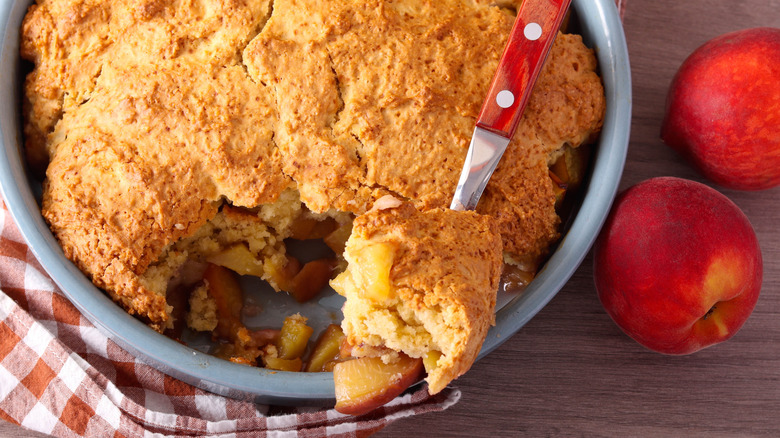
Peach cobbler is a cozy, fruit-packed bake that dates back to the 1800s, but it appeared frequently on family dinner tables during the post-war era. While this dessert can be made with fresh fruit, home cooks often leaned into the convenience of canned peaches. The sunny slices were layered in the bottom of a baking dish, then topped with a simple buttery dough, which baked up fluffy and golden, while the fruit beneath became gloriously jammy. The result is a comforting contrast of flavors and textures, and the dessert tastes especially great served with a generous scoop of ice cream.
This dessert still remains a favorite for many who grew up with it, and while it might not be the everyday staple it once was, it's not uncommon to see peach cobbler recipes popping up in modern-day cookbooks or across social media. For that, we have boomers to thank, who have kept the tradition alive with tried-and-tested recipes from their childhoods. It's easy to swap in other fruits too, such as berries, apples, and cherries, or spike the batter with flavorful add-ins like cocoa powder or warming spices. We hope this versatile, fruity treat continues to delight for generations to come.
Trifle
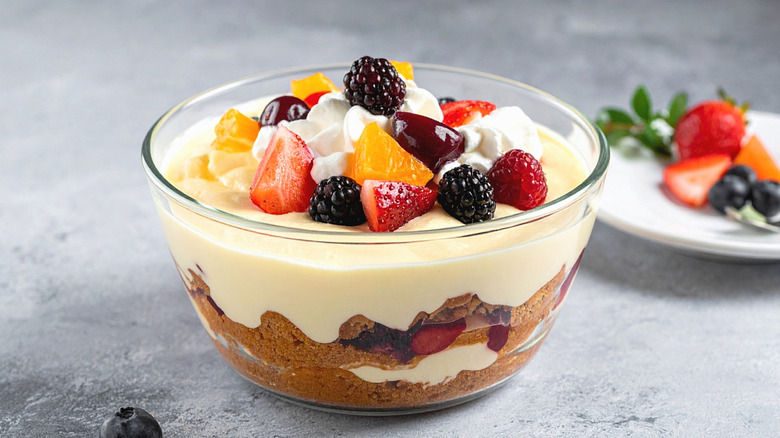
This decadent layered creation is a quintessential British dessert that had its heyday in the 1970s. With its crowd-pleasing flavors and show-stopping appearance, the humble trifle served as the go-to special occasion dessert, delivering fruity sweetness and creamy indulgence in every spoonful. This dessert is thought to have its roots in the 16th century, when it took the form of a fluffy sweetened cream, infused with ginger and rosewater. Over time, it evolved into the version that boomers will know best — a layered masterpiece featuring sponge cake, custard, fruit, and sometimes Jell-O.
A popular approach was reaching for the Bird's store-bought trifle kit. This came with sponge fingers, custard powder, strawberry-flavored jelly crystals, a creamy topping mix, and chocolate sprinkles, and it made dessert prep fantastically fuss-free. The only additions required were water, milk, and sugar, and the result was an elegant layered masterpiece that the whole family would love. In fact, you can still get hold of this product in British supermarkets today, though some reviewers claim the flavor doesn't quite match up to the original version.
Trifles remain an impressive, easily customizable option for home cooks, and if the retro version doesn't take your fancy, you could always try whipping up a version with a modern twist. Try infusing the sponge with something boozy like sherry, amaretto, or Irish cream, or layering in your favorite brownies or cookies in place of the traditional cake. Zesty lemon curd also makes an excellent addition, as do crunchy toppings like chopped nuts or crushed meringue.
Charlotte Russe
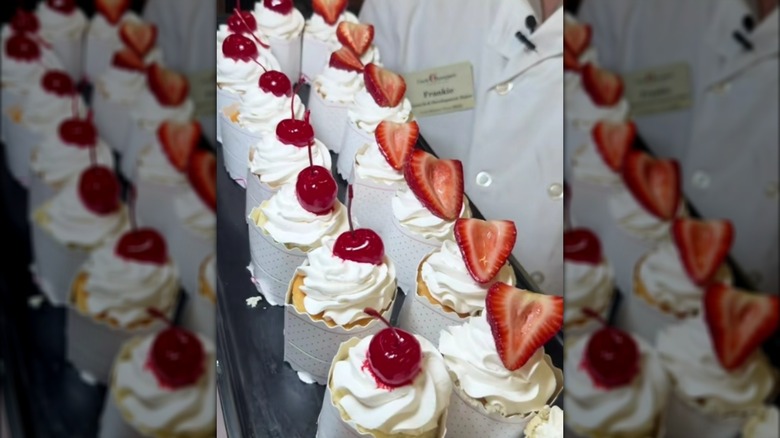
The Charlotte Russe cake was a beloved staple of Brooklyn bakeries during the 1960s and '70s. This dessert is the epitome of retro decadence, with its fluffy sponge cake base and towering swirl of whipped cream. Each cherry-topped, single-serve cake came in a push-up round cup, making it easy to enjoy on the go. Thus, the Charlotte Russe earned its status as the "street dessert" of the moment. It's unclear why this treat fell out of fashion, and many boomers who grew up in New York City still reminisce fondly over the cake's deliciousness. It's no longer the star of Brooklyn shop windows, but you'll still find this dessert sold in some specialty bakeries across the New York City area and beyond.
Allegedly invented by French chef Marie-Antoine Careme in the 18th century, the Charlotte Russe originally took the form of a larger layered cake topped with Bavarian cream and lined with ladyfingers. Modern versions of the cake are also more typically made in this style, and it's easy to put your own spin on things. Some recipes incorporate fruity liqueurs, while others call for lemon curd or strawberry jelly. So, if you're looking to recreate this classic, there are plenty of delicious options to consider.
Pineapple upside-down cake
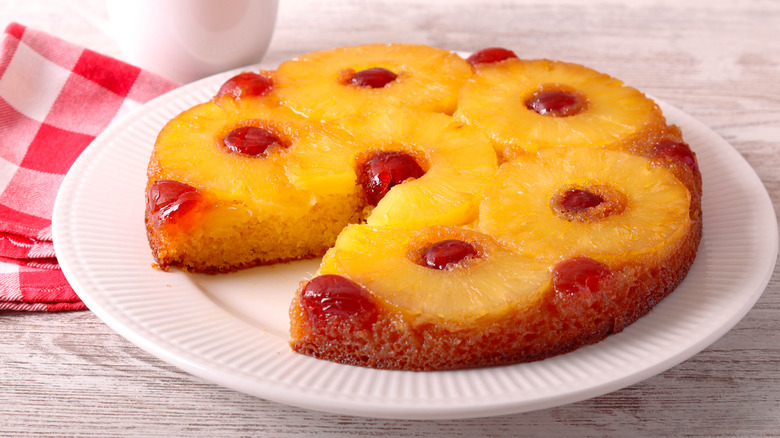
Another vibrant old-school favorite, the pineapple upside-down cake blends sweet, tangy fruit with a golden, syrupy sponge, and its striking presentation is just as appealing as its moreish taste. It's a bake that takes boomers right back to their childhoods, evoking memories of potlucks and family get-togethers, and many "PUDC" devotees are still baking it on the regular today.
Despite its eye-catching look, this cake is actually remarkably easy to prep. Canned pineapple rings and candied cherries are arranged atop a layer of butter and sugar in the bottom of a round cake pan, then topped with a vanilla cake batter. Once baked, the cake is flipped over to reveal the glossy, syrup-coated pineapple topping, which makes it a real standout on the dessert table. You can also make this pound cake-style, for a slightly more dense, buttery finish.
The pineapple upside-down cake first came about in the 1920s, and it fast became a hit in the decades that followed. Recipes appeared in magazines, cookbooks, and even on cake mix boxes, and home bakers of the '50s, '60s, and '70s were enamored by the approachable method and dramatic reveal. Like many desserts of the era, this cake slowly lost its staple status, but it hasn't been forgotten entirely. Whip one up yourself, and you'll soon understand what all the hype was about.
Shoofly pie
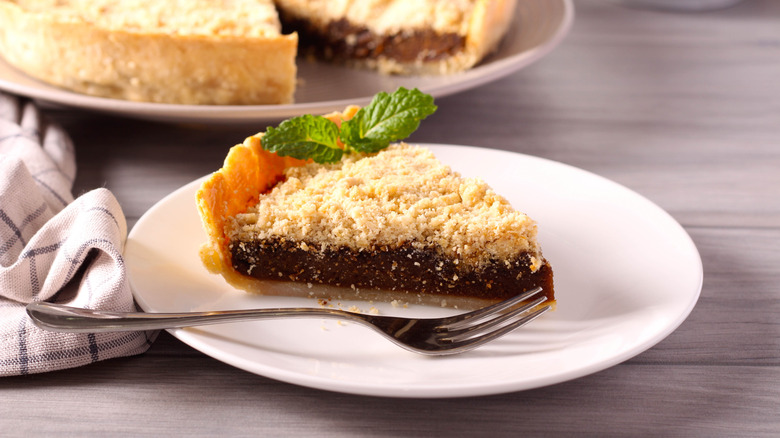
Once cherished for its buttery, flaky pastry and sweet, sticky filling, shoofly pie is a dessert that's closely associated with the Pennsylvania Dutch community. This pie rose to fame in the late 1800s, and after a dip in popularity during the mid-century, it took off again in the 1960s. Hence, it's remembered fondly by many boomers who grew up in PA.
Shoofly pie begins with a classic flaky pie crust, and the filling is what really sets this dessert apart. Molasses is a key ingredient here. In fact, the pie was supposedly named after the famous "Shoofly" brand molasses, which took inspiration from a famous circus mule. Combined with hot water, baking soda, and egg, the molasses was transformed into a luscious, gooey mixture that was poured over the crust and topped with buttery, streusel-like crumbs, adding yet another element of richness to the dessert. Once baked and left to cool, the filling would thicken up, creating a sliceable treat with an ultra-sweet taste.
This regional classic isn't widely available across the U.S., but you'll still find it in some local bakeries and Pennsylvania home kitchens. An excellent reason to take a cross-country road trip, we reckon.
Black forest cake
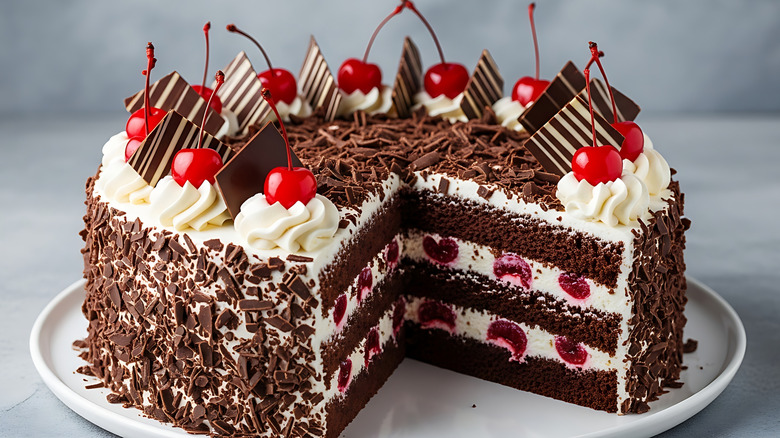
Undeniably impressive to look at, and just as satisfying to eat, the black forest cake was an icon of the 1970s dessert menu. With layer upon layer of tender chocolate sponge, cream, and cherries, often laced with boozy cherry brandy, this cake was nothing short of a show-stopper. It was typically decorated with neat swirls of whipped cream, each with a vibrant candied cherry in the center. And, lashings of chocolate shavings were essential.
Hailing from Germany's Black Forest region, this cake dates back to the early 20th century, when the combination of chocolate, cream, and cherries was first popularized by local pastry chefs. The cake went on to become an international sensation, sitting proudly in bakeries across Europe and North America, and its appeal long endured. By the '70s, when many boomers were coming of age, the black forest cake was a top pick for dinner parties, birthdays, and special occasions, so it's no wonder it remains a nostalgic favorite. While this cake might now be deemed old-fashioned amongst younger home bakers, we certainly wouldn't say no to a slice.
Grasshopper pie
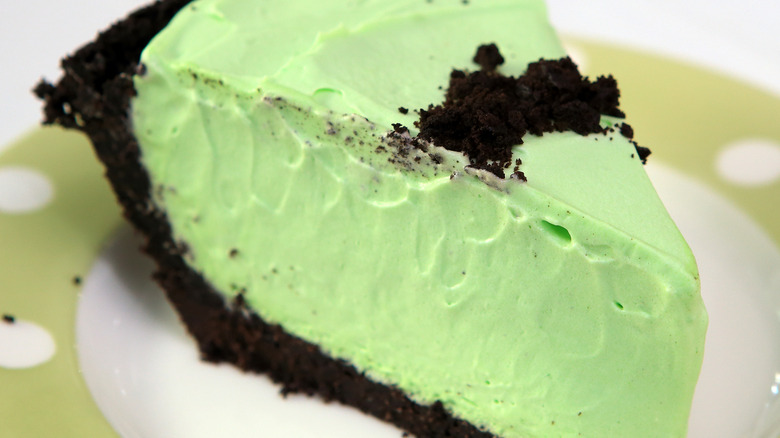
This vibrant no-bake dessert is another much-missed treat from the boomer era. Grasshopper pie boasts a boozy, creamy, mint-flavored filling and a buttery, crushed-chocolate-cookie base. Rich yet refreshing, this pie was a breeze to whip up, and its striking green hue made it an excellent choice for serving to guests. The origins of this dessert are a little clouded, but it's thought to date back to the late 1950s. By the '60s, it had truly taken off, and the pie's bold presentation fitted in seamlessly with the colorful vibe of the decade.
Much like its namesake, the grasshopper cocktail, the dessert got its distinct alcoholic kick from a combination of creme de menthe and white creme de cacao (mint- and white chocolate-flavored liqueurs). These were stirred into the melted marshmallow fluff base with a few drops of green food coloring, before whipped cream was folded in. Piled atop the chocolatey crust, the filling could simply be left to set in the fridge until the pie was firm enough to slice.
Many boomers have held on to their mother's or grandmother's recipes for this beloved pie, and still make the effort to recreate it whenever nostalgia strikes. You probably won't find it in a bougie modern-day bakery, but a homemade grasshopper pie is still guaranteed to deliver plenty of indulgence, charm, and moreish minty sweetness.
Jell-O 1-2-3
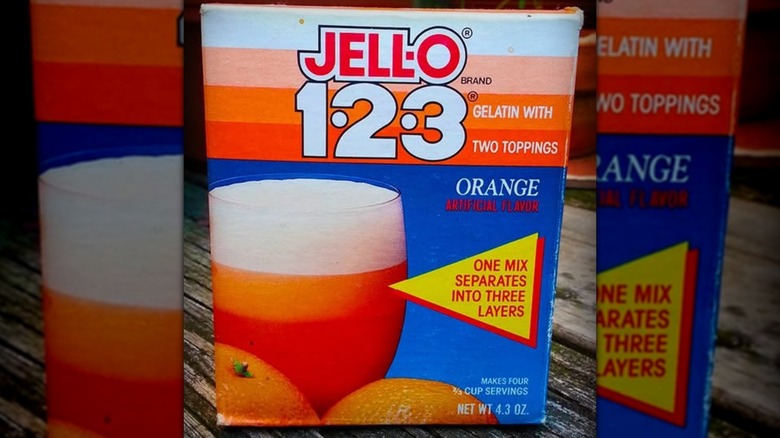
Who remembers this iconic store-bought dessert of the 1970s? Jell-O 1-2-3 was convenience food at its finest, comprised of fruit-flavored, powdered gelatin mix that, as if by magic, transformed into an impressive layered dessert when blended with water and chilled. This low-effort treat came in various flavors, including strawberry, orange, and lime, each sporting its own distinct shade. But, every version followed the same formula. The bottom layer was fruity and jelly-like, while the middle section boasted a creamier consistency, and the topping was delightfully fluffy.
Sadly, Jell-O 1-2-3 was discontinued in 1996, but boomers haven't forgotten its charm. In fact, a quick browse online will bring up countless copycat recipes that capture the fuss-free approach and layered look perfectly. You can easily make your own Jell-O 1-2-3-inspired dessert by dissolving flavored gelatin in hot water, then stirring in some thawed Cool Whip. Once portioned into glasses and chilled in the fridge, the mixture will naturally separate into three layers, just like the original version.
Strawberry shortcake
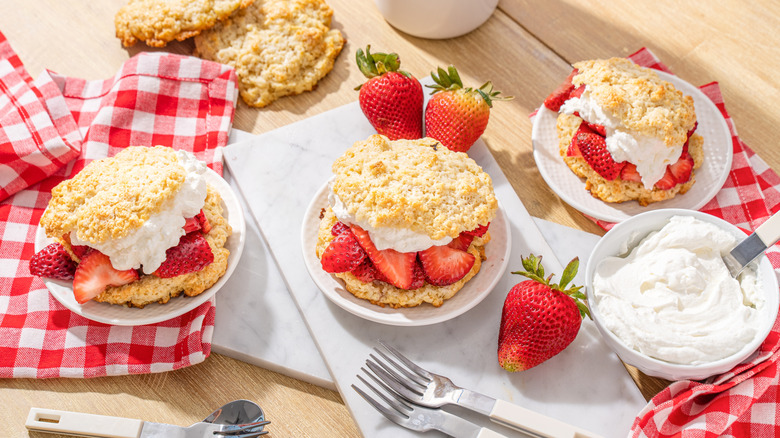
Made with buttery, crumbly biscuits, sweet macerated strawberries, and fluffy whipped cream, the strawberry shortcake was once the ultimate summer dessert. It's a treat that's held dear by those who grew up in the 1960s, when the creamy, fruit-stuffed rounds were the star of many a warm-weather gathering.
This dessert rose to fame after appearing in "The Carolina Housewife," an 1845 cookbook by Sarah Rutledge. It was particularly popular in regions that held annual strawberry festivals, such as Ohio and Kentucky, and strawberry shortcake fast became associated with the summer season. The hype continued well into the 20th century, with the rise of canned whipped cream and store-bought cakes making the dessert even easier to whip up.
While old-fashioned strawberry shortcake is traditionally made with biscuit dough, modern-day versions often veer away from the classic method. Some recipes swap in a lighter batter to create a softer crumb (think pound cake or angel food cake). You can also add extra flavor to the strawberry layer with the addition of alcohol like cognac or amaretto, or by tossing the fruit with a dash of vanilla or almond extract. As for the cream, this can easily be elevated with a pinch of citrus zest or combined with mascarpone or cream cheese for an even silkier finish.
Baked Alaska
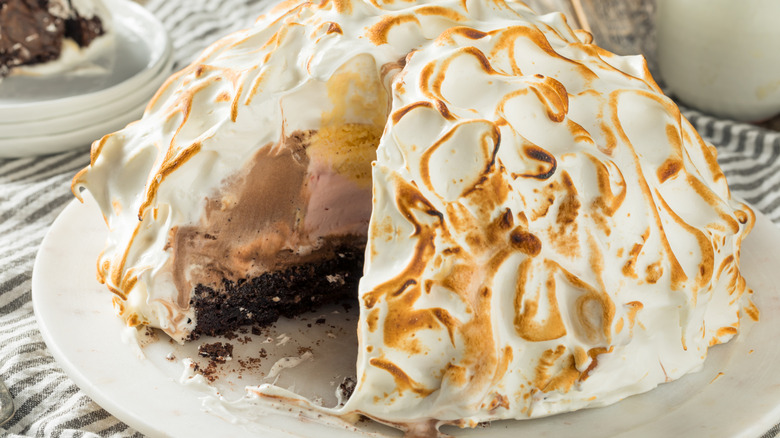
A true mid-century entertaining masterpiece, baked Alaska packs some serious style. This dessert comes encased in a golden meringue shell, which is often flambeed at the table before serving to amp up the drama. Inside, there are layers of sponge cake and ice cream, all insulated by the crispy, chewy exterior, which prevents the frozen center from melting. In the 1960s and '70s, baked Alaska was the ultimate dinner party centerpiece. Boomers will likely remember it as a special occasion treat that was hauled out when parents were keen to impress friends and family.
Baked Alaska has its origins in late 19th-century New York, where it was created to celebrate America's acquisition of Alaska. The dessert's unique prep method and elaborate presentation kept it firmly in the spotlight throughout much of the 20th century, before it gradually slipped out of favor as home entertaining became a little more relaxed. But if you're looking to bring a touch of theater to your dinner, you can always rely on this old favorite.