

5 Easy Ways Beginners Can Identify Quality Tequila
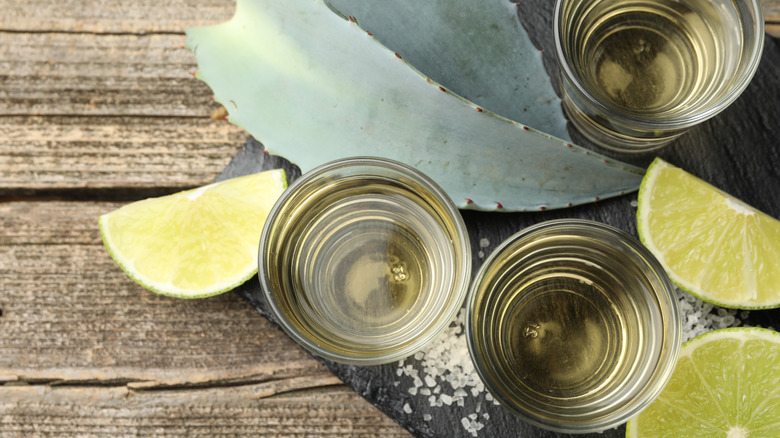
There's a whole world of tequila out there, and sometimes separating the good stuff from the jet fuel can be trickier than you might think. Whether due to big brand smoke and mirrors or subtle corner-cutting, sadly, not all tequilas are created equal. The good news is that you don't actually need to be an expert to identify quality tequila; you just need to know what to look for. In some cases, this also means knowing what to smell, taste, and even feel for.
After years of working in the spirits industry, whether behind the bar, between the aisles, on the road, in the tasting room, or on the seas, I've learned the value of separating spirits made with love and intention from the cheap impostors. One of my favorite rabbit holes to draw unsuspecting Alices into is the tequila tunnel. To the uninitiated, it's a party in a bottle, but scratch the surface even a little, and quality tequila becomes a world unto itself.
Let's ignore price, which can feel like the most obvious indicator of quality, but might be just as deceptive as any other aspect. Forget lavish bottles and gimmicky packaging. Tequila labeling is regulated, and production is also strict, meaning that there are concrete ways to tell what's authentic, well-made, and worth your time and money.
Regulatory green flags
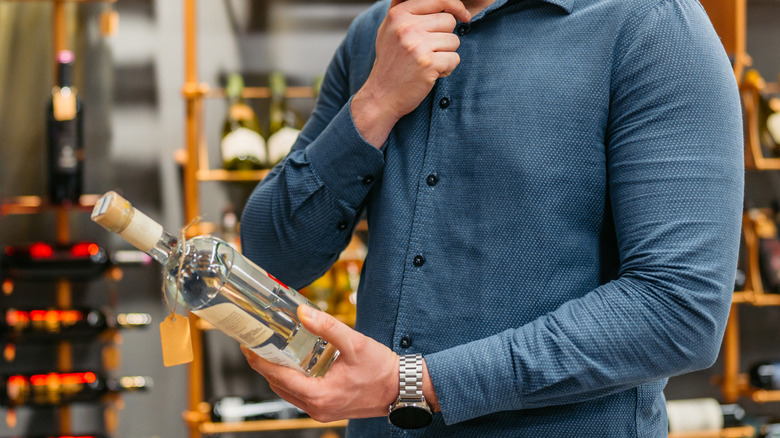
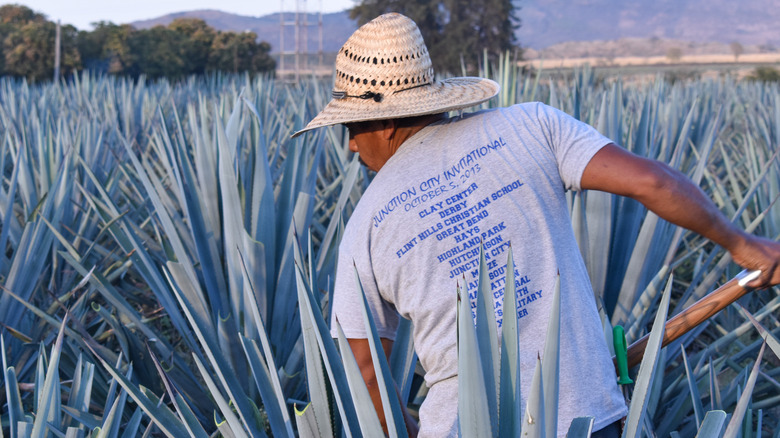
The first, and arguably most important, sign of quality is that it's made from 100% blue Weber agave. This is a Tequila Regulatory Council (Consejo Regulador del Tequila) requirement for classification. There is one type of tequila labeled "mixto," meaning mixed, which can contain up to 49% non–blue agave spirit. This means it may include sugar, flavoring, coloring, or other additives that can mask a lower-quality tequila. Even tequilas labeled "100% blue agave" may still contain up to 1% additives such as glycerin, caramel, jarabe syrup, or oak extract to adjust texture, flavor, or color.
Another clue when trying to pick a quality bottle of tequila is the NOM (Norma Oficial Mexicana) number found on the label. This code shows that the tequila was made according to official regulatory standards. It also provides information about agave type, fermentation, cooking, and extraction methods, all of which influence the final quality. The NOM also connects the tequila back to its producer, meaning if this is a fake small label made by a big producer, you can catch this trick.
What to look for on the label
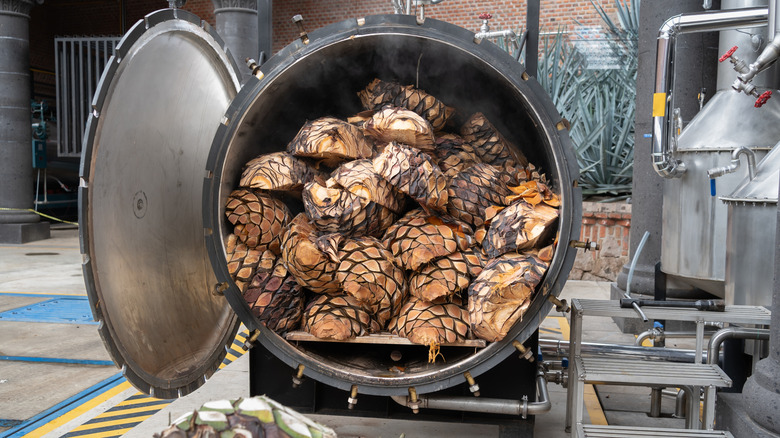
The first aspect of tequila to zoom in on when assessing its quality is reading what's on the label. Aside from labeling regulations, other key production details on the bottle can indicate higher-quality production. These may appear in the description or elsewhere on the label, but it helps to look for details about the agave's age and how it was cooked, milled, or distilled. Many of these stages use industrial methods designed for large-scale production, but some also rely on more traditional, hands-on techniques, which can signal a product made with care, expertise, and intention.
Agaves that have been growing for five or more years produce a higher quality of tequila, so details of the agave's age can be important to look out for. Brick ovens or autoclaves are a slower, more established, and respected approach to steaming or cooking the agaves (a process called hydrolysis). This can be a sign of more hands-on production that yields better results, rather than using acid or enzyme diffusers to create the fermentable sugars more quickly.
Traditional crushing or milling, such as using a stone roller called a Tahona, is another sign that you're looking at a craft product. Roller mills are also common, but where tequila makers only rely on diffusion to break down the plant, you may find a sub-par spirit. Mention of using copper pot distillation is a green flag, while column-stills used for continuous mass-distillation could be an orange or even red flag.
How good tequila should smell and taste
Imagine someone hands you a small glass of tequila. Without the label to guide you, how can you tell if what's in the glass is any good? A sniff and a sip can reveal the most important clues. After all, isn't the point for it to taste and smell enjoyable?
The best way to enjoy higher-quality tequila is to sip it neat. This can also help to hone in on the characteristics of the spirit that can wave those green flags. A quality tequila usually has clear, discernible, fresh agave notes. Common descriptors are green pepper, citrus, or peppery flavors and aromas that are bright and distinctive. If it's an aged tequila like a reposado or añejo, you might encounter satisfying oak-derived notes like vanilla, caramel, or cooking spice. Make sure to sniff the spirit with enough fresh air in the mix by keeping your nose an inch or two away from the rim of the glass — you're not trying to singe your nostril hairs.
If you find straight spirits to be too harsh, you can also try adding a few millilitres of water or refreshing your palate with a crisp lager in between sips of tequila. And if it reminds you too much of hand sanitizer, tastes fiery, or overly alcohol-forward, that's a sign that you might have a low-quality tequila.
Physical signs of high quality
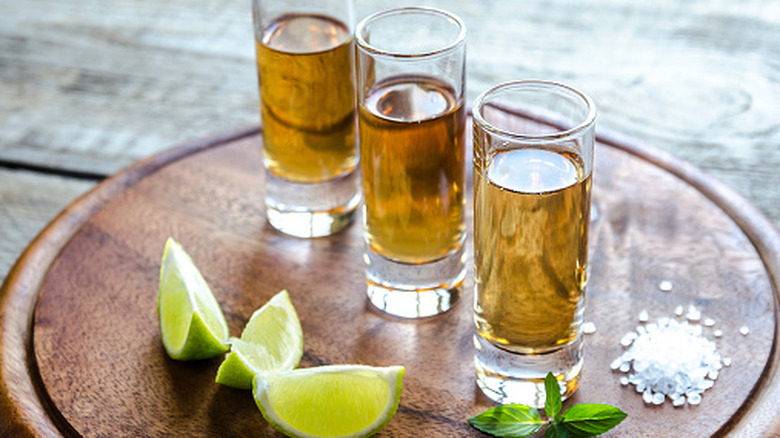
It's nearly impossible to look at tequila in a glass and know if it's high quality, especially with shortcuts like glycerin added for viscosity or caramel for color. But by triangulating what we taste and smell with what we see, we can use appearance to help validate our other senses.
If it's an aged reposado or "rested" tequila, which has spent a minimum of two months in contact with oak, you should see a light straw-colored tint to the spirit. Longer time in barrel, such as the year required for añejo or "aged" (three years for extra añejo), gives tequila increasingly darker tones, drifting into richer amber or golden brown hues akin to whiskey or rum.
Using what we know about how these longer-aged tequilas begin to taste and smell after time in barrels, picking up oaky notes like vanilla, cooking spice, or caramel, we can compare this to how the tequila looks. If you taste these without any colour, there may be some flavoring at play. If the tequila has plenty of color but none of these notes, there may be deceptive coloring afoot by way of added caramel, which tints the spirit but has little to no flavor. These ill-begotten characteristics are often a trademark of a dressed-up yet lower-quality tequila.
How to feel for quality
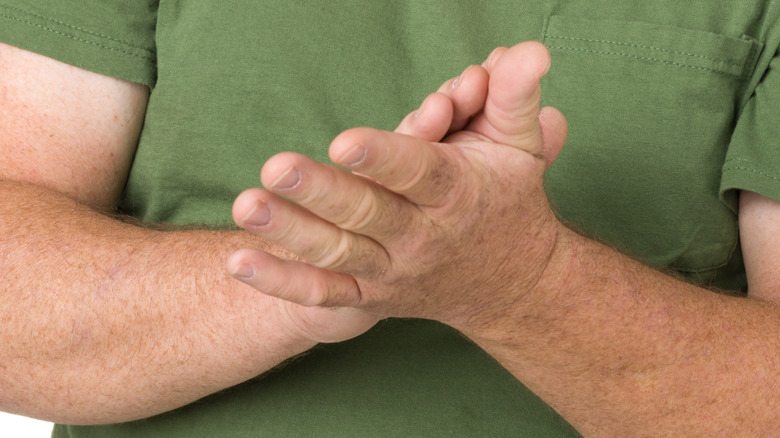
The final test for scrutinizing tequila is more tactile. Many of the other investigations we've discussed for telling a higher-quality tequila from a cheaper imposter involve determining whether or not the makers have used additive shortcuts to approximate the qualities usually achieved through time-consuming practices of cooking, extraction, distillation, or aging. What you may or may not know is that there is a hands-on way of checking if your tequila contains additives, although it might make you seem a bit strange to your party guests.
Get a small amount of tequila on your hands and rub them together for a few seconds — just long enough for the alcohol to evaporate — and take note of how your hands feel. If they dry out and remain smooth, you've got a high-quality tequila on your hands (literally). If they get sticky or feel like you've just touched a syrup bottle, that's likely residual added sugar, caramel, or flavoring.