

What Actually Makes A Beer Seem Overpriced, According To An Expert

There are dozens of types of beer and hundreds of brands producing them. Beer prices vary widely, even for the same brand, depending on where you buy it. We consulted Nick Meyer, owner of Eckhart Beer Co., to explain what actually makes a beer seem overpriced.
"It's difficult to say whether a beer is overpriced or underpriced, particularly given how much the price of the same beer can vary depending on where you buy it," says Meyer. "Why is it $4 at your local dive bar and $16 at the ballpark?"
The establishment selling the beer sets prices based on its own overhead costs. A ballpark employs thousands of vendors and costs much more to operate than a dive bar. Plus, a ballpark is only open a limited number of days each year and for just a handful of hours at a time, whereas a dive bar is open year-round and expects customers to buy multiple beers throughout the night. Consequently, dive bars can charge less and often offer specials to draw customers in and keep them coming back.
Likewise, says Meyer, "what they [people] are willing to pay depends on a lot of factors." If you're at a ball game, it doesn't make sense to leave the stadium to buy a six-pack in the middle of the game, so beer lovers justify the inflated price to enjoy a beer while watching the game.
Why are certain beer brands more expensive than others?
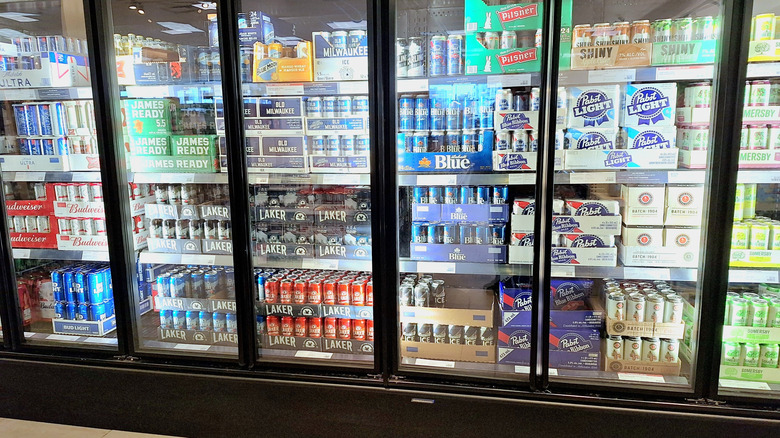
The business models, operating costs, and captive audiences behind different establishments help explain why the same beer brand can cost significantly more at one venue than another. But what about why certain beer brands are more expensive than others? According to Meyer, many of the same economic factors come into play.
"Small, independent craft brewers don't have the advantage of scale that the big brewers have, so they just have to charge more in order to survive," he says. While larger breweries produce beer on a massive scale, craft breweries typically make beer in smaller batches. Additionally, many popular large-scale beer brands use cheaper ingredients, whereas craft breweries often prioritize higher-quality ones. Major beer companies also benefit from more efficient and cost-effective packaging, processing, and shipping systems, while smaller breweries spend far more to distribute a much smaller supply.
"If a consumer places a value on that small brewer staying around, they will have to factor that into their choices," says Meyer. A high-quality beer from an independent brewery may carry more value for consumers, making it feel less overpriced and more like a worthwhile expense.
That said, even famously affordable beer brands like Budweiser and Coors Light have seen price increases that now place some products on par with premium beer brands. If you're looking for the best beer deals, check out our list of the 10 best six-packs under $10.