

The Best Ways To Reuse Old Cabinets And Add More Space To Your Kitchen
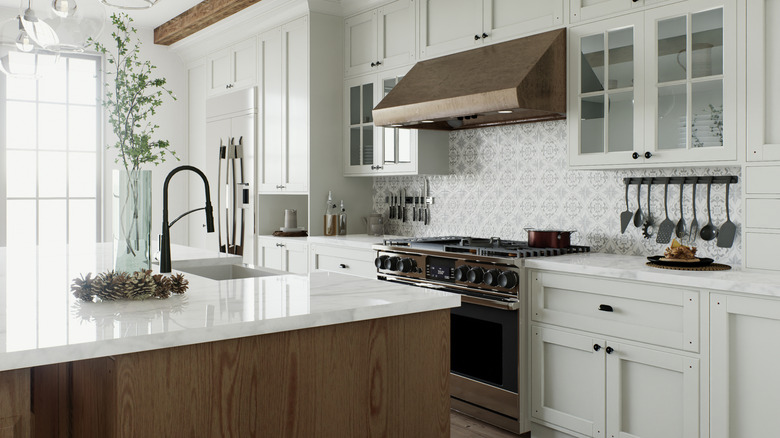
Whether you want to increase the resale value of your home or are simply desiring a fresh look, the kitchen is an excellent room to start with for renovations. Years of wear and tear may make you want to switch out old cabinets for something new, but that doesn't mean you need to toss them forever — they could be the key to a more spacious kitchen.
When revamping your kitchen, interior designer Kerrie Kelly told Tasting Table that old cabinets can be a great foundation for other purposes. While the cabinets may no longer function in their original form, the CEO and creative director of Kerrie Kelly Studio and 2026 National Kitchen and Bath Association Chair said that, if they're good quality, they can last for years as something else.
"Repurposing kitchen cabinetry into storage benches can be a wonderful way to extend the life of quality materials while adding character and function to a home," said Kelly. However, for sturdy storage benches that create space even beyond the kitchen, you're going to need a particular type of cabinet: a base cabinet.
"Base cabinets are often ideal because they already provide structural support and built-in storage, making them a natural foundation for mudrooms, entry benches, laundry rooms, or even window seating," explained Kelly. With a little DIY magic, you can easily repurpose kitchen cabinets into stylish custom storage.
What cabinet material works best as storage?
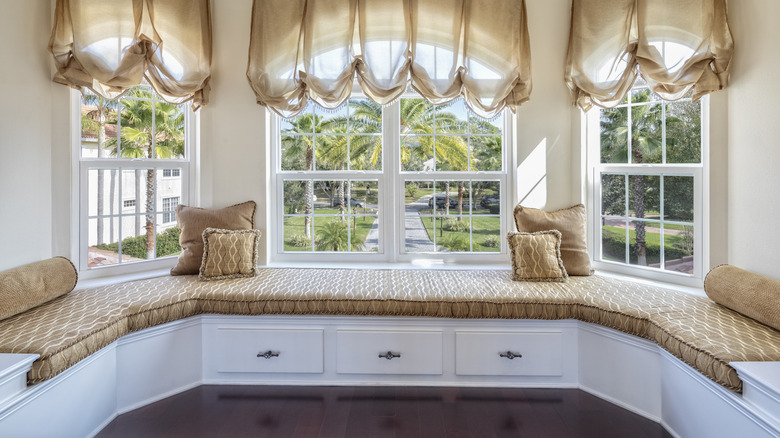
Although the cabinets may no longer work as they were created, you'll still want them to last as long as possible in their new role. Kerrie Kelly recommended using well-made cabinets that can tolerate the DIY project. "Solid wood cabinetry and well-constructed plywood boxes tend to adapt best because they can withstand modification and refinishing over time," she said. If you've gone for a minimalist kitchen, Kelly said the cabinets can easily be used for storage in the kitchen or elsewhere. "Simpler door styles also transition more seamlessly into furniture-style applications."
Before you take a drill to the cabinets, you need to make sure they haven't deteriorated past the point of recycling. "I would be more cautious with heavily damaged particle board cabinetry or thermofoil products, particularly if they've been exposed to moisture, as durability becomes a concern," advised Kelly. Keeping in mind the types of wood kitchen cabinets you should never paint, you can be creative with the ways you can change the facade to match the aesthetic of its new home.
"A fresh coat of paint, updated hardware, or a new countertop can completely transform the look while reducing waste and preserving materials that still have life left in them." Recycling outdated furniture into something new is a noble pursuit — but Kelly stressed that if the cabinets simply don't fit into the vision for your home, there's no need to force it. "The most successful spaces balance sustainability with long-term functionality."