

This One-Pan Breakfast Of The Great Depression Was Cheap, Resourceful, And Filling
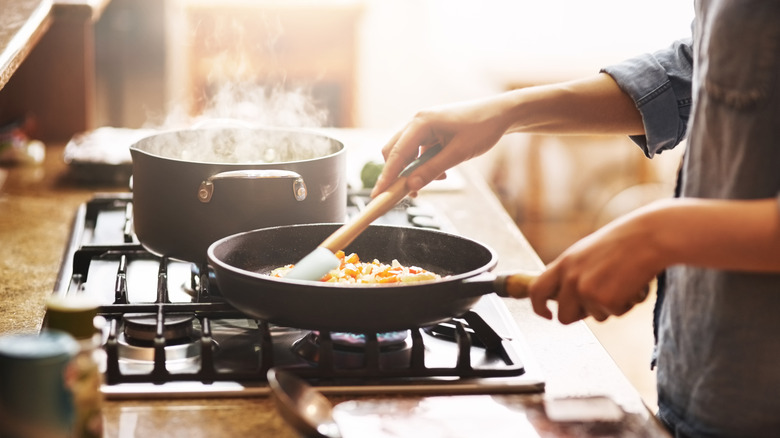
Many decades have passed since the Great Depression, but with the economy still uncertain, Depression-era meals are becoming popular again with budget-conscious cooks. During the economic hardship of the 1930s, households had to pinch every penny, making the best of each ingredient in their pantry. Getting adequate nutrition was the top priority, even if some food combos of the time seem odd to us in the light of modern-day. But there's one particular Depression breakfast that wasn't all that different from what we're eating today — the Homestead Breakfast was made with eggs, bacon, and potatoes, all beloved morning staples even now.
It's a vintage one-pan meal that honestly deserves a comeback. To make it, first fry bacon until perfectly crispy. Then, add onions and pre-boiled chopped potatoes and roast them until golden brown. The final step is to whisk the eggs with milk, salt, and pepper before pouring them into the pan over the existing ingredients and stirring until they reach the desired level of doneness. Nowadays, Americans still often start their days with bacon and eggs, though the side of potatoes usually comes in the form of crispy hash browns.
Homestead Breakfast made the best of a cheap Depression staple
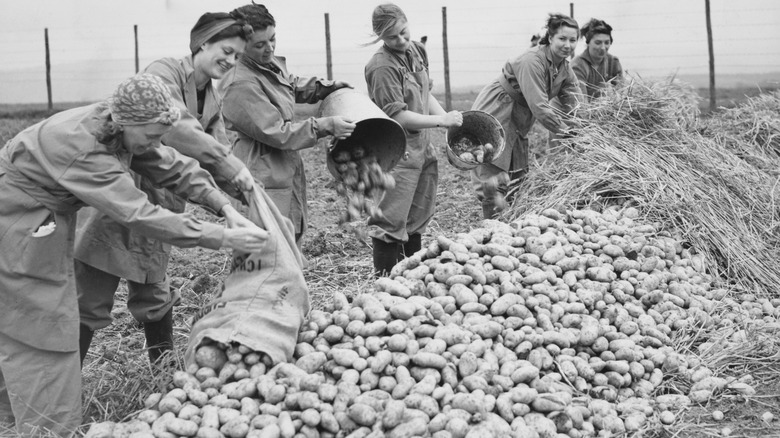
During the Great Depression, unemployment was at a record high, with many families struggling to afford food. Simple foods like the two-ingredient Depression sandwich made with two slices of bread and a bit of butter were not unusual for the time. Meals had to be scraped together from what was available or affordable, which predominantly meant starches such as rice and flour. One filling, starchy vegetable that became a lifeline for many households struggling in the 1930s was the trusty potato.
Animal protein was in shorter supply, so potatoes were often added to meals to make them more filling and plentiful. They were a welcome sight on the breakfast table, even beyond the hearty Homestead Breakfast. Leftover mashed potatoes could be whisked together with an egg to make pan-fried patties, or mixed with flour and baked into scones.
Another potato-forward gem of the era was potato soup, a common choice for lunch or dinner. It was easy to make, called for very few additional ingredients (most of them optional), and could feed a lot of hungry mouths at once. Beyond sustenance, this soup was genuinely delicious, so it's no wonder that it remains among the popular Great Depression foods people still eat today.