

What Does Kroger Do With Its Unsold Food?
It's almost impossible for any grocery store to sell every single piece of perishable food before it goes bad. Fresh produce, meat, poultry, fish, bakery items, and even frozen food may spoil before they can be bought by customers, potentially resulting in tons of food items ending up in dumpsters and landfills. Luckily, Kroger has a different method for handling its unsold food.
Kroger is one of a handful of U.S. grocery chains that regularly donates its unsold food. Its Zero Hunger | Zero Waste Foundation is a nonprofit public charity with the goal of diverting surplus food to local hunger relief agencies in each community in which it operates its stores. The endeavor, which was instituted in 2017, is responsible for donating 3.9 billion meals and 815 million pounds of surplus fresh food during that time. The foundation's goals are to feed communities and reduce food waste. Kroger also collaborates with the Farmlink Project, WWF, No Kid Hungry, and Feeding America to support each other's missions.
Customers can also donate directly to the Zero Hunger | Zero Waste fund, either via its website or at the register while checking out. The Foundation has directed over $70 million to national and local food charities as well as organizations dedicated to ending hunger and food waste. This includes nonprofits, entrepreneurs, and other activists who are looking for solutions for improving food insecurity in their communities and creating a more equitable food system nationwide.
In some regions, Kroger has partnered with Flashfood to further reduce food waste
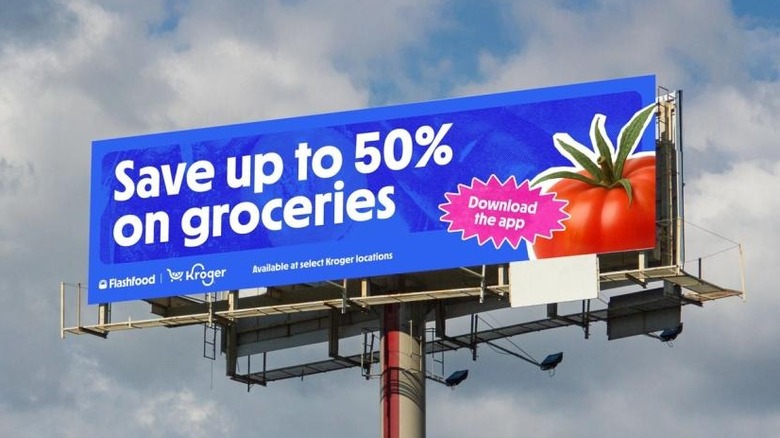
One way to save money on groceries at Kroger is to use the Flashfood app. In 2025, the two companies announced a regional rollout of Flashfood storage units in 16 Richmond, Virginia Kroger stores. Produce, baked goods, meat, and dairy items that might otherwise be sent to a landfill were instead available for customers to purchase at a discount through the Flashfood smartphone app. They could then pick up their orders inside Kroger stores. Kroger successfully redistributed 350,000 pounds of food through this collaboration.
Because the pilot program was so successful, the partnership between the two companies is now evolving. On April 8, 2026, Kroger and Flashfood announced that the program would expand to over 100 retail locations throughout Virginia, West Virginia, Ohio, and Kentucky. Flashfood will also offer virtual nutrition classes to Kroger shoppers for free in the future. Kroger isn't the only grocery store participating, either. As of 2026, Flashfood is available in over 2,000 locations across the U.S.
While household food waste may total hundreds of dollars each month, around 74 million tons of surplus food is unsold by grocery stores each year. If you're trying to allay worries about rising grocery costs, using the Flashfood app could help you rescue perishable items from stores and save money on groceries at the same time.