

13 Underrated Red Wines Worth Trying In 2026
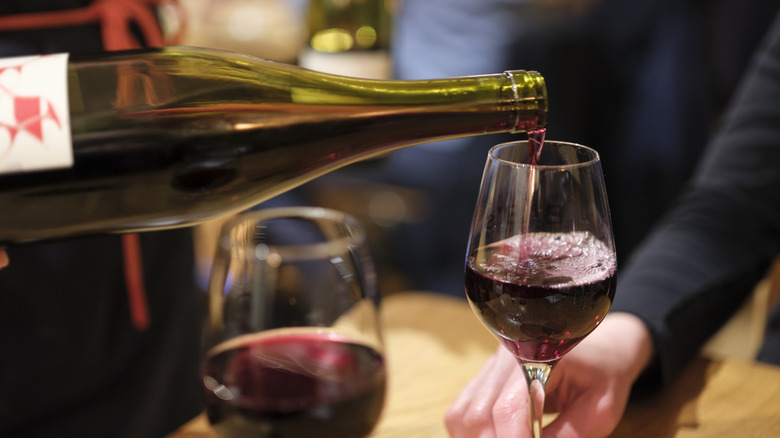
Whether you always pick red wine over white or choose it for specific pairings, it's an iconic category no matter how you look at it. And while iconic red wines are heavily discussed and splashed across wine columns, menus, and store shelves, lesser-known selections are still excellent for every occasion. As trends continue to evolve in 2026, consumers are interested in seeking out wines from unfamiliar regions, with sustainable farming among the key priorities. Additionally, lower alcohol options are increasingly desired, as well as chillable reds that are lighter on the palate.
Since enough has been said about overrated wines, let's take a closer look at some underrated red wines. As a certified specialist of wine who has worked harvests in several countries and explored wine regions in many more, I'll share my recommendations to help guide your experimentation. Some come from vineyards in less famous wine regions, while others are made with varieties that aren't as common. I've included styles to suit a range of pairing needs, making it easy to find something that will please. Although these bottles may be underrated, they're definitely worth trying in 2026.
Gianni Gagliardo - Langhe Nebbiolo DOC DaBatiè
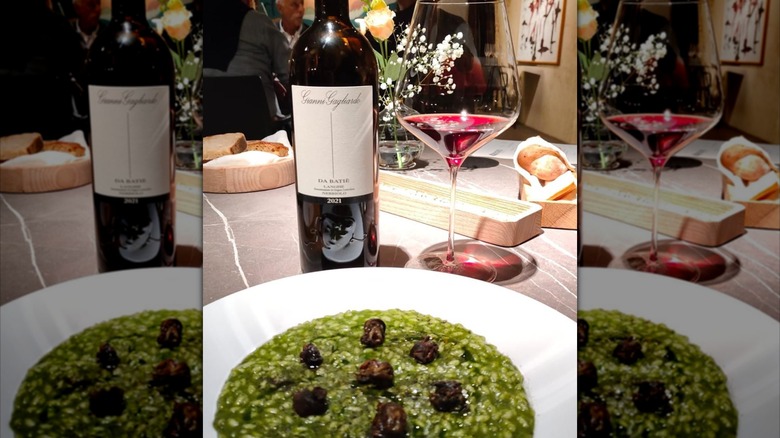
Barolo and Barbaresco definitely come to mind when thinking about popular red wines, but if you want to try a nebbiolo wine on the other end of the pendulum, look to Langhe. The Langhe appellation is also located in Piedmont in Northern Italy, and in fact, it encompasses Barolo, Barbaresco, and several other smaller appellations within it. For value without compromising on quality, Langhe DOC is an excellent choice for nebbiolo that is far too often overlooked due to its revered neighbors.
Gianni Gagliardo's Langhe Nebbiolo DOC DaBatiè is a stellar example to try in 2026. The winery's vineyards have been farmed for almost two centuries, passing from the Colla family to Gianni Gagliardo over the years. With a focus on preserving tradition and discovering how modern techniques can showcase the nuances of the land, the wines shine a light on the Piedmont terroir.
This particular bottle is made with nebbiolo grapes hand-harvested from chalky soils in the Roero area. To maintain freshness and pure varietal character, the wine is matured for a short period in stainless steel tanks before being bottled. Notes of ripe red fruit, like cherry and strawberry, and hints of cinnamon spice linger on the silky palate, which beckons for one more sip. Pair this savory red with bold pasta dishes or red meat.
Karas - Grand Karas
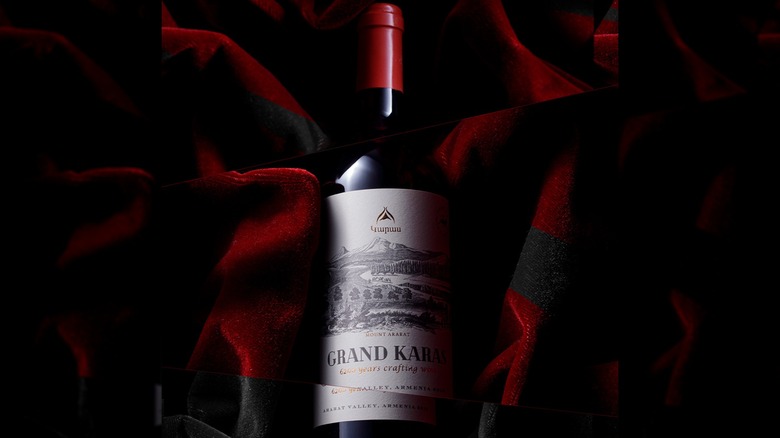
Armenia may be at the heart of ancient wine production, but it remains heavily underrated for its modern wines. The country is home to numerous indigenous grape varieties, offering diversity and novelty that is hard to rival. With optimal soils and plenty of high-altitude vineyards that help retain freshness while slowly ripening the fruit, Armenia is a top spot to source intriguing wines. The Armenian family that founded Karas Wines is dedicated to sharing Armenia's true viticultural expression with the rest of the world through their quality wines.
Grand Karas is the winery's signature bottle, made with premium syrah, cabernet franc, and montepulciano grapes from each harvest. The fruit is grown in the Ararat Valley, which lies in the foothills of Mount Ararat, a dormant volcano that lends character to the terroir. Notably, the soils are volcanic, and the climate is continental and semi-arid. This helps the vines ripen slowly throughout the growing season, maintaining acidity and aroma.
The grapes are hand-harvested and fermented in stainless steel tanks before being transferred to a mix of French and Armenian oak barrels for 14 months, before spending a year aging in the bottle. The result is bold and structured, boasting notes of blackberries, dark cherries, and spice, along with hints of vanilla and toast from the barrel aging. The wine is smooth and full-bodied, making it a solid match for grilled or stewed meats.
Taboadella Villae - Red
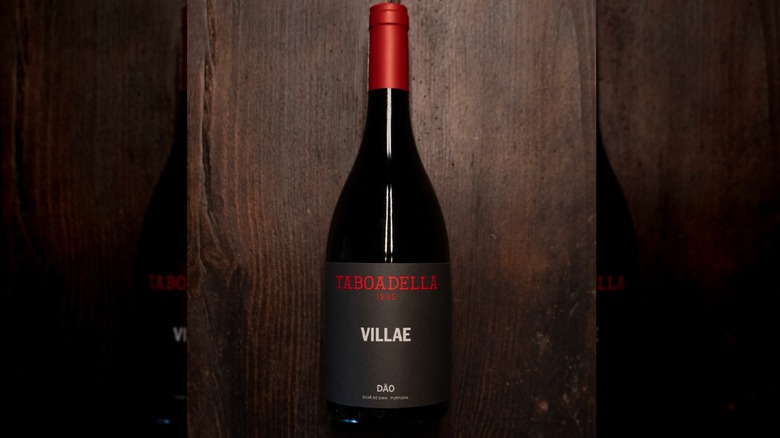
Consumers are finally waking up to the wonders of Portuguese wine, and 2026 is the perfect time to do your own deep dive. Though relatively small, Portugal is home to a wide range of landscapes that are suitable for grape-growing, resulting in countless microclimates and native grapes. In particular, the Dão region is home to a unique terroir, thanks to the surrounding mountains that moderate coastal breezes and high heat. With around 50 native varieties vinified into top-quality wines, there's a lot that's underrated about this historic region, sometimes referred to as the Burgundy of Portugal.
Taboadella is a family-run winery that produces wines in the Douro Valley and Dão, promoting indigenous grapes and highlighting them in specific vineyard plots. Taboadella Villae Red is made with fruit grown in high-altitude vineyards with granite soils, which imbue a mineral expression to the wines. The red blend consists of tinta roriz, jaen, alfrocheiro, and tinta pinheira grapes that are hand-harvested, then fermented and aged in a combination of stainless steel and concrete tanks. The resulting wine is rich in ripe red fruit aromas with a bright acidity that's juicy on the palate, with silky tannins and a nuanced complexity. Enjoy it with grilled meat dishes, Mediterranean-inspired recipes, or even a simple charcuterie board.
Le Vigne - Estate Cabernet Franc
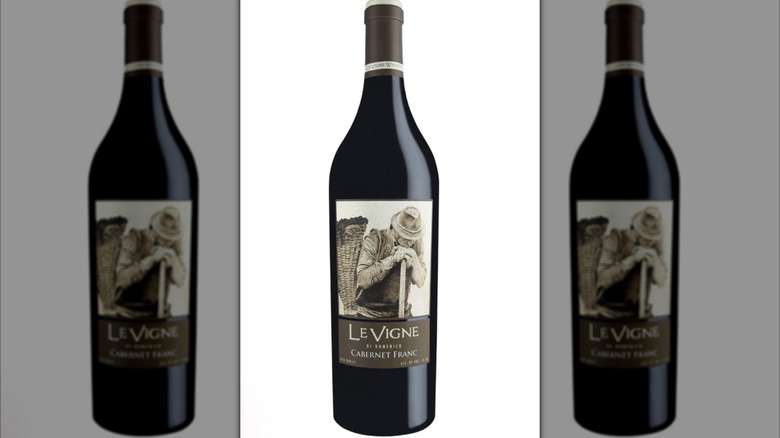
California is well known for its premium cabernet sauvignon wines, but the state's vineyards have plenty more to offer. The range is varied, but for something in the same family as the tried-and-true classic, cabernet franc is an excellent choice to explore. It's actually the parent grape of popular varieties like cabernet sauvignon and merlot. At Le Vigne Winery in Paso Robles, you'll find the usual suspects like cabernet sauvignon and merlot, alongside Italian varieties like primitivo, nero d'Avola, and sangiovese, among others, and of course, cabernet franc. The winery has been in operation since the early '80s, making it one of the oldest estate wineries in the region.
The Estate Cabernet Franc is produced with fruit from the winery's Domenico Vineyard, which benefits from a large temperature difference between night and day, retaining freshness and acidity while allowing the fruit to fully ripen. It's aged for 19 months partly in new French and American oak to add structure and depth. The wine boasts notes of currant, plum, and tart cherry, balancing a rich profile with a bright acidity. Hints of black pepper and tarragon add complexity to the palate, which is smooth with velvety tannins. Enjoy it with grilled meats, bold cheeses, or saucy dishes.
Concha y Toro - Viña Amelia Pinot Noir
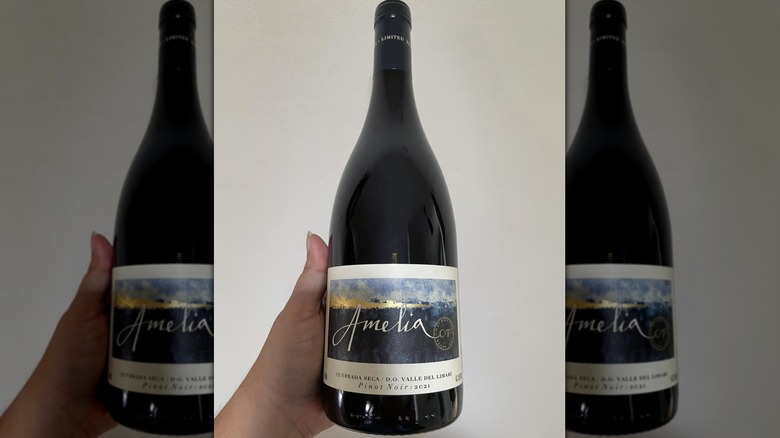
Chile's influence in the South American wine landscape is evident, and it offers a wide range of styles thanks to the diversity of its terrain. While it's long been known for its carmenère and cabernet sauvignon wines, there's more to it if you start to explore the options. Chile is increasingly being recognized for its cool-climate vineyards, too, which benefit from high elevation or coastal sea breezes to moderate the warmer temperatures. It's worth expanding your repertoire this year with a cool climate pinot noir from the Limari Valley in the northern Coquimbo region.
Concha y Toro is Chile's largest winery, with plantings across the country and outside its borders as well. While it produces wines for numerous popular brands, it also has a premium line, the Luxury Collection, which highlights specific vineyards. Amelia Pinot Noir is made with fruit grown in the Quebrada Seca vineyard in the north of the Limari Valley, which boasts clay and calcium carbonate soils. The cooler overnight temperatures are optimal for pinot noir, preserving its freshness and elegance as the fruit ripens.
The grapes are hand-harvested and fermented in stainless steel tanks, then aged in 10% new French oak barrels for a subtle hint of oak and structure. The wine displays notes of bright red cherry, cranberry, and rose hip, with hints of cinnamon and tea leaves. Pair it with a charcuterie board or mushroom dish for a balanced match.
Domaine Martin - Les Sommets de Rasteau
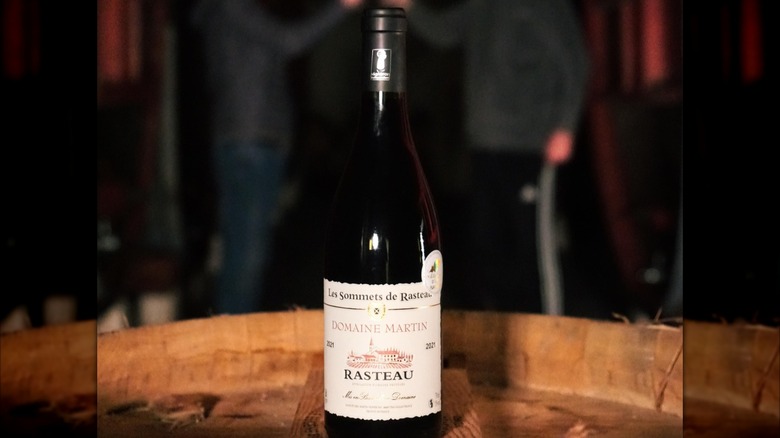
There are plenty of prestigious wines in France's Rhône Valley, but beyond the big names are plenty of smaller appellations that produce excellent, underrated wines. Rasteau is one noteworthy region located 15 miles from Châteauneuf-du-Pape in the Southern Rhône, producing wines with the same main varieties. Here, you'll find red blends composed primarily of grenache, syrah, and mourvèdre, boasting bold aromas with a rustic edge. The region is small but mighty, and it's worth discovering your favorite producers before it gets too popular.
To get a sense of Rasteau, Domaine Martin's Les Sommets de Rasteau Rouge is a great choice. The fourth-generation winery has been family-run for 120 years, showcasing different Southern Rhône appellations. The vineyards receive plenty of sunlight and heat throughout the growing season, along with cooling effects from the strong Mistral winds from the north. This interplay leads to high-alcohol fruity wines that still manage to retain freshness on the palate.
This red blend consists of grenache and syrah fermented in cement tanks, then aged in large, old oak vats for up to two years. Bold notes of black fruit like blackberry, cassis, and plums mingle with hints of licorice, warm spices, and leather. The tannins are silky in this full-bodied wine, which lingers long after the last sip. Serve Les Sommets de Rasteau with poultry, grilled meat, or stews.
Viña Morandé - VIGNO Carignan Maule
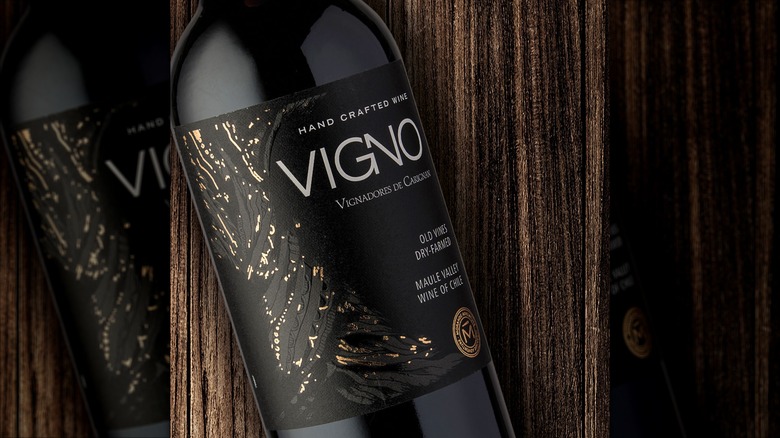
For many consumers, Chilean carignan remains an underrated choice, but with the options available on the market, it's time to dive in. Viña Morandé was founded in the late '90s and has slowly expanded its holdings across several of Chile's vineyard regions. With a strong dedication to the land as well as an openness toward innovation and novelty, the winery is well poised in the Chilean and global industry. The winery is also a member of VIGNO, an organization of winemakers working together to preserve old carignan bush vines in Chile's Maule Valley.
To highlight the variety, Morandé bottles a VIGNO carignan wine, made with just a splash of syrah grapes. The Maule Valley's infertile soils and Mediterranean climate are perfect for growing carignan. The wine is aged for two years in French oak barrels to lend structure and depth to the palate. It features sweet-tart, cherry-forward aromas, along with black plum, violet, herbs, coffee, vanilla, and chocolate. The aromas are decidedly concentrated, adding complexity to the glass. This bold wine needs a hearty match at the table, with grilled or smoked preparations pairing seamlessly.
Dalrymple Vineyards - Pinot Noir
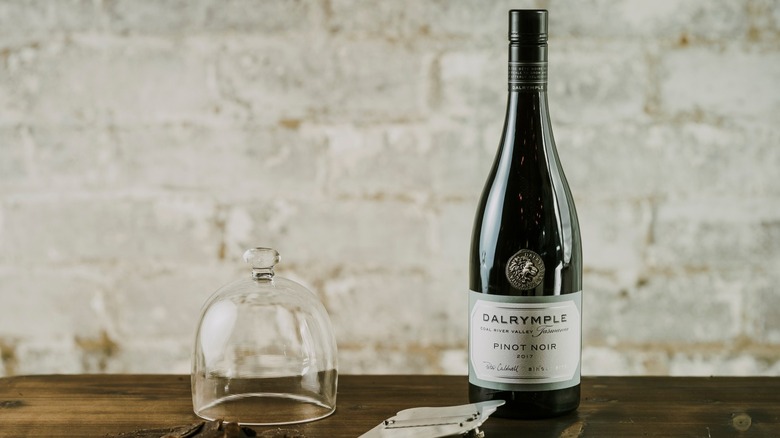
Australian wine, especially shiraz, is well recognized internationally, but for a more underrated red, look to the state of Tasmania. The island has its own microclimates that particularly favor pinot noir, which accounts for around half of the crops. With its cooler climate vineyards, Tasmania is increasingly being considered as an important source of fruit, as rising temperatures in other Australian regions make viticulture trickier. Dalrymple Vineyards was founded in the Tamar Valley at the end of the '80s, with the goal of producing single-vineyard wines that highlight Tasmania's terroir.
With multiple pinot noir bottlings in its lineup, it's easy to see why Dalrymple is an excellent choice to discover Tasmanian pinot. The winery's introductory pinot noir is made with selected fruit from a few different plots to display the nuances of the island's vineyards. The grapes are fermented with some whole bunches to enhance aroma and complexity. The wine is then aged in partly new French oak barrels for nine months to add structure and hints of oak to the palate. Bright notes of cranberry, red cherry, blackberry, and black currant mingle with herbal aromas and hints of spice. Serve this Tassie pinot with mushroom or root vegetable dishes.
Johan Vineyards - Blaufränkisch
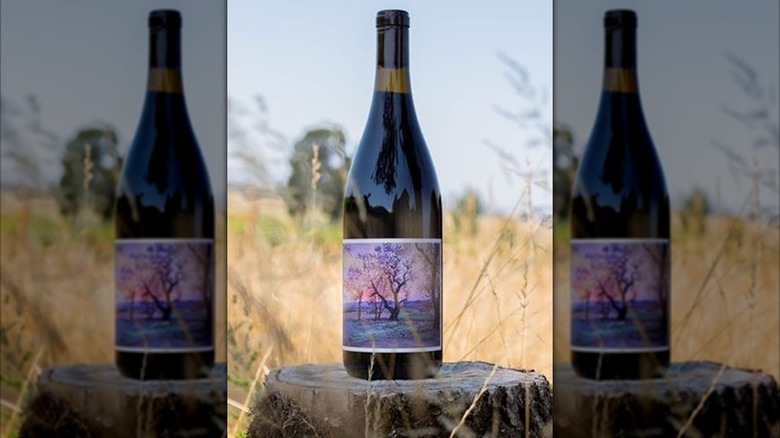
Consumer trends have leaned toward fresher styles of red wines in recent years, but that doesn't mean sacrificing complexity. Oregon's cooler climate lends itself well to lighter wines that maintain concentrated aromas. Case in point, Johan Vineyards' blaufränkisch, made with grapes grown in the Van Duzer Corridor in the Willamette Valley. The variety is found in parts of Europe and is quickly becoming popular in Oregon, where it adapts to the climate quite well.
Johan Vineyards farms various European cool-climate varieties, adding diversity to the winery's production. The winery is certified biodynamic and takes a low-intervention approach, highlighting the terroir's qualities. The blaufränkisch bottle is well respected for its depth and reflection of the local terroir. The estate grapes are fermented with native yeasts in partial whole bunches, then aged for 19 months in neutral French oak barrels.
The result boasts a balanced acidity with plenty of complexity on the palate. Red and black fruit aromas are enhanced by hints of wild herb and spice, finishing with a streak of iron minerality. Enjoy Johan Vineyards' blaufränkisch lightly chilled with a cheeseboard, charcuterie, or a meaty sandwich.
Domaine Rolet - Arbois Trousseau
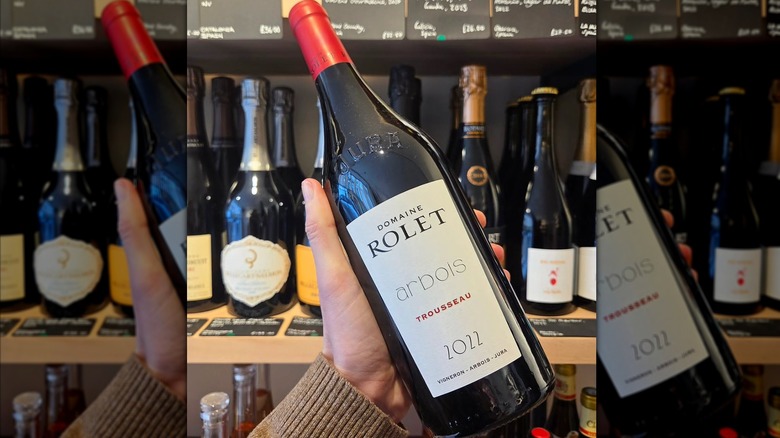
Jura in eastern France has long been a favorite of wine professionals, and with an increased interest in wines highlighting their sense of place, it's time for everyone to get a taste. Being a small region, the production volume remains low, making each bottle and discovery feel a little more special. The region is also known for its focus on low-intervention viticulture and winemaking methods, which consumers continue to prioritize.
Domaine Rolet is a family-owned winery that's been producing stellar wines from the Jura appellation since 1942. Originally owned by the Rolet family, it changed hands to the Flambert and Dupuis families in 2018, but the dedication to quality remains high. This commitment is also directed toward preserving traditional elements of the region's viticulture while integrating modern innovations.
This wine is made with trousseau grapes grown in the Arbois appellation, in vineyards rich with marl and clay soils. The grapes are hand-harvested for quality and fermented in vats with their native yeasts. Once completed, the wine is aged for nine months, half in barrels and half in tanks. This delicately colored wine features fruity notes of wild raspberry and cherry, alongside floral aromas and a subtle peppery spice. Pair it with red meat, game, sharp cheeses, or boldly seasoned vegetables.
Elena Walch - Schiava
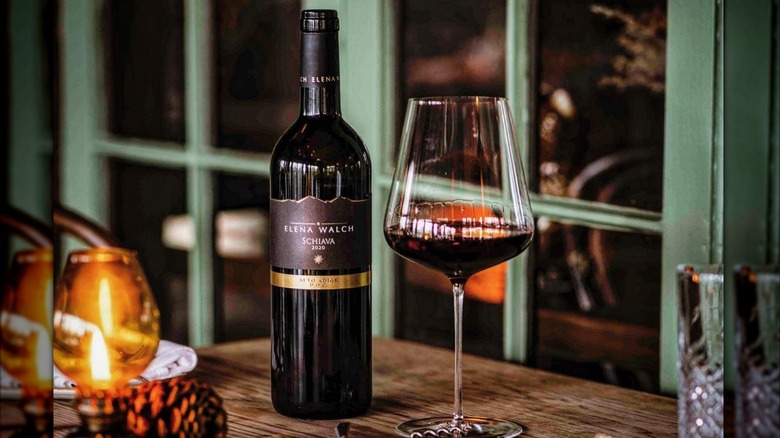
Italian wine is so widely enjoyed that you might think not much of it is underrated. But outside of higher-volume regions like Tuscany and Veneto, Alto Adige is quietly becoming an iconic source of wines in the north of the country.
With its proximity to the Alps and moderating effects of large lakes, the region is protected from temperature extremes, while benefiting from plenty of sunlight and cool nights due to the altitude. Thanks to the excellent climatic conditions, producers are unanimously dedicated to farming with sustainable practices and enhancing biodiversity, factors consumers increasingly prioritize with choosing wine. Here you'll find familiar grapes as well as indigenous varieties unique to Alto Adige.
Elena Walch is a fifth-generation family-owned winery at the forefront of quality wines in the region. With a balance between careful manual labor and modern innovation, the results speak for themselves. The winery's schiava is made with a native grape that has an elegant and fruity character. The grapes are hand-harvested and fermented in stainless steel tanks, then matured in old oak casks. Notes of cherry, strawberry, raspberry, wild herbs, and almond linger on the delicate palate. Pair it with cheese, charcuterie, or a seasonal pasta dish.
Waterkloof - Circumstance Syrah
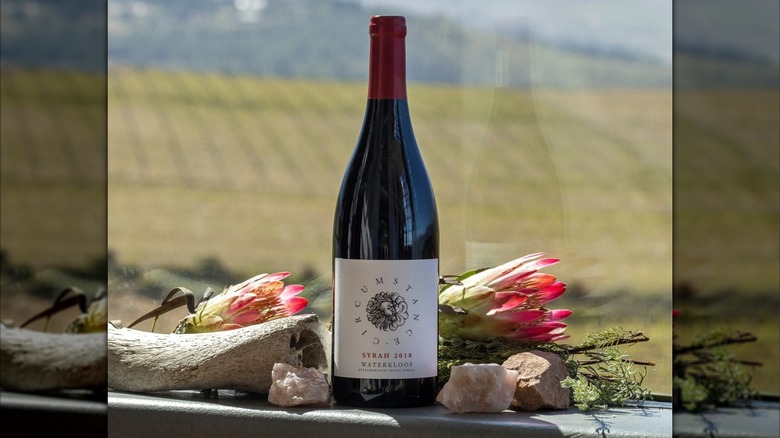
South African wine is well deserving of the spotlight, but it still tends to fly under the radar outside wine circles. The country has long been producing sustainable wines, with 95% of producers following guidelines that were first established in the late '90s. Winemakers continue to expand on these practices, demonstrating a commitment to the local terroir. Located in Stellenbosch, Waterkloof is one of many wineries with land certified as a WWF conservation champion of biodiversity, which it farms regeneratively. The vineyards experience cooling breezes from the nearby Atlantic, as well as plenty of sunlight for ripening.
Waterkloof's Circumstance Syrah is made with fruit hand-harvested from a specific plot, where strong winds and altitude help moderate high temperatures and, in turn, control yields. The grapes are fermented in whole bunches with native yeasts, then aged in large, old French oak barrels for two years before release. The wine displays concentrated aromas of blackberry, black cherry, and plum, with a kick of black pepper and a savory mineral edge. Serve it with stewed or grilled lamb for a rich match.
Planeta - Frappato
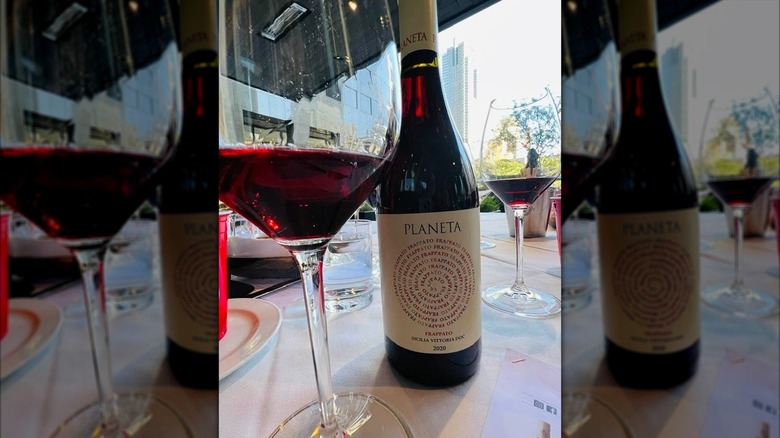
Sicily is an excellent source of sustainable wines and boasts the largest area of organic vineyards in Italy, thanks to a climate well suited to viticulture. With a variety of native red grapes and styles ranging from light to bold, consumers shouldn't sleep on Sicilian reds. Planeta Winery has an extensive history spanning five centuries and 17 generations, and it eagerly supports local agriculture and the production of top-tier wines. The winery has a rigorous sustainability program, too, ensuring that the land continues to thrive for generations.
Planeta's frappato is made in the Vittoria DOC appellation, with fruit grown in sandy vineyards close to the sea. The grapes are hand-harvested, then fermented and matured in stainless steel tanks for pure fruit character. The wine is rich in red fruit aromas, with strawberry, rosehip, and orange marmalade prominent on the palate, along with a bold note of balsamic. Enjoy it lightly chilled as an aperitif, with pizza, or with fresh vegetable recipes.
Methodology
To put together this selection of underrated red wines, I considered regions and grape varieties that are less widely known. This included regions growing unexpected varieties alongside more standard offerings. I also took into account current market trends in 2026 when finalizing the selection. All of these bottles are high-quality and made from reputable producers, but they may not be the most visible names in their respective regions.