

This Popular Herb Changes Fast In Warm Weather — Here's How To Stay Ahead Of It
We may receive a commission on purchases made from links.
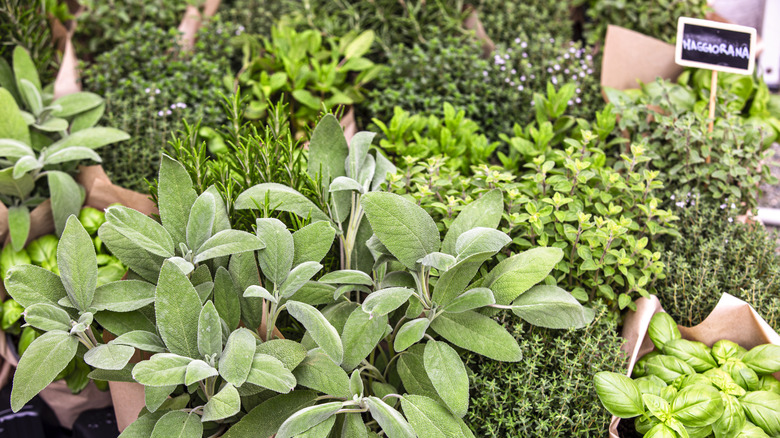
If you recently started your own at-home herb garden, you may be surprised to see how some change with the seasons. Many can transition from having healthy, vibrant leaves with rapid growth cycles to experiencing dormancy, bolting, drying out, and even dying from heat stress. One herb that is particularly vulnerable to warm weather changes is cilantro, but there are ways to stay steps ahead.
Cilantro is one of America's most popular yet controversial herbs, and it's a staple for a variety of dishes due to its bright, citrusy flavor and vibrant color. It is a cool-season herb, which means that it can be planted in the shade during early fall or spring. Though it can handle light frost, it grows best in mild climates with temperatures between 50 and 85 degrees Fahrenheit. When the weather starts to heat up, the plant will bolt. This means that it will start to grow taller stems that will flower and seed, and it will stop producing leaves. Existing leaves will develop a bitter taste, and eventually, the plant will turn brown and die.
Since there's no perfect substitute for cilantro, delaying any bolting will help you get the most out of each plant. The most effective way to do this is to start from the seed. Choose slow-bolt varieties like Back to the Roots Organic Slow Bolting Cilantro Seeds, which are only $2.98 per pack at Home Depot. You should also harvest your plant regularly, as this may stimulate further growth and slow bolting. Your plant can be harvested at any stage after growing for several weeks — just don't remove more than 30% of the plant at one time.
Other tips to extend the life of your cilantro plants
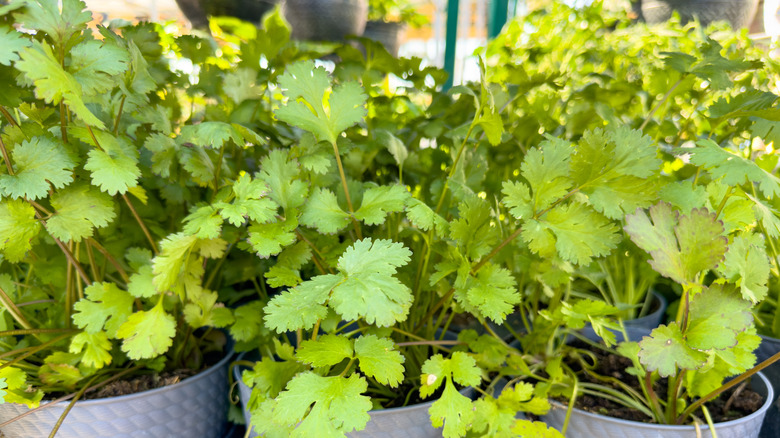
If you live in Plant Hardiness Zones 2a through 11b, the mild climate may give you a longer growing season for cilantro. You can also try starting your very own indoor herb garden so that you can grow cilantro year-round, as keeping your plant in a carefully controlled environment can ensure longevity. Because cilantro requires six hours of direct sunlight each day, you will have to use a grow lamp like this Tmsluody Full Spectrum, LED Plant Light, which you can get on Amazon for about $30. The best type of soil to use is a well-draining potting mix or a combination of compost and vermiculite. Feed your plant with a 20-20-20 fertilizer every two weeks to sustain growth. Since cilantro thrives in cool to moderate environments, if possible, keep your AC set to 75 degrees Fahrenheit or lower during the summer.
You can also create a simple, DIY hydroponic growing system for your cilantro. Start by germinating cilantro seeds by placing them on a damp paper towel in a Ziploc bag. Keep them in a warm, dark place, and after a week, you'll see seedling roots. Place them in damp soil in 2-ounce paper condiment containers, or directly into growing sponges or pods from a hydroponic growing system like the LetPot Mini, which costs roughly $50 at Walmart. Again, you'll need to feed them with plant food that's rich in nitrogen, phosphorous, and potassium like Miracle-Gro AeroGarden Liquid Plant Fertilizer. Plants also need to be kept where temperatures won't soar beyond 75 degrees Fahrenheit. Additionally, make sure they get 12 to 16 hours of full-spectrum light per day, are pruned regularly, and harvested continuously to get the most out of your cilantro plants.